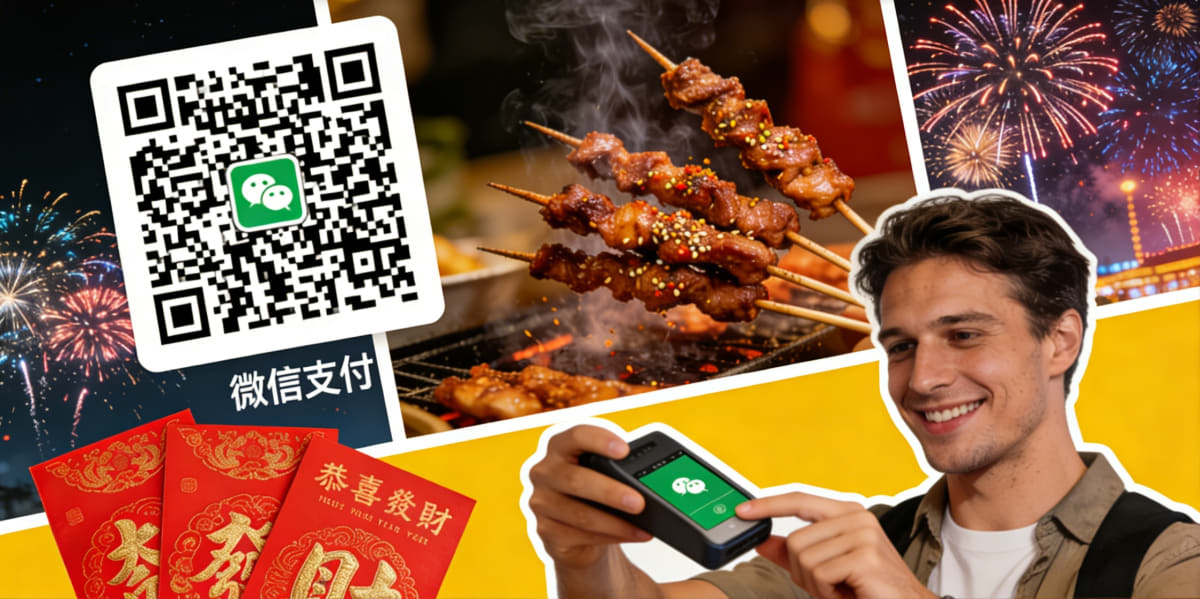
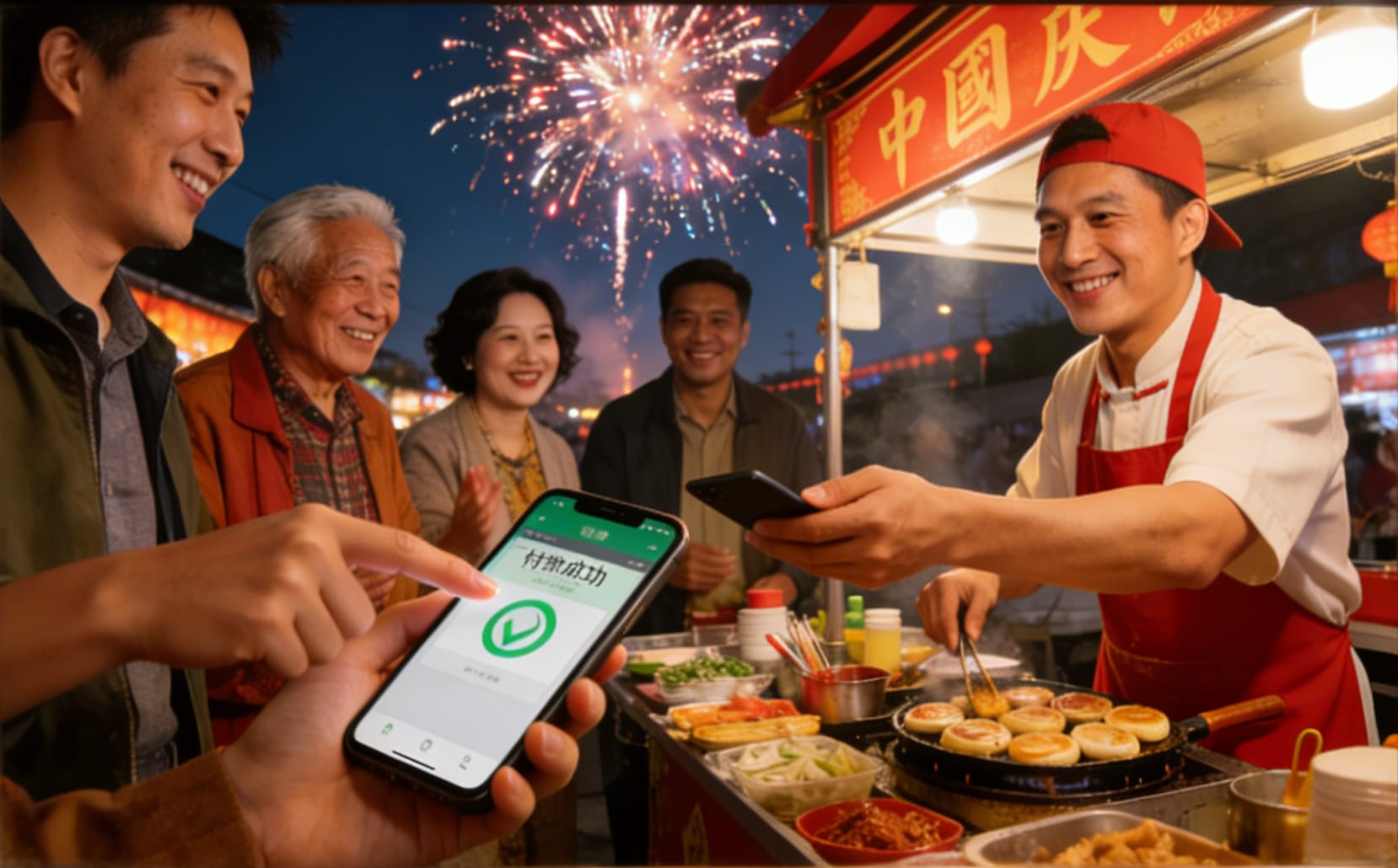
Stepping off the plane in China for the first time is like stepping into a vibrant, high-definition dream. As an expat who has spent years navigating the labyrinthine streets of cities like Beijing and Chengdu, I can tell you: the culture shock isn’t just real; it’s often hilarious. You will encounter social nuances that feel like a puzzle—sometimes frustrating, occasionally confusing, and frequently downright delightful.
Whether you are here for a quick business trip or planning to call this country home, adjusting your perspective is the key to thriving. Let’s dive into 10 cultural differences that will make your journey smoother and much more entertaining.
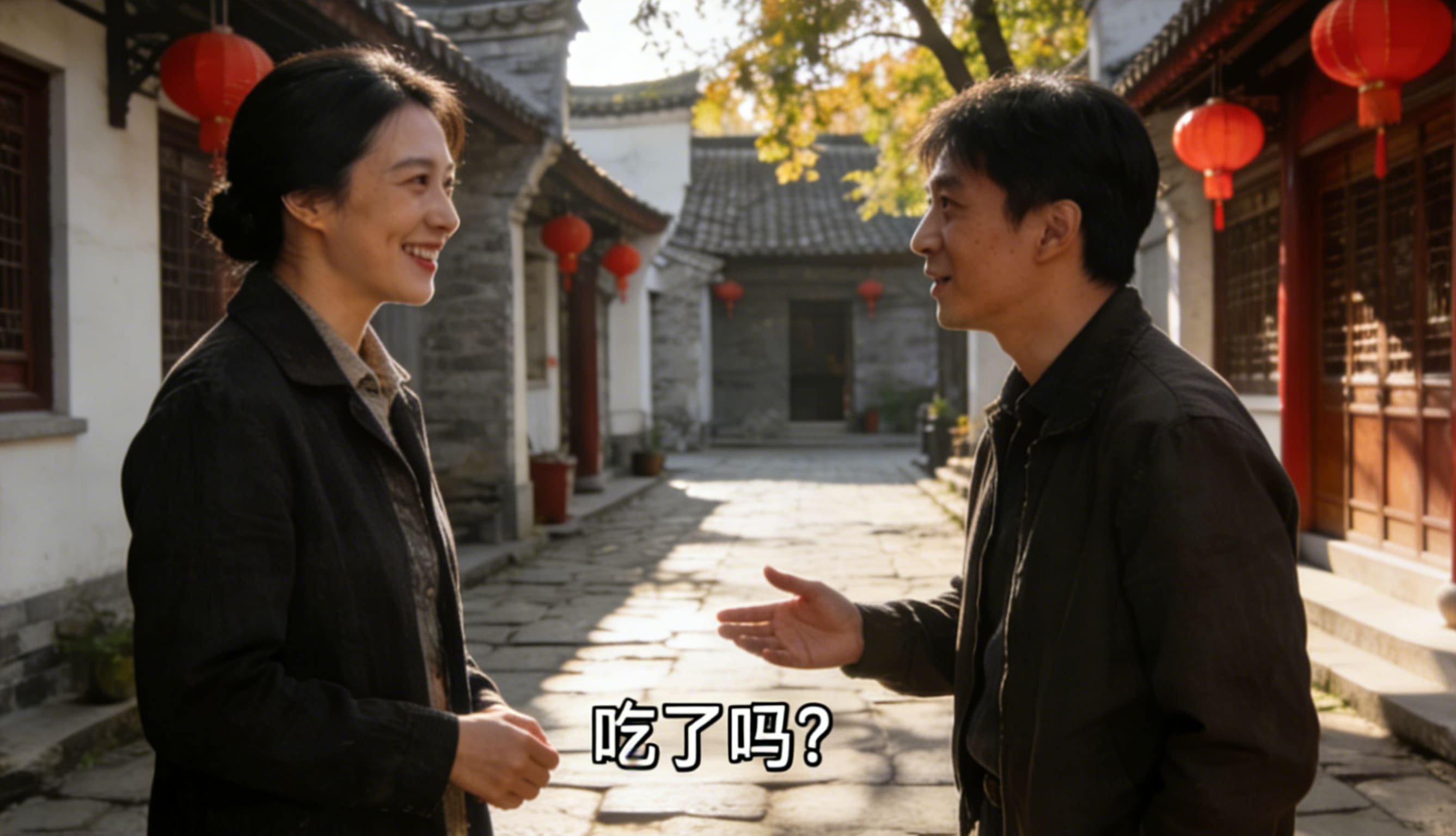
😂 1. “Have You Eaten?” is the Ultimate Greeting
| Concept | Explanation |
|---|---|
| The Phrase | "Nǐ chī le ma?" (你吃了吗?) translates literally to "Have you eaten?" |
| The Logic | In a land where famine was once a historical specter, asking if someone has eaten is the deepest form of checking in on their well-being. |
The first time my neighbor shouted this across the hallway, I panicked, thinking I was late for a potluck I hadn’t been invited to. I stuttered, “No, what are we having?” only to be met with a confused, polite smile. Now, I simply beam and say, “Chī le!” (I ate!). It’s a rhythmic, comforting part of life here that anchors the Chinese tea culture and broader social interactions.
🚶 2. Walking at the Speed of Life
If you think of walking as a meditative stroll, prepare for a recalibration. In China, sidewalks are thoroughfares of purpose. Everyone is moving—delivery scooters zipping by, grandmas speed-walking to the market, and office workers marching toward the subway.
If you stop suddenly to check a map or admire a view, you are essentially a boulder in a rushing river. Don’t be surprised if you get a gentle, urgent bump. It isn’t aggression; it’s simply the momentum of a society that values efficiency. My advice? If you need to stop, head for the nearest doorway. It saves everyone from saying “Duōmafan!” (So annoying!).
🍚 3. The Rice Hierarchy
Back home, rice might be a main course. In China, it is the humble, reliable foundation upon which the culinary arts are built. If you go to a restaurant and order just a bowl of rice, the waiter will likely ask with genuine concern if you are sick or if you forgot to order the actual food.
For the true local experience, you need a balanced spread. Order a shared stir-fry, maybe a steaming plate of authentic Sichuan Mapo Tofu, and keep your rice bowl filled as you go.
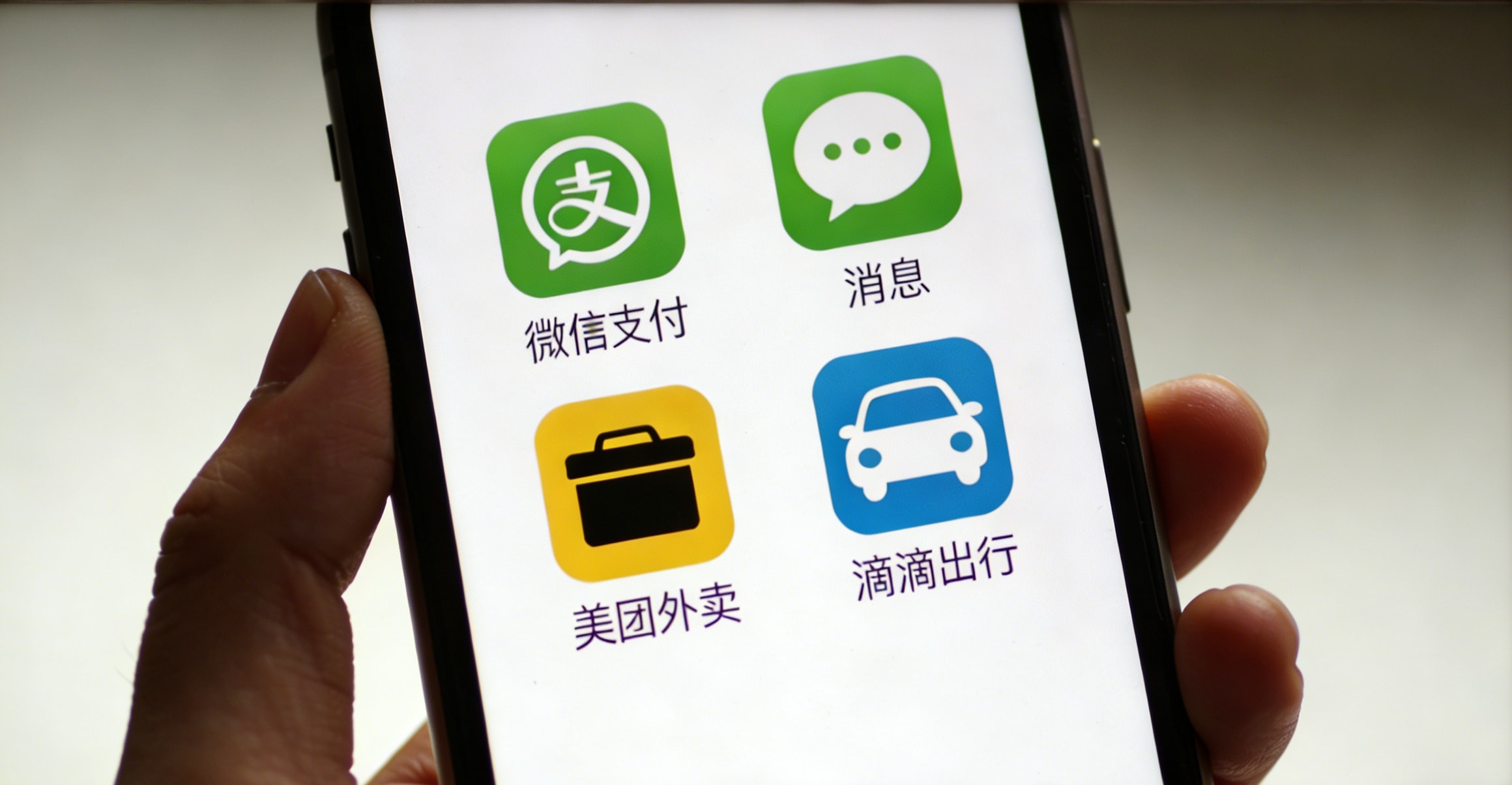
📱 4. The Digital Tether: Life via WeChat
I remember the day I realized I hadn’t touched a physical wallet in three months. In China, your entire existence—ordering coffee, paying rent, hailing a Didi, or finding a local craft beer—happens through WeChat (微信 Wēixìn).
Trying to use cash at a small street stall is like trying to pay with gold coins; the vendor will likely look at you with sympathetic amusement. Get your account set up, link your international card, and embrace the cashless revolution.
🗣️ 5. The Volume of Connection
There is a pervasive myth that if someone is shouting, they are angry. In China, volume is often a byproduct of enthusiasm or the necessity of being heard over a bustling urban environment. When you hear a heated “argument” on the subway, listen closely—it’s probably just a guy talking to his mom about whether he wore his sweater. It’s an auditory adjustment that takes time, but eventually, the noise just becomes the hum of the city.
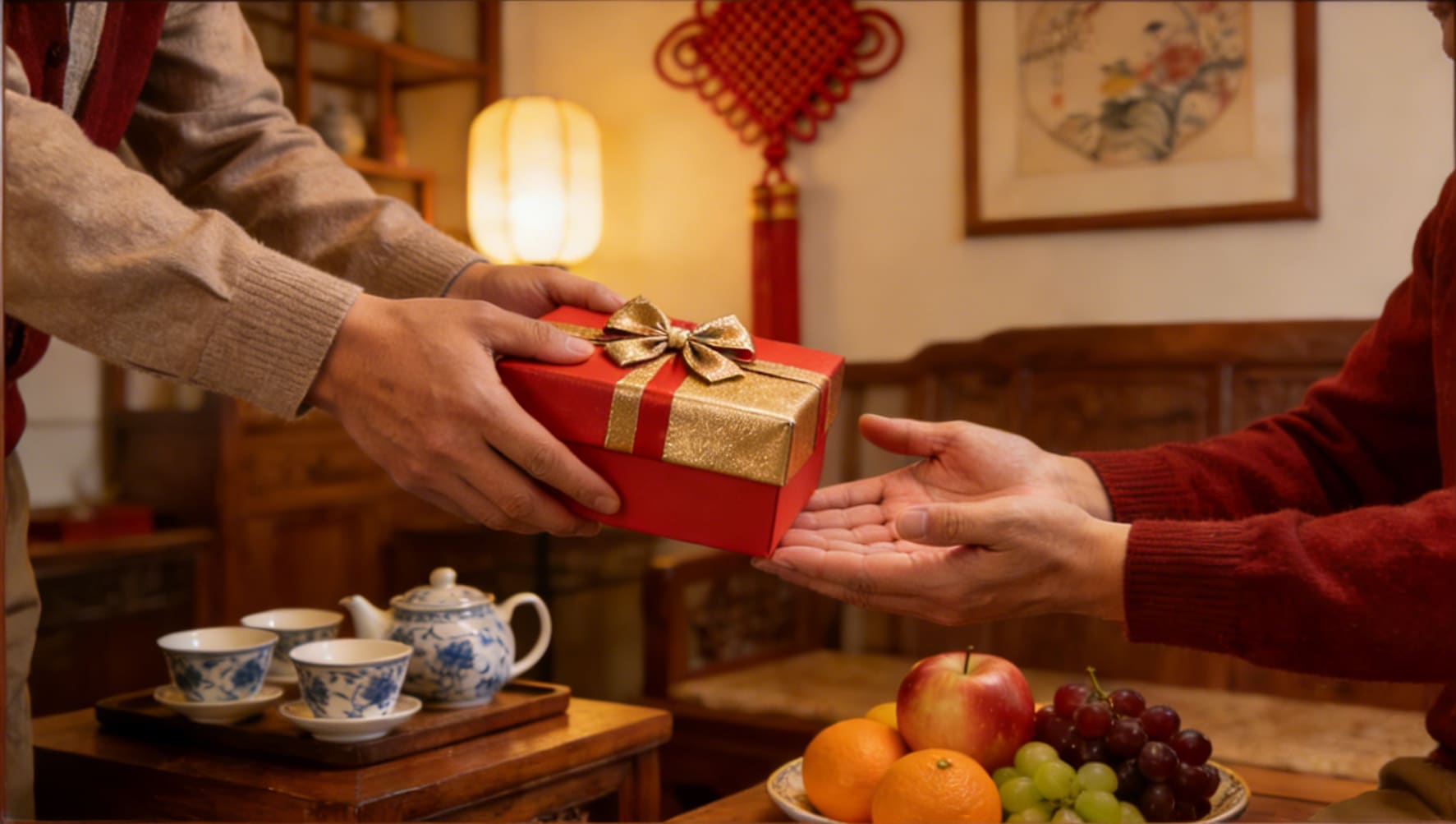
🎁 6. The Gift-Giving Minefield
Gift-giving here is a delicate art form. As I learned the hard way, giving a clock is a major faux pas (the sound is too close to “the end” or death). Sharp objects are also off the table, as they symbolize the severing of ties. Instead, focus on things that represent harmony and longevity. If you want to dive deeper into how to show respect, check out my guide on Chinese gift-giving etiquette.
🍜 7. The Street Food Gamble (That’s Always a Win)
The scent of charred cumin and sizzling oil on the sidewalk is the signature perfume of a Chinese night. The ultimate street food map is etched into every corner. Don’t be afraid to try the food that smells the strongest—stinky tofu, anyone?—because in China, the strongest smells often lead to the most legendary flavors.
🧓 8. The Grandma Oracle
If you are over 25 and unmarried, grandmas (Ayi) will become your life coaches. It’s a communal, multigenerational concern. They aren’t trying to be intrusive; they are genuinely invested in your “path to completeness.” When they ask why you’re single, don’t take offense. Just smile, say “Xièxie” (Thank you), and remember that they have decades of life wisdom they are just itching to share.
🚭 9. The Social Cigarette
Smoking is deeply woven into the social fabric, particularly for building relationships. You will see groups of men lighting up in parks, often as a way to share a moment of connection. However, China is getting serious about indoor regulations. Always double-check for the “No Smoking” (禁止吸烟 Jìnzhǐ xīyān) sign. Respecting these boundaries is the easiest way to avoid unnecessary friction.
🎉 10. Festivals That Rock the Earth
If you wake up at 3 AM to the sound of what you think is a war zone, congratulations! You’ve survived your first Spring Festival. The tradition of setting off fireworks to scare away bad luck and beckon prosperity is loud, proud, and incredibly beautiful. Rather than hiding under your pillow, grab your camera and witness the sky ignite.
🌟 Final Thoughts
Living in China requires a flexible heart. You will have awkward moments, you will make “faux pas,” and you will laugh about them later over a pot of tea. Embrace the rhythm of the life here, and you’ll find yourself at home in the most unexpected ways.
Ready to learn more?
Check out our guides on debunking Mandarin culture myths to ensure you’re moving through the country with confidence and cultural grace.