Disclaimer: As an Amazon Associate, we may earn a small commission from qualifying purchases made through links in this post, at no extra cost to you.
When the sweltering heat of a Chinese summer settles over the sprawling metropolises of Guangzhou or Shanghai, the air turns heavy, thick with moisture and the unrelenting pulse of the city. While I have always appreciated the ancient wisdom of surviving such grueling 40°C (104°F) heatwaves—like sipping a chilled bowl of sweet Mung Bean Soup or seeking refuge on a woven bamboo Mahjong mat—there is no denying that modern China has embraced technology as the primary shield against the sun.
In China, there is a widely cited, semi-humorous catchphrase: “Xiàtiān de mìng shì kōngtiáo gěi de” (夏天的命是空调给的), which translates to: “My life in summer is given by the air conditioner.” It is not an exaggeration. In a country where summer humidity can feel like walking through a warm, damp towel, electricity isn’t a luxury; it is the fundamental currency of comfort.
While North American homes often rely on massive central AC units that can lead to eye-watering energy bills, and much of Europe continues to struggle with outdated infrastructure that makes cooling a logistical nightmare, China has forged a path of hyper-efficiency. The Chinese cooling ecosystem is a masterclass in pragmatism: it is smart, surgical, and deeply rooted in a cultural philosophy that balances modern convenience with holistic wellness.
📱 1. The Smart Split-AC and the “Anti-Direct Blow” Culture
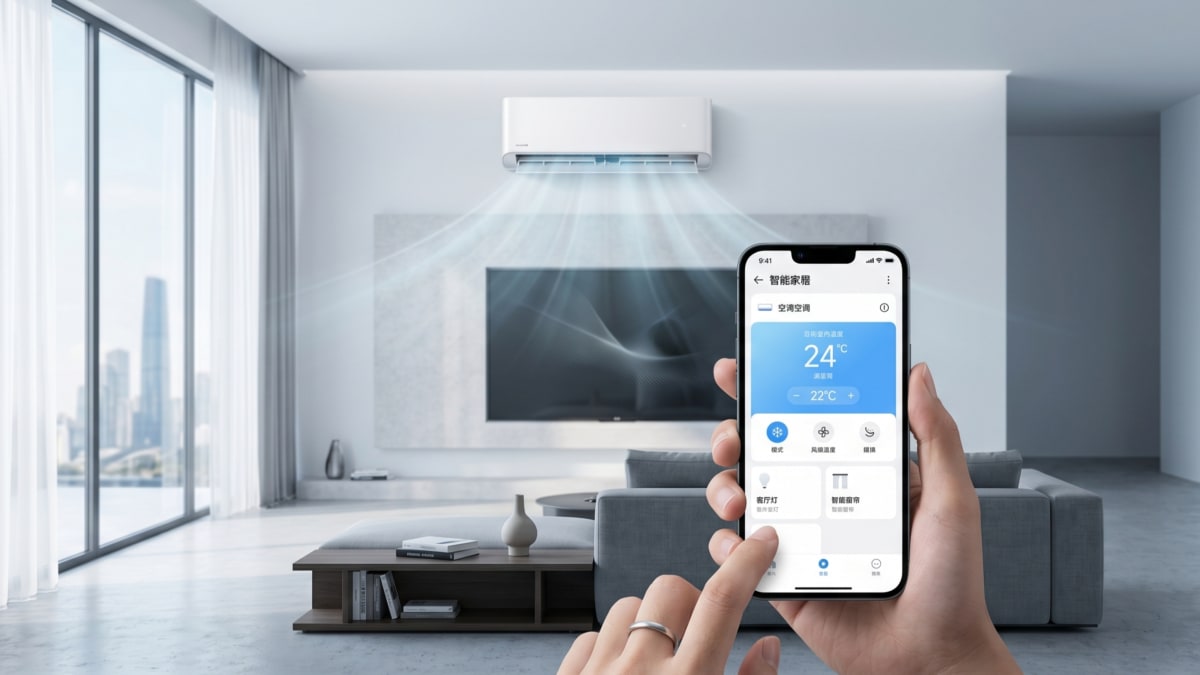
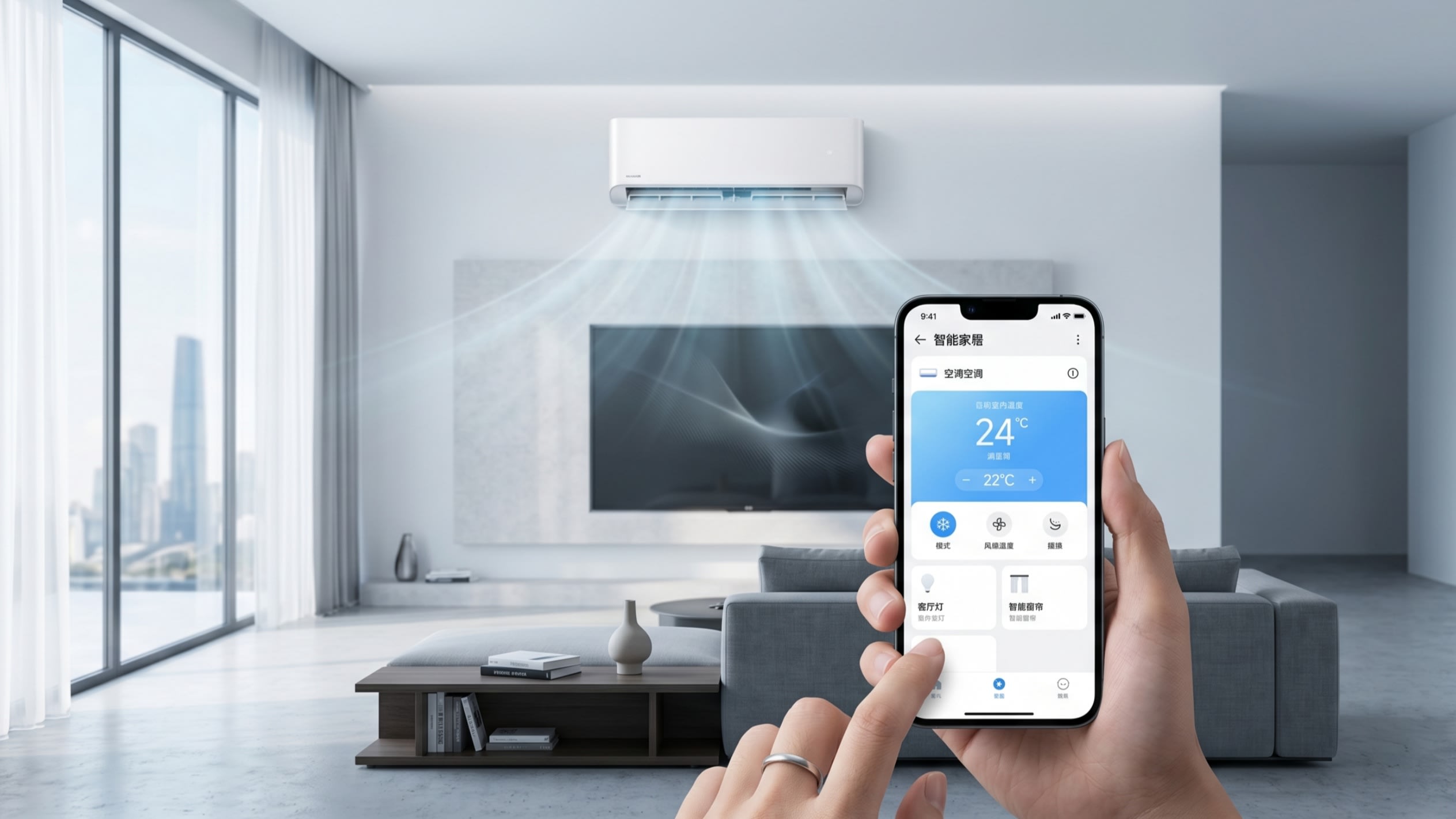
In China, the go-to cooling method is the wall-mounted “split-unit” air conditioner, known as Bìguàshì kōngtiáo (壁挂式空调). These units are the workhorses of the modern Chinese apartment. They are designed to be surgical; they cool the space you are currently occupying rather than wasting energy on empty rooms or hallways. In the age of the Internet of Things (IoT), these units have become incredibly sophisticated.
The Commute Pre-Cool
For many urban dwellers, the struggle with heat begins the moment they step onto the subway. By the time they reach their doorstep, they are drenched and exhausted. This is where smart home integration shines. Using apps like Xiaomi Home or Huawei AI Life, I often trigger my air conditioner remotely ten minutes before I arrive. Walking into a sanctuary maintained at a steady 24°C (75°F) after a grueling commute from a bustling late-night street food market is one of the most satisfying experiences of the season.
The Philosophy of the “Wind Deflector”
Yet, there is a fascinating contradiction at play. Even while Chinese households rely heavily on AC, there is a deep-seated, culturally ingrained anxiety about cold air blowing directly onto the body. This belief is linked to the national obsession with hot water and Traditional Chinese Medicine (TCM). Exposure to a “direct blow” is blamed for Kōngtiáo bìng (空调病 - “AC Disease”), which is said to cause stiff joints, headaches, and general malaise.
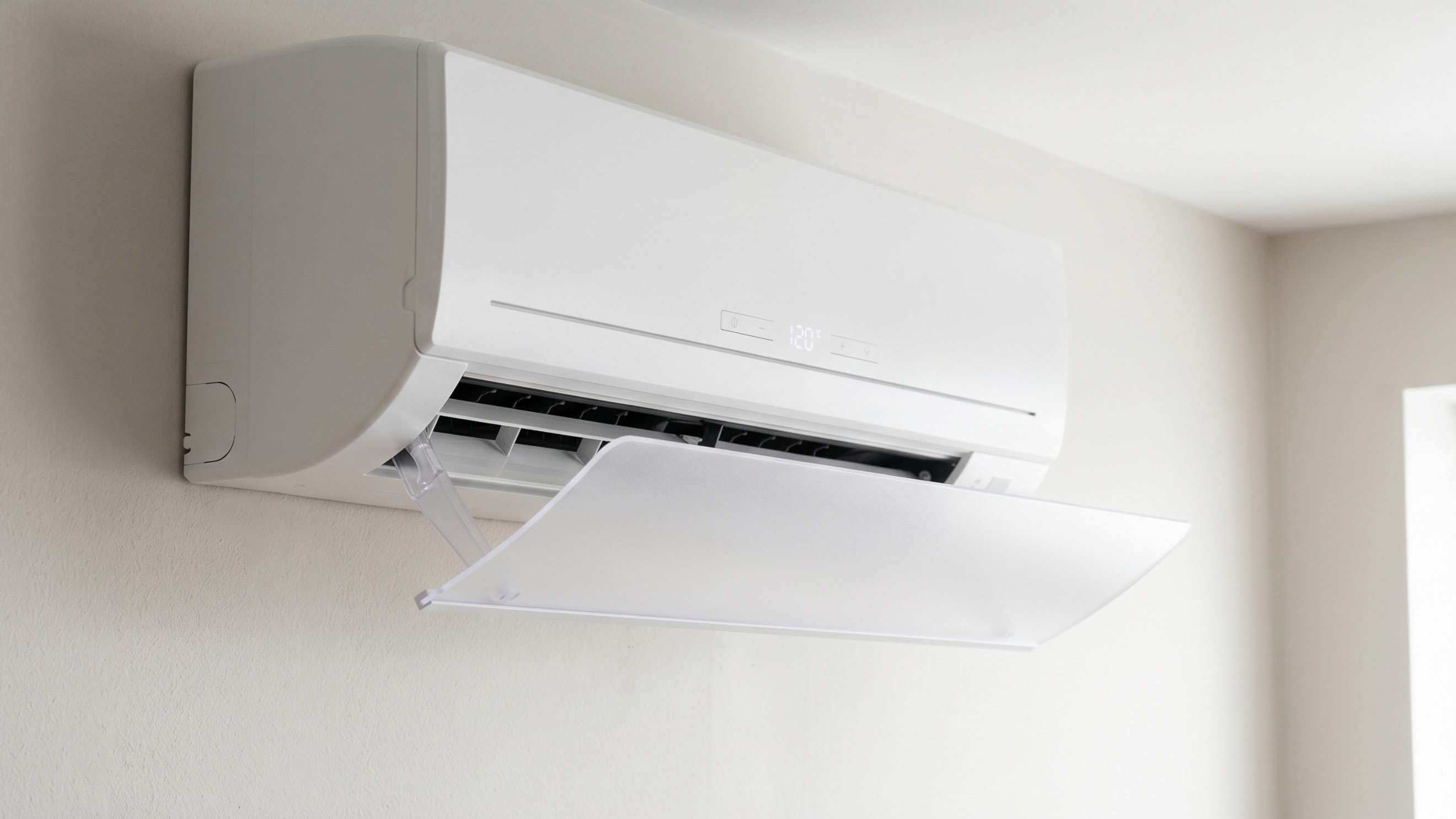
To solve this, Chinese e-commerce platforms have popularized the Kōngtiáo dǎngfēngbǎn (空调挡风板), or AC Wind Deflector. This ingenious, minimalist accessory is a lightweight, translucent plastic shield that snaps onto the bottom of the AC unit. You can easily find an adjustable AC wind deflector / air conditioner baffle online that requires no tools to mount. By forcing the freezing air toward the ceiling, the cold air naturally diffuses and sinks, chilling the room without ever striking a person directly. It is the perfect marriage of modern cooling and the ancient desire for internal balance.
🧊 2. The Renter’s Savior: The Air Cooling Fan (空调扇)
Not everyone lives in a modern condo where installing a traditional wall unit is an option. If you are a student in a dorm or a young professional renting a room in a historic building—where drilling holes into the wall is strictly forbidden—the Kōngtiáo shàn (空调扇), or “Air Cooling Fan,” becomes your best friend.
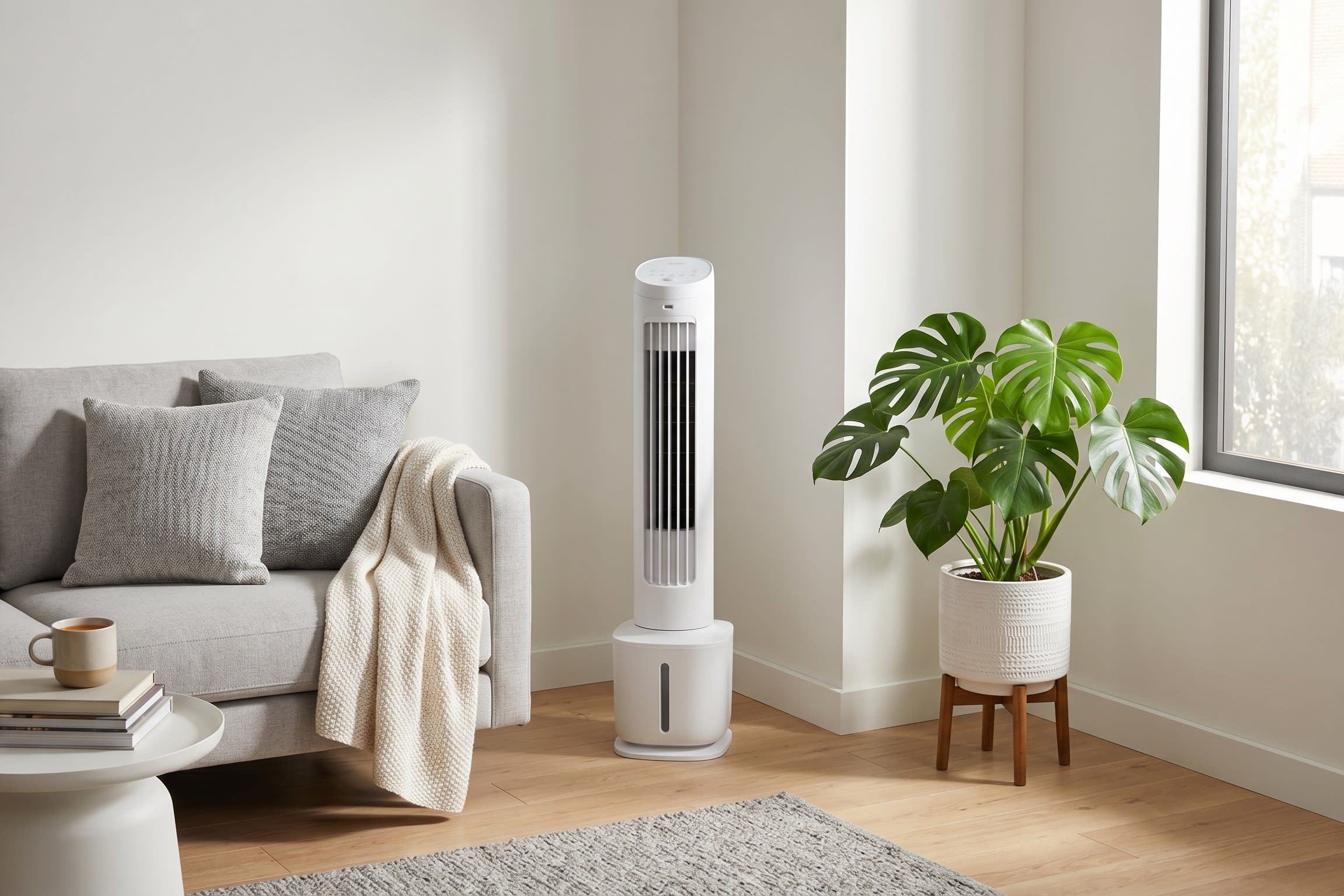
Often dubbed Zūfáng shénqì (租房神器 - “The Renter’s Artifact”), this device is a hybrid between a desk fan and a true air conditioner. It uses the physical process of evaporative cooling to drop the temperature of the air it blows.
The Ice Crystal Magic
The mechanism is simple but effective. These units feature a water tank and a set of reusable, gel-filled plastic blocks called Bīngjīng hé (冰晶盒 - “Ice Crystal Boxes”). You keep these in your freezer, and when the temperature spikes, you drop the frozen boxes into the machine’s water tank. The fan pulls warm, stagnant air over a wet, ice-cold filter, resulting in a blast of air that is noticeably colder than the room’s ambient temperature. It is a brilliant, low-maintenance hack. For someone needing relief without the permanence of an installed unit, a portable evaporative cooler / swamp cooler is, quite literally, a lifesaver.
🌪️ 3. The Fan Renaissance: The Air Circulation Fan (空气循环扇)
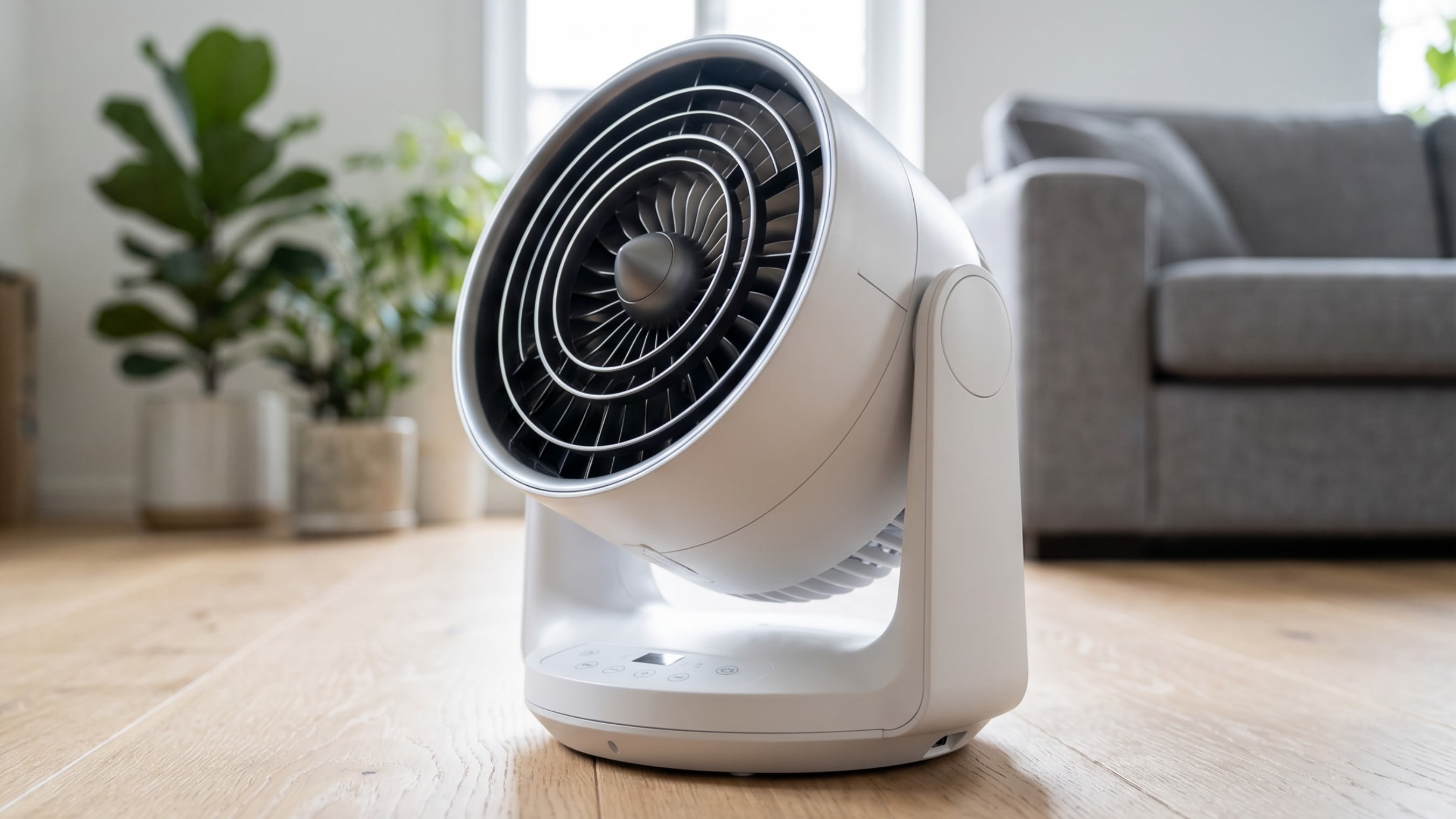
The days of clunky, oscillating plastic floor fans are fading. In their place is the Kōngqì xúnhuán shàn (空气循环扇), or Air Circulation Fan. These are not designed to blow air onto your face for sweat evaporation; they are designed to move entire volumes of air.
These machines resemble miniature jet engines. They feature deep, cylindrical barrels that focus the air into a powerful, concentrated column. They can be pointed at the ceiling or the corner of a room, creating a vortex that mixes the air from floor to ceiling.
The Perfect AC Companion
The true power of a high-velocity air circulator fan is revealed when it is used alongside an AC unit. Known as an Kōngtiáo bànlǚ (空调伴侣 - “AC Companion”), it allows a family to set their AC to a more modest, energy-efficient 26°C (78.8°F). The fan then distributes that cool air throughout the entire room, eliminating “warm pockets” near windows or behind furniture. This “1+1>2” strategy means the AC doesn’t have to strain, and the room stays consistently, comfortably cool.
📊 4. Summary Guide: Choosing Your Cooling Weapon
If you find yourself facing the heat in a new environment, consider this breakdown of how these tools function within the Chinese ecosystem:
| Device Type | Primary Advantage | Usage Strategy | Best For |
|---|---|---|---|
| Split-Unit AC (壁挂式空调) | High-efficiency, surgical room cooling. | Use with a deflector; control via smart apps. | Homeowners and long-term residents. |
| Air Cooling Fan (空调扇) | No installation required, cost-effective. | Rotate frozen ice boxes for persistent cooling. | Renters and dorm dwellers. |
| Circulation Fan (空气循环扇) | Maximizes efficiency of existing AC. | Direct toward ceiling to mix thermal layers. | Large open-plan rooms. |
Final Thoughts from Ming
The beauty of the Chinese cooling approach lies not in brute force, but in the intelligent application of airflow and climate management. It is a system that understands that modern life in a warming world requires a combination of technology and restraint. By learning to use these tools—like the humble wind deflector or the circulation fan—you can turn any space into a peaceful, chilled sanctuary.
Ultimately, surviving the summer is about working with your environment. Take inspiration from the local habits of “staggered living,” keep your tech updated, and always keep an ice cube tray handy for your cooling fans. Stay cool, keep your airflow steady, and enjoy the summer—it is much better when you’re not melting!