
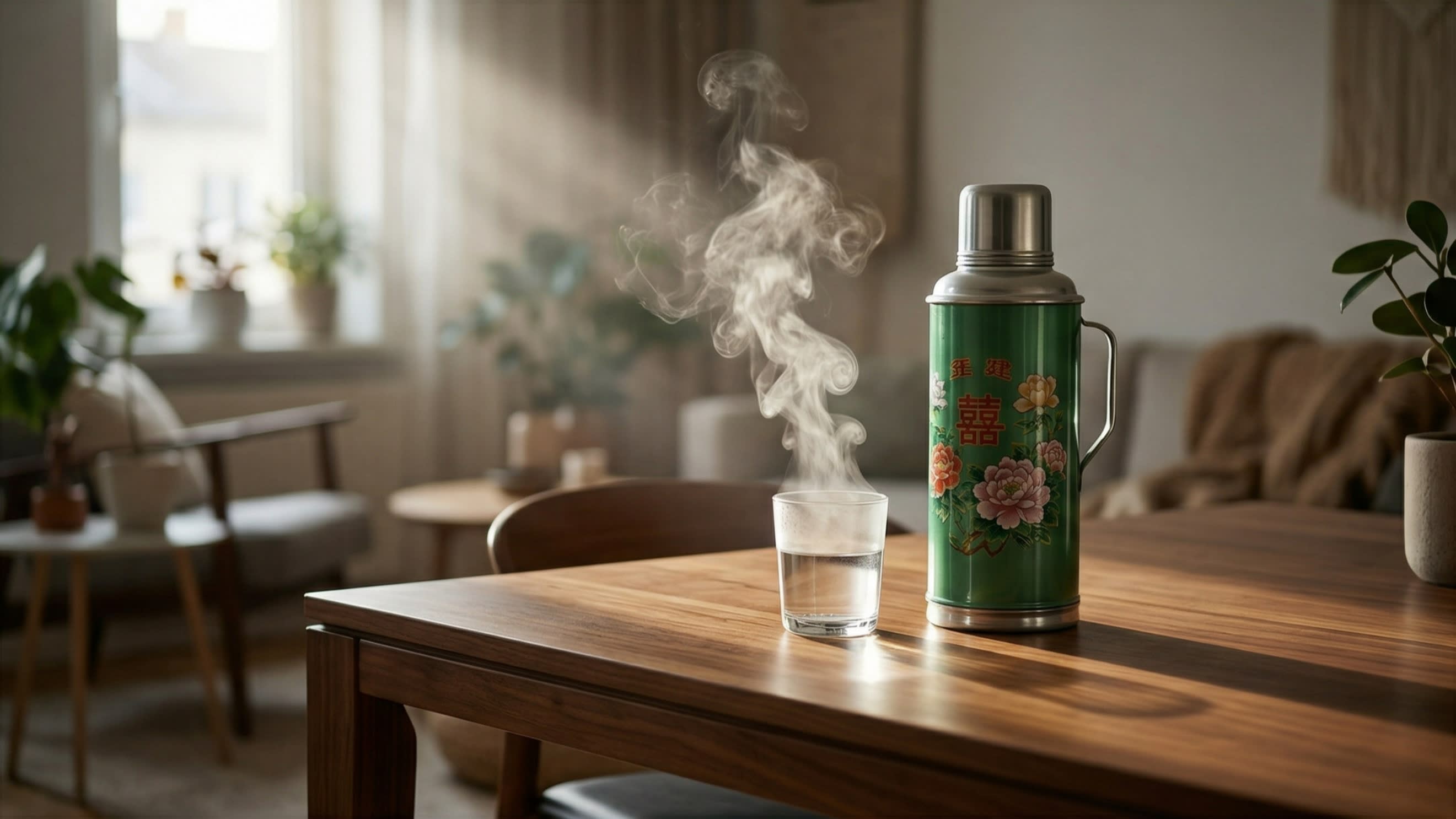
I remember my first summer in Shanghai vividly. The humidity was like a heavy, suffocating wool blanket, and the pavement shimmered under the blistering 38°C (100°F) sun. I stumbled into a local noodle shop, desperate for anything to drop my core temperature by ten degrees. I sat down and gasped for a reprieve, and the waiter—bless his heart—immediately set a glass down in front of me. I took a massive, greedy gulp, only to be met with a searing, throat-scorching shock. It was, of course, piping hot water.
Welcome to the most enduring, confounding, and surprisingly sensible cultural quirk of the Middle Kingdom.
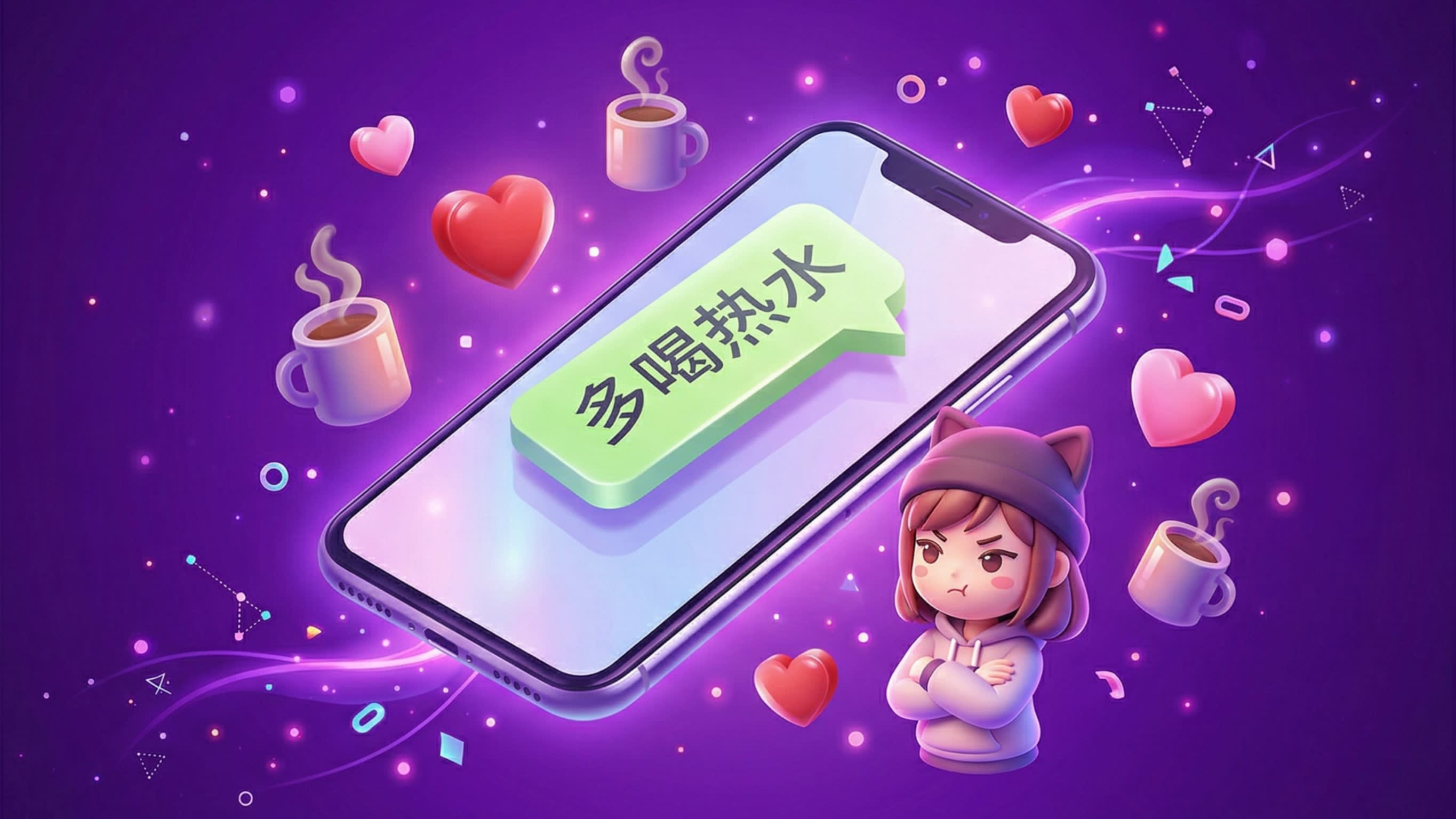
To many of us raised on ice-cold fountains, this feels like an act of madness. Yet, in China, the phrase “多喝热水” (Duō hē rè shuǐ - Drink more hot water) is the ultimate panacea for everything from a common cold to a broken heart. Whether you are dealing with a stomach ache or just need a moment of zen, the humble thermos, or 保温杯 (bǎowēnbēi), is a non-negotiable accessory. I eventually stopped fighting it and started carrying my own stainless steel vacuum insulated thermos, realizing that having a reliable source of warm hydration actually kept me feeling more balanced through the day, regardless of the weather outside.
Is it a superstition, or is there a genuine method to the madness? Let’s peel back the steam and see what’s really going on.
1. The Historical Roots: The Great Boiled Water Campaign
It is a common misconception that this is an ancient, mystical tradition. While tea culture has deep historical roots, the daily habit of drinking plain boiled water was, in fact, a massive public health triumph of the 20th century.
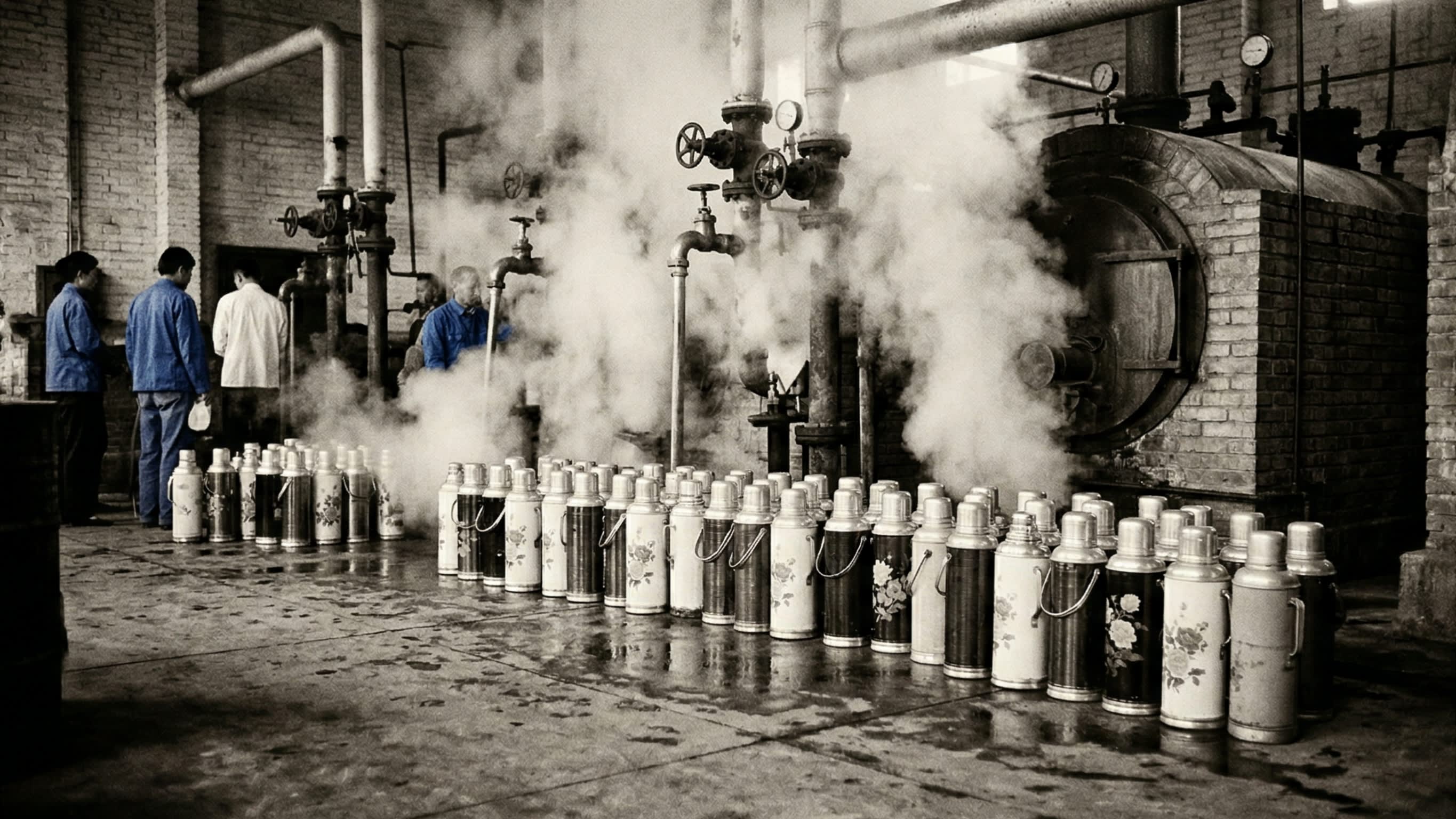
In the early 1900s, urban tap water was often unsafe, and waterborne illnesses like cholera and typhoid were terrifyingly common. When the People’s Republic was established, the government launched the “Patriotic Health Campaign” (爱国卫生运动 - Àiguó Wèishēng Yùndòng).
Posters appeared in every neighborhood with a simple, life-saving directive: “Drink boiled water.” It was the most accessible, low-tech way to sanitize water for millions. By the 1950s, the 开水房 (kāishuǐfáng - boiler room) became a central hub in every factory and school. That iconic, floral-patterned thermos didn’t just hold water; it held the promise of safety. Today, the modern evolution of these containers—often high-end titanium mugs—still reflects that deep-seated cultural reverence for sanitized, warm liquids.
2. The TCM Logic: Protecting the “Fire” of the Stomach
If history explains the start, Traditional Chinese Medicine (TCM) explains why the habit survived the modernization of the kitchen.
In TCM, the body thrives on the balance of Yin (阴) and Yang (阳). We treat the stomach as a biological “cauldron” that requires heat to function. If you flood your system with ice, you are effectively “extinguishing the fire.” This is said to lead to 胃寒 (wèi hán - stomach cold), which manifests as sluggish digestion or bloating.
Similarly, women are often cautioned against cold drinks during their cycle to avoid 宫寒 (gōng hán - cold uterus), a condition believed to exacerbate discomfort. By drinking hot water, you aren’t just hydrating; you are engaging in 养生 (yǎngshēng - life cultivation). Even in the heat, many locals swear that drinking hot water induces a healthy sweat, which is a far more efficient cooling mechanism than the temporary shock of an ice cube. If you want to understand how this ties into other summer habits, you should read my guide on China’s secret cooling diet.
3. The Meme: “Duo He Re Shui” as a Relationship Test
In modern China, this phrase has evolved into a hilarious social meme. It is the gold standard for “straight man” (直男 - zhínán) syndrome—the guy who thinks a glass of water can solve a complex existential crisis.
- “I’m exhausted from work.”
- “Drink more hot water.”
If you say this to a Chinese friend, don’t expect a thank you. It has become a symbol of low-effort empathy, the equivalent of a blank stare. If you really want to show you care, skip the water advice and bring over some fresh fruit or a warm snack instead! It’s this kind of social awareness that makes navigating local relationships easier, much like learning how to say no without losing face.
4. The Modern Office Ritual: Goji Berries and Tech
I love walking into a modern Beijing tech hub today. You see the future—high-end mechanical keyboards, massive monitors, and frantic coders—yet sitting next to their gear is almost always a sleek, titanium thermos.
Inside? You will often find Goji Berries (枸杞 - gǒuqǐ). The trend of 保温杯里泡枸杞 (bǎowēnbēi lǐ pào gǒuqǐ - soaking goji berries in a thermos) has become the unofficial badge of the health-conscious young professional. It is their way of reclaiming traditional balance within the high-pressure “996” work culture. I’ve found that carrying a lightweight travel thermos is essential for this, especially when you need to keep your tea or berry-infused water at the perfect temperature during a long commute.
5. Survival Tips for Travelers: How to Get Cold Water
If you are a traveler who prefers their water chilled, don’t worry—you won’t go thirsty. You just need to know how to ask for it.
| What You Want | Phrase | Pinyin |
|---|---|---|
| Ice Water | 冰水 | bīngshuǐ |
| Room Temp Water | 常温水 | chángwēn shuǐ |
| Warm Water | 温水 | wēnshuǐ |
A quick tip: If you are at a local street food stall and they tell you “没有” (méiyǒu - we don’t have it) when you ask for bīngshuǐ, they aren’t being rude. They just genuinely don’t have an ice machine. It’s the perfect excuse to embrace the local way and enjoy the soothing warmth instead.
If you are interested in how modern technology helps people deal with the heat, check out my guide on Smart ACs and Wind Deflectors. Mastering these cultural small talk points is a great way to deepen your immersion, and understanding the social context helps bridge the gap between “foreigner” and “friend.” When in doubt, just reach for your own reusable water bottle and stay hydrated—your body will thank you regardless of the temperature!
Disclaimer: As an Amazon Associate, ChinaCurator earns from qualifying purchases.