I still remember my early days studying Mandarin. I was so proud of the massive, archaic vocabulary list I’d memorized that I tried to drop a poetic idiom about “waiting for a rabbit by a tree stump” into a casual conversation at a coffee shop. The barista looked at me with a mix of confusion and pity, and in that moment, I realized my textbook had betrayed me.
If you’ve been grinding through language apps, you’ve likely encountered Chéngyǔ (成语)—the four-character idioms that serve as the rhythmic heartbeat of the Chinese language. There are over 30,000 of them, but most are purely literary ornaments. If you want to connect with people on a real, human level, you don’t need to recite ancient history. You need the idioms that pop up in WeChat messages, late-night dinner arguments, and daily office chatter.
Let’s skip the HSK exam fluff and focus on the seven idioms that will actually make you sound like a local.
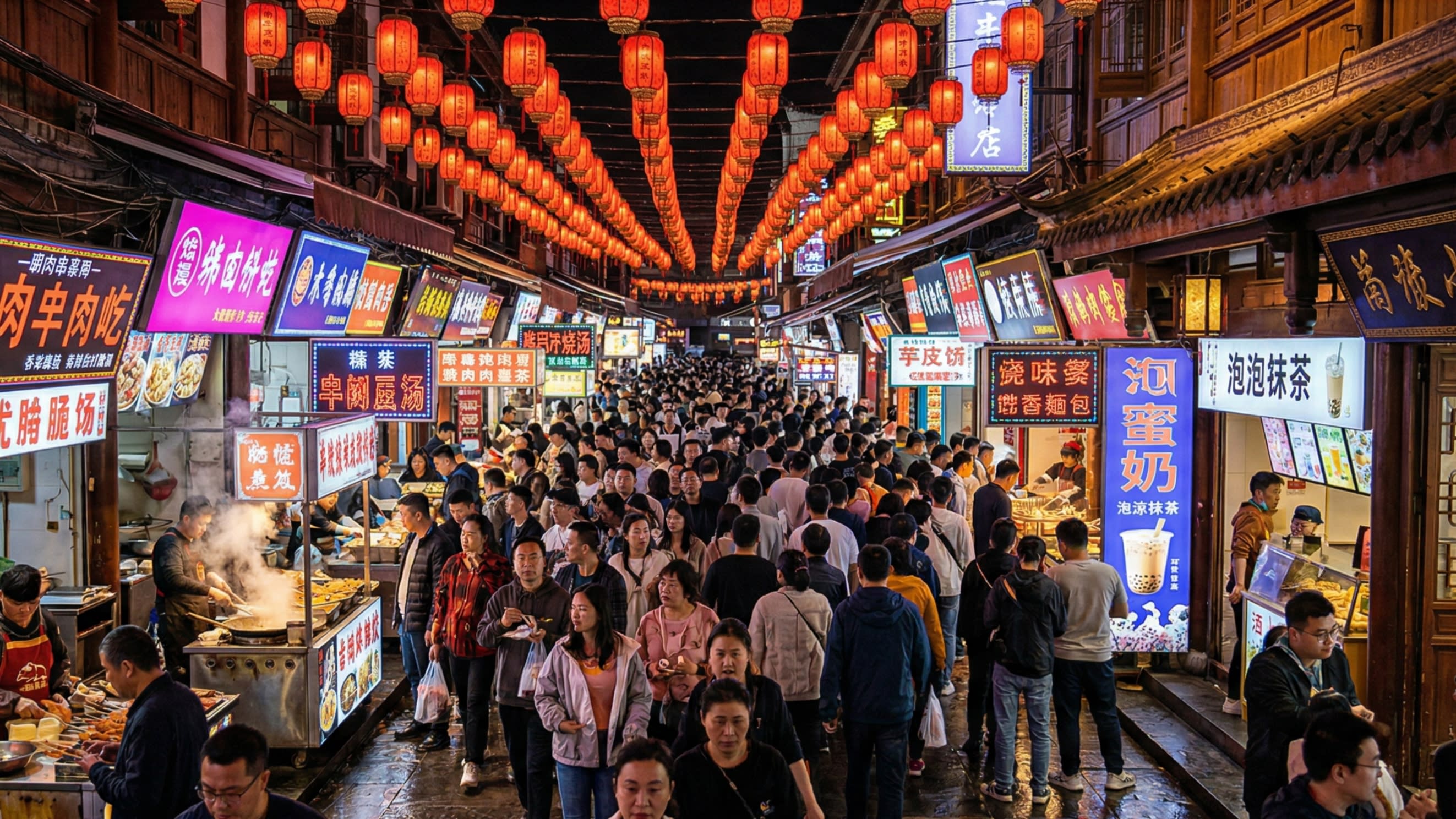
1. 人山人海 (Rén shān rén hǎi)
Literal Meaning: Mountains of people, seas of people. Actual Meaning: Incredibly crowded; packed.
I remember my first time visiting the West Lake in Hangzhou during a public holiday. I expected a serene walk; instead, I found myself in a literal sea of humanity. The standard “very crowded” (hěn jǐ) doesn’t even come close to describing the experience. When you see a massive surge of people, you say this.
- Example: “昨天的夜市真是人山人海!” (Zuótiān de yèshì zhēnshi rénshānrénhǎi!) — “Yesterday’s night market was absolutely packed!”
2. 乱七八糟 (Luàn qī bā zāo)
Literal Meaning: Messy seven, chaotic eight. Actual Meaning: A total disaster; a complete mess.
This is the idiom I heard most often from my host mother back in Beijing whenever my room looked like a cyclone had hit it. It’s perfect for anything—a disorganized desk, a failed project plan, or even a mind that feels foggy and overwhelmed.
- Example: “我现在的脑子乱七八糟的。” (Wǒ xiànzài de nǎozi luànqībāzāo de.) — “My brain is a complete mess right now.”
3. 莫名其妙 (Mò míng qí miào)
Literal Meaning: Unable to name its wonder. Actual Meaning: Baffling; inexplicable; making no sense.
We’ve all had those moments where someone does something completely illogical. Maybe a Didi driver took a bizarre, hour-long detour for no reason. When the situation leaves you scratching your head, this is your go-to phrase. It’s the linguistic equivalent of a raised eyebrow.
- Example: “他突然生气了,真是莫名其妙!” (Tā tūrán shēngqì le, zhēnshi mòmíngqímiào!) — “He suddenly got angry; it’s completely baffling!”
4. 理所当然 (Lǐ suǒ dāng rán)
Literal Meaning: According to reason, it should be so. Actual Meaning: Naturally; a matter of course; taking something for granted.
I use this when discussing things that are simply “given.” It can be a positive acknowledgement of duty—like how taking care of your elders is Lisuodangran—or a warning against entitlement when someone doesn’t appreciate your help.
- Example: “父母照顾孩子是理所当然的。” (Fùmǔ zhàogù háizi shì lǐsuǒdāngrán de.) — “Parents taking care of their children is only natural.”
5. 一举两得 (Yì jǔ liǎng dé)
Literal Meaning: One lift, two gains. Actual Meaning: Killing two birds with one stone.
Efficiency is a virtue in Chinese culture. If you’re looking for ways to maximize your time, like listening to a Mandarin podcast while commuting, you’re hitting the nail on the head with this idiom.
- Example: “看中国电影既能娱乐又能学中文,真是一举两得!” (Kàn Zhōngguó diànyǐng jì néng yúlè yòu néng xué Zhōngwén, zhēnshi yìjǔliǎngdé!) — “Watching Chinese movies is both entertaining and educational; it’s truly killing two birds with one stone!”
6. 半途而废 (Bàn tú ér fèi)
Literal Meaning: To abandon half the journey. Actual Meaning: To give up halfway.
If you’re ever tempted to drop your language learning plan because the tones are getting tricky, remember that native speakers value grit. You’ll hear this phrase when someone is being encouraged to keep going.
- Example: “学中文很难,但你不能半途而废。” (Xué Zhōngwén hěn nán, dàn nǐ bùnéng bàntú’érfèi.) — “Learning Chinese is hard, but you cannot give up halfway.”
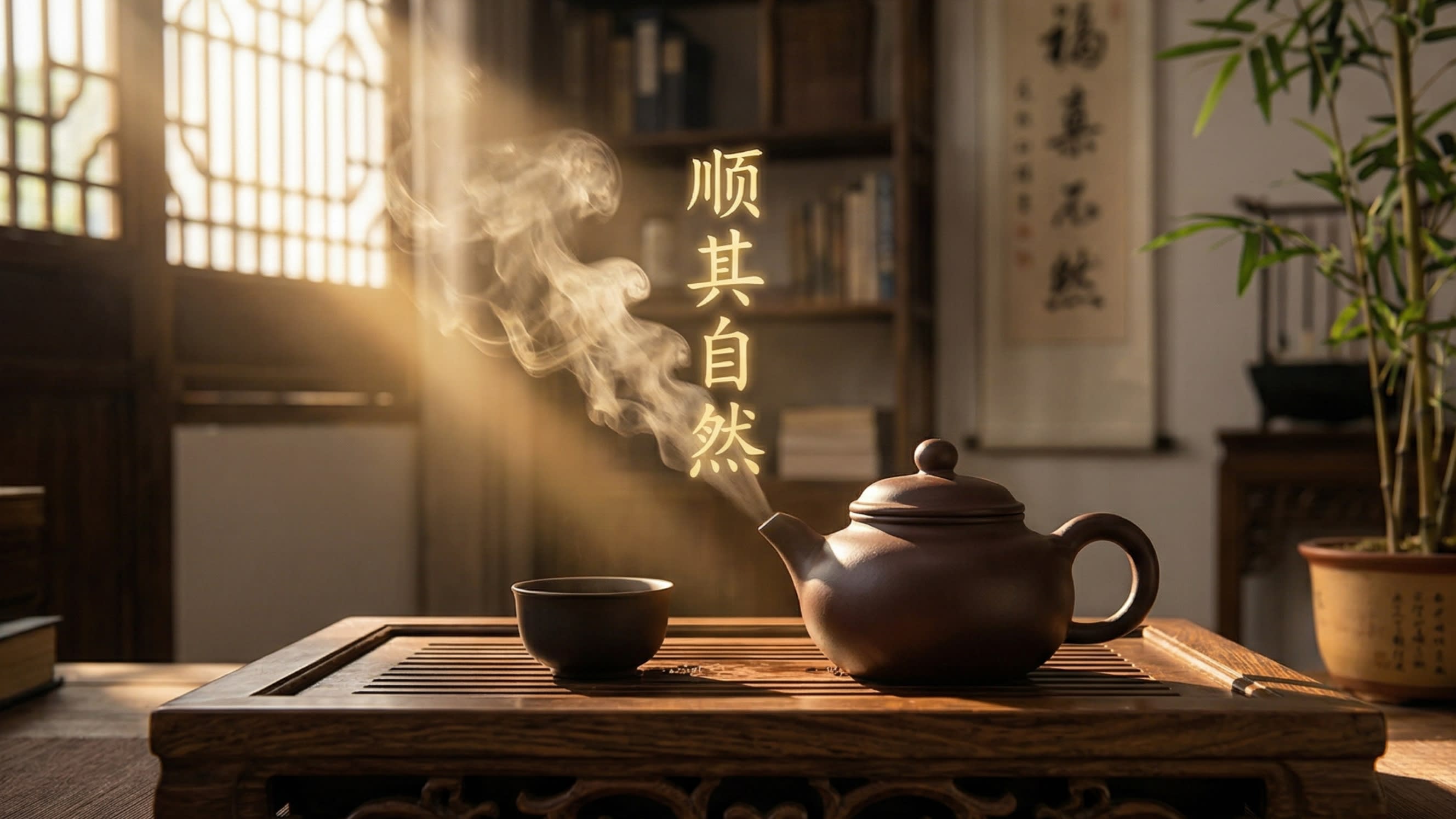
7. 顺其自然 (Shùn qí zì rán)
Literal Meaning: Follow its natural course. Actual Meaning: Let nature take its course; go with the flow.
This is my personal favorite. Life in China’s major cities can be intense, a concept often described as involution (Nèijuǎn). When I’m spiraling over work or travel plans, my friends often tell me to just Shunqiziran. It’s a beautiful, Daoist-inspired way of saying, “Stop fighting the current; breathe, and let things unfold.”
- Example: “别太有压力,凡事顺其自然吧。” (Bié tài yǒu yālì, fánshì shùnqízìrán ba.) — “Don’t be too stressed, just let nature take its course with everything.”

The Conversational Chengyu Cheat Sheet
| The Chengyu | Pinyin | Meaning | Vibe |
|---|---|---|---|
| 人山人海 | Rén shān rén hǎi | Absurdly crowded | Frustrated / Observing |
| 乱七八糟 | Luàn qī bā zāo | A complete mess | Casual complaint |
| 莫名其妙 | Mò míng qí miào | Baffling | Confused / Annoyed |
| 理所当然 | Lǐ suǒ dāng rán | Matter of course | Matter-of-fact |
| 一举两得 | Yì jǔ liǎng dé | Two birds, one stone | Efficient / Proud |
| 半途而废 | Bàn tú ér fèi | Give up halfway | Motivating / Critical |
| 顺其自然 | Shùn qí zì rán | Let it be | Comforting / Peaceful |
Final Thoughts
Mastering these idioms is like holding a linguistic key. It doesn’t just make you sound smarter; it helps you navigate the social landscape of China. If you want to dive deeper into the nuances of the language, I highly suggest brushing up on the common traps of Bu vs. Mei or learning how to address people properly.
Just start small. The next time you find yourself stuck in a subway crowd, think of it as a mountain of people, and mutter “Ren shan ren hai” to yourself. You’ll be surprised how quickly the language starts to click.