
If you’ve scrolled through your social media feed lately, you’ve likely encountered a relentless wave of high-energy vlogs featuring neon-lit skyscrapers, the hiss of a searing wok, and the whisper-quiet glide of high-speed trains. The hashtag #ChinaTravel is no longer just a niche trend; in 2026, it has become a global phenomenon.
According to the latest quarterly report from the National Immigration Administration (国家移民管理局 - Guójiā Yímín Guǎnlǐjú) released on April 15, 2026, China’s borders are experiencing a level of vitality not seen in decades. The data is clear: the “Middle Kingdom” is back on top of the global travel bucket list, shedding the dusty, static imagery of the past for a vibrant, hyper-connected present.
The Raw Data: A 41.7% Surge
In the first three months of 2026, the number of foreign nationals entering and exiting China hit 13.07 million, marking a massive 41.7% increase compared to the same period in 2025. Total border crossings reached a staggering 160 million.
These numbers aren’t just dry statistics on a government ledger. They represent a fundamental shift in perception. I have watched the travel community move from hesitation to excitement, driven by a curiosity for a “real China” that looks nothing like the outdated portraits often painted by Western media. Travelers are coming for the grit, the glory, and the genuine warmth of a society that is rapidly evolving.
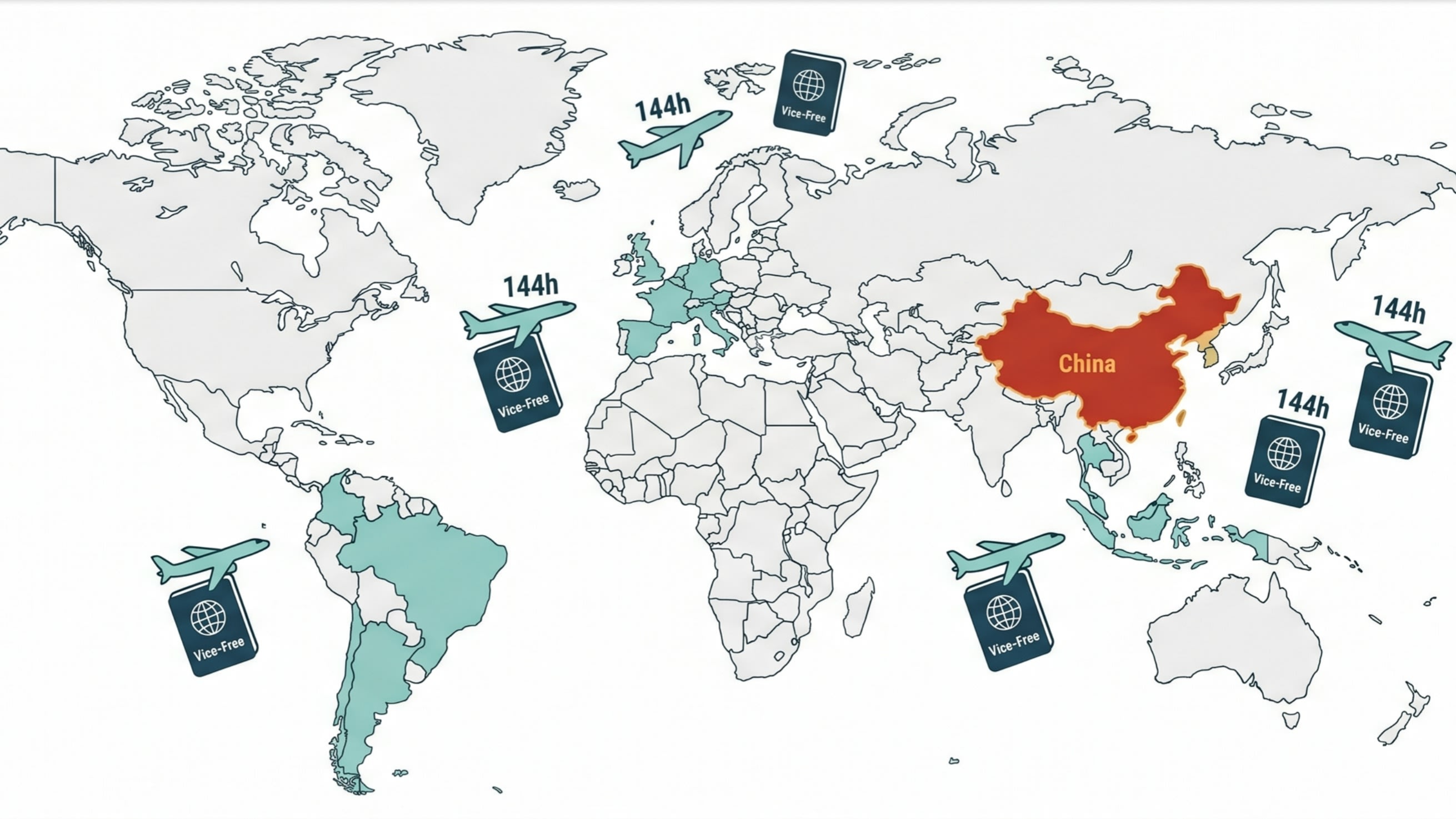
1. The “Visa-Free Circle” Revolution (免签朋友圈)
The primary catalyst for this boom is the radical simplification of entry requirements. China has been aggressively expanding what locals call its “Visa-Free Circle” (免签朋友圈 - Miǎnqiān péngyǒuquān).
Unilateral Openness
For citizens of many European, Southeast Asian, and South American nations, the days of tedious visa applications are effectively over. A simple 15-day stay for tourism or business now requires nothing more than a valid passport and a sense of adventure.
The 144-Hour Transit “Life Hack”
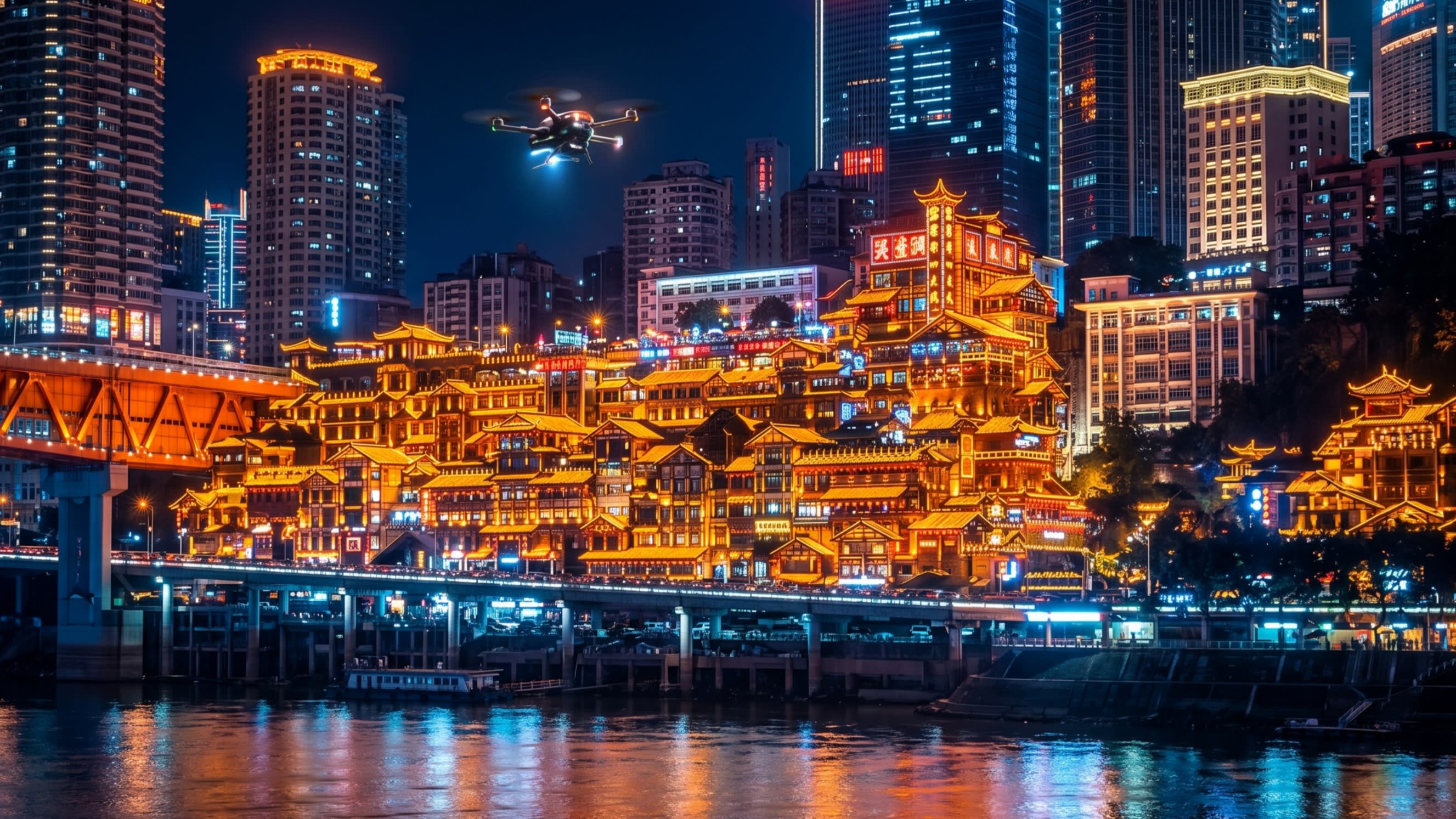
For those who don’t yet enjoy full visa-free status, the 144-hour transit visa-free policy has become the ultimate travel “life hack.” I often tell friends who are flying from London to Sydney that they are missing out if they don’t break up the journey in Beijing, Shanghai, or Chengdu. Six days is plenty of time to hike the Great Wall, enjoy the vibrant nightlife of Shanghai, and experience the sheer “Cyberpunk” verticality of Chongqing.
2. Demolishing the “Payment Barrier” (支付痛点)
For years, the biggest complaint from international travelers was that China had become too advanced. The society was so cashless that having a paper 100 RMB note felt like carrying a museum relic.
By 2026, the government and tech giants have finally bridged this “Payment Pain Point” (支付痛点 - zhīfù tòngdiǎn).
- Direct Card Binding: Both Alipay (支付宝) and WeChat Pay (微信支付) now allow foreign travelers to bind their international credit cards in seconds.
- The “Qin” Service: When you pay, you’ll often hear the term “Qin” (亲)—a warm, affectionate term used by service staff that softens the transactional nature of the interaction.
- Seamless Logistics: Whether it’s booking high-speed rail tickets via the 12306 app or hailing a Didi (滴滴), the entire travel ecosystem is now accessible via English-friendly interfaces.
| Feature | 2024 Status | 2026 Evolution |
|---|---|---|
| Payment | Cash/Local App Only | Seamless International Card Binding |
| Transit | Strict Visa Rules | Expansive 144-Hour Transit Network |
3. From “Special Forces” Travel to “City Walk”
The style of tourism in China has shifted from a frantic race to a thoughtful stroll. In the early 2020s, the trend was “Special Forces Style Tourism” (特种兵式旅游 - Tèzhǒngbīng shì lǚyóu)—visiting as many landmarks as humanly possible in 24 hours. In 2026, the vibe is all about the “City Walk” (城市漫步 - Chéngshì mànbù).
Foreigners are no longer just ticking boxes at the Forbidden City. They are exploring:
- Chongqing’s 3D Urbanism: Where the monorail threads through apartment buildings and the “ground floor” is often the 22nd floor.
- Shenzhen’s Innovation: Observing robotic dogs and AI-integrated toys (as seen in our report on Guangdong’s AI manufacturing surge).
- Rural Zen: Finding “Slow Life” (慢生活 - màn shēnghuó) in the high-altitude tea mountains of Yunnan or the ancient, quiet villages of Shanxi.
4. The “Safety” Factor: A 3 AM Discovery
Perhaps the most startling realization for first-time visitors in 2026 is the sheer level of safety. I’ve seen viral videos of solo female travelers walking through the heart of Beijing at 3 AM with nothing but a phone and a smile.
The combination of well-lit streets, a culture that deeply values social harmony, and the widespread, unobtrusive use of technology creates an environment of incredible “Security” (安全感 - Ānquángǎn). Tourists often find it mind-blowing that they can leave a phone on a café table to reserve a seat without a second thought. It’s an experience that truly challenges the stereotypes found in Western headlines.
5. Authentic Flavors: The Midnight Cravings
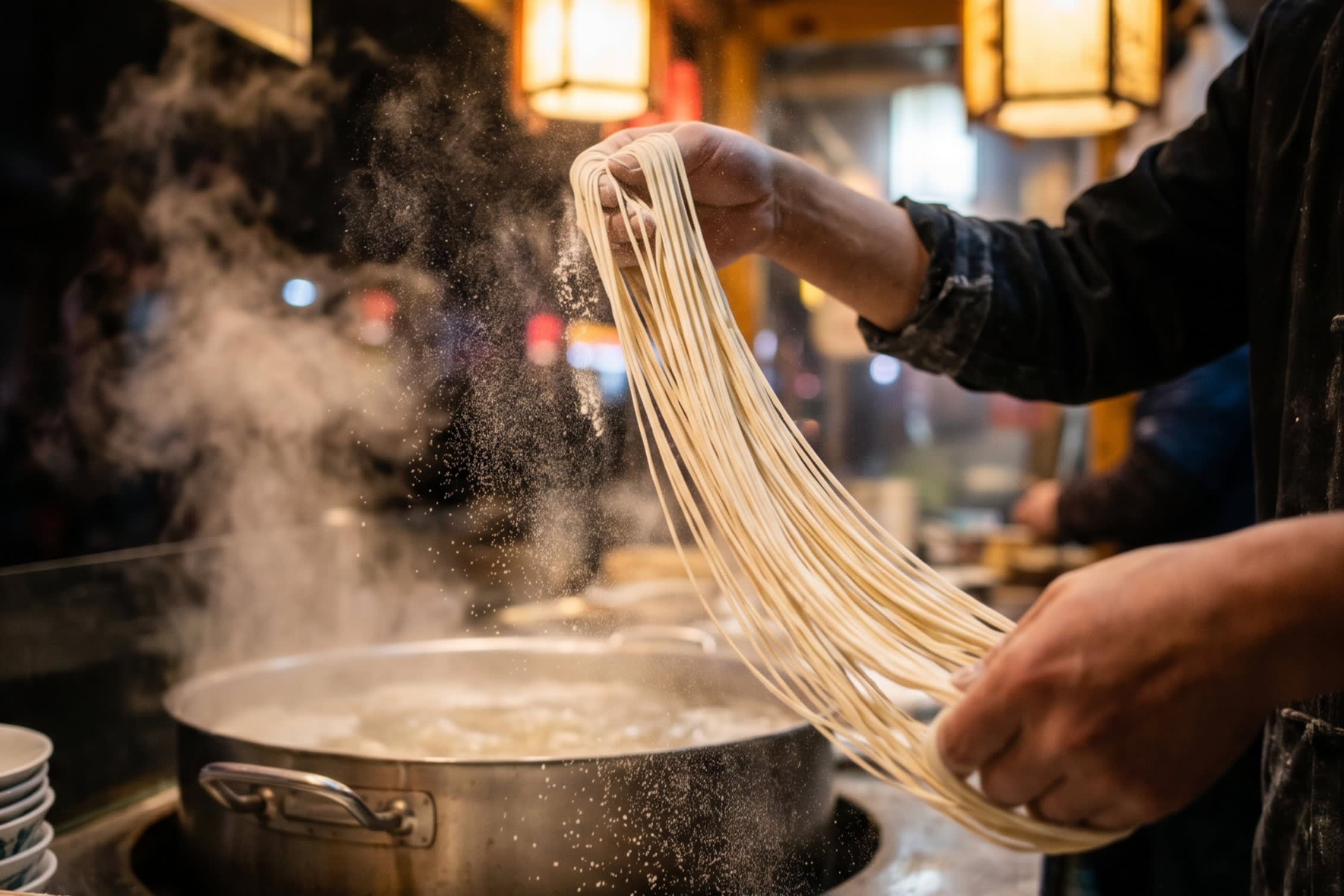
Finally, let’s talk food. China’s culinary scene has moved far beyond the generic Kung Pao Chicken found in airport lounges. In 2026, travelers are seeking out “Yan Huo Qi” (烟火气)—the “breath of the wok” or the soulful, lively atmosphere of night markets.
Whether it’s the hand-pulled noodles of Lanzhou, the spicy, blistered skewers of Zibo, or the refined, delicate dim sum of Guangzhou, the authenticity is the draw. Achieving that perfect, smoky wok-fired flavor at home is always a challenge, but you can get close with a high-quality carbon steel wok if you’re feeling inspired to recreate the street food vibe.
Why 2026 is the Year to Visit
The surge in international arrivals isn’t just a win for the economy; it’s a win for global understanding. As millions of people experience the real China—one that is high-tech yet deeply traditional, bustling yet safe—the old, monochromatic narratives are being replaced by vivid, personal stories of discovery.
The “China Travel” boom is a testament to what happens when a country opens its doors wide and makes it easy for the world to step inside. Whether you are seeking the industrial rebirth of Northeast China or the misty magic of Hangzhou, 2026 is the time to go.
Ready to start your journey?
- Plan your timing: Read our Ultimate Guide to the Best Time to Visit China in 2026 to avoid the crowds and catch the best seasonal views.
- Master the tech: Don’t get stuck at the checkout. Learn How to Use Alipay and WeChat Pay Like a Local with our updated, expert-vetted 2026 guide.
Data Source: National Immigration Administration of China, Q1 2026 Statistical Report.
Disclaimer: As an Amazon Associate, ChinaCurator earns from qualifying purchases.