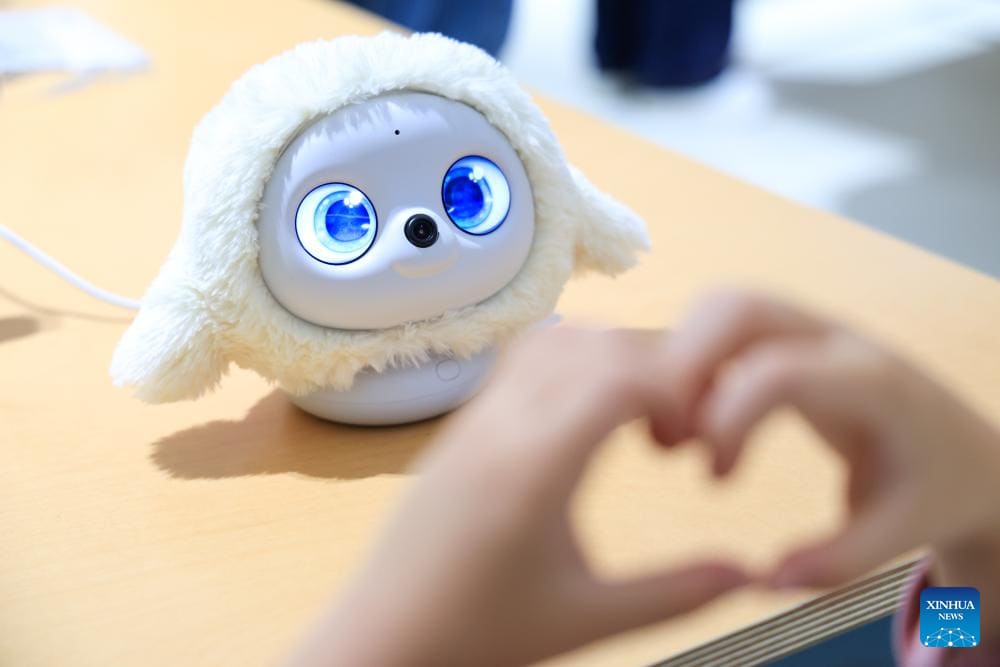
I remember the distinct, static smell of cheap injection-molded plastic from the toys of my own childhood—rigid, predictable, and entirely dependent on my own imagination to “speak.” But stepping into a bustling Shenzhen showroom today, I was struck by a completely different sensory experience. Instead of clattering gears and squeaky pull-strings, the air was filled with the soft, synthesis-refined voices of plush bears and robotic dogs, answering children’s impromptu questions about astrophysics and bedtime stories in real-time.
This isn’t a scene from a science fiction film; it is the current reality of Guangdong’s rapidly evolving toy manufacturing sector. As the undisputed global capital of toy production, the province is undergoing a massive paradigm shift, swapping traditional machinery for neural networks and large language models (LLMs). By blending deep industrial roots with cutting-edge tech, Guangdong is redefining what it means for a toy to “play.”
The Evolution: Four Pillars of Modern AI Toys
The transformation of toys in Guangdong goes far beyond adding a simple speaker or a pre-recorded sound chip. This new wave of intelligent playthings is characterized by a sophisticated convergence of hardware and software.
- Adaptive Human-Machine Interaction: Unlike traditional electronic toys that operate on static branching scripts, modern AI toys utilize natural language processing (NLP) to hold dynamic, context-aware conversations. They listen, adapt to a child’s tone, and remember previous interactions.
- Diverse and Fluid Product Forms: Guangdong’s manufacturers are no longer constrained by rigid plastic shells. AI is being integrated into everything from hyper-realistic robotic canines to ultra-soft plush companions like BubblePal and Fuzozo.
- Dynamic Application Scenarios: These products are stepping out of the bedroom. They serve as interactive brand ambassadors in flagship retail stores, captivating educational tools in classrooms, and empathetic companions in family living rooms.
- A Broadening Demography: While children remain a core audience, these intelligent companions are increasingly appealing to lonely young professionals, tech-enthusiasts, and senior citizens looking for low-maintenance companionship.
Inside the Toy Capital: Fairgrounds and Corporate Pioneers
To understand how fast this revolution is moving, one only has to look at the regional clusters driving the change. The district of Chenghai (chéng hǎi 澄海) in Shantou is historically responsible for producing a massive percentage of the world’s plastic toys. Today, it is turning into a hotbed for hardware-based AI development.
At the 24th Shantou-Chenghai International Toys & Gifts Fair, the shift from basic manufacturing to high-tech innovation was palpable. The traditional stalls filled with wind-up cars were replaced by arena floors where robotic dogs flipped, danced, and responded to voice commands in multiple languages.

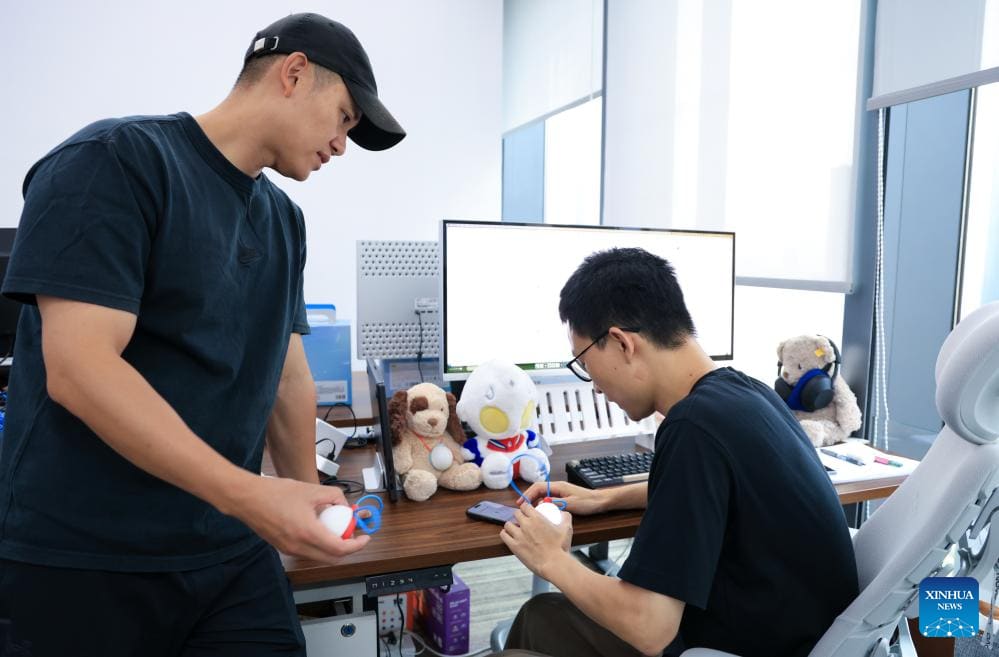
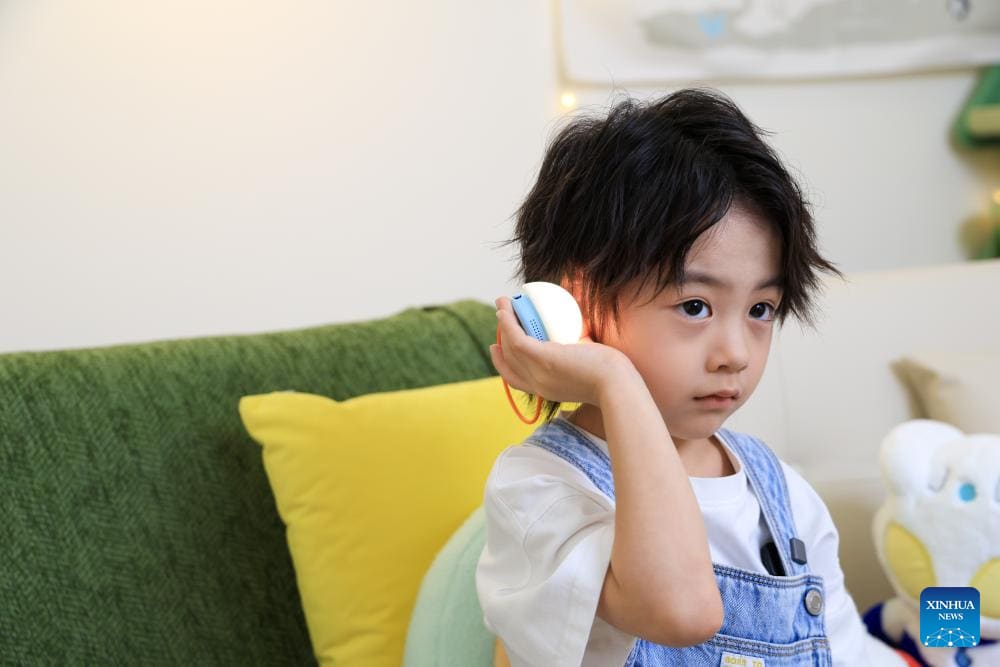
Meanwhile, over in Shenzhen—the Silicon Valley of hardware—companies like Haivivi are pioneering the software side of this revolution. Rather than creating just another cold, metallic robot, they have focused on “emotional AI.” Their signature products, like BubblePal and CocoMate, are designed to clip onto existing plush toys, instantly granting them a voice, a personality, and an active imagination.
At Haivivi’s headquarters, teams of software engineers work alongside child psychologists to refine the conversational pacing of these toys. To stay ahead of global market shifts, they bypass standard retail middlemen, opting instead to broadcast directly to consumers through live streams, demonstrating their AI features to audiences worldwide. This modern marketing approach fits perfectly within the broader, highly interactive Chinese app ecosystem.

Behind the scenes, the development cycle of these smart companions requires constant iteration. Software engineers must continually update the backend algorithms to ensure that the toys’ responses remain safe, polite, and educational.
Down on the retail floor, the consumer experience has also evolved. At the inno100 Flagship Store in Shenzhen, children don’t just point at boxes on shelves; they sit at interactive tables, chatting with companions like Ropet and Fuzozo. If you ever find yourself on a Shenzhen layover, stepping into one of these high-tech retail spaces offers a fascinating window into the local lifestyle.
Market Offerings and Technical Specifications
To give you an idea of how these interactive companions compare, here is a breakdown of some of the notable AI toy models and companion systems currently emerging from Guangdong’s tech-manufacturing hubs:
| Product / Model | Type | Key Features | Est. Price (RMB) |
|---|---|---|---|
| Cyber Dog (Model BG2544 / BG1544) | Quadruped Robot | Obstacle avoidance, custom color pathways, interactive voice response, acrobatic routines. | ¥1,500 - ¥2,200 |
| Haivivi BubblePal | AI Plush Attachment | Clips onto existing plushies, converts voice-to-text via LLM, supports multi-language conversation. | ¥999 (incl. lifetime membership) |
| Nai Long (nǎi lóng 奶龙) Special AI Edition | Character Interactive Toy | Custom voice modeling based on the popular Chinese animated IP, interactive games, and story-telling modes. | ¥699 - ¥1,200 |
| AI Companion Robot (Standard Series) | Desk Companion | Electronic screen expressions, gesture control, integration with local smart-home ecosystems. | ¥2,180 |
For those looking to dip their toes into this world of smart home companions without making a trip to Shenzhen, I highly suggest starting small. You can easily find highly rated robotic companion dogs that offer a fun introduction to mechanical movement, or pick up soft, interactive smart plush toys to see how modern voice-recognition can change play forever.
What is Driving This Accelerated AI Leap?
Guangdong’s rapid success in scaling AI toy production is not an accident. It is the direct result of several unique geographical and industrial advantages:
- A Complete, Hyper-Localized Supply Chain: Within a two-hour drive in the Pearl River Delta, a toy brand can source high-grade plastics, microchips, lithium batteries, fabric plush shells, and specialized packaging. This proximity reduces prototyping phases from months to days.
- Hardware-Software Synergy: Guangdong is home to tech giants and thousands of agile startups. This allows toy factories in Shantou to quickly partner with software firms in Guangzhou and Shenzhen to integrate sophisticated voice models directly into physical products.
- Upgrading the Value Chain: As labor costs rise, traditional low-margin plastic manufacturing is no longer sustainable. By embedding AI, Guangdong’s factories are successfully pivoting from low-cost OEMs (Original Equipment Manufacturers) to high-value global brands.
The transition from silent plastic molds to warm, conversational companions represents a milestone for both technology and childhood development. By bringing code to life, Guangdong is breathing new energy into the global toy industry—and changing how future generations will learn, play, and connect.
(All images and related information are sourced from Xinhua News Agency. Image credits: Xinhua/Xiao Ennan, Xinhua/Mao Siqian, Xinhua/Huo Siying)
Disclaimer: As an Amazon Associate, ChinaCurator earns from qualifying purchases.