
If you ask a casual traveler to name a Chinese app, 99% of them will immediately say “WeChat” (微信 - Wēixìn). And, to be fair, they aren’t wrong. WeChat acts as the central nervous system for daily life in China; it is your wallet, your messaging hub, your ride-hailing tool, and your digital ID all rolled into one.
However, WeChat is a walled garden. It’s a closed ecosystem where you only interact with the people you’ve already added as contacts. If you want to witness how the pulse of Chinese youth culture truly beats—how memes explode overnight and how the next generation is reshaping commerce—you have to step outside that green bubble.
China’s digital landscape isn’t just “isolated”; it’s a parallel universe. There is no Instagram, no YouTube, and no Reddit. In their place, a highly sophisticated, ultra-competitive ecosystem has evolved. These aren’t simple carbon copies of Western platforms; they are complex, e-commerce-driven beasts that have developed their own unique subcultures, social hierarchies, and, most importantly, their own specific brand of internet slang.
If you are looking to decode the digital DNA of 2026 China, you must get comfortable with the “Big Three”: Xiaohongshu, Douyin, and Bilibili. Here is my personal curator’s guide to navigating them.
1. Xiaohongshu (小红书): The Lifestyle Bible
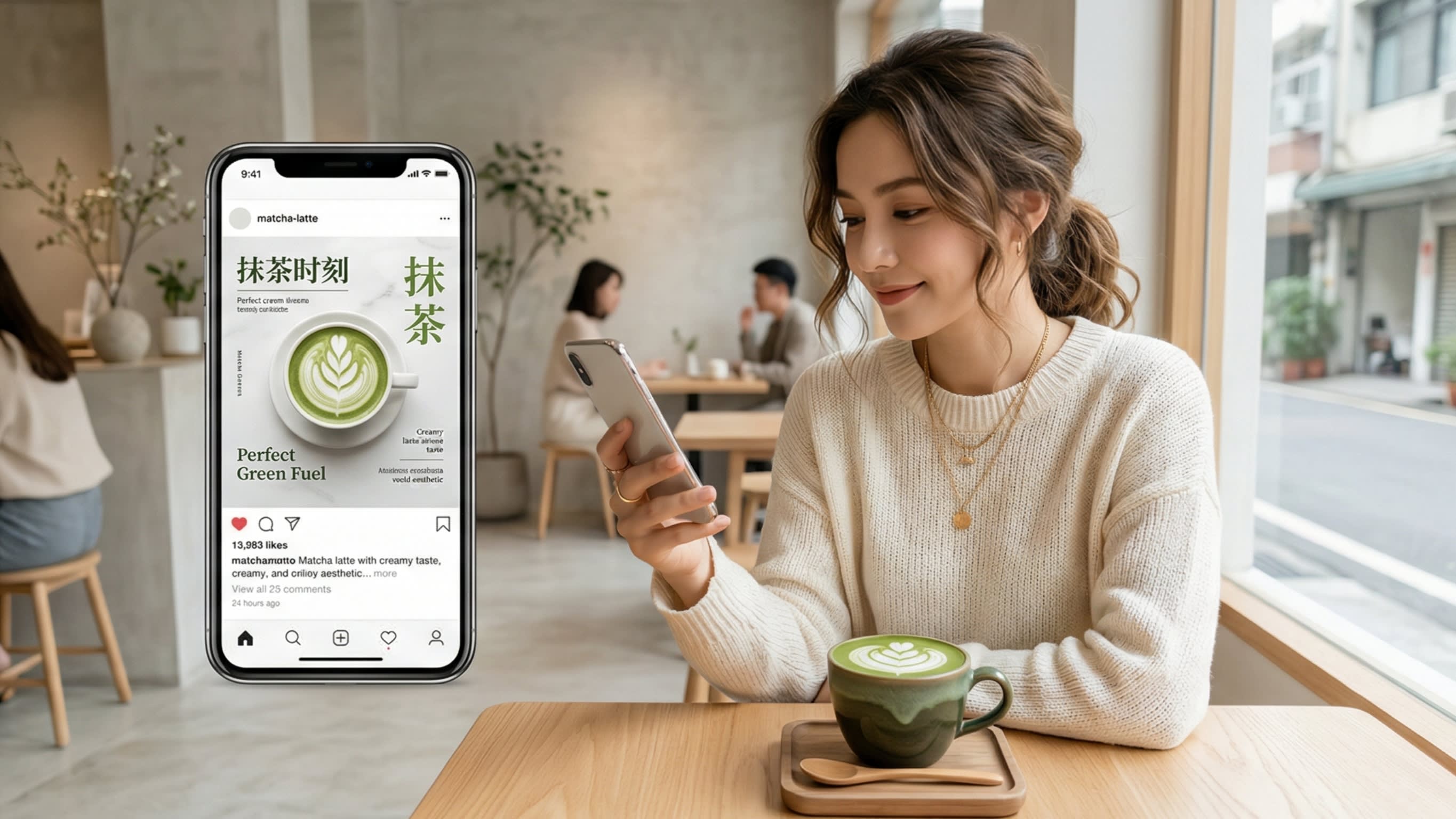
The Vibe: Imagine a marriage between Instagram and Pinterest, but with a robust, built-in marketplace where shopping is the main event.
Xiaohongshu—literally “Little Red Book,” often referred to as RED—began as a niche community for savvy travelers to share shopping guides. Today, it has morphed into the absolute epicenter of lifestyle, fashion, and travel trends. If a hidden cafe in a Shanghai alleyway becomes the city’s “it” spot, it’s because it exploded on Xiaohongshu first.
The platform relies on visual diaries, high-resolution photography, and hyper-detailed reviews. For the urban, middle-class Chinese consumer, it is the ultimate source of truth. If you want to know which skincare product actually delivers results, or the precise lighting to use for your photos at a historic site, this is where you go.
The Essential Slang: “Zhongcao” (种草)
You cannot navigate Xiaohongshu without encountering the concept of Zhòngcǎo (种草 - Planting Grass).
- The Meaning: When a post creates such a strong desire for a product that you feel an itch to own it, the creator has “planted grass” in your mind.
- Bá cǎo (拔草 - Pulling Grass): This is the final act—purchasing the item and finally satisfying the craving.
- Pro-tip: Using this in conversation sounds like a local. You might tell a friend, “This article really planted grass for me regarding that new dumpling spot,” implying you are now obsessed with trying it.
2. Douyin (抖音): The Ultimate Algorithm
The Vibe: TikTok, but operating on a different scale of efficiency and commerce.
Most of you are familiar with TikTok, but Douyin (抖音)—the original Chinese version owned by the same company—is a different animal entirely. While the Western version is mostly for entertainment, Douyin is a massive, self-contained digital economy.
The algorithm here is famously intelligent. Within minutes of scrolling, it crafts a feed that feels eerily tailored to your interests, ranging from local farmers sharing their harvest to highly polished, serialized mini-dramas.
The Essential Slang: “Daihuo” (带货)
Douyin’s true power is revealed through Live Commerce. This is the art of Dàihuò (带货 - Bringing Goods).
- The Meaning: Influencers and celebrities host massive livestreams where they demonstrate products in real-time. In China, top-tier streamers can move millions of dollars in inventory—everything from snacks to luxury beauty—in a single hour.
- Context: If you see a crowd gathered around a shop counter with a phone on a tripod, they are likely witnessing a Dàihuò session. It is the modern town square of Chinese retail.
3. Bilibili (B站): The Gen-Z Cultural Hub
The Vibe: YouTube meets Reddit, filtered through a deep passion for niche interests.
While Xiaohongshu is for aesthetics and Douyin is for quick dopamine hits, Bilibili is for the “deep dive.” It started as a niche forum for anime and gaming enthusiasts, but it has grown into the primary platform for long-form, high-quality video essays and educational content.
Locals affectionately call it B Zhàn (B站 - Station B). It’s where you’ll find 40-minute, well-researched videos on history, complex tech reviews, or indie music composition. The audience here is intellectually curious and famously critical; if a creator tries to wing it with poor research, the community will quickly fact-check them.
The Essential Feature: “Danmu” (弹幕)
To truly “get” Bilibili, you have to master Dànmù (弹幕 - Bullet Comments).
- The Experience: Unlike YouTube’s comment section hidden beneath the video, Danmu are user comments that scroll directly across the screen in real-time, synced to the exact second of the footage.
- The Vibe: Watching a popular video feels less like passive viewing and more like being in a crowded, rowdy movie theater. When a funny or shocking moment hits, thousands of comments fly by at once, turning a solitary watch into a communal, chaotic, and often hilarious event.

4. The 2026 Chinese App Cheat Sheet
If you’re riding the subway in China and glance over at a local’s phone, you’ll likely see one of these three platforms in action.
| The App | Chinese Name | Best For | Key Feature |
|---|---|---|---|
| Xiaohongshu | 小红书 (Xiǎohóngshū) | Lifestyle, travel tips, and beauty recommendations. | Zhongcao (Planting grass) |
| Douyin | 抖音 (Dǒuyīn) | Short entertainment and livestream shopping. | Daihuo (Livestream sales) |
| Bilibili | B站 (B Zhàn) | Deep-dive essays and gaming culture. | Danmu (Bullet comments) |
Final Thoughts from the Curator
Modern China is a story told through these digital platforms. You won’t find the real heartbeat of the country in traditional news broadcasts; you’ll find it where the locals are—planning their weekend trips on Xiaohongshu, scoring deals on Douyin, or debating history on Bilibili.
These apps aren’t just utilities; they are the digital architecture of contemporary Chinese social life. If you want to connect with locals, start by exploring these platforms. It is the best way to get a glimpse into what matters to the people living there today.
Need to brush up on other aspects of life in China? You might enjoy learning how to handle digital payments like a pro or learning to navigate the unique social cues behind WeChat Slang.