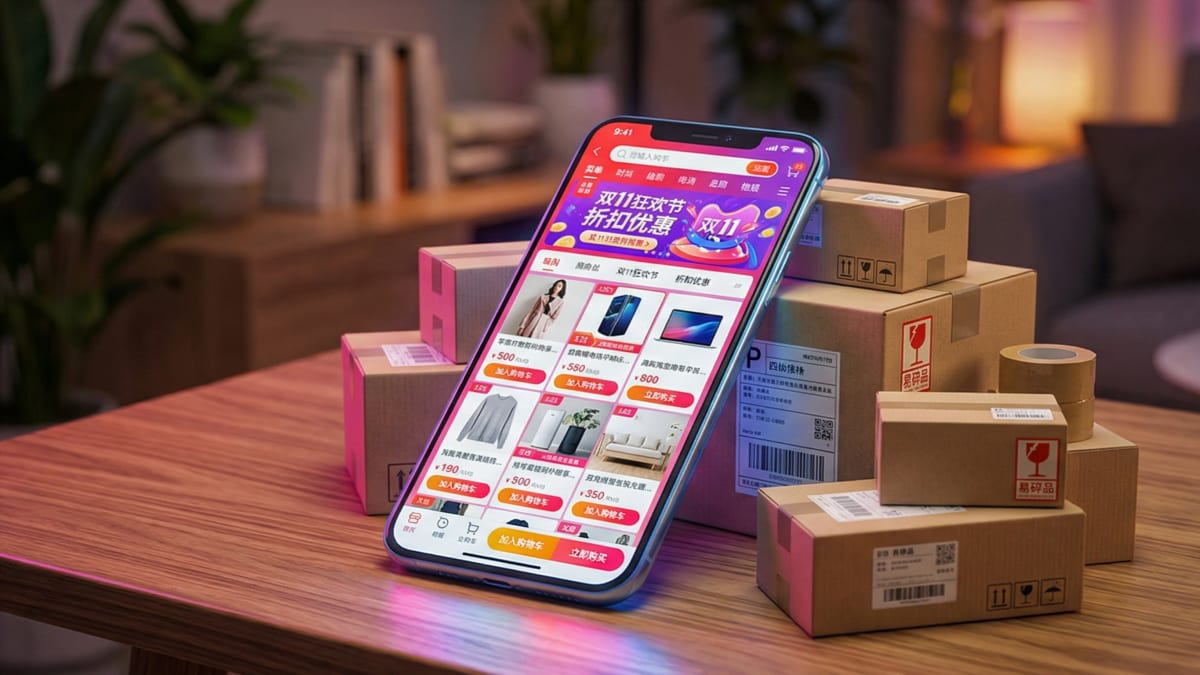
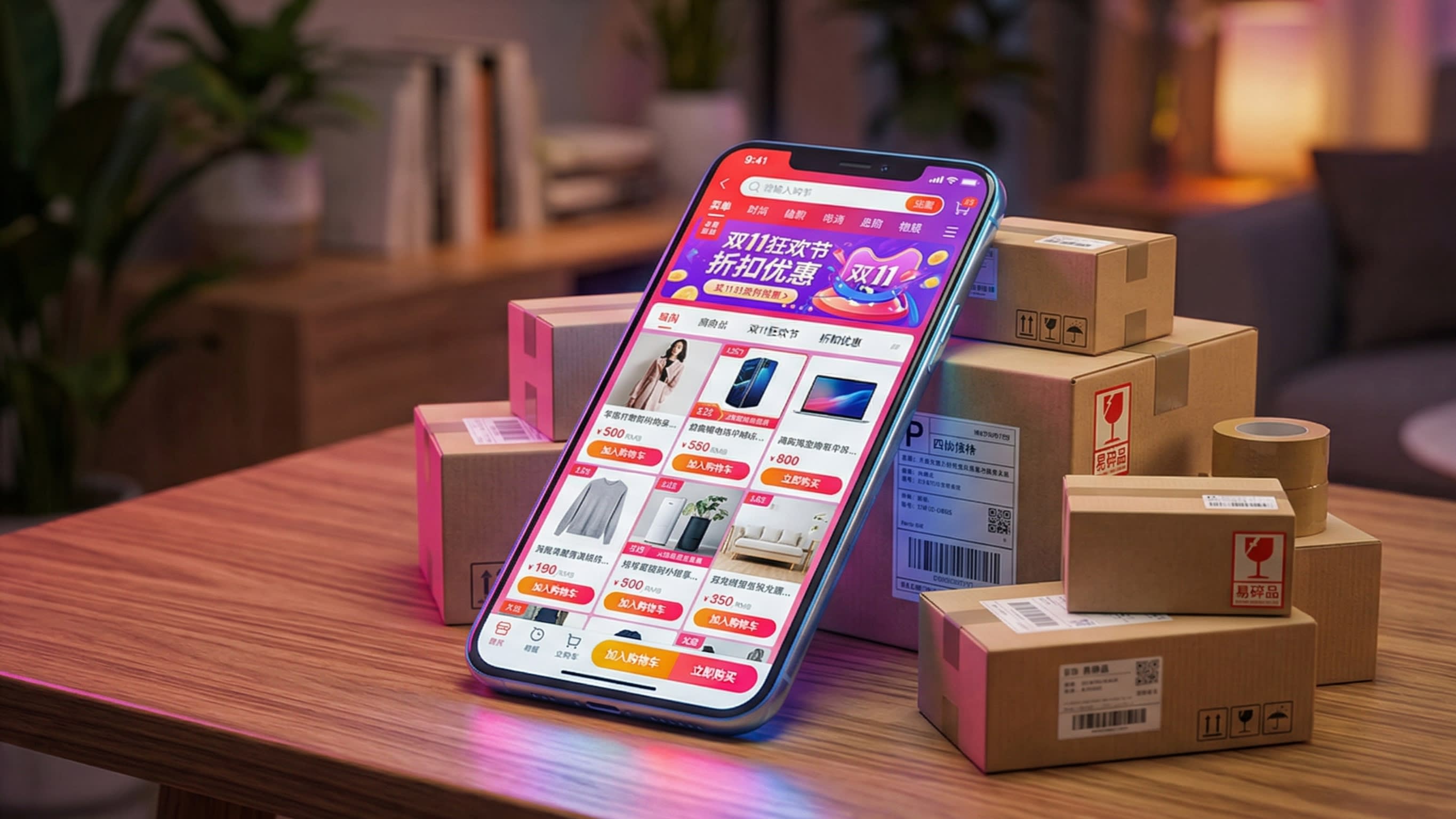
If you have spent any time living in China, you know that Taobao (淘宝) isn’t just an app—it’s the pulse of the country. I still remember my first month in Shanghai; I was completely bewildered by the sheer scale of it. I needed a simple desk lamp for my apartment, and suddenly I was scrolling through endless pages of options, from high-end ergonomic designs to industrial-looking steel fixtures. You can buy literally anything on it, from customized mechanical keyboard components to obscure regional snacks and even niche car parts. The logistics network is nothing short of a modern miracle, with packages often landing on your doorstep in under 48 hours.
However, for a non-native speaker, opening the Taobao interface for the first time feels a bit like staring into the Matrix. It is bright, loud, crowded, and completely in Chinese. Unlike the sterile “Buy Now” experience of Western giants like Amazon, shopping in China is a deeply interactive, social process.
Before I commit to an order, I almost always chat with the store’s customer service (客服 - Kèfú). I’ve learned that this is where the real magic happens. By messaging the seller, I can confirm actual product dimensions, request unedited photos, or even negotiate a better price. If you aren’t using the chat function, you’re missing out on the best part of the experience. It transforms a lonely click-and-wait task into a genuine human interaction that reveals the true, vibrant, and surprisingly patient heart of Chinese business culture.
1. Why is Everyone Calling Me “Dear”? (The “Qin” Culture)
The second you open a chat window, you’ll be greeted by an automated message starting with the word 亲 (Qīn).
- “亲,在吗?” (Qīn, zài ma? - Dear, are you there?)
- “亲,请问需要什么帮助?” (Qīn, qǐngwèn xūyào shénme bāngzhù? - Dear, how can I help you?)
“Qin” is an abbreviation of Qīn’ài de (亲爱的), which translates to “Dear” or “Darling.” To an outsider, an automated system calling you “Darling” might feel strange, but in the context of Chinese e-commerce, it is the ultimate signal of professional warmth. Alibaba popularized this during the platform’s early days to build trust between anonymous parties, and today, it is the standard for polite service. Using it back makes you sound like a savvy, long-term resident of the Taobao ecosystem. It is a linguistic hug that keeps the digital transaction grounded in social courtesy.
2. Navigating the UI: Essential Vocabulary
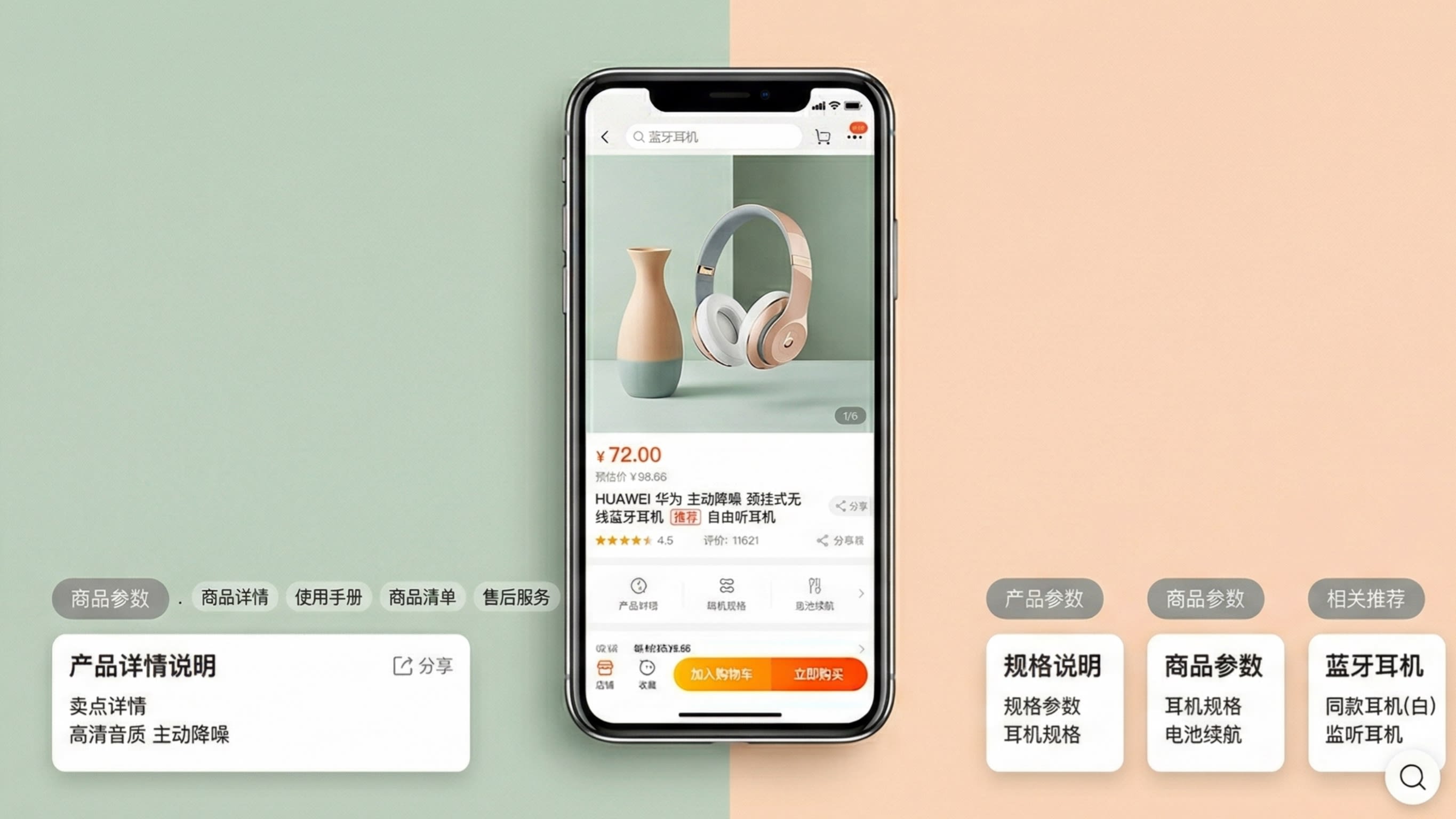
Before you dive into the DMs, you need to master the buttons. These are your navigational anchors:
- 购物车 (Gòuwùchē) - Shopping Cart. Literally, the “buy things vehicle.”
- 加入购物车 (Jiārù Gòuwùchē) - Add to Cart.
- 立即购买 (Lìjí Gòumǎi) - Buy Now.
- 客服 (Kèfú) - Customer Service. Look for the headset or smiley face icon.
Pro Tip: Never buy clothing without checking the 尺码表 (Chǐmǎ biǎo - Size Chart). I once ordered a sweater based on my usual “Medium” sizing, only to realize that Chinese sizing runs much smaller. A local “XL” is often a Western “Medium.” It is the classic expat rite of passage to end up with a sweater that fits a small child, so always double-check those centimeters against your own measurements!
3. Copy-Paste Templates: Talking to Sellers
When I’m unsure about a product, I open the Kefu chat and keep things simple. Feel free to copy and paste these phrases directly.
Checking Inventory (Is it actually there?)
Sometimes listings remain active even when stock is low. I always ask to be safe:
- Chinese: 亲,请问这个有现货吗?
- Pinyin: Qīn, qǐngwèn zhège yǒu xiànhuò ma?
- Meaning: Dear, is this in stock?
Asking for Size Recommendations
Don’t guess. Provide your specs and let them suggest the best fit. I often find that merchants are surprisingly honest about whether a style runs small or large.
- Chinese: 我身高 [180] 厘米,体重 [80] 公斤,请问推荐什么尺码?
- Pinyin: Wǒ shēngāo [180] límǐ, tǐzhòng [80] gōngjīn, qǐngwèn tuījiàn shénme chǐmǎ?
- Meaning: My height is 180cm, weight 80kg, what size do you recommend?
Requesting “Real” Photos
Product photos are often heavily polished. I’ve found that asking for an 实拍图 (Shípāi tú - real photo) often gets me a raw, unfiltered snapshot taken right from the warehouse floor. It’s the difference between a studio fantasy and the real fabric in your hands.
4. The Art of E-Commerce Bargaining
Can you bargain on Taobao? Absolutely. While you won’t get far with massive flagship stores, independent sellers are often happy to negotiate if you are buying in bulk or have been a repeat customer. It’s not about being cheap; it’s about participating in the local culture of “give and take.”
- Discount Request: “亲,我想多买几个,能便宜点吗?” (Qīn, wǒ xiǎng duō mǎi jǐ gè, néng piányi diǎn ma? — Dear, I want to buy a few, can it be a bit cheaper?)
- Free Shipping (包邮 - Bāoyóu): “现在下单的话,可以包邮吗?” (Xiànzài xiàdān de huà, kěyǐ bāoyóu ma? — If I order now, can I get free shipping?)
- Small Gifts: “能送个小礼物吗?” (Néng sòng gè xiǎo lǐwù ma? — Can you throw in a small gift?)

5. After-Sales: Urging and Returns
Sometimes things go wrong. Perhaps the shipping is delayed, or a piece is missing from your storage organizers. The key is to remain polite but clear.
- Urging Shipping: “亲,麻烦尽快发货,谢谢。” (Qīn, máfan jǐnkuài fāhuò, xièxiè. — Dear, please ship as soon as possible, thank you.)
- Missing Items: “包裹收到了,但是好像少发了一件东西。” (Bāoguǒ shōudào le, dànshì hǎoxiàng shǎo fā le yí jiàn dōngxi. — I received the package, but something seems to be missing.)
- Returns: “尺码不太合适,我想申请退货。” (Chǐmǎ bù tài héshì, wǒ xiǎng shēnqǐng tuìhuò. — The size isn’t right, I’d like to apply for a return.)
6. The Taobao Survival Cheat Sheet
Keep this reference handy to navigate your shopping experience with confidence.
| Context | Chinese Phrase | Pinyin | Meaning |
|---|---|---|---|
| Greeting | 亲,在吗? | Qīn, zài ma? | Dear, are you there? |
| Stock Check | 有现货吗? | Yǒu xiànhuò ma? | Is this in stock? |
| Bargaining | 可以包邮吗? | Kěyǐ bāoyóu ma? | Free shipping? |
| Negotiation | 能便宜点吗? | Néng piányi diǎn ma? | Any discount? |
Final Thoughts from Meilin
Shopping on Chinese e-commerce platforms is far more than a simple transaction; it is a rapid-fire cultural exchange. By engaging with sellers, you are participating in the real, day-to-day rhythm of modern Chinese life. It helps to understand the difference between Zhidao and Dong when confirming your understanding of product specs, or even checking the hidden language of numbers if you are gifting items to partners.
So, load up your Gouwu che, take a deep breath, and start that conversation. You might find that the merchants are the most helpful people you’ll interact with all day. If you want to dive deeper into communicating like a local, you might also find my guide on how to say no without losing face useful during your negotiations. Every interaction is a step toward true fluency and a more comfortable life in China.

Disclaimer: As an Amazon Associate, ChinaCurator earns from qualifying purchases.