Disclaimer: As an Amazon Associate, we may earn a small commission from qualifying purchases made through links in this post, at no extra cost to you.
When summer temperatures in North America and Europe push past the 35°C (95°F) mark, cities often undergo a depressing transformation. The asphalt seems to radiate malice, parks are abandoned to the cicadas, and vibrant metropolitan hubs morph into ghost towns during the daylight hours. We retreat behind closed blinds, worshiping the hum of the air conditioner and pressing “pause” on our social lives until the first crisp breath of autumn.
But in China, where suffocating humidity and relentless heat have been a way of life for millennia, there is no such surrender. Fighting the sun head-on is a fool’s errand. Instead, the country masters a strategy I find infinitely more sophisticated: they simply reschedule reality.
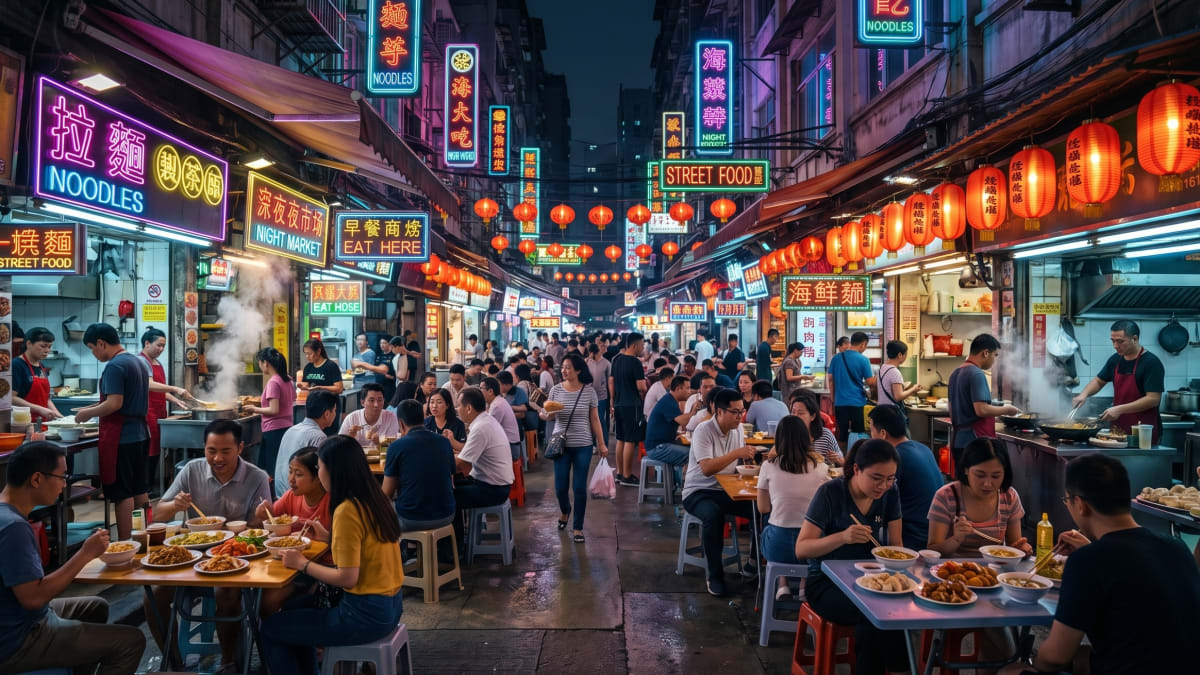
This is the art of Cuòfēng shēnghuó (错峰生活), or “Staggered Living.” By reclaiming the night, the Chinese have turned the grueling summer months into a season of neon-lit social rebirth.
🪭 1. The Nostalgia of Cheng Liang (乘凉): A Communal Retreat
Before the era of sleek, smart cooling ecosystems, summer evenings were defined by a synchronized, beautiful migration: Chéngliáng (乘凉). It translates poetically to “riding the coolness,” and it was the glue that held traditional neighborhoods together.
I still remember my first summer in an older district of Beijing. As the sun dipped, the suffocating heat of the day seemed to drain out of the concrete, and the hutongs (narrow alleyways) came to life. Families dragged folding bamboo beds, known as zhúchuáng (竹床), right out onto the pavement.
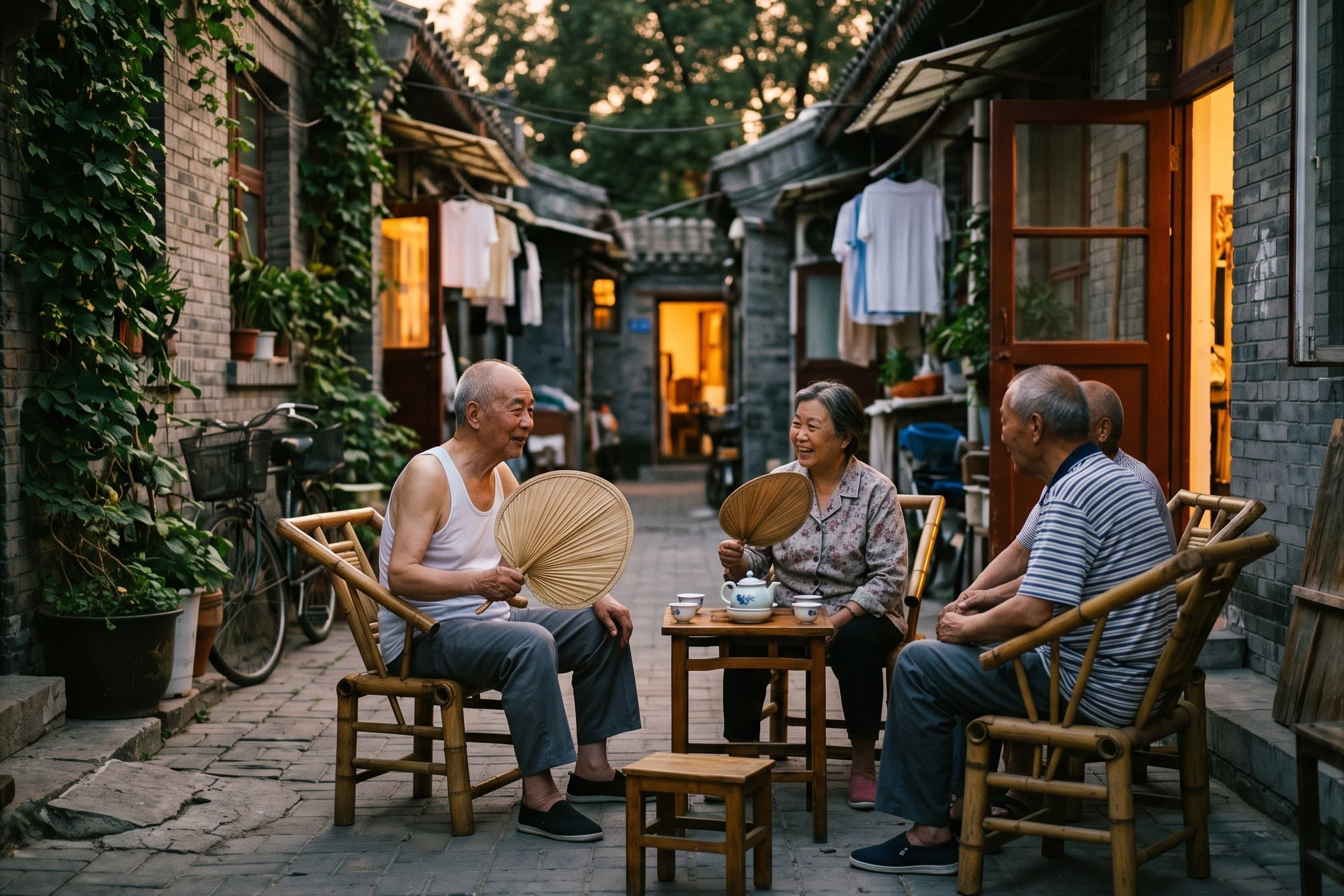
The essential kit for a Cheng Liang evening was simple: a hand-woven palm-leaf fan, or Púshàn (蒲扇), which provided a rhythmic, leathery swoosh of air, and a large enamel mug of herbal tea. It was a time for Xiàngqí (象棋), or Chinese chess, played under the shadows of ancient pagoda trees while neighbors traded gossip like currency. For a taste of how traditional methods still influence comfort, you can read more about physical cooling artifacts for summer survival.
While modern AC units have brought a different kind of convenience, that deep-seated cultural urge to reclaim the outdoors the moment the mercury drops is still the heartbeat of the Chinese summer.
🌃 2. The Modern Evolution: China’s Sizzling Night Economy (夜经济)
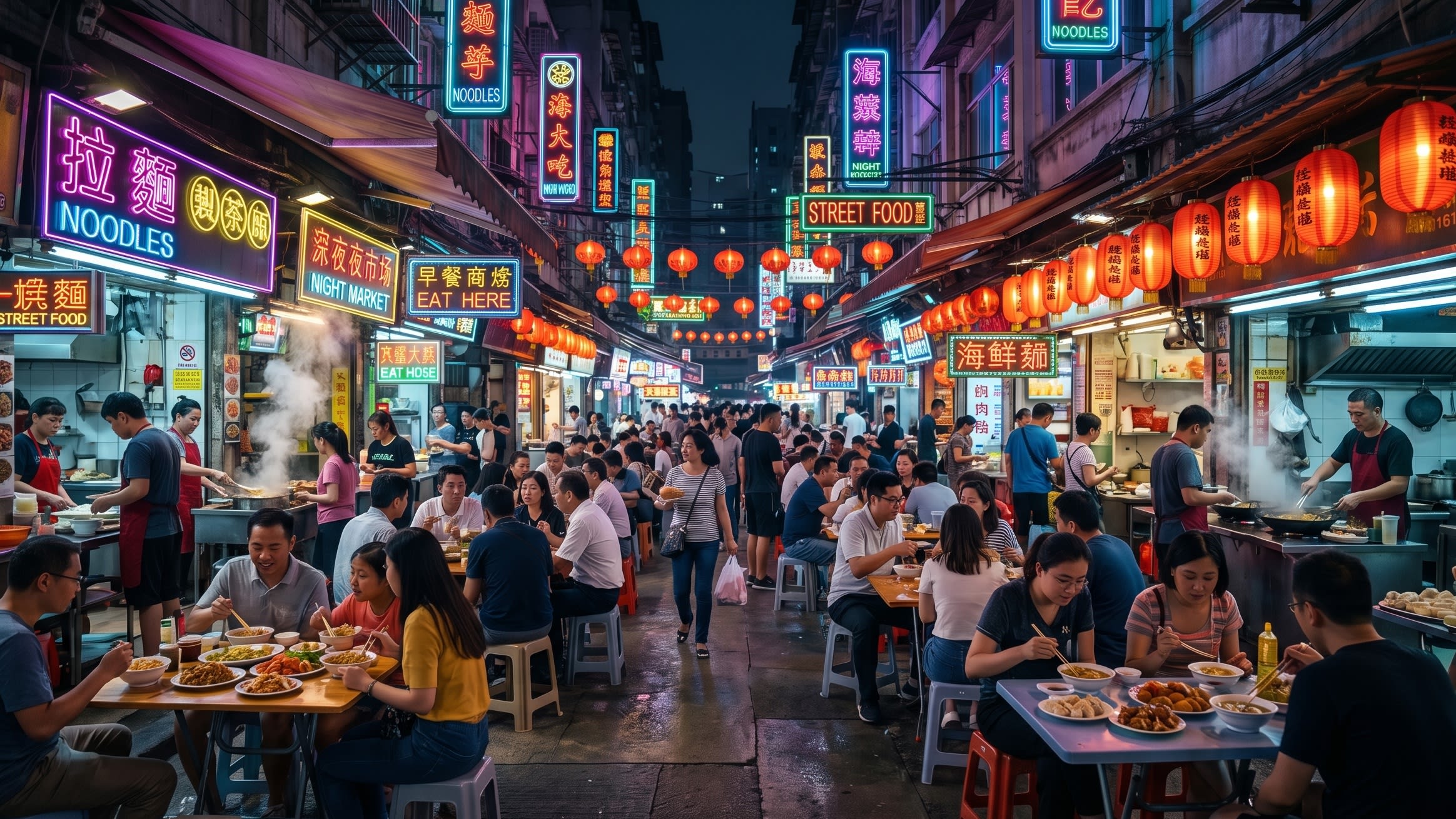
Today, Cheng Liang has evolved into the Yè jīngjì (夜经济)—the Night Economy. In Tier-1 cities, the true pulse of the day doesn’t start until 8:00 PM.
Da Pai Dang (大排档) and the Midnight Diners
When the air finally softens, the streets explode with the intoxicating scent of charcoal smoke and cumin. This is the Yānhuǒqì (烟火气), a term for the “smoke and fire of daily life.” It’s the sensory equivalent of a warm hug: the sizzle of fat dripping onto glowing coals, the clinking of beer glasses, and the low roar of a thousand conversations.
Tables are crammed with:
- Xiǎolóngxiā (小龙虾): Mountains of spicy, garlic-drenched crawfish.
- Shāokǎo (烧烤): Charcoal-grilled skewers of lamb and roasted eggplant.
- Zhāpí (扎啤): Pitchers of ice-cold draft beer that vanish as quickly as they are served.
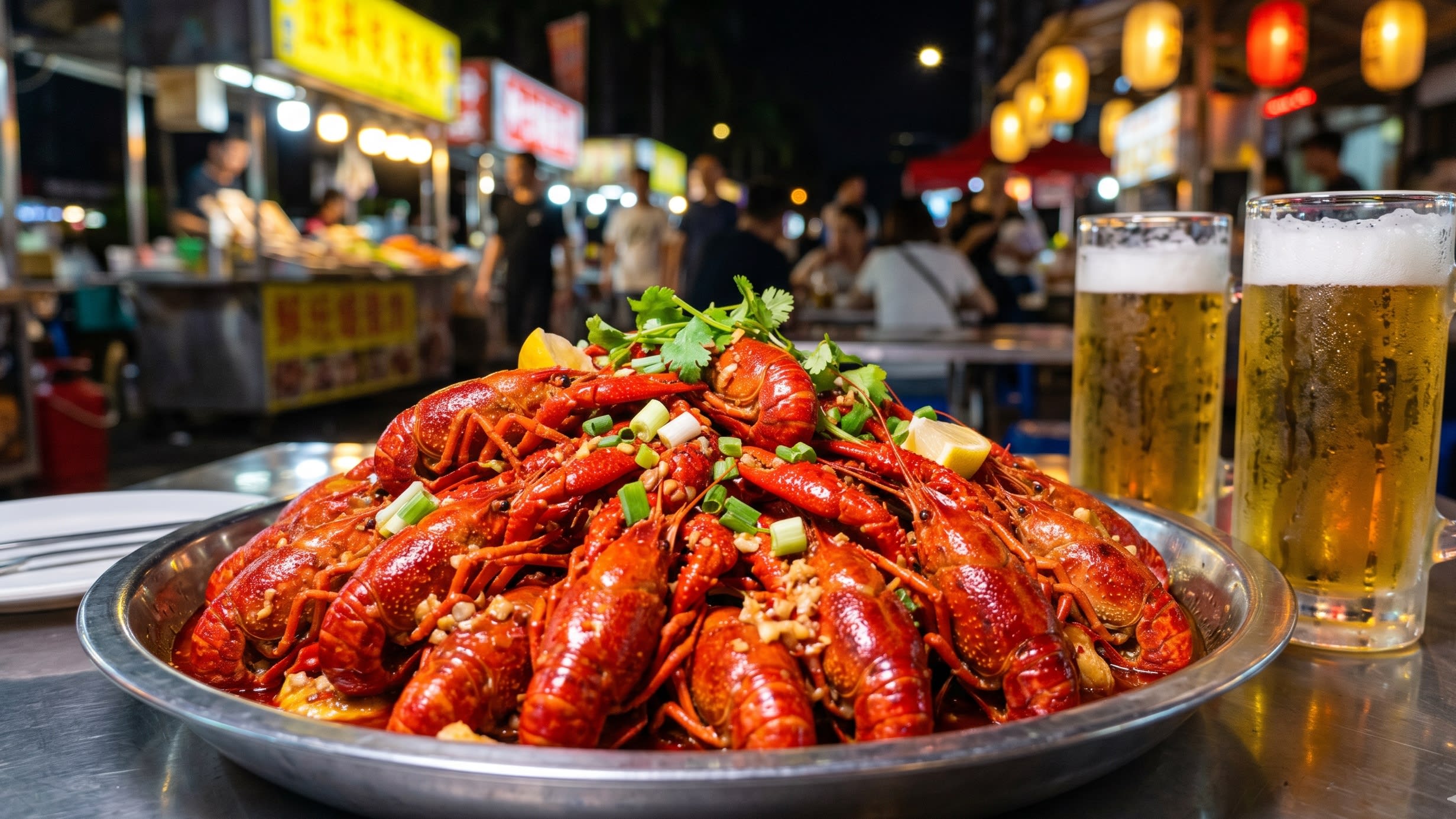
If you’re looking to recreate this environment, you’ll find that a proper outdoor grill is the cornerstone of the experience. Peeling crawfish with your hands at 2:00 AM isn’t just dinner; it’s a form of high-stakes therapy for the modern urbanite. For those interested in the culinary secrets behind these meals, you might enjoy learning about the secret cooling diet that keeps the locals balanced.
💃 3. Guangchang Wu (广场舞) and Nighttime Fitness
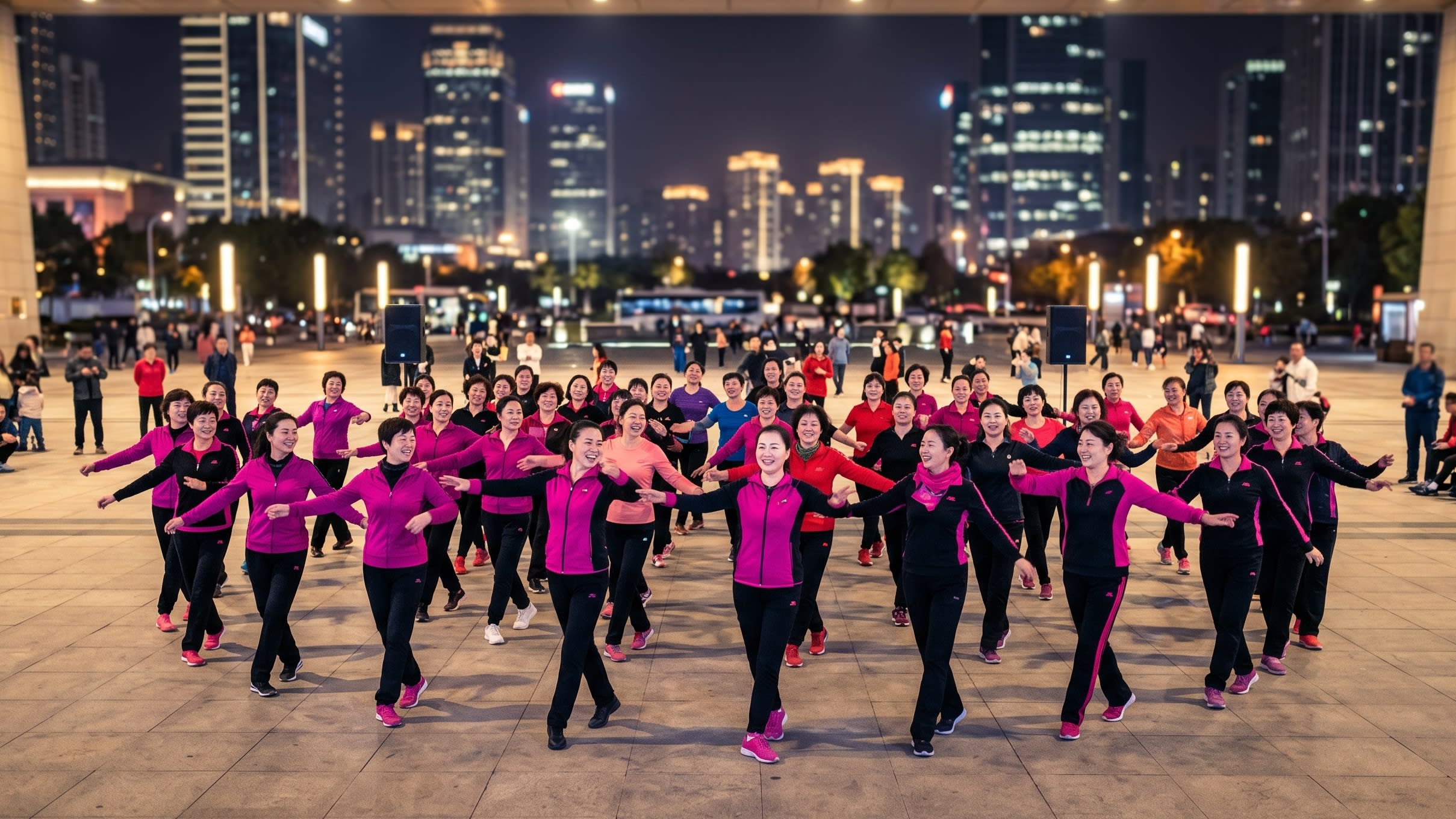
While the younger crowd dominates the food stalls, the public plazas are the domain of the Aunties and Uncles. Enter the Guǎngchǎng wǔ (广场舞), or “Square Dancing.”
At dusk, you’ll hear the thumping bass of pop music before you see the dancers. High-powered Bluetooth speakers illuminate the square in flashes of neon. It is a mesmerizing, highly organized ritual that turns lonely seniors into a rhythmic, moving community. It’s not just exercise—it’s social insurance against isolation.
Meanwhile, in the parks, the youth are reclaiming the space for Yèpǎo (夜跑)—night running. By moving their cardio to the dark, they avoid the scorching UV index, keeping their fitness routines safe and effective.
🌍 4. How to Adopt “Staggered Living” in the West
You don’t need to be in Shanghai to benefit from this wisdom. If your summer feels like a prison, try shifting your perspective:
- Reclaim the Evening: Stop trying to force social events into the blistering midday sun. Plan your dinner parties for after 7:30 PM. A garden gathering lit by outdoor string lights feels intimate and indulgent, not sweaty and strained.
- Night-Ops Fitness: If your morning jog leaves you drained and sunburned, move it to the evening. Bring a lightweight LED lantern if you’re running on trails, and embrace the cooler, quieter air.
- Banish the Pests: If you’re going to live like the locals, you’ll need to handle the evening guests. Keep some mosquito repellent incense handy to ensure your night air remains serene.
💬 5. Essential Night Economy Vocabulary
| The Term | Pinyin | Context |
|---|---|---|
| Staggered Living | Cuòfēng shēnghuó | Shifting your schedule to avoid the heat. |
| Night Economy | Yè jīngjì | The late-night commercial buzz. |
| Open-Air Stalls | Dàpáidàng | Where the real night food happens. |
| Smoke & Fire | Yānhuǒqì | The warm, bustling vibe of human life. |
Final Thoughts from Hao
There is a rebellious joy in a Chinese summer night. When the sun acts as a tyrant all day, the sunset isn’t just an end—it’s an invitation. By dancing around the sun rather than battling it, you can unlock a lifestyle that feels less like surviving and more like thriving. So, the next time the heatwave hits, don’t retreat. Go find your Yanhuoqi.