🍋 Introduction: The Retro Takeout Legend
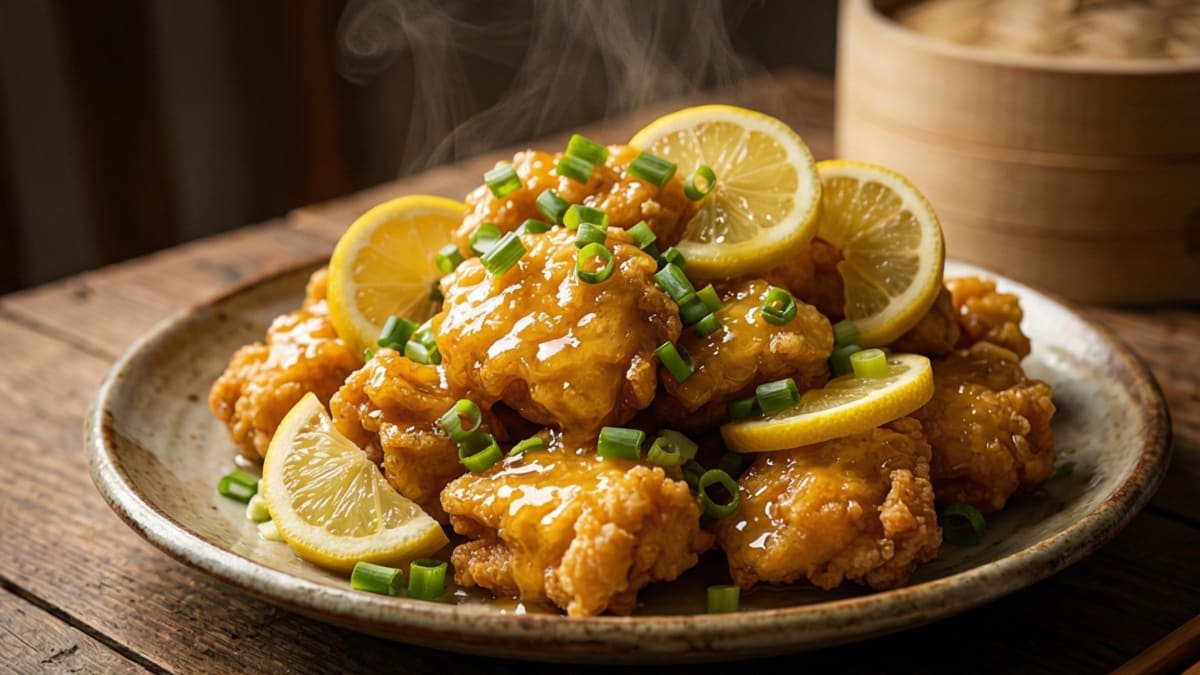
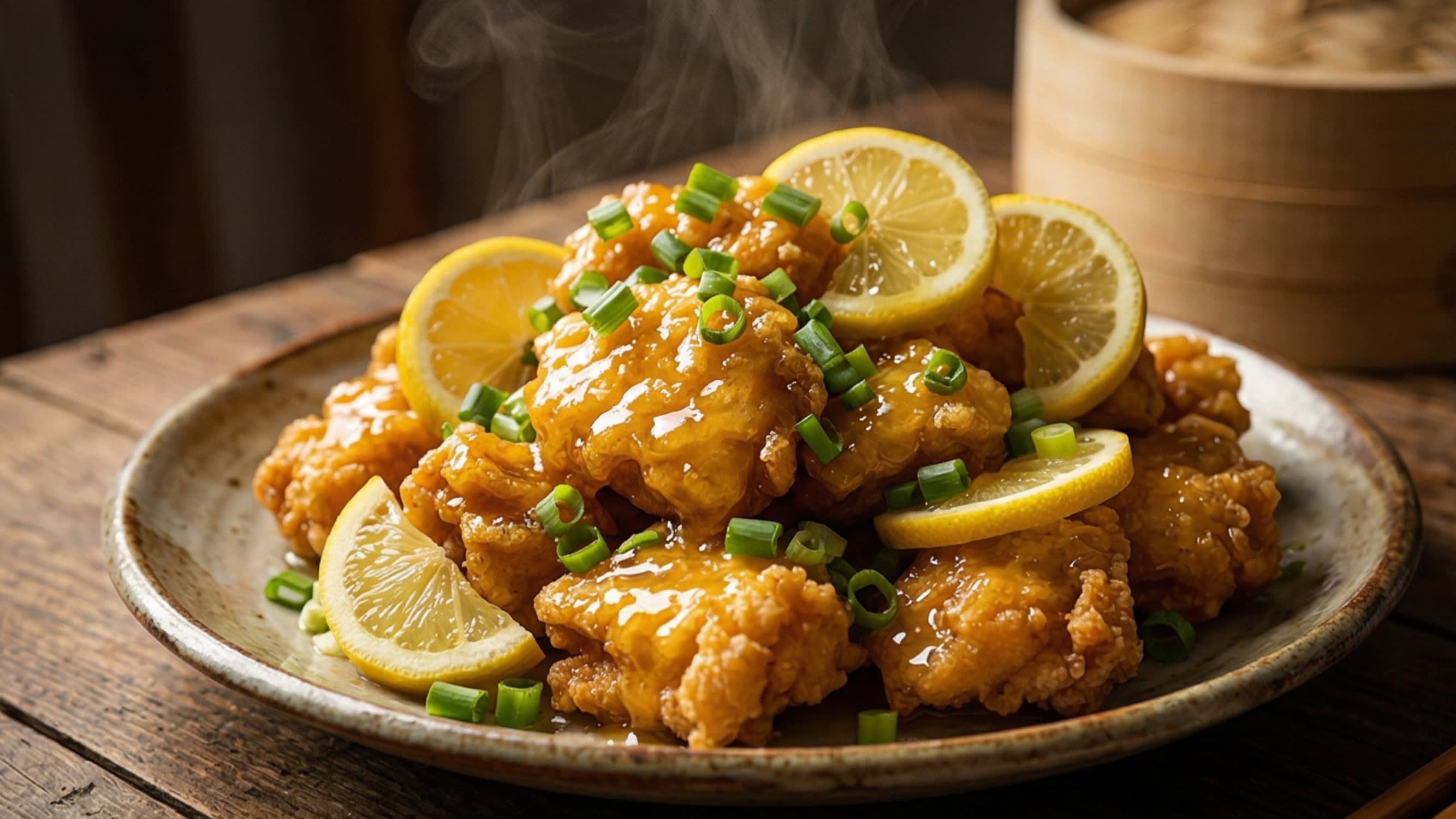
If you close your eyes and think of the golden era of Chinese-American takeout dining, a few iconic images immediately come to mind: red paper lanterns, the clatter of a heavy metal spatula against a seasoned wok, and a steaming platter of bright, sunshine-yellow Lemon Chicken (柠檬鸡 - Níngméng Jī).
For decades, this dish has been the ultimate comfort food for those who crave a bright, fruity, and tangy alternative to the deep, savory, soy-based sauces of other stir-fries. When executed correctly, it is a magnificent textural experience: massive, juicy chunks of chicken encased in a shatteringly crisp crust, smothered in a vibrant, sweet, sour, and intensely citrusy glaze.
However, its reputation has suffered immensely over the years. If you order Lemon Chicken today from a low-quality takeout joint, you are often met with a box of soggy, heavily breaded chicken swimming in a thick, neon-yellow syrup that tastes suspiciously like artificial candy or, heaven forbid, dish soap.
Today, we are taking this beloved classic back to its glorious roots. We are going to banish the artificial extracts and bottled juices forever. I am going to teach you the culinary science of extracting pure citrus essential oils, the restaurant secret to an indestructible crispy batter, and how to perfectly balance the glaze so it tastes like a gourmet, savory triumph, not a dessert.
🔬 The Science of the Sauce: Zest, Juice, and Broth
The heart and soul of this dish is, obviously, the lemon. Yet, the biggest mistake home cooks make is relying entirely on the juice. To create a multidimensional, restaurant-quality glaze, you must master three distinct components.
1. The Magic of the Zest (柠檬皮屑 - Níngméng Píxiè)
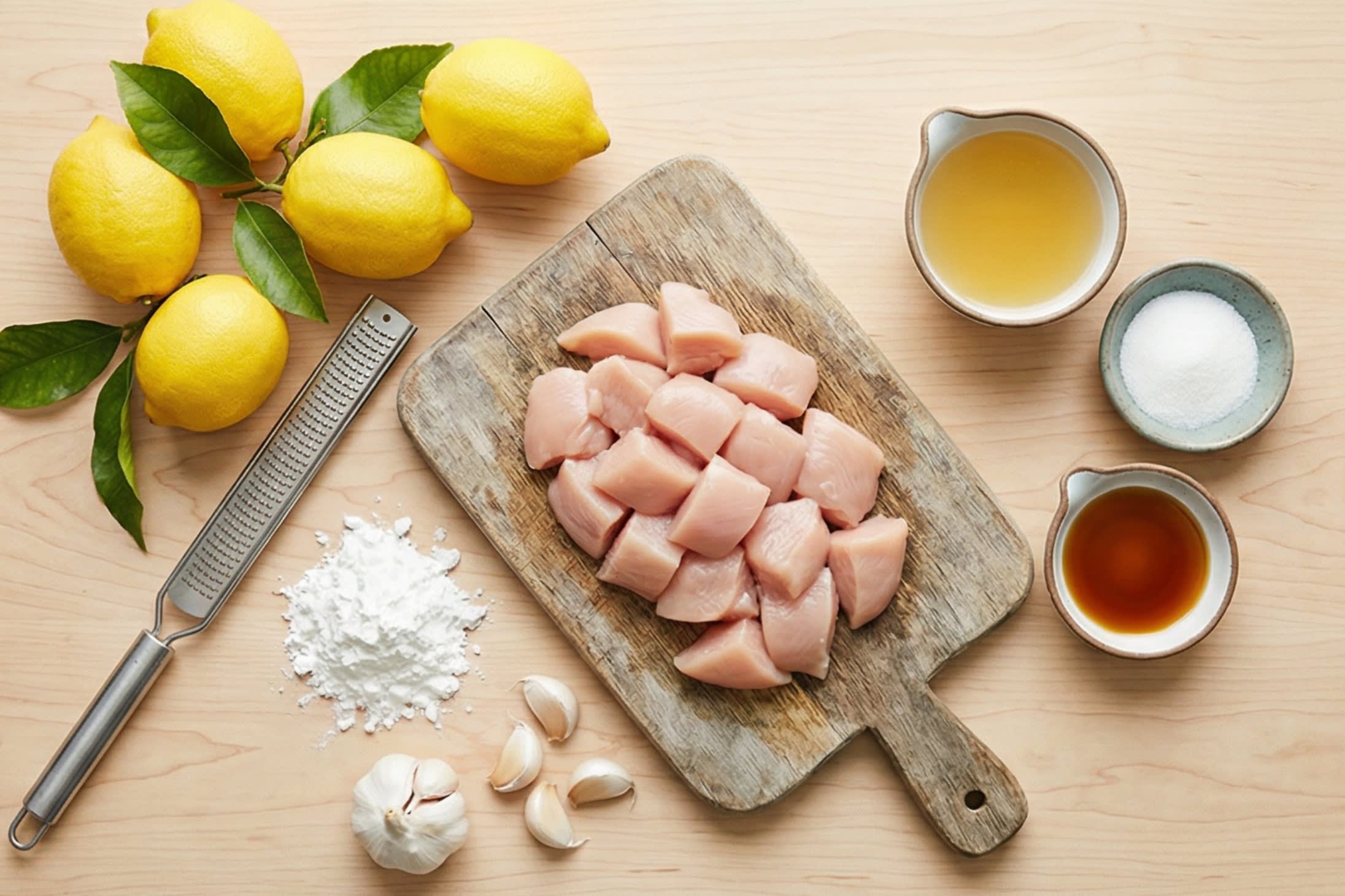
The juice of a lemon provides acidity, but the intoxicating, floral aroma—the very soul of the fruit—lives exclusively in the skin. The bright yellow rind is packed with volatile essential oils. You absolutely must use a high-quality microplane zester to grate fresh Lemon Zest (柠檬皮屑) directly into your sauce. This creates a vibrant, explosive citrus experience that artificial extracts simply cannot replicate.
Pro Tip: Use a light touch! The white pith (the sponge beneath the yellow skin) is incredibly bitter and will ruin your sauce if you grate too deeply.
2. The Savory Balancer
If your sauce is just lemon juice, sugar, and vinegar, it will taste like lemonade. Authentic Chinese sweet and sour profiles (糖醋 - Tángcù) require a savory anchor to ground the high-pitched citrus notes. By incorporating a high-quality chicken broth and a splash of light soy sauce, you bridge the gap between “fruit salad” and “gourmet dinner.”
🍗 The Indestructible Crust: “Guahu” and Double Frying
To ensure your chicken doesn’t turn into a soggy mess the second the glaze touches it, we employ two foundational Chinese deep-frying techniques.
The Batter (挂糊 - Guàhú)
Forget all-purpose flour; it contains gluten, which acts like a sponge for liquid. Instead, we use pure Cornstarch (玉米淀粉). When mixed with egg and a splash of soy sauce, it creates a microscopic, glass-like shell around the chicken. This technique, known as Guàhú, ensures the crust remains impermeable and satisfyingly crunchy.
The Double Fry (复炸 - Fùzhá)
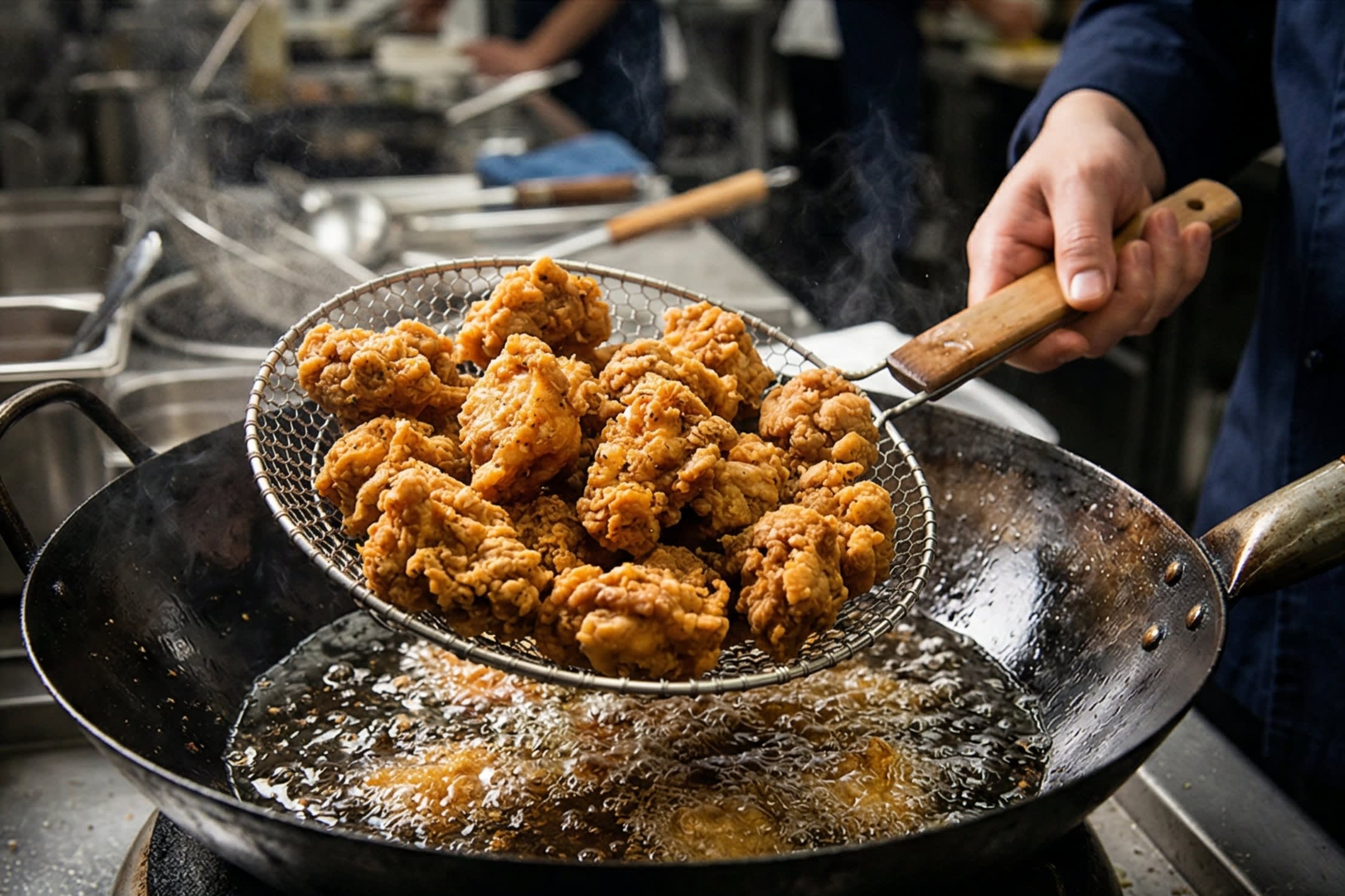
This is the non-negotiable secret to achieving the legendary Wàisū lǐnèn (外酥里嫩 - crispy outside, tender inside) texture. We fry the chicken once at 350°F to cook the meat through, then let it rest. Finally, we return the chicken to 400°F oil for just 60 seconds. This flash-fry drives out all residual surface moisture, resulting in a shatteringly crisp exterior.
| Technique | Purpose |
|---|---|
| Guahu (Batter) | Creates a moisture-repellent, glass-like barrier around the meat. |
| Fuzha (Double Fry) | Ensures tenderness inside while maximizing the shatteringly crisp exterior. |
🛒 Ingredients List
The Chicken & Marinade:
- 1.5 lbs (about 700g) Boneless, Skinless Chicken Breasts (鸡胸肉 - Jīxiōngròu). Cut into large, 1.5-inch bite-sized chunks.
- 1 tbsp Light Soy Sauce
- 1 tbsp Shaoxing Cooking Wine
- 1 large Egg
The Crispy Coating (挂糊):
- 1 cup Cornstarch (玉米淀粉)
- 1/2 tsp Salt
- 1/4 tsp White Pepper powder
The Ultimate Fresh Lemon Glaze:
- The Zest of 1 large fresh Lemon (柠檬皮屑)
- 1/3 cup Freshly Squeezed Lemon Juice (about 2 lemons)
- 1/2 cup High-Quality Chicken Broth
- 1/3 cup Granulated Sugar (糖)
- 1 tbsp Rice Vinegar or White Vinegar
- 1 tsp Light Soy Sauce (生抽)
- 1.5 tbsp Cornstarch (for thickening)
- 1 tbsp Water (for the slurry)
The Aromatics & Frying:
- 4 cups high-heat Cooking Oil, such as peanut or vegetable oil
- 2 cloves Garlic, finely minced (蒜末)
- 1 tsp fresh Ginger, finely minced (姜末)
- Fresh Lemon slices and Scallions (葱花) for garnish
🍳 Step-by-Step Instructions
- Prep and Marinate: Place the chicken chunks in a bowl with soy sauce, Shaoxing wine, and the egg. Massage thoroughly and let it rest for 15 minutes.
- Batter: Whisk the cornstarch, salt, and pepper. Press the marinated chicken firmly into the starch to ensure a solid coating. Shake off excess.
- The Glaze Base: Whisk the lemon juice, zest, broth, sugar, vinegar, and soy sauce in a small bowl. Prepare your cornstarch slurry (1.5 tbsp starch + 1 tbsp water) in a separate tiny dish.
- The First Fry: Heat 4 cups of oil in a carbon steel wok to 350°F. Fry in two batches for 4–5 minutes until pale and firm. Remove and set on a wire rack.
- The Second Fry (Fuzha): Increase oil heat to 400°F. Carefully drop the rested chicken back in for 60–90 seconds until deep golden. Drain well on the rack using a spider strainer.
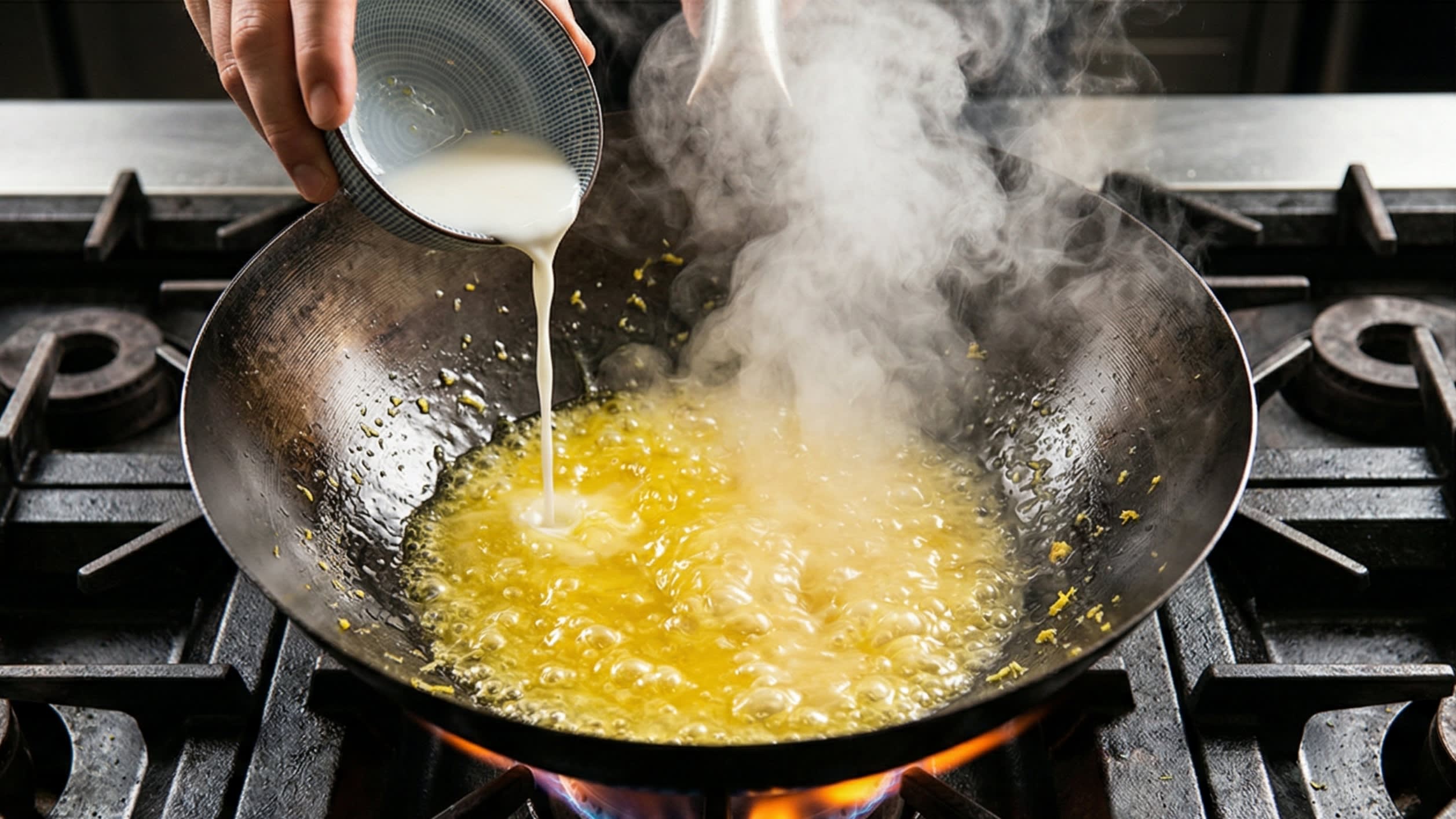
- Create the Glaze: Pour out the oil, leaving just a teaspoon. Sauté the ginger and garlic for 10 seconds. Pour in the glaze base and bring to a lively boil.
- Thicken (Gōuqiàn): Stir your cornstarch slurry and pour it into the boiling sauce. It will thicken into a rich, glossy syrup in seconds.
- Combine and Serve: Immediately toss the chicken in the glaze or pour it over for maximum crispiness. Garnish with scallions and lemon wheels.
💡 Pro Tips for Success
- Master the Zest: Remember, bitterness comes from the pith, not the yellow skin. Only graze the surface with your zester!
- Patience Pays Off: Never skip the rest time between the first and second fry. This cooling period is exactly when the internal moisture stabilizes, allowing the final flash-fry to create that perfect contrast of textures.
- Serving Strategy: If you are not serving immediately, keep the glaze and the crispy chicken separate. Recombine them at the very last second. This is how high-end kitchens ensure the dish never arrives at the table soggy.
If you enjoy mastering the crunch of fried dishes, you might also want to try my guide on The ULTIMATE Crispy Shredded Beef or the secret techniques behind Authentic Chinese Potstickers (Guotie). Both use these same fundamental principles of starch coating and precise temperature control.
🎥 Watch the Restaurant Technique
Disclaimer: As an Amazon Associate, ChinaCurator earns from qualifying purchases.