
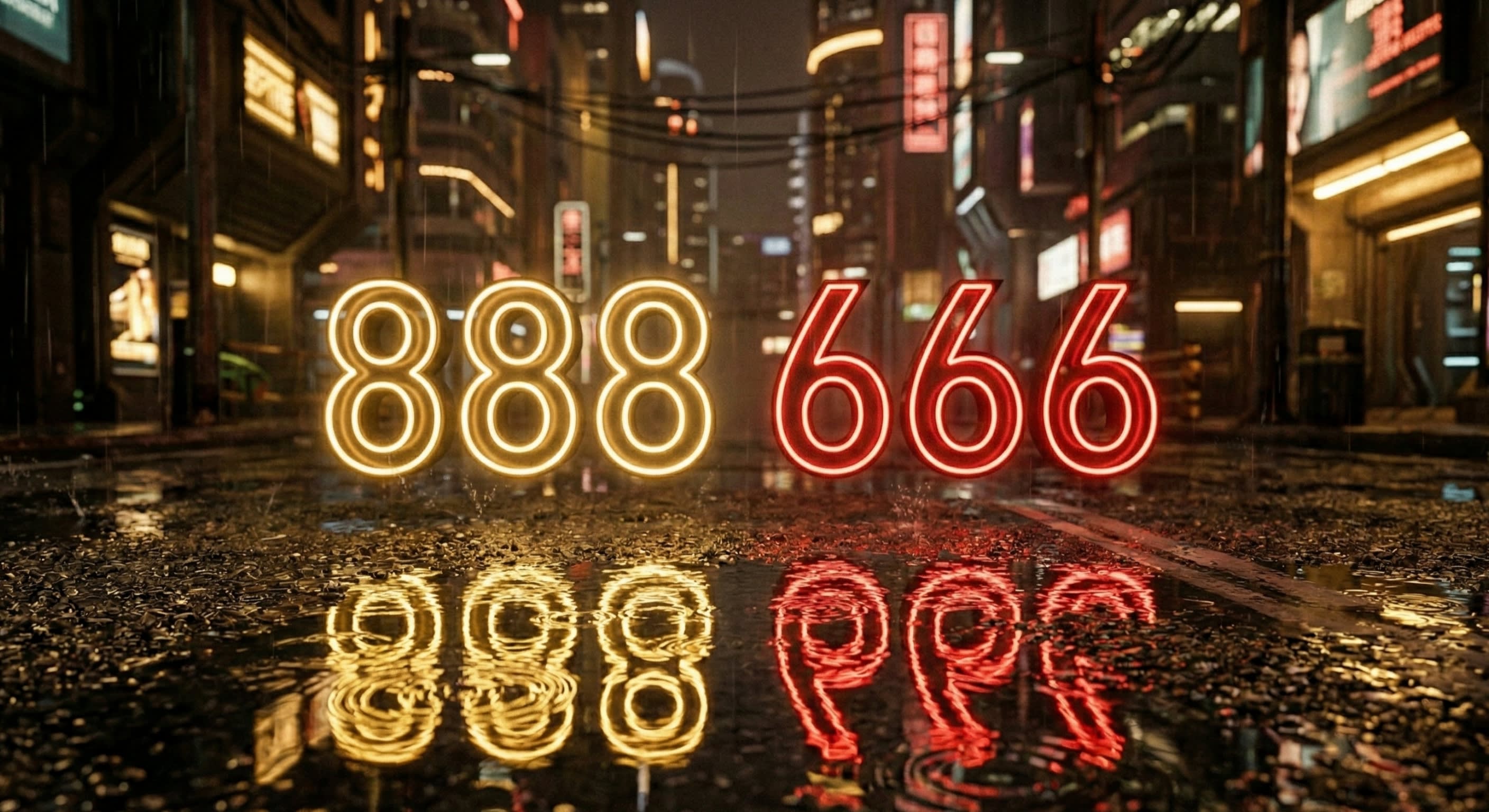
When I first arrived in China, I assumed numbers were universal—cold, hard facts used to track time or balance a budget. I was wrong. In this country, digits carry a pulse, a weight, and an emotional history. Whether you are ordering a bowl of noodles, picking a date for a meeting, or choosing a seat on a high-speed train, you are inevitably participating in a sophisticated, invisible system of numerology.
The heart of this system lies in xiéyīn (谐音), or homophony. In Chinese, if two words sound similar, they are often linked in the collective consciousness. If a number sounds like a blessing, it becomes a magnet for prosperity; if it mimics a curse, it is treated like an unwanted guest. Navigating this is not just about avoiding social faux pas; it is about understanding how Chinese society encodes luck, ambition, and humor into its everyday life.
1. The Shadow of the “4”: Avoiding the Unlucky Digit
Let us be clear: the number 4, or sì (四), is the Voldemort of the Chinese numerical world. It is feared, avoided, and systematically erased from architecture.
The reason is simple yet chilling. The pronunciation of sì (four) is unnervingly close to sǐ (死), the Chinese word for “death.” While the tones differ—four is in the fourth tone, while death is in the third—the auditory similarity is enough to make many people shudder.
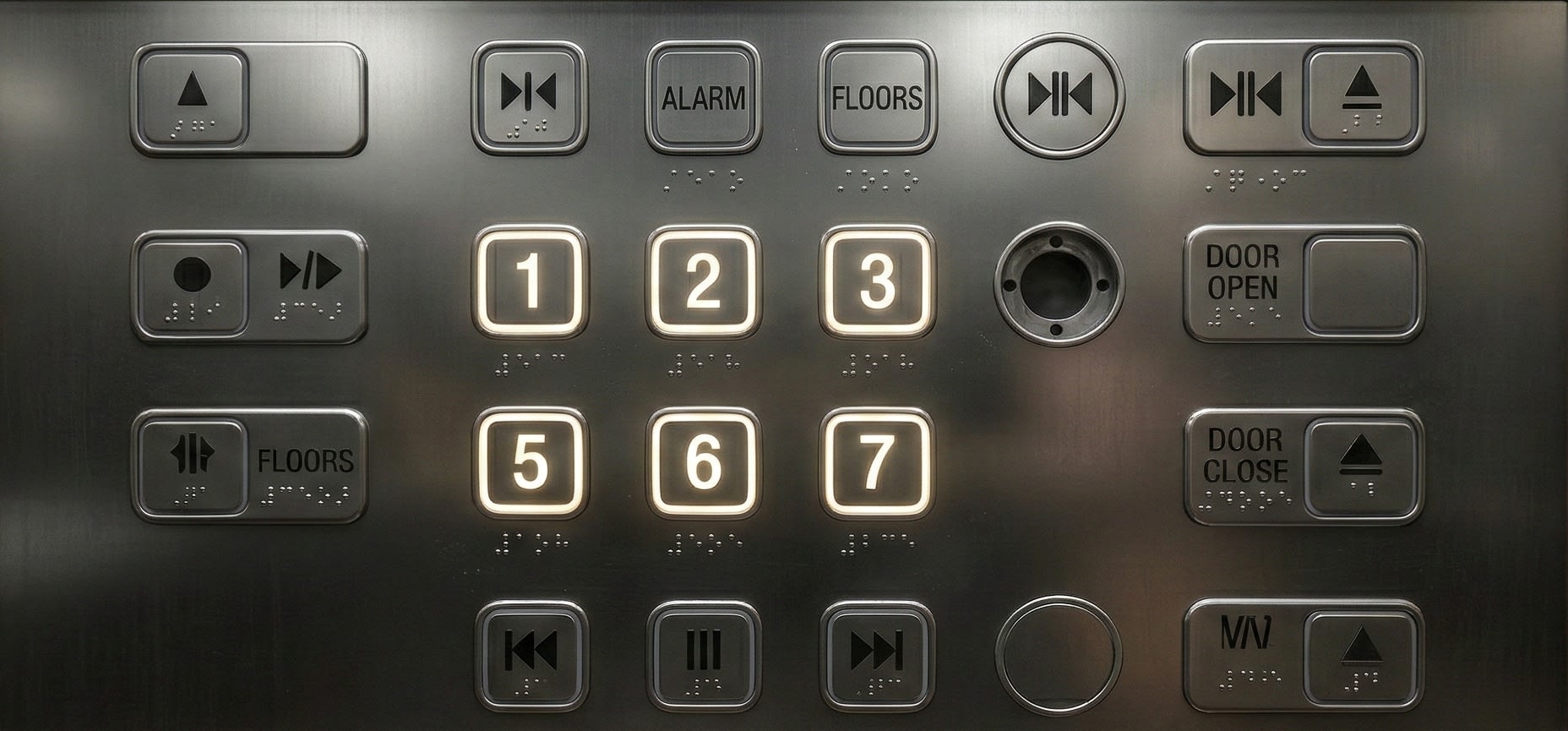
I remember walking into a high-rise office building in Shanghai for an interview and glancing at the elevator panel. My finger hovered over the buttons: 1, 2, 3… and then straight to 5. The fourth floor simply didn’t exist in the eyes of the building manager. If it does exist, you will often find it labeled as “3A.” This isn’t just a quirk; it’s a standard design choice to keep the building’s “feng shui” comfortable for tenants.
If you are gifting a set of items to a local partner, please, spare yourself the awkwardness—never give a set of four. Whether you are offering a high-end tea set or traditional collectibles, stick to pairs, sixes, or eights.
2. The Golden “8”: The Soundtrack of Prosperity
If 4 is the nightmare, 8 is the dream. The number 8, bā (八), is the undisputed king of Chinese numerology. In Mandarin and many regional dialects, it resonates perfectly with fā (发), as in fācái (发财), which means to become wealthy or strike it rich.
Everywhere you go, you see the stamp of the 8. Look at the pricing in the local supermarket—you won’t see tags ending in .99 as we do back home. Instead, everything ends in .88. A humble piece of fruit or a ceramic bowl won’t be priced at a round number; it will be tagged as jiǔ kuài bā (9.8 RMB).
The obsession peaks with vehicle license plates. I once sat with a friend who was agonized over his new car registration. He wasn’t worried about the engine or the fuel efficiency; he was fixated on whether the plate would contain a string of eights. A plate like “A88888” isn’t just a string of digits; it’s a status symbol that screams financial success.
3. The “Smooth” Life: Why 6 is More Than a Number
The number 6, liù (六), is the embodiment of ease. It sounds like liū (溜), which means “smooth” or “flowing.” We all want our lives and businesses to go smoothly, which is why the phrase liùliù dàshùn (六六大顺)—roughly translating to “everything is perfectly smooth”—is so deeply cherished.
But here is where the culture shifts from traditional to digital. In the vibrant, fast-paced world of Chinese social media, 666 has become a cultural icon.
If you watch a livestream or scroll through WeChat, you will see “666” plastered everywhere. It isn’t a reference to the occult. It is the internet shorthand for “That is amazing!” or “You are a master of this!” If a friend pulls off a difficult task or makes a clever joke, type “666.” It’s the ultimate digital pat on the back. For those looking to understand the broader context of how locals communicate online, I highly recommend reading my guide on Chinese internet slang.
4. The Romantic “9”: Love That Stands the Test of Time
Finally, we come to the number 9, jiǔ (九). It shares its sound with jiǔ (久), meaning “long-lasting” or “eternal.” If 8 is about wealth, 9 is about the heart.
When I first learned about this, I was struck by the poetry of it. On Valentine’s Day or during a wedding, you will rarely see people gifting a dozen roses. Instead, they go for 99 roses. It’s a literal way of saying “I want our love to last forever” (chángcháng jiǔjiǔ 长长久久). It is a beautiful, deeply embedded sentiment that turns a simple count into a promise of commitment.
5. The Digital Cipher: Codes You Must Know
To survive in the world of WeChat and mobile payments, you need to learn the shorthand. Here is a cheat sheet for the codes I see popping up in my messages constantly.
| Code | Pinyin | Sounds Like | The Real Meaning |
|---|---|---|---|
| 520 | wǔ èr líng | wǒ ài nǐ | "I love you." |
| 1314 | yī sān yī sì | yīshēng yīshì | "Forever" (A lifetime). |
| 88 | bā bā | Bye bye | A casual, cheerful sign-off. |
| 250 | èr bǎi wǔ | - | An idiot or a fool. Avoid gifting this amount! |
6. The Silent Language of Hands
In the middle of a bustling, noisy night market, shouting over the sizzling oil of a wok to place an order is useless. Instead, the Chinese use a clever one-handed sign system to indicate numbers.
While 1 through 5 are standard, 6 through 10 are unique. For 6, you extend your thumb and pinky—the classic “shaka” sign. For 8, you hold up your thumb and index finger, creating an “L” shape. And for 10? You cross your two index fingers into a solid cross (+). It’s a language of efficiency that I’ve found incredibly useful during my own travels through China’s hidden corners.

Final Thoughts
Learning to see numbers through a Chinese lens is like unlocking a hidden layer of reality. It changes how you see the streetscape, the social interactions at dinner, and even the way people text. It’s not just math; it’s a form of poetry expressed in digits.
If you are still struggling to navigate the social cues of China, remember that every interaction is a chance to learn. For more tips on surviving local culture, check out my guide on how to communicate with your Didi driver. You don’t have to be perfect—you just have to be willing to look closer.
Disclaimer: As an Amazon Associate, ChinaCurator earns from qualifying purchases.