

If you have spent months diligently studying standard Mandarin textbooks, opening a Chinese social media app like Xiaohongshu or browsing WeChat Moments in 2026 can be a truly humbling experience. You might have mastered the grammar of the HSK tests, but the actual language used in digital spaces often feels like an encrypted secret code.
Language evolves at lightning speed on the Chinese web. Concepts that existed a decade ago have been completely repurposed to describe the unique pressures, fleeting joys, and social textures of modern life. If you want to connect with young professionals, understand local memes, or simply grasp the subtext in comments, you need to master wǎngluò yòngyǔ (网络用语)—internet slang.
This guide breaks down the most authentic, widely used terms defining 2026. These aren’t just passing fads; they are the linguistic tools that over 80% of urban residents use to navigate their daily social and professional lives.
1. The Workplace Reality: Juǎn (卷) vs. Tǎngpíng (躺平)
To navigate modern China, you must understand the cultural tug-of-war between two opposing survival strategies: crushing intensity and radical resignation.
Juǎn (卷) - The Endless Rat Race
Literally meaning “to roll” or “curl up,” juǎn is the shorthand for nèijuǎn (内卷), or “involution.” It describes a state of irrational, often self-defeating competition.
Imagine you are a creative professional managing a team. You aim for quality, but the market demands speed. Your rival studio promises to deliver in half the time, forcing their staff to sleep at their desks. To compete, you are forced to do the same. No one wins; the bar is just raised to an impossible level, and everyone is left exhausted. That is the essence of juǎn.
- How to use it: “My project team is staying until 11 PM every night for a deadline that isn’t even urgent. Tài juǎn le! (太卷了!- It’s just too competitive.)”
Tǎngpíng (躺平) - Lying Flat
The antithesis of juǎn is tǎngpíng, or “lying flat.” It is the ultimate form of passive resistance against the grind. When a young professional decides they no longer want to fight for a promotion, purchase an overpriced apartment, or endure the 996 work culture, they choose to tǎngpíng. It represents a conscious decision to lower your desires, slow down, and prioritize mental peace over societal expectations.
- How to use it: “After a week of intense debugging for my site, I’m planning to just sit in my comfortable ergonomic chair and tǎngpíng for the entire weekend.”

2. The Social Dynamics: i-rén (i人) and e-rén (e人)
If you ask a Chinese millennial for their horoscope in 2026, they might smile politely and pivot the topic. Today, the Myers-Briggs Type Indicator (MBTI) is the primary cultural shorthand for social personality, specifically the “I” (Introvert) and “E” (Extrovert) labels.
- i-rén (i人): The introverts. An i-rén finds deep value in solitude and personal space. They are the ones happily maintaining their home media servers or organizing a bookshelf rather than heading to a loud, crowded bar.
-
e-rén (e人): The extroverts. These are the social catalysts who thrive on collective energy and thrive in group settings.
- How to use it: “I’m definitely skipping that massive industry mixer; I’m a total i-rén. (我是一个纯粹的i人。)”
3. The Modular Friendship: Dāzi (搭子)
Maintaining deep, multi-layered friendships in a fast-paced city can be emotionally draining. Enter the dāzi (搭子)—the “activity partner.”
A dāzi is a companion for a specific, shared interest, devoid of the pressure of deep emotional baggage. It is “modular” socialization. You don’t need to be their therapist; you just need to know they show up on time for the activity.
- Fàn dāzi (饭搭子): Your meal partner. You share a love for spicy hot pot and meet every Friday for lunch, but rarely text outside of that.
- Wénwán dāzi (文玩搭子): Your hobby partner. You meet up to critique the patina on your sandalwood beads or share tips on how to keep your collectibles polished.
-
Lǚyóu dāzi (旅游搭子): Your travel partner. You split the hotel costs and act as each other’s photographer, while respecting the need for independent exploration.
- How to use it: “I really want to go check out that new night market, but I’m missing a fàn dāzi to help me split the food portions. (我缺个饭搭子。)”

4. Emotional Extremes: Zhòngcǎo and Pòfáng
When navigating the highs and lows of social media, you need precise vocabulary to describe those intense, fleeting feelings.
Zhòngcǎo (种草) - Planting Grass
Don’t let the gardening metaphor confuse you. Zhòngcǎo means to be “influenced” into desiring a product. When you see a beautifully shot video of someone brewing tea in the mist-covered mountains of Huangshan, and you suddenly feel an urgent need for that exact teapot, the grass has been “planted.”
- How to use it: “Your article about the ancient tea houses really zhòngcǎo me. I’m buying a ticket today! (我被种草了!)”
Pòfáng (破防) - Defenses Broken
Originating from gaming lingo, pòfáng describes being emotionally overwhelmed. It’s the feeling when your guard is dropped. It could be the bitter tears of frustration from a bad day, or the warm, teary-eyed feeling of witnessing a truly kind gesture.
- How to use it: “Watching that documentary on the history of traditional calligraphy honestly made me pòfáng. (我直接破防了。)”
5. The Slang Survival Cheat Sheet
| Slang Term | Pinyin | Literal Meaning | Actual Meaning (2026) |
|---|---|---|---|
| 卷 | juǎn | To roll | Exhaustive, often pointless competition. |
| 躺平 | tǎngpíng | Lying flat | Opting out of the rat race for a simple life. |
| 搭子 | dāzi | Companion | A specific-interest partner (non-intimate). |
| 种草 | zhòngcǎo | Planting grass | To get hooked on an item via recommendations. |
| 破防 | pòfáng | Armor broken | Emotionally overwhelmed (touched or hurt). |
6. A Note on Digital Body Language (Emojis)
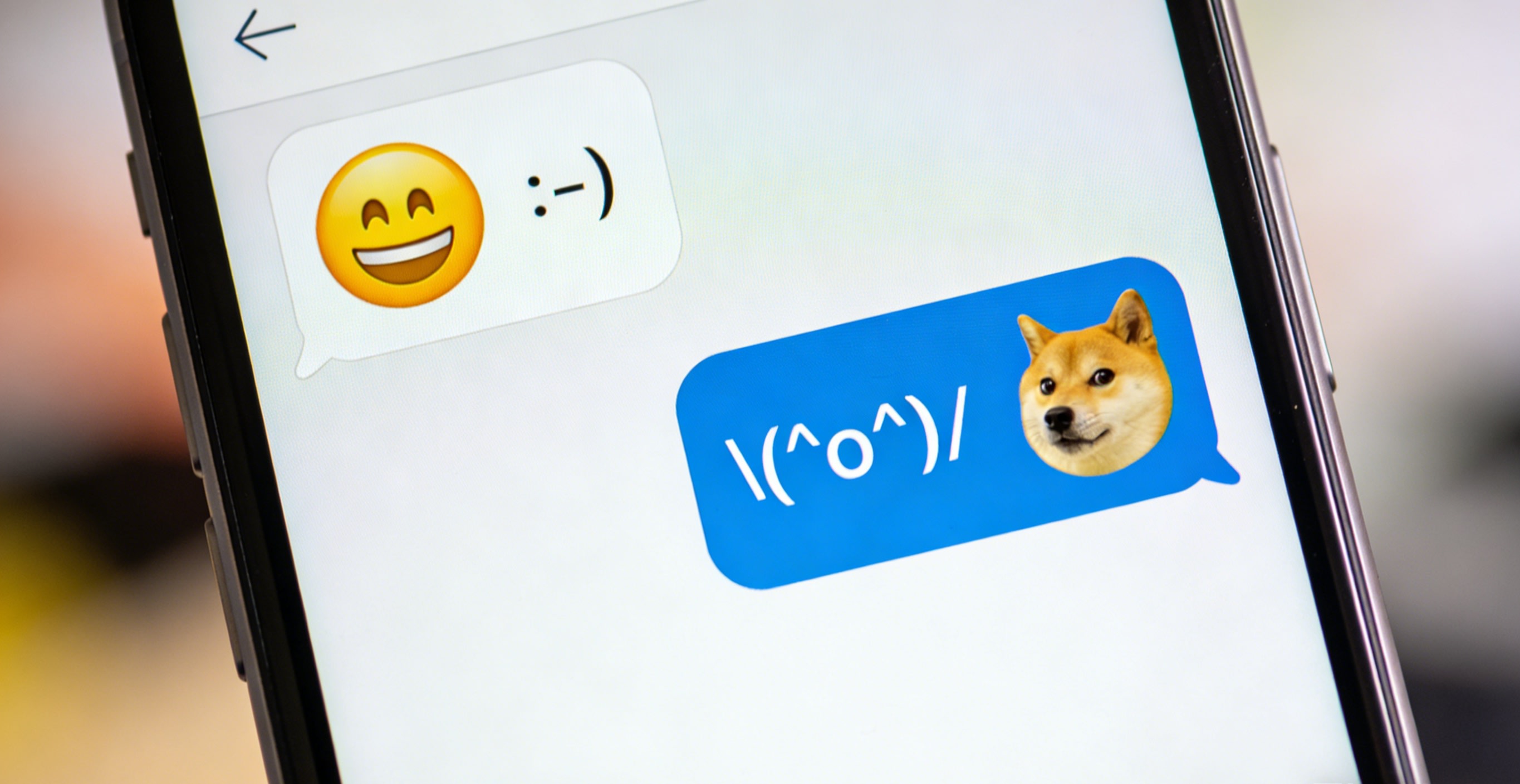
If you are texting, be mindful. Emojis have drifted far from their original definitions.
- The Smile (🙂): In the West, this is pleasant. In China, it is often a “death smile”—it signals extreme passive-aggression or total indifference. Avoid sending this to your boss unless you want them to feel like you’re judging them.
- The Doge (🐶): The Shiba Inu face is your best friend. It signals sarcasm or self-deprecation, softening the tone of a sentence that might otherwise seem too serious.
Final Thoughts
Language is a living, breathing pulse. By incorporating terms like dāzi or acknowledging your i-rén nature into your conversations, you show locals that you don’t just speak the language—you understand the heartbeat of the society.
Next time you feel the weight of juǎn, take a deep breath, reach out to your dāzi, and practice the gentle art of tǎngpíng. For more on navigating local social life, check out our survival guide to talking to your Didi driver.
Disclaimer: As an Amazon Associate, ChinaCurator earns from qualifying purchases.