

When your daily routine involves managing high-stakes milestones, endless contractor meetings, or the relentless technical specifications of modern urban infrastructure, the last thing you want on vacation is a crowded tourist trap. I know the feeling all too well; I’ve spent countless hours navigating the elbow-to-elbow crush in Beijing, only to return to my hotel more exhausted than when I left. You don’t need another stress test; you need a genuine, soulful escape.
In 2026, a massive cultural shift is taking hold among savvy travelers across China. We call it fǎnxiàng lǚyóu (反向旅游)—literally “Reverse Tourism.” Instead of fighting the tide of humanity in Tier-1 megacities to tick off a list of famous monuments, we are actively seeking out the “hidden gems.” We want to avoid the “sea of people” (rén cóng zhòng 人从众) and find pockets of the country where the pace is set by the sun rather than a tour bus schedule.
This guide is built on my personal experiences escaping the noise. Here are three underrated cities that offer a perfect, quiet blend of history, authentic flavor, and true tranquility.
1. The Philosophy of “Reverse Tourism”
For years, travel in China was defined by the concept of dǎkǎ (打卡)—the “punching of the card.” It was a checklist: go to the Great Wall, snap a photo, rush to the next site. However, as I have grown older, I’ve realized that sharing an ancient temple with ten thousand other people ruins the sanctity of the space.
Reverse tourism is about prioritizing the experience over the destination. It means finding a town where you can sleep in until the light hits the floorboards, walk to a local market, eat a bowl of noodles that costs a couple of dollars, and spend the afternoon listening to the rhythmic chanting in a quiet temple. It is the travel equivalent of finally switching your phone to “Do Not Disturb” mode. If you are looking for more ways to navigate China without the stress, check out my thoughts on reverse tourism and escaping the crowds as a broader movement.
2. Quanzhou (泉州): A City of Gods and Salt Air
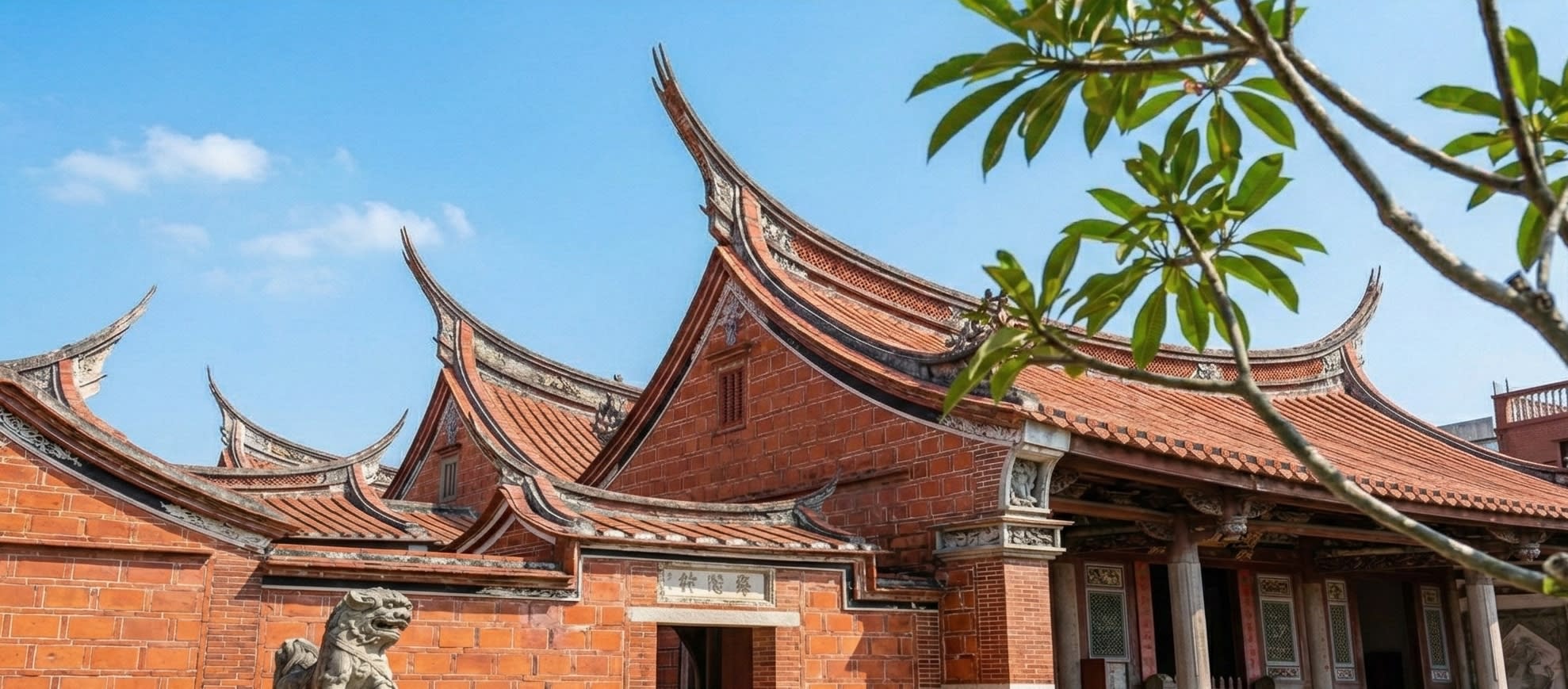
Located on the coast of Fujian province, Quánzhōu feels like stepping back into a quieter, more spiritual time. During the Song and Yuan dynasties, it was the “Alexandria of the East,” a bustling port and the starting point of the Maritime Silk Road.
- My Experience: I remember the first time I walked down West Street (xījiē 西街). The scent of sandalwood incense was thick in the air, mingling with the saltiness of the nearby ocean. It wasn’t loud; it was vibrant in a way that felt grounded. I found myself sitting on the steps of the Kaiyuan Temple, watching the golden hour light catch the intricate stone carvings, feeling a peace I haven’t found in a decade of visiting Shanghai.
- The Food: You must try miànxiàn hú (面线糊), a silk-smooth noodle soup that is the heartbeat of this city’s breakfast culture. When I first tasted it, I was surprised by how much depth a simple bowl of noodles could hold. It is almost always paired with crunchy, golden fried dough sticks.
3. Jingdezhen (景德镇): The Soul of the Porcelain Capital
If you appreciate the tactile, meditative focus required to refine a craft—much like the meditative art of Chinese stress relief through bead rubbing—you will fall in love with Jǐngdézhèn in Jiangxi province.
- The Vibe: This city is essentially a giant, city-wide art studio. Thousands of young creatives have moved here to escape the corporate grind, opening workshops where they bake bread, brew tea, and spin clay into art.
- My Experience: Walking through the Taoxichuan Ceramic Art Avenue at night, I felt like I was in a living museum. I bought a small, imperfect porcelain cup from a local artist—something about its slight asymmetry made it feel more “alive” than anything I could buy in a department store.
4. Taizhou (台州): The Ultimate Foodie Road Trip
If your idea of a great vacation revolves entirely around fresh, local ingredients, then Tāizhōu in Zhejiang province is your destination. Often overshadowed by the fame of Hangzhou, Tāizhōu is a well-kept secret among Chinese food critics.
- The Nature: After a morning of eating, I drove out to the Shenxianju (Dwelling of Immortals) scenic area. The dramatic cliffs are breathtaking, and walking across the high-altitude glass bridges felt like floating above the clouds.
- The Food: The absolute must-try is the shī bǐng (食饼筒), a local wrap stuffed with layers of braised meat, egg, and fresh vegetables. It is the ultimate comfort food. If you are exploring this region, I highly recommend checking out the emerald loop of Southern China for more breathtaking natural scenery.

5. Comparison: Which City Fits Your Soul?
| City | Province | Best For... | Key Vibe |
|---|---|---|---|
| Quánzhōu (泉州) | Fujian | History & Spirituality | Ancient & Coastal |
| Jǐngdézhèn (景德镇) | Jiangxi | Crafts & Slow Living | Artistic & Creative |
| Tāizhōu (台州) | Zhejiang | Culinary Adventures | Delicious & Fresh |
6. The Freedom of the Open Road
When I travel to these regions, I prefer the freedom of an electric vehicle. China’s charging infrastructure has become incredibly reliable, even in the mountainous areas of Fujian. Driving an electric car through the winding roads allows me to set my own schedule, pull over for a sunset, and discover small local restaurants that don’t even appear on major booking apps. It turns the journey into a story rather than just a transfer from Point A to Point B.

Final Thoughts
True travel isn’t about how many photos you take or how many boxes you check; it’s about the silence you find when you finally stop moving. By choosing the road less traveled, you open yourself up to the real beauty of China—the kind that isn’t found in brochures, but in the steam rising off a bowl of noodles or the quiet smile of a local craftsman.
Ready to start planning your own quiet revolution? Make sure you have the right digital tools with our guide to essential travel apps for navigating China.
Disclaimer: As an Amazon Associate, ChinaCurator earns from qualifying purchases.