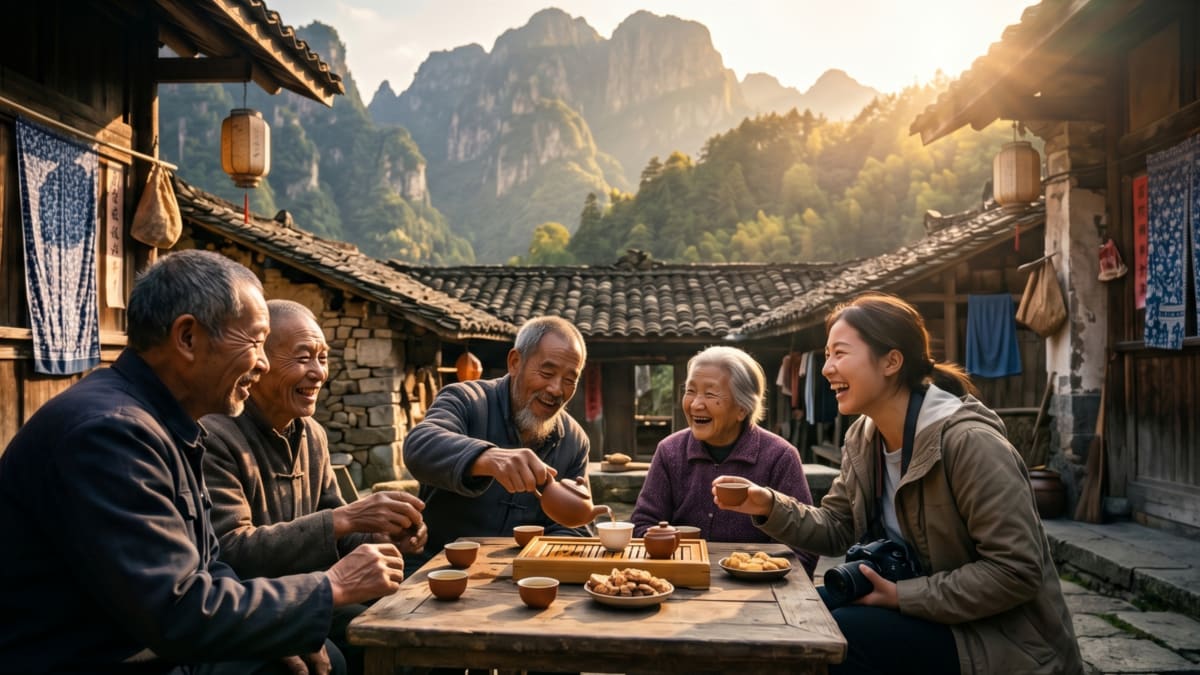
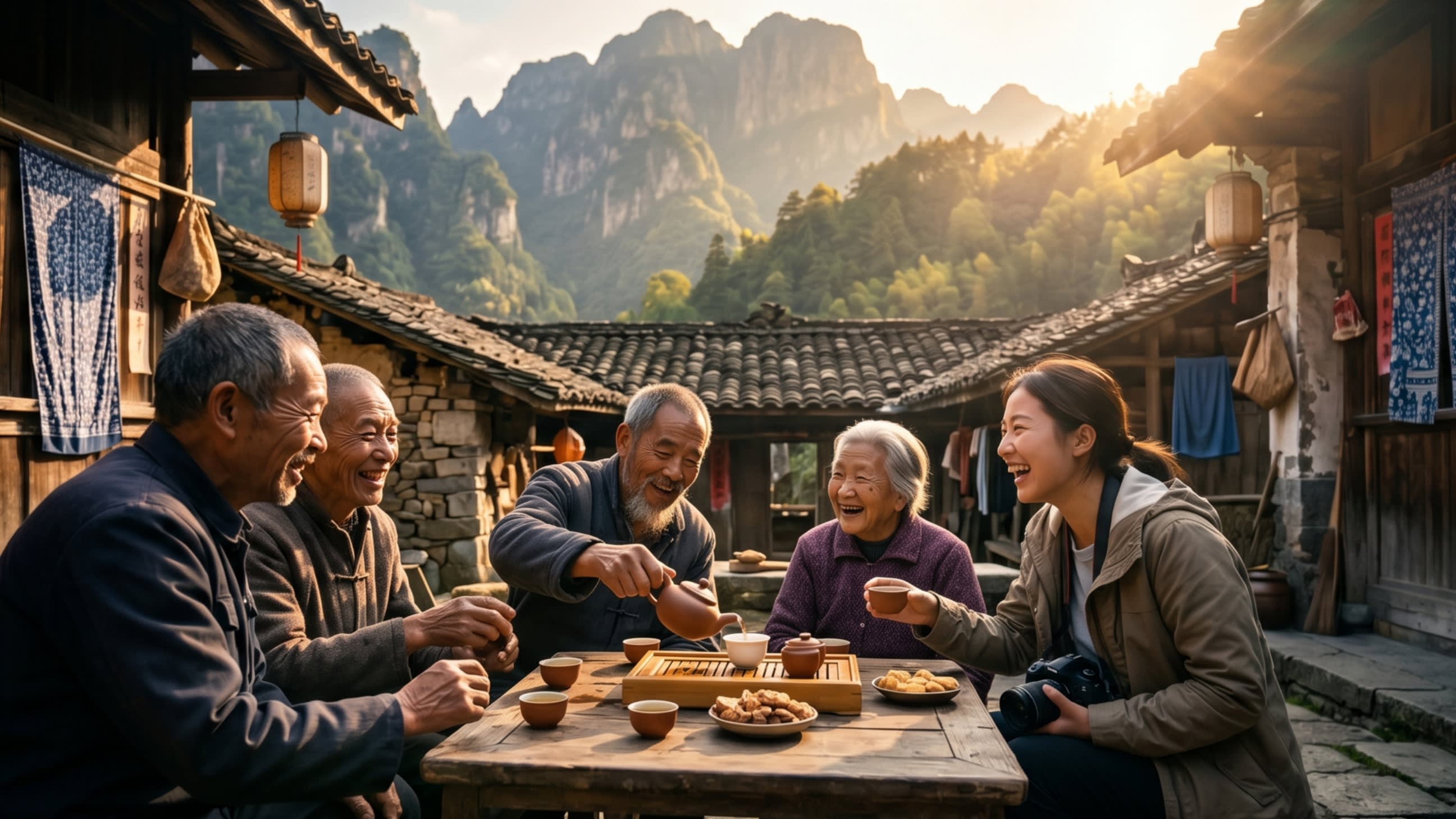
“In China, a 5A scenic spot gives you the breathtaking scenery, but a shared pot of tea gives you the story. In 2026, as we live in an era of increasing digital isolation, the physical, tactile rituals of meeting and greeting remain the most powerful ‘Social Wi-Fi’ available. Whether you are wandering the misty, rain-drenched hills of Fujian or the rugged, golden-hued valleys of Shanxi, understanding the unspoken laws of hospitality is your passport to the soul of the nation. As curators of the authentic, we invite you to pull up a wooden stool, pour a steaming cup, and listen.”
The 2026 “Social Pivot”: Why Manners Matter More Than Ever
By 2026, travel has shifted away from passive sightseeing toward ‘Active Integration’. You aren’t just visiting a village near the majestic Yellow Mountains; you are breathing in its rhythm. While the younger generation is hyper-connected via smartphones, the local ‘gatekeepers’—the elders who hold the keys to hidden forest trails and oral family histories—still live by an ancient social code.
Mastering the ‘Three Currencies’ (社交三宝 - shè jiāo sān bǎo) of rural China is the ultimate life hack for the modern explorer. It is a dance between ‘Mianzi’ (面子 - face/honor) and ‘Jiediqi’ (接地气 - being grounded/authentic).
- The Curator’s Perspective: It’s 2026. If you find yourself in a village near a major landmark, don’t just bury your nose in a navigation app. That “healing vibe” (治愈感 - zhì yù gǎn) locals talk about isn’t found on a screen. It’s found when you bridge the gap—the tào jìn hu (套近乎 - getting closer) through a shared cigarette or a pour of tea. It is honest, human warmth, and it is truly jué jué zi (绝绝子 - phenomenal).
Currency #1: Tea – The Silent Conversation (茶道社交)
Tea is the universal ice-breaker. In 2026, even the smallest village guest house near the shimmering waters of West Lake or the rugged cliffs of Wuyishan will welcome you with a fragrant pot of the local harvest.
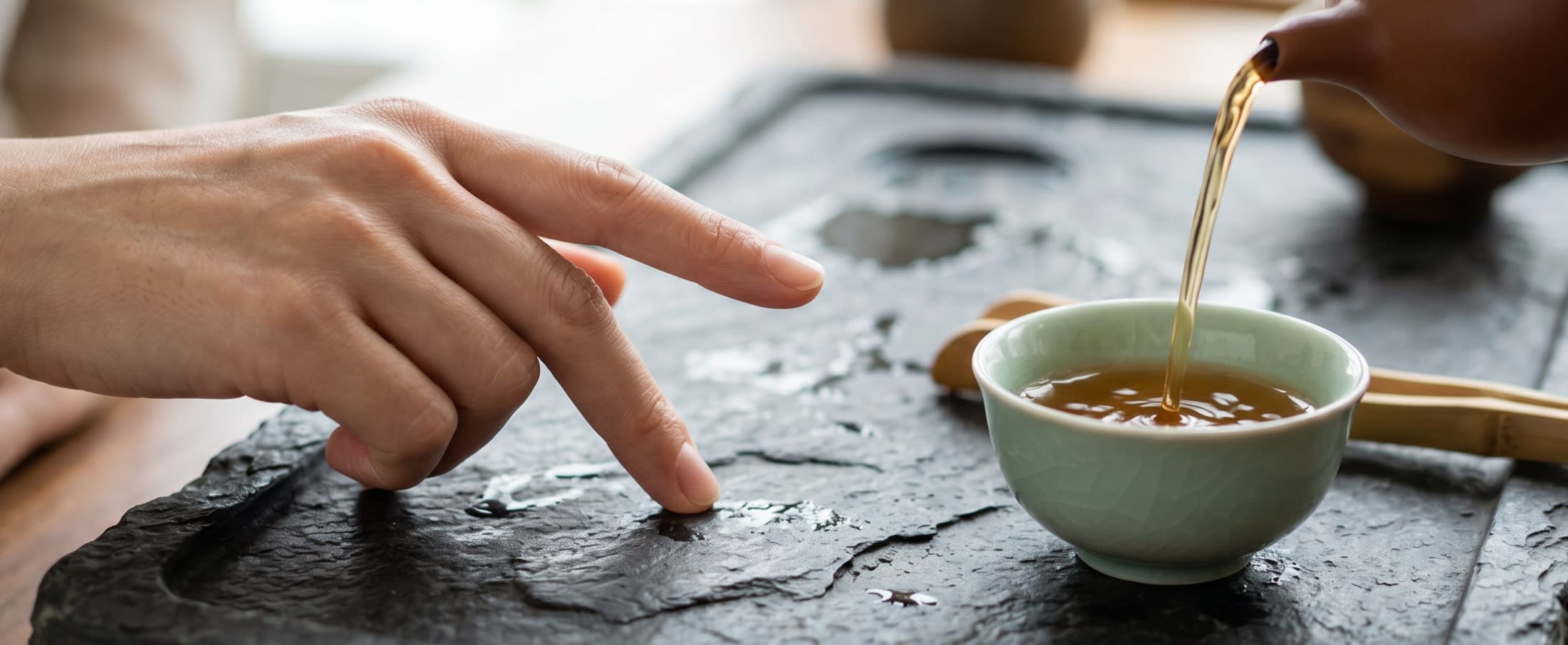
- The Ritual of Tapping: When a host pours tea for you, you don’t always need to vocalize a formal “thank you.” Instead, perform the ‘Finger Kowtow’ (扣指礼 - kòu zhǐ lǐ). Gently tap your index and middle fingers on the table twice. It is a silent, sophisticated sign of respect that instantly marks you as someone who understands the local culture.
- The Full Pot Rule: Never let your host’s cup remain empty. Pouring for others before yourself is the golden rule of empathy in Chinese social circles.
- Expert Insight: At the tea table, details are everything. That subtle, rhythmic tap of your fingers makes you an “insider” (dǒng háng - 懂行). It is a social aesthetic defined by grace and mutual acknowledgment.
Currency #2: Cigarettes – The Social Handshake (烟草社交)
Let’s be candid: China remains a place where a pack of cigarettes acts as a social bridge, particularly among men in rural 5A-designated regions.
- The Offering: You will often be offered a cigarette as a greeting. In 2026, health awareness is at an all-time high, and it is perfectly acceptable to decline.
- The Proper Refusal: Do not simply say “no.” Smile, place your hand over your heart or give a slight, polite wave, and say, “Wǒ bù chōu yān, xiè xiè” (我不抽烟,谢谢 - I don’t smoke, thank you).
- The “Pro” Move: If you are a non-smoker, carry a small, high-quality pack of local cigarettes. Offering one to a village elder when asking for directions is the ultimate “Peace Pipe.” It signifies respect for the local “Vibe of Life” (烟火气 - yān huǒ qì).
💡 The Master of ‘Invisible’ Travel Beyond the social nuances, are you ready for the digital side of the journey? From seamless high-speed rail boarding to real-time crowd heatmaps, master the tiny details that make a trip flawless. Read More: The Invisible Essentials: 50 Mini-Tips for a Flawless China 5A Journey
Currency #3: Baijiu – The Liquid Binding (白酒社交)
If tea is the introduction, Baijiu (白酒) is the contract. In 5A regions like Guizhou or Sichuan, a local banquet is a marathon of spirit and social endurance.

- The Low-Glass Rule: When clinking glasses with an elder or a local host, ensure the rim of your glass is physically lower than theirs. This is a humble gesture indicating you recognize their seniority and status.
- The “Ganbei” Paradox: ‘Ganbei’ literally means ‘dry cup.’ In 2026, do not feel pressured to finish the entire shot if you are not a heavy drinker. Sipping is acceptable as long as you match the enthusiasm and sincerity of the host.
- Expert Insight: Toasting (jìng jiǔ - 敬酒) is about demonstrating your sincerity (chéng yì - 诚意). A critical “pitfall avoidance” tip: never “bottoms up” by yourself before everyone else has started eating. This is basic etiquette that commands immense respect.
The 2026 “Social Survival” Matrix
| Context | Key Currency | Golden Rule | Pro Tip |
|---|---|---|---|
| Casual Greeting | Cigarettes | Never point lighter at them. | Keep a local brand on you. |
| Tea House | Tea | Keep host's cup 70% full. | The two-finger tap. |
| Banquet | Baijiu | Lower glass for respect. | Toast with both hands. |
Fueling the Conversation: The Grounded Snacks (下酒菜)
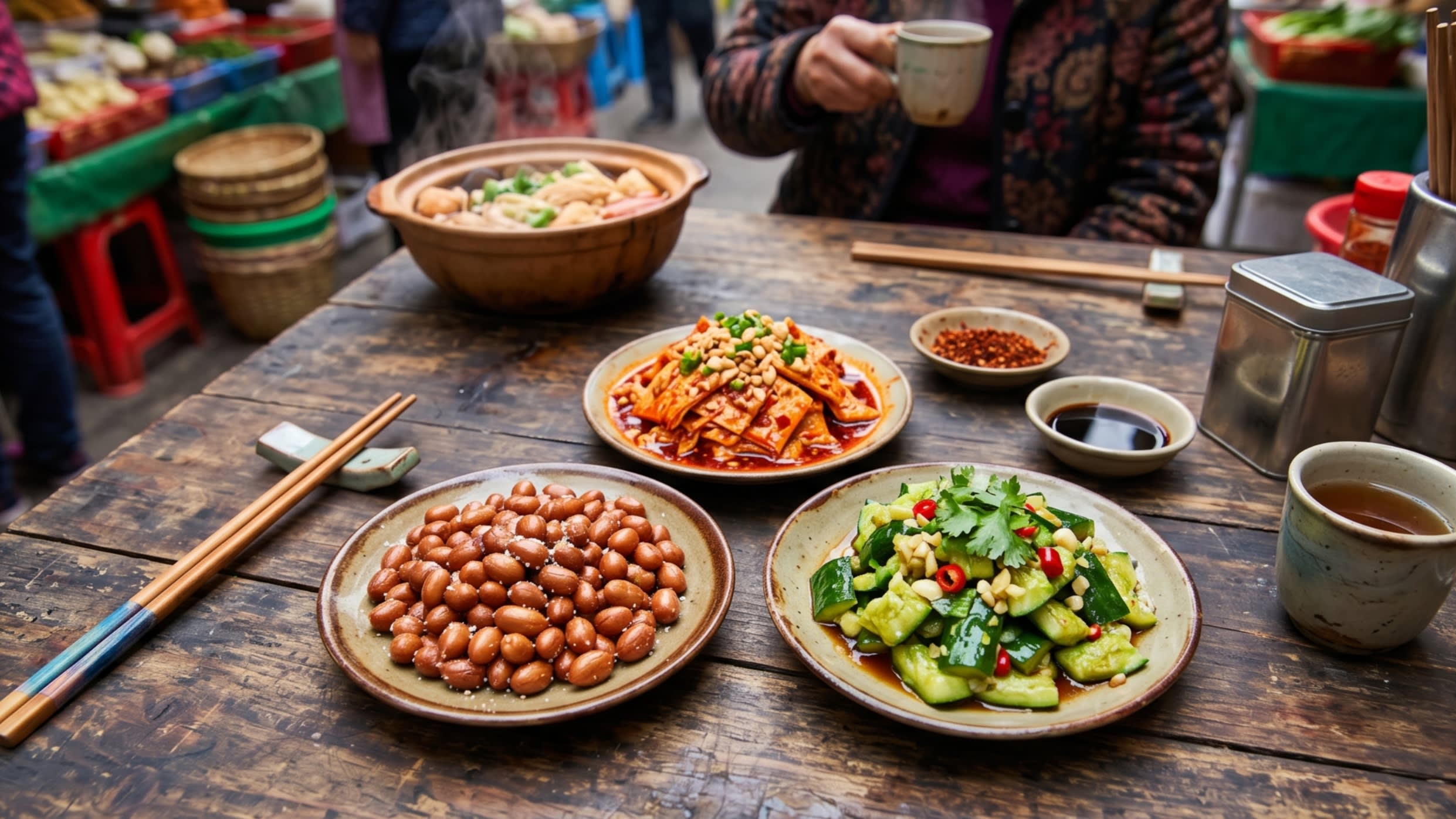
When socializing near a 5A site, the food is often simple, “grounded,” and unpretentious.
- Fried Peanuts (油炸花生米): The universal Baijiu companion. The savory crunch helps you pace your drinking.
- Spicy Tofu Skin (辣条/豆皮): Common in Sichuan or Hunan, these offer a fiery kick that keeps the conversation moving.
- Expert Insight: These roadside snacks (zhì gǎn - 质感) are inexpensive but hold more cultural weight than a banquet at a five-star hotel. They offer an authentic taste that no restaurant seasoning can simulate.
Step 3: Arriving in the Village Square
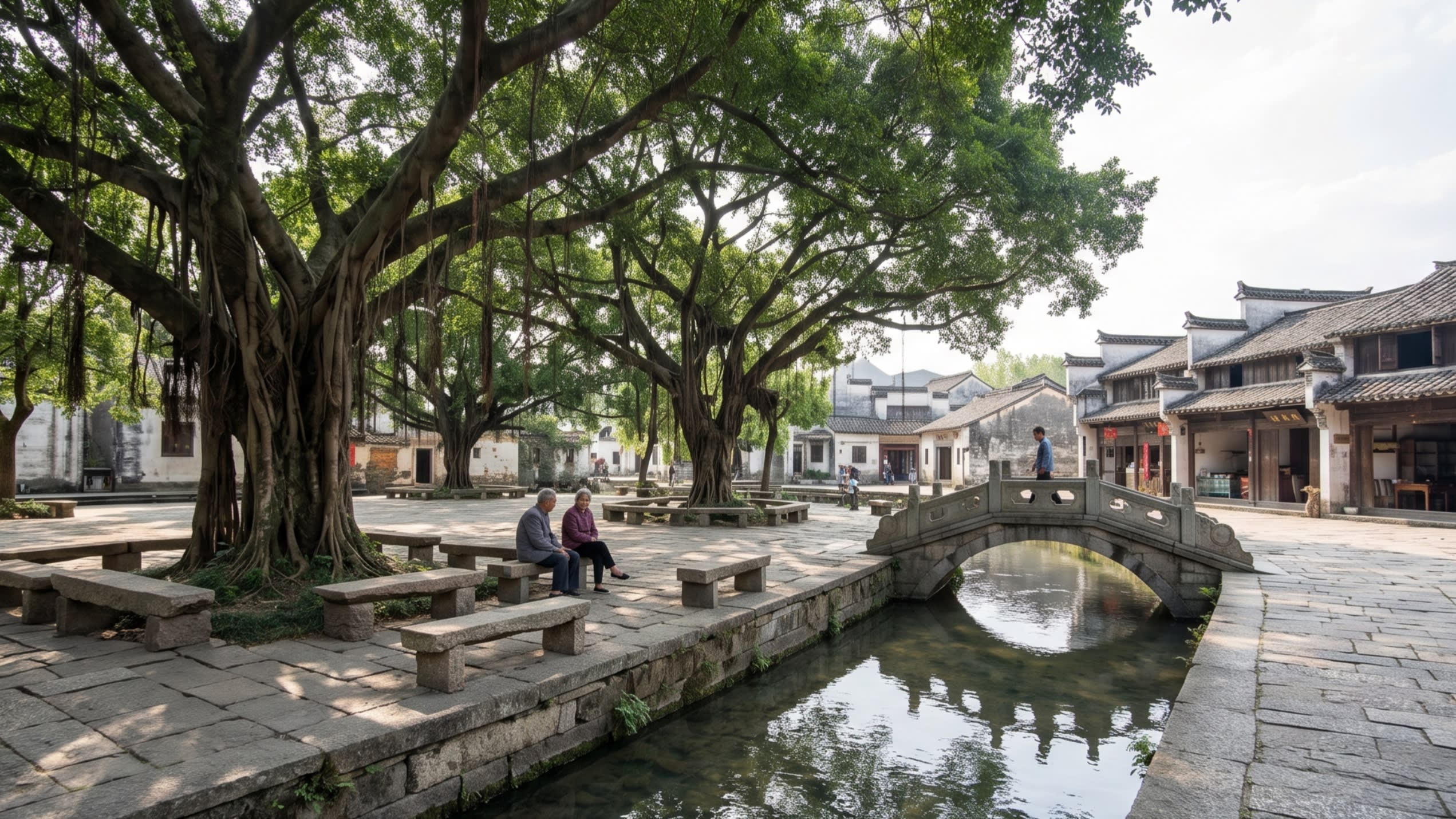
In 2026, skip the tourist bars. Look for the village banyan tree, the stone bridge, or the community square. Sit quietly and observe the flow of a Mahjong game. A respectful nod or a simple question about the weather is usually enough to open a door.
🤝 Picked up a Local Gift? If you are invited to a home, bringing a small token of appreciation is vital. Ensure your gift is well-chosen to avoid cultural awkwardness. Learn more about the art of gifting authentic 5A souvenirs.
Traveler’s Language Survival Table (Social Edition)
| English | Chinese & Pinyin |
|---|---|
| Thank you for the tea. | 谢谢您的茶。 (Xiè xiè nín de chá.) |
| I don't smoke, thank you. | 我不抽烟,谢谢。 (Wǒ bù chōu yān, xiè xiè.) |
| Your hometown is beautiful! | 您的家乡真漂亮! (Nín de jiā xiāng zhēn piào liang!) |
Final Thoughts from The Curator
Navigating the social waters of China in 2026 is a masterclass in “Empathy over Efficiency.” You could rely on an AI to translate words, but you need a soul to translate the silence between the tea pours. When you lower your glass or tap the table, you aren’t just performing a movement—nǐ shì zài lián jiē (你是在连接 - you are connecting).
My advice? Don’t be afraid to make a mistake. A sincere smile and a clumsy attempt at local etiquette are always valued more than cold, perfect silence. In the land of the 5A wonders, the most enduring monument you’ll find is the one built through a shared pot of tea.