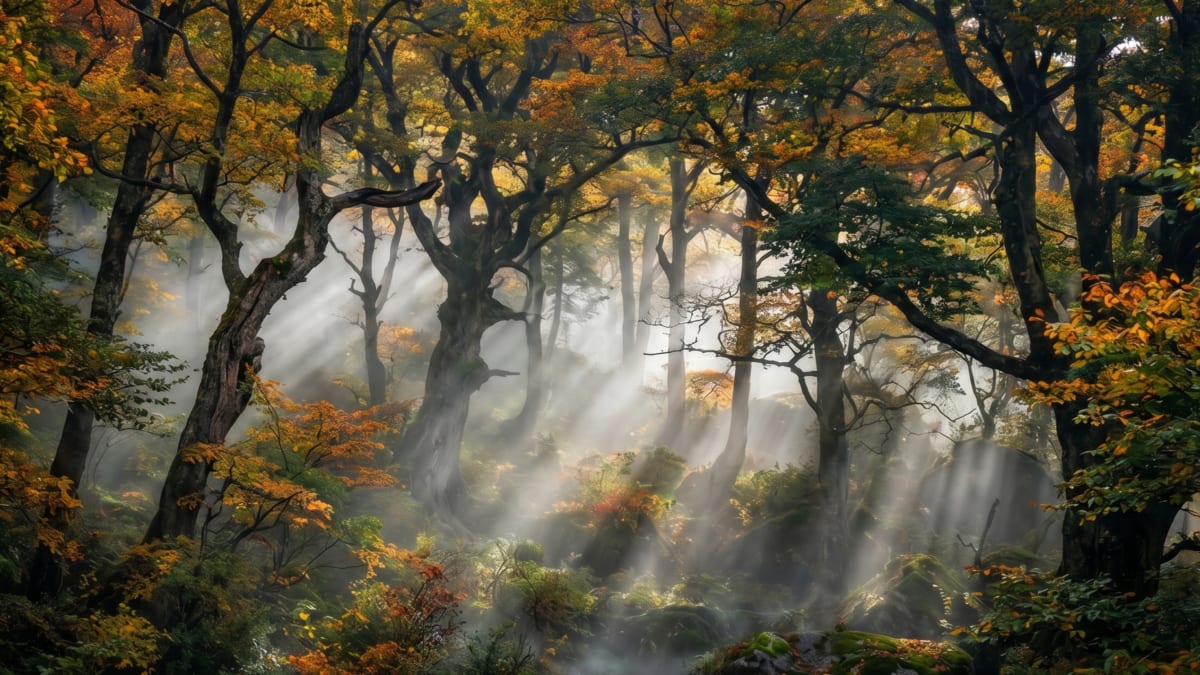
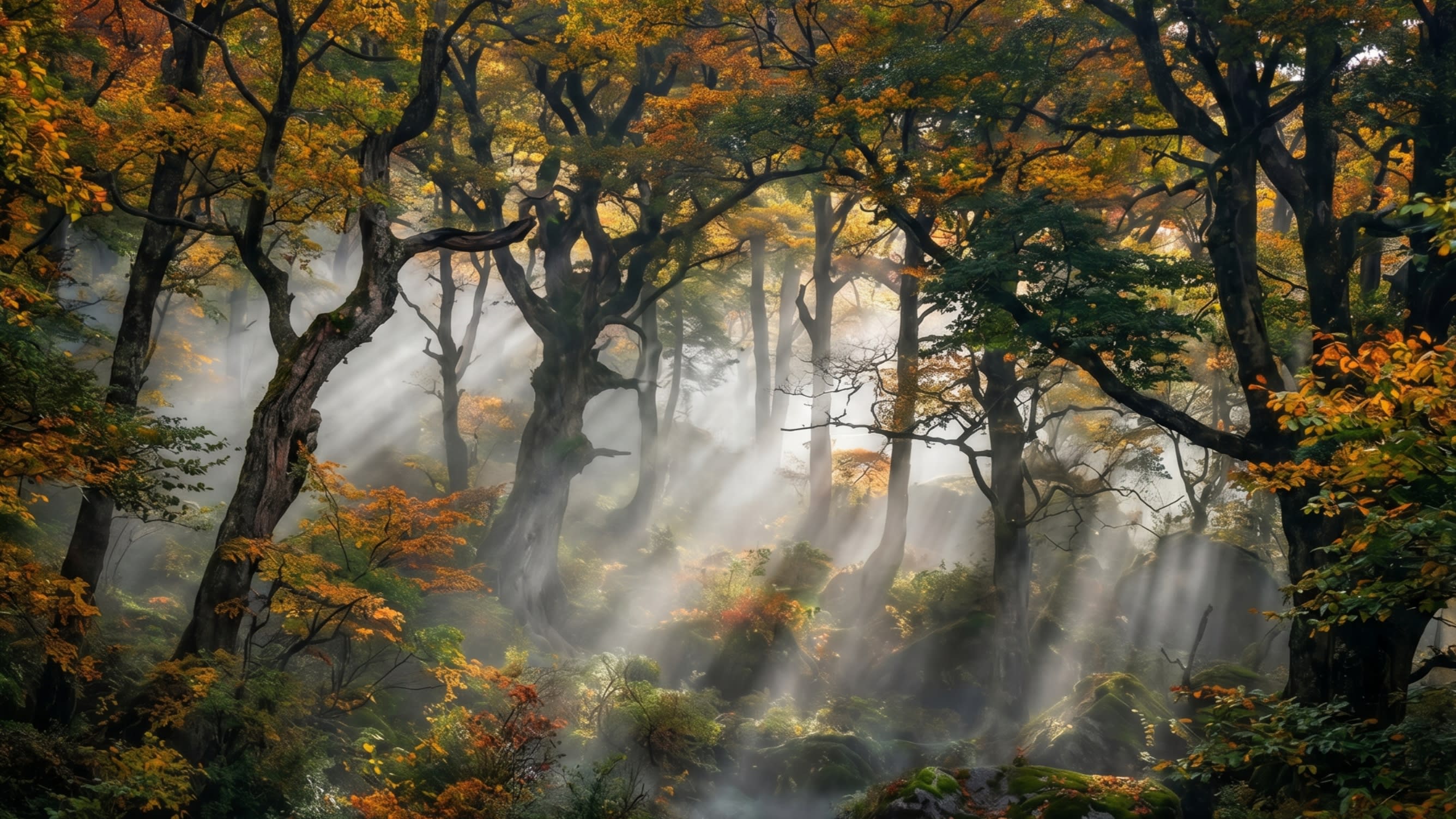
To walk into a Chinese primeval forest is to turn the pages of an evolutionary encyclopedia. In 2026, as our world becomes increasingly digital, the “Deep Green” movement has turned China’s 5A Nature Reserves into sanctuaries of “Analog Recovery.” Here, I am not just looking at plants and animals; I am witnessing “Living Fossils” (活化石 - huó huà shí) that have remained unchanged for millions of years. As a curator of the profound, I invite you to breathe the prehistoric air and meet the survivors of deep time with me.
The 2026 “Eco-Reset”: Why Biodiversity is the New Luxury
By 2026, I have noticed that travel has shifted from “checking-in” at famous monuments to “connecting” with the planet’s pulse. China’s 5A National Nature Reserves (5A级自然保护区) have become world-class destinations for those of us seeking a “visual shock” that only untouched nature can provide. Whether you are a student researching environmental data or a traveler like me looking for a “soul reset,” these reserves offer a perspective on life that is both humbling and exhilarating.
If you find the silence of the mountains too heavy, why not dive back into the neon-soaked future? Discover how China’s high-tech parks are blending urbanism with heritage for a completely different kind of sensory experience.
In 2026, if you are tired of the “digital anxiety” in the city, you must go to the mountains to breathe the “prehistoric air.” China’s 5A reserves are true “treasures” (宝藏 - bǎo zàng). Watching golden monkeys leap through the trees or zoning out under a 2000-year-old ginkgo—that “healing vibe” (治愈感 - zhì yù gǎn) is truly incredible. This isn’t just travel; it is a “mental detox.”
Phase 1: The Black and White Icon – The Giant Panda (大熊猫)
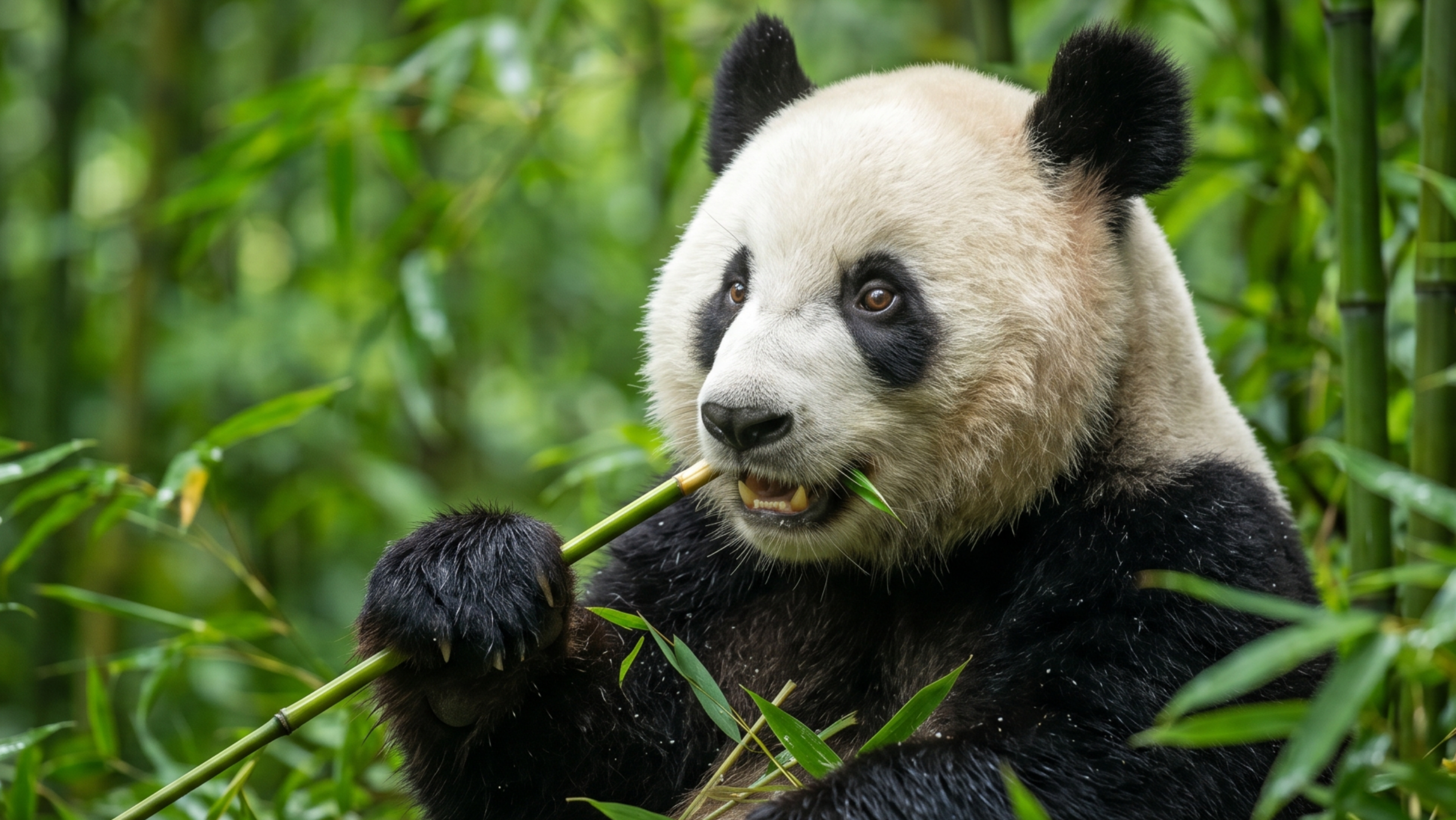
No discussion of living fossils is complete without the Giant Panda. These bears have been on Earth for over 8 million years. In 2026, the 5A Wolong National Nature Reserve (卧龙自然保护区) in Sichuan remains the premier site for a deep-dive encounter.
Forget the crowded city zoos. In Wolong, I participate in the “Smart Wildlife Observer” program. Using 2026-era silent observation technology, I can watch these ancient spirits in their natural bamboo habitat without disturbing them. My top tip: look for the “Panda’s Thumb”—a specialized wrist bone that allows them to grip bamboo. It is a masterclass in evolutionary engineering.
In the panda’s hometown, I find they have a real “atmosphere” (氛围感 - fèn wéi gǎn). Their slow-paced life is exactly the “relaxed feeling” (松弛感 - sōng chí gǎn) I am always looking for. A “pitfall avoidance” (避雷 - bì léi) tip: never make loud noises; learn to communicate with these ancient ancestors through “silence” (静谧 - jìng mì). If you are keen on seeing more rare species, I highly recommend checking out my guide Beyond the Panda: The 2026 Quest for the ‘Oriental Gem’ and the ‘Forest Spirit’.
Phase 2: The Golden Acrobat – Snub-nosed Monkeys (金丝猴)
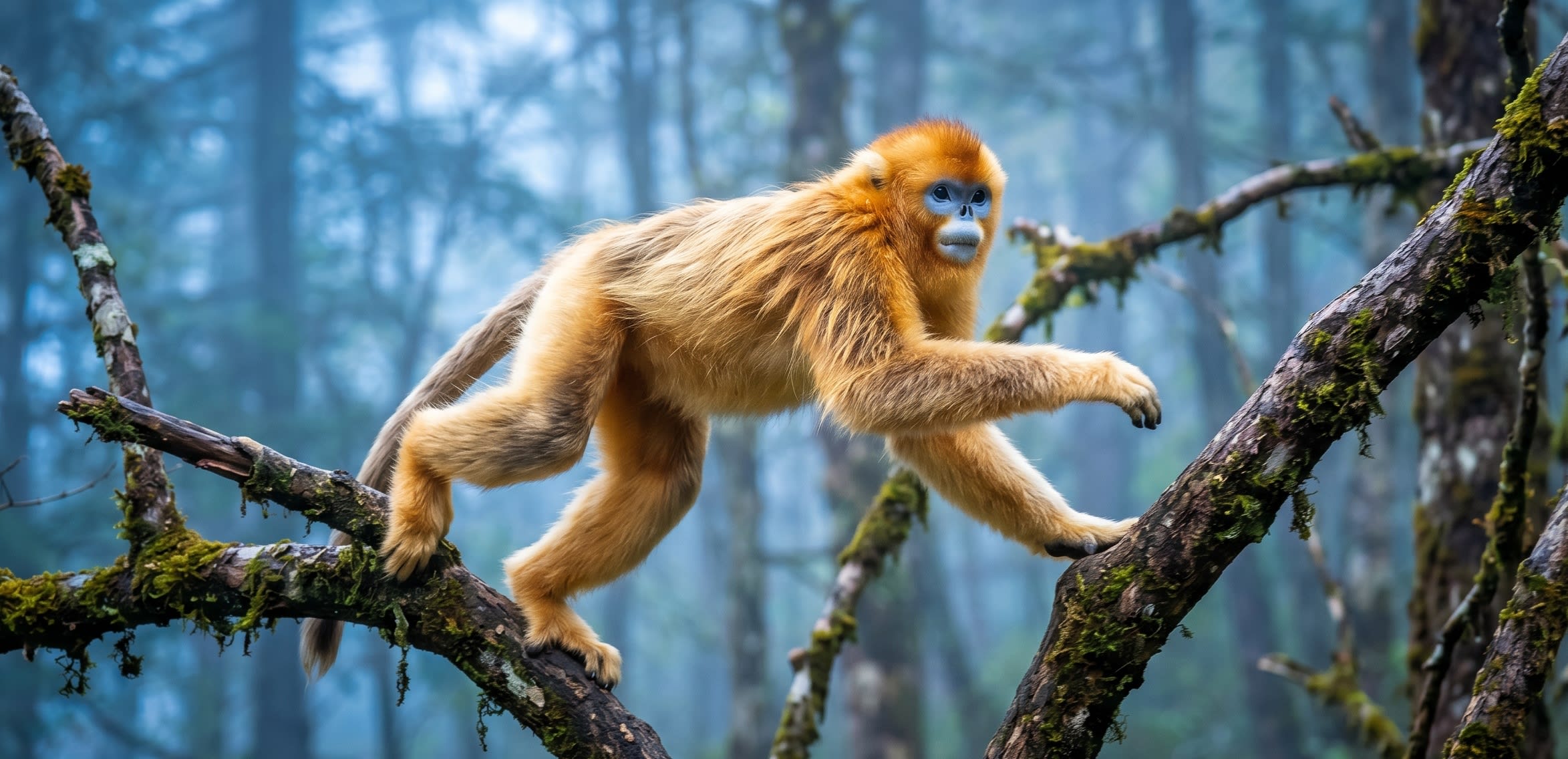
If the panda is the icon of peace, the Snub-nosed Golden Monkey is the icon of spirit. Found in the 5A Shennongjia (神农架) region of Hubei, these monkeys are one of the rarest primates on earth.
Shennongjia is a place of legends, including the “Wild Man” myths. In 2026, the “Cloud-Forest Trekking” routes take me to altitudes where the air is crisp and the golden fur of the monkeys glows like fire against the emerald leaves. I love to just stand still and listen to their calls. They have a complex vocal range that sounds almost like a bird chirping—a unique “acoustic shadow” of the primeval forest.
Phase 3: The Golden King – The 2000-Year-Old Ginkgo (银杏)
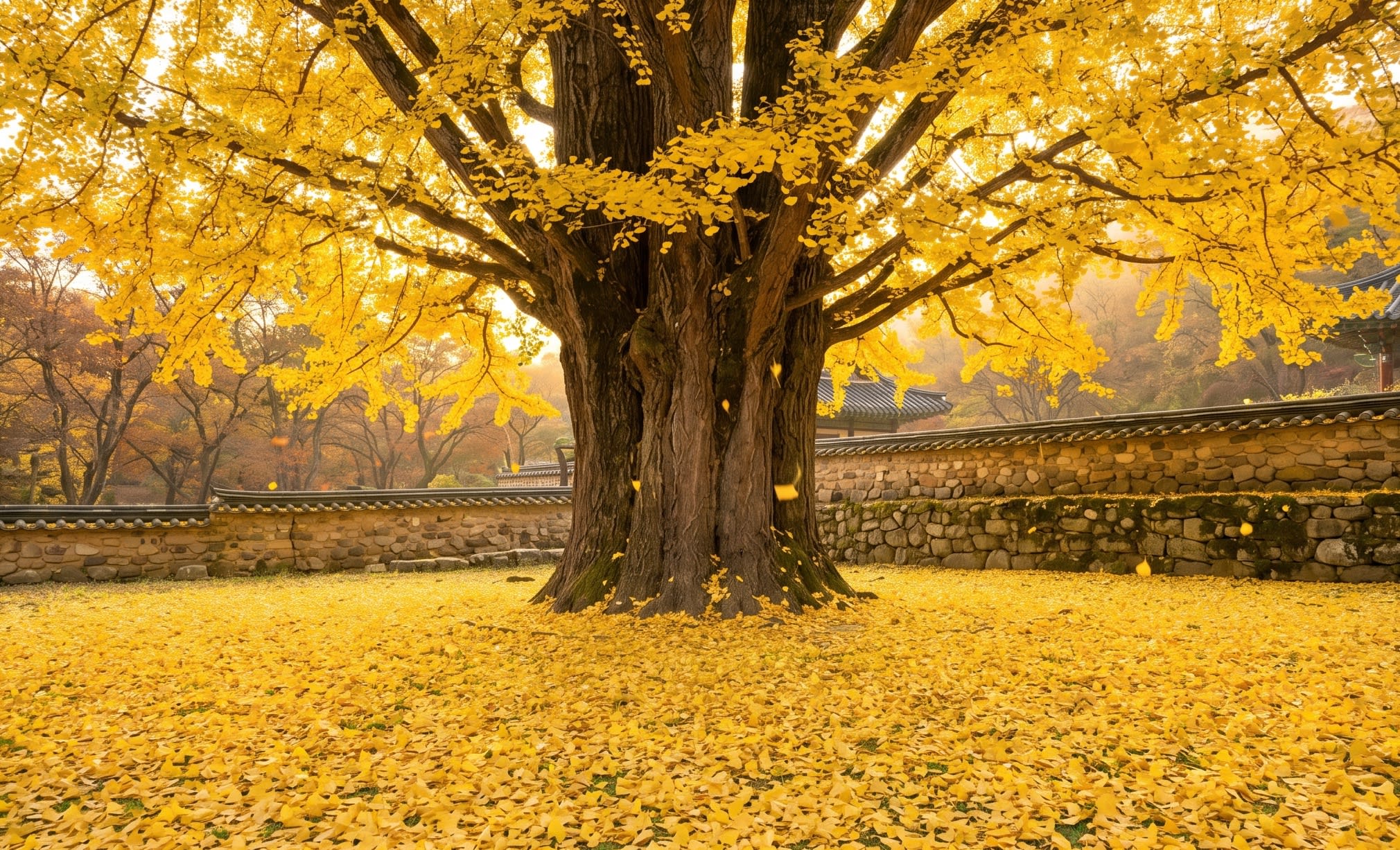
Animals aren’t the only survivors. The Ginkgo Biloba is the only surviving species of a group of plants that dates back 270 million years—long before dinosaurs ruled. I prefer visiting the 5A West Lake area in Hangzhou or the mountain retreats of Zhejiang. In 2026, autumn “Ginkgo Festivals” are focused on “Minimalist Zen.” Standing under a canopy of glowing gold is a visual “palate cleanser.” It reminds me that some things are worth waiting a thousand years for.
If you are traveling on a tight schedule, you can visit several of these “Living Fossil” hubs near major cities like Beijing or Chengdu using my 144-hour visa-free speed run strategy. It is the most efficient way to see the best of China’s past and future.
China’s Living Fossil Experience Matrix (2026 Edition)
| Species | Primary 5A Reserve | Age as a Species | Effort Level |
|---|---|---|---|
| Giant Panda | Wolong / Sichuan | ~8 Million Years | Moderate |
| Golden Monkey | Shennongjia / Hubei | ~1.5 Million Years | High (Hiking) |
| Ginkgo Tree | Tianmu Mount / Zhejiang | ~270 Million Years | Low |
Fueling the Wild: Mountain Bamboo and Fungi
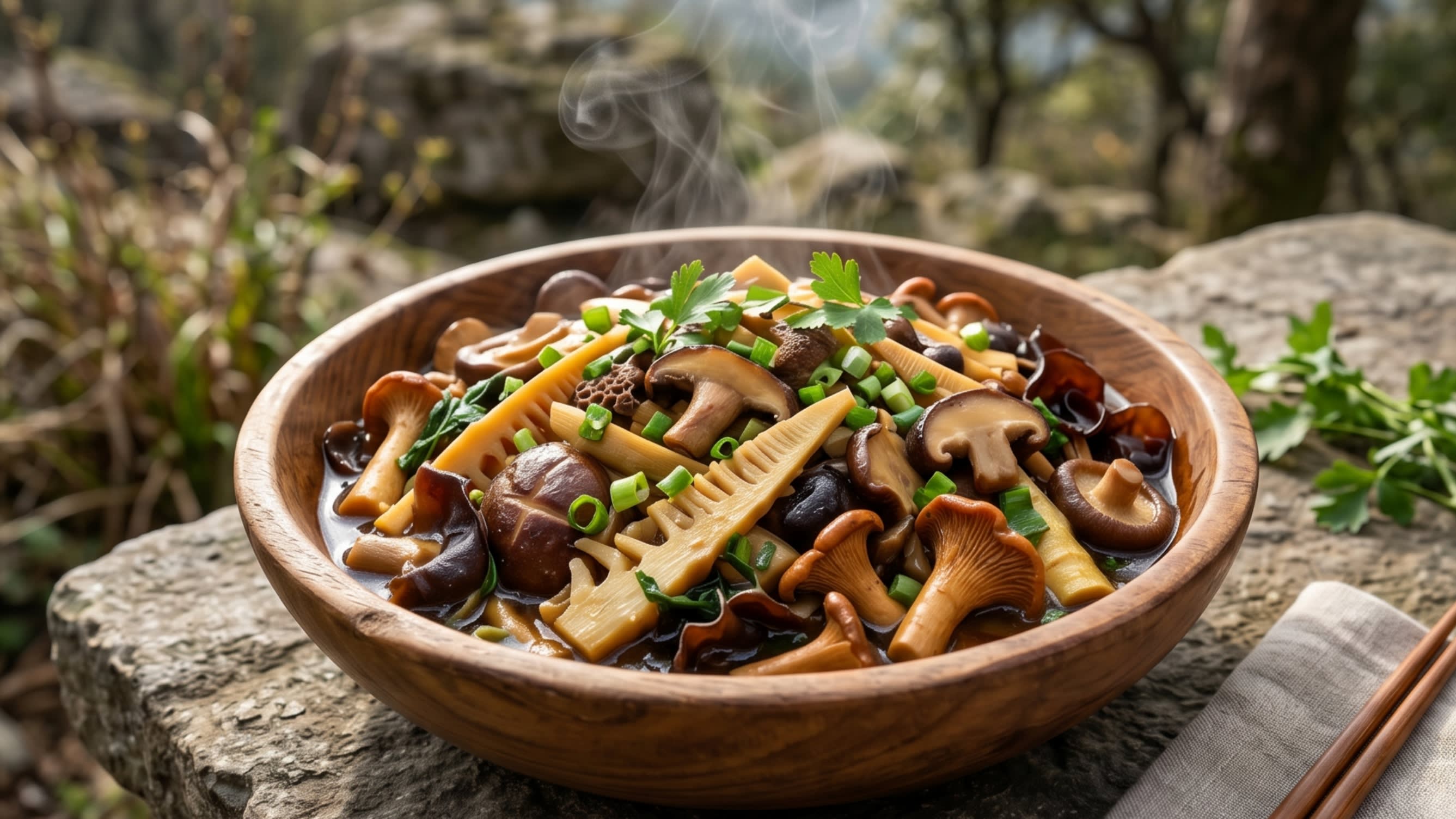
When I am deep in these nature reserves, my palate always follows the rhythm of the forest. In 2026, the “Farm-to-Forest” dining movement is at its peak. I love to seek out wild bamboo shoots harvested from the slopes. If you are preparing a rustic meal at home, you can capture a bit of this earthy magic with some high-quality bamboo steamers. These shoots are crunchy, sweet, and full of the “vibe of the earth.”
I also hunt for morel mushrooms (羊肚菌 - yáng dù jùn), which locals call the “Black Gold” of the mountain. In Shennongjia, these are often stewed with free-range chicken to create a broth that I find truly restores my “Chi.” If you want to elevate your home cooking, sourcing some dried morel mushrooms can bring that restaurant-grade depth to your kitchen. Eating in the reserves is all about the word “fresh” (鲜 - xiān). Those shoots just dug from the ground, with the “vibe of life” from the soil, are incredible. I don’t need many seasonings here; original flavor is the most “high-end” (高级 - gāojí).
Traveler’s Language Survival Table (Wild Edition)
| English | Chinese & Pinyin |
|---|---|
| Is there a panda nearby? | 附近有熊猫吗? (Fù jìn yǒu xióng māo ma?) |
| What is the best hiking trail? | 哪条徒步路线最棒? (Nǎ tiáo tú bù lù xiàn zuì bàng?) |
| The air here is so fresh! | 这里的空气真新鲜! (Zhè lǐ de kōng qì zhēn xīn xiān!) |
Final Thoughts from Zihan
Exploring China’s 5A nature reserves in 2026 is a reminder that while humanity builds the future, nature preserves the past. When I stand in the presence of a Giant Panda or beneath the golden leaves of an ancient Ginkgo, I realize that history isn’t just in books or architecture—it is alive, breathing, and waiting to be curated by my own eyes. My advice? Turn off your notifications. Put down your phone for a minute. Listen to the wind through the 100-million-year-old trees. In the land of the living fossils, the most important connection isn’t Wi-Fi; it’s the one between your soul and the ancient Earth.
Disclaimer: As an Amazon Associate, ChinaCurator earns from qualifying purchases.