
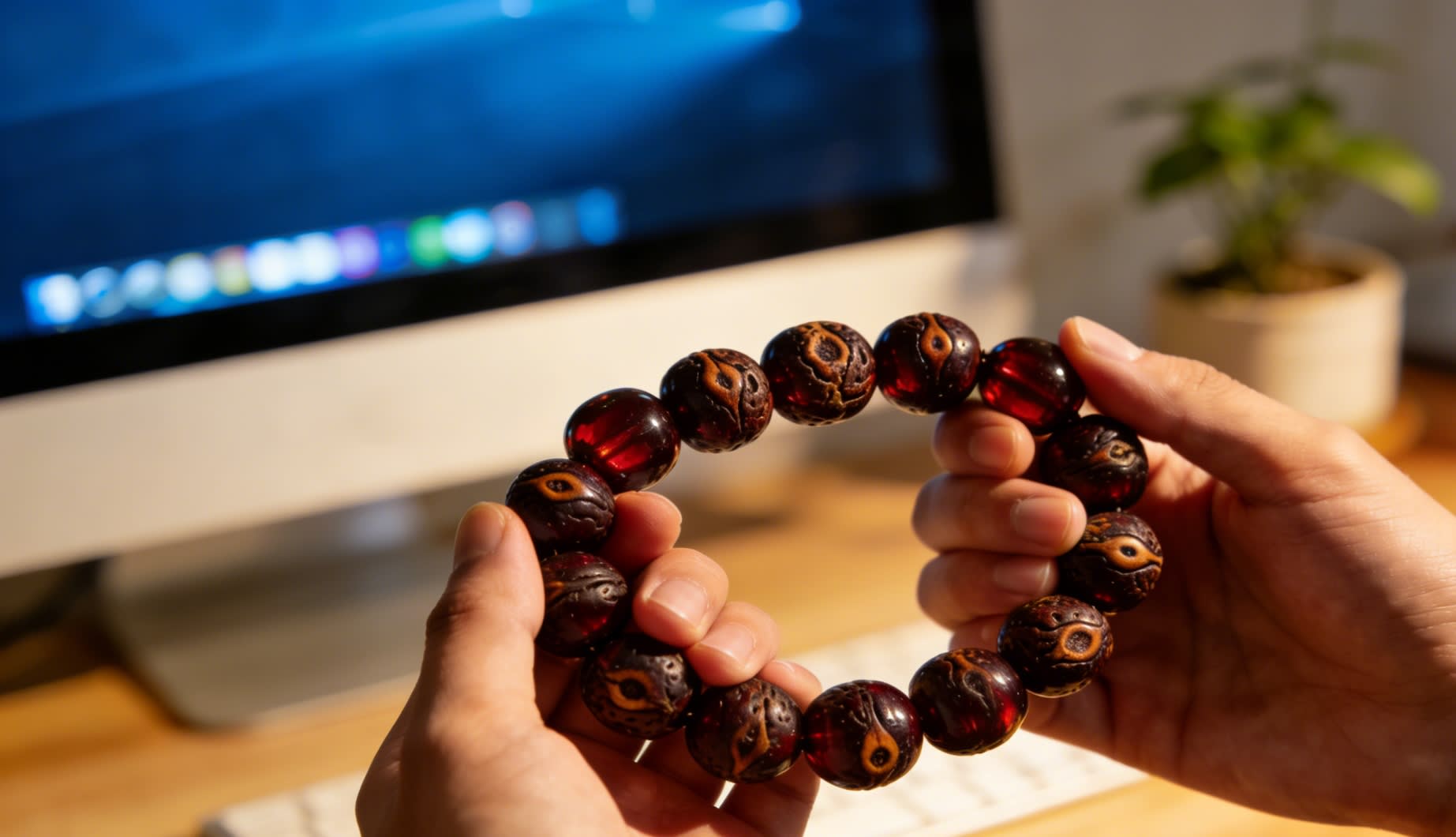
In the high-pressure landscape of 2026, where we often find ourselves tethered to glowing screens, managing complex office logistics, or debugging lines of code, the search for authentic tranquility has taken an ancient turn. While the West has largely moved past the plastic hum of fidget spinners, a growing community of global professionals is embracing an 800-year-old Chinese tradition: Panwan (盘玩), or the art of bead rubbing.
To the uninitiated, this might look like simple fidgeting. But to those who practice it, Panwan is a form of “dynamic meditation.” It is the deliberate, tactile act of polishing organic seeds or precious woods, transforming raw, earthy materials into “living jewels” through the patience of one’s own hands. It isn’t just about stress relief; it’s about slow-tech mindfulness in a fast-paced world.
1. Why Gen Z is Ditching Plastic for Patina
The fidget spinner craze of years past was a hollow attempt to solve a permanent problem: the need for tactile feedback in an increasingly digitized life. The issue with plastic toys is their static nature. A plastic spinner on day one looks and feels exactly the same as it does on day one hundred. It offers no sense of accomplishment.
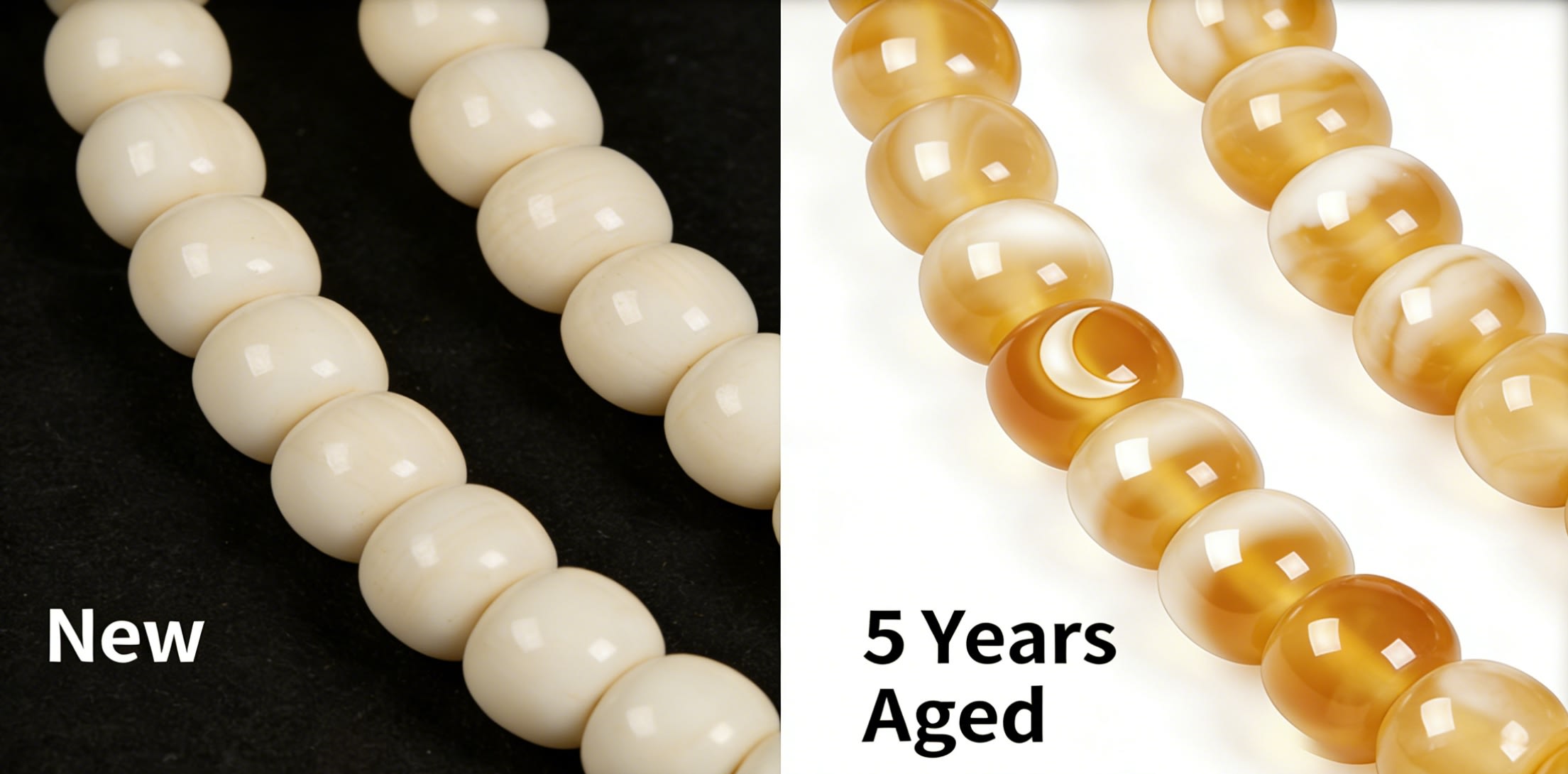
In contrast, the journey of Panwan is built on the foundation of measurable progress. As you rhythmically rub a string of Bodhi seeds, your skin’s natural oils and the constant, gentle friction physically alter the beads. Over months, they shift from dull, dry surfaces to a deep, glassy luster known as Baojiang (包浆). For a professional managing long-term projects, there is a profound, meditative satisfaction in watching a project—literally in your hands—evolve, mature, and develop a unique, translucent quality that cannot be manufactured by a machine.
2. The Science of Tactile Satisfaction
The appeal of this practice lies in the specific sensory feedback that organic materials offer. Different seeds cater to different moods and physiological needs, acting as a grounding mechanism during high-stakes meetings.
| Bead Variety | Tactile Profile | Psychological Effect |
|---|---|---|
| Star and Moon (Xingyue) | Smooth with subtle, crater-like pitting; develops a porcelain feel. | Calming anxiety through repetitive, smooth motion. |
| Vajra (Jingang) | Rugged, deeply textured, and hard. Stimulates palm pressure points. | Sensory grounding during moments of high cognitive load. |
| Phoenix Eye (Fengyan) | Large, eye-shaped, waxy surface that retains heat well. | Deep focus and long-term aesthetic reward. |
| Old Wood (Zitan/Huali) | Silky, heavy, and often carries a faint, earthy wood fragrance. | A sensory sanctuary during quiet reading or tea sessions. |
3. The Ritual: Moving From Fidgeting to Mindful Practice
Transforming your beads from a curiosity into a mental health tool requires setting a clear intention. Like maintaining a delicate piece of machinery, Panwan demands respect and consistency.
The “Pure Hand” Protocol
Much like the maintenance required for the collectible Wenwan Gourds, cleanliness is paramount. I make it a point to wash my hands thoroughly before picking up my string. This isn’t just about hygiene; it’s a psychological “hand-washing” ritual that helps me transition from the intensity of work to the calm of personal time.
The Counting Breath
Many practitioners use the 108 beads of a traditional mala as an anchor for breathing exercises. With every bead that passes under your thumb, inhale or exhale deeply. A full rotation around the strand equals 108 intentional breaths—a perfect 15-minute meditative cycle that I find incredibly effective while waiting for a flight or sitting in a car during a recharge stop.
Tactical Techniques
For those looking to get started, you may find that the right natural bristle brush is as essential as the beads themselves.
- The Single Roll: Use your thumb to rotate an individual bead against your index finger. This is perfect for light focus.
- The Palm Slide: Pass the entire string through your closed palm, feeling the collective, satisfying weight.
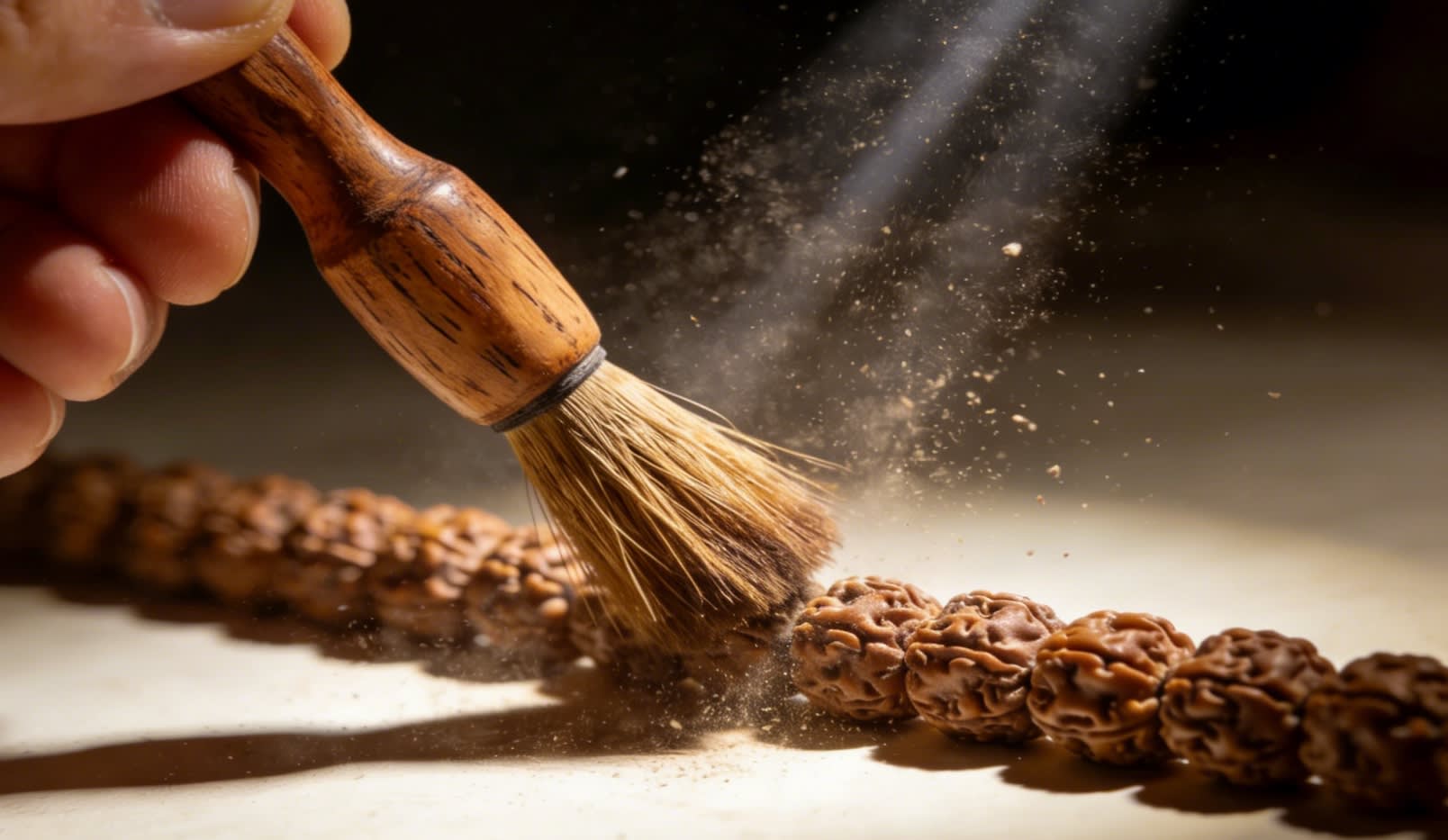
- The Polish: For textured seeds, use a brush to sweep across the crevices. The repetitive, rhythmic sound of the bristles against the seeds is, in itself, a form of white noise that clears the mind.
4. Baojiang: The Reward of Patience
The ultimate goal in this craft is Baojiang. This is the translucent, protective patina that develops over years of human interaction. It is not something you can buy; it is something you earn.
In a world addicted to instant gratification, there is something deeply rebellious about the slow process of Baojiang. You cannot use chemicals, and you cannot rush it. Attempting to artificially wax the beads creates a “dead”, waxy shine that lacks the soul of a naturally aged string. I see it as a mirror for professional growth: success is rarely about the final coat of paint, but rather the cumulative result of thousands of hours of quiet, consistent effort.
5. Maintenance: Protecting Your Investment
If you treat your beads with the same care as a high-quality teapot used in traditional tea culture, they will last a lifetime.
- Environment is Key: Seeds are natural materials. Sudden shifts from an overly dry, air-conditioned office to a humid outdoor environment can cause them to crack. When I’m not using my beads, I always tuck them into a small, breathable fabric pouch.
- Sweat Management: While natural skin oils are the primary “fuel” for the patina, excessive salt from heavy perspiration can leave a cloudy residue. If I’ve been using them during a particularly stressful or warm day, I wipe them down with a soft, clean cotton cloth.
- The “Rest” Cycle: Just like a muscle, beads need time to recover. Don’t play with them 24/7. Following a “five days on, two days off” cycle allows the oils to soak in and the surface to harden properly.
Final Thoughts: The Zen of the Click
Panwan is the “slow-tech” remedy to our high-tech burnout. It offers a tangible anchor in a world that often feels ephemeral. Whether you are navigating the complex social codes of gift-giving to Chinese partners or simply looking to find a moment of silence in a crowded city, the rhythmic click and the deepening warmth of the beads provide a private, portable sanctuary.
Next time the pressure begins to mount, don’t just reach for your phone. Reach for your beads. Don’t just rub them—curate them. In the process of refining the wood or the seed, you may find that you are quietly, steadily, refining your own inner peace.
Interested in the deeper science of traditional materials? Check out our Introduction to Wenwan Culture or learn how to maintain your own collection in our guide to Wenwan Gourds.
Disclaimer: As an Amazon Associate, ChinaCurator earns from qualifying purchases.