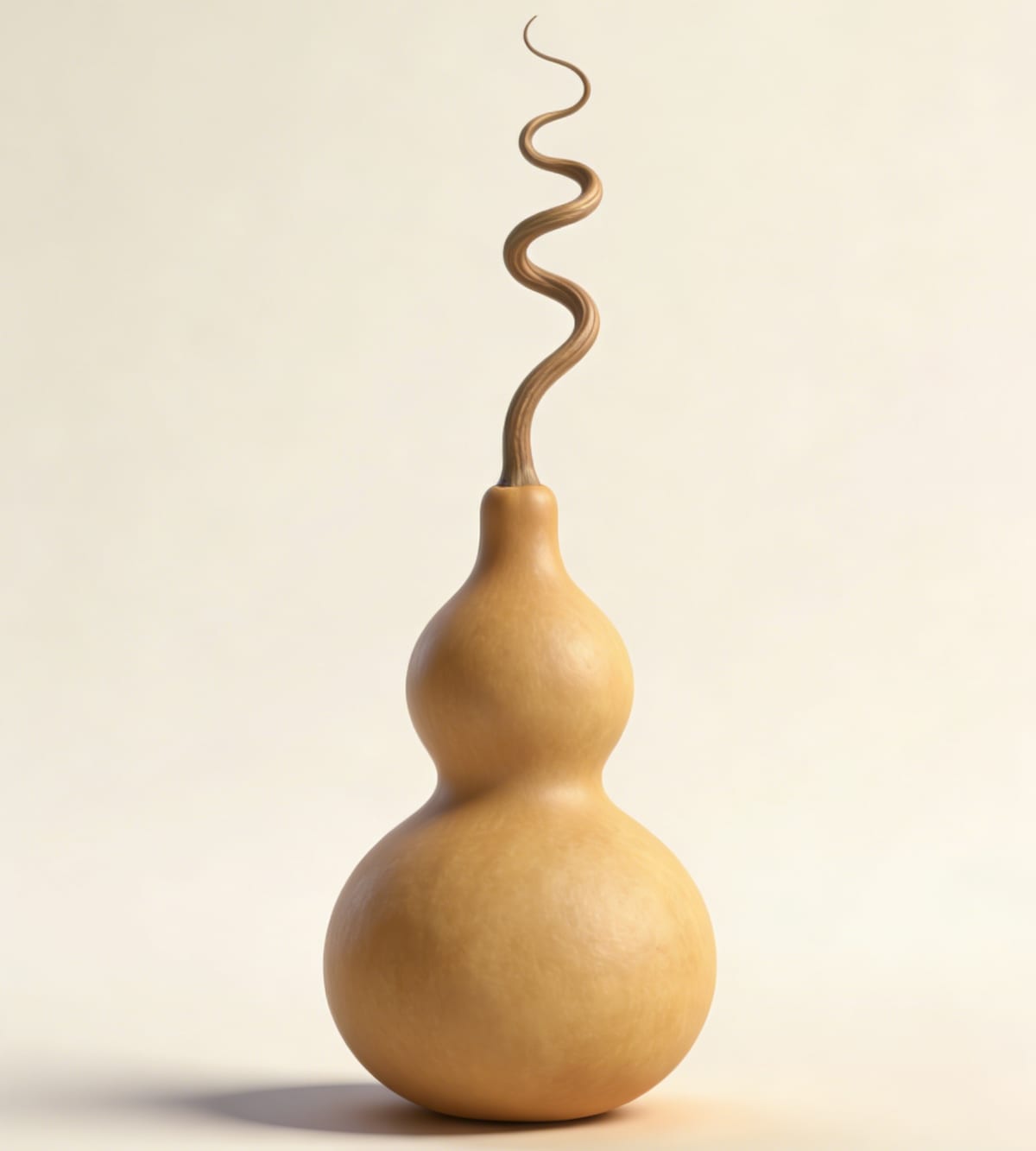
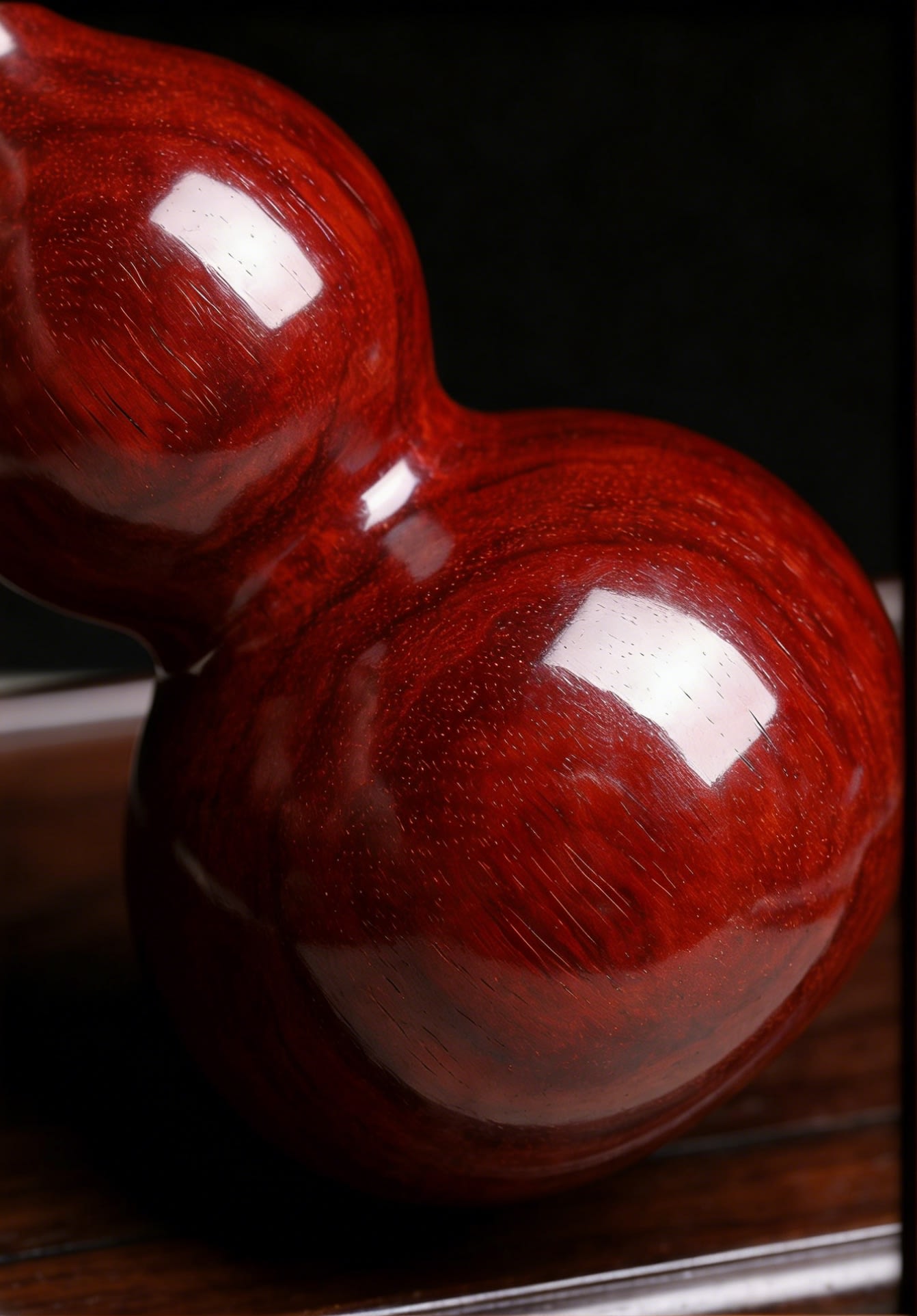
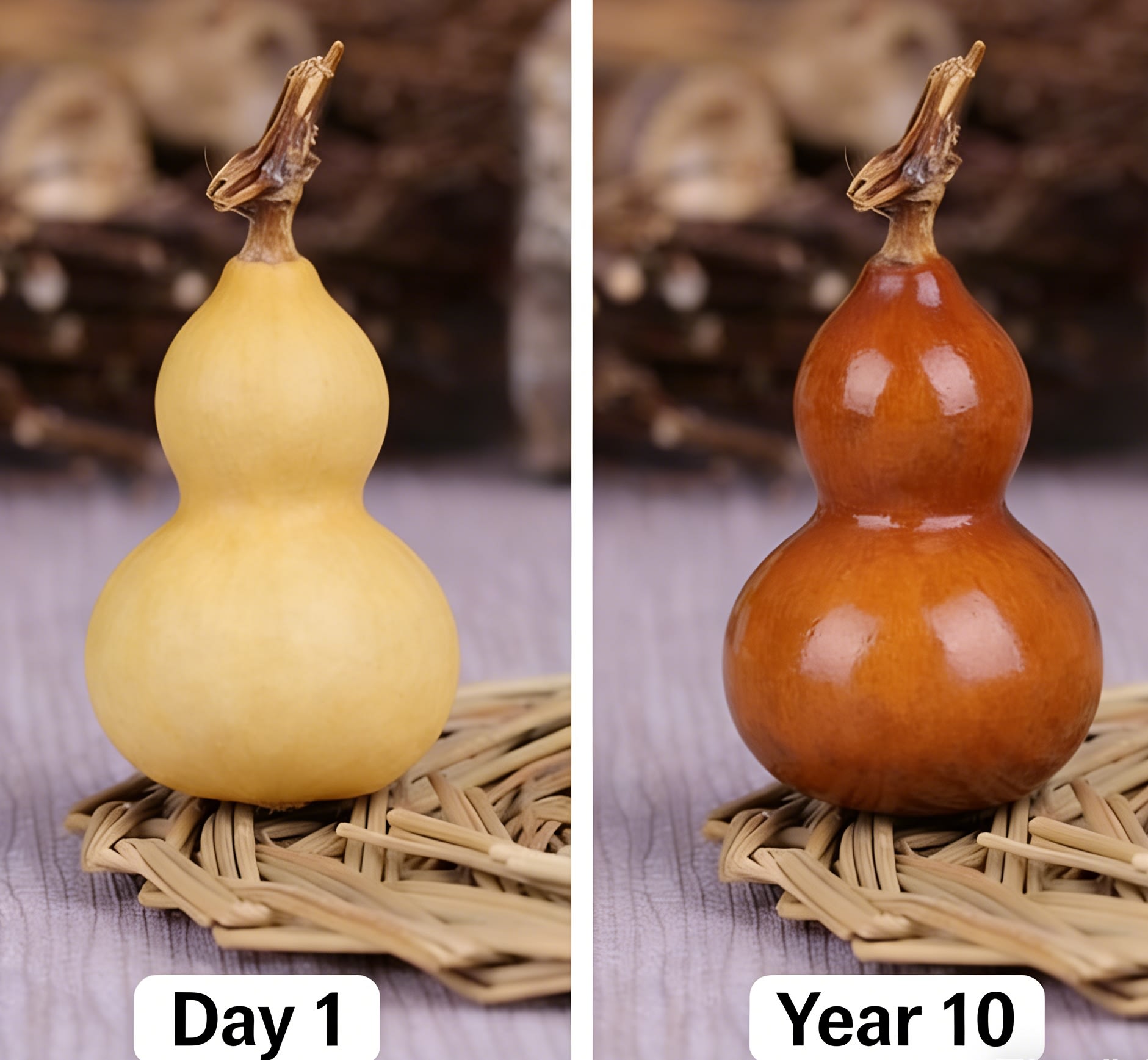
In the quiet corners of a traditional Chinese scholar’s study, you might find an object that seems to defy the frenetic pace of modern life. It is not an antique jade carving, nor a rare painting, but a simple, dried vegetable—a Wenwan Gourd (文玩葫芦 húlu). While most possessions depreciate or remain static, the hulu is a living partner. It begins its journey as a humble, pale-yellow skin and, through years of dedicated “playing” (Panwan), transforms into a radiant, mahogany-colored masterpiece that glows with the depth of aged amber.
For the modern professional—perhaps you are navigating the high-stakes environment of a global project launch or managing complex digital infrastructures—the gourd offers a rare, tactile escape. It is a hobby that rewards the exact type of patience and steady consistency required to build something lasting. This guide explores the intricate path of selecting, cleaning, and cultivating a gourd that will stay with you for decades.
1. The Philosophy of the “Hulu”
The word for gourd, hulu, is a phonetic echo of fulu (福禄), which carries the profound meaning of “fortune and wealth.” In the tradition of Wenwan (literati collectibles), we do not simply “own” these objects; we are their temporary stewards.
When you hold a gourd, you are participating in a meditative cycle. As you rotate the smooth, cooling surface between your palms, you are essentially “polishing” your own state of mind. A gourd that has been played for a decade is more than a curio; it is a physical chronicle of the owner’s focused attention. If you are intrigued by this slow, deliberate approach to life, you may also find solace in the meditative art of bead rubbing, which shares the same underlying philosophy of patience.
2. Selection: The Foundation of Success
Just as a software architecture requires a clean codebase to function, a great Baojiang (the coveted patina) requires a high-quality “raw” gourd. If you start with a low-density specimen, your color will inevitably remain muddy, no matter how many years you invest.
| Selection Criteria | What to Look For | Professional Red Flags |
|---|---|---|
| Skin Density | A heavy feel relative to size; a metallic "clack" when tapped with a fingernail. | Light, "papery" texture; a dull, hollow sound. |
| Symmetry | A perfect "8" shape with a sturdy, upright stem (Longtou). | Crooked neck or brittle, easily broken stems. |
| Skin Color | Uniform cream or "virgin" yellow without bruising. | Large green or gray patches (indicating premature harvest). |
| Surface Integrity | Smooth, poreless skin that reflects light even before playing. | Visible scarring, insect bites, or deep "sun-scorch" marks. |
3. Dealing with Imperfections: The “Black Spot” Protocol
One of the most common anxieties for a new curator is the sudden appearance of dark spots. These are often caused by improper drying environments or, quite simply, sweat transferring onto the gourd during the early stages. Do not panic; this is a natural part of the evolution.
Professional Restoration Steps:
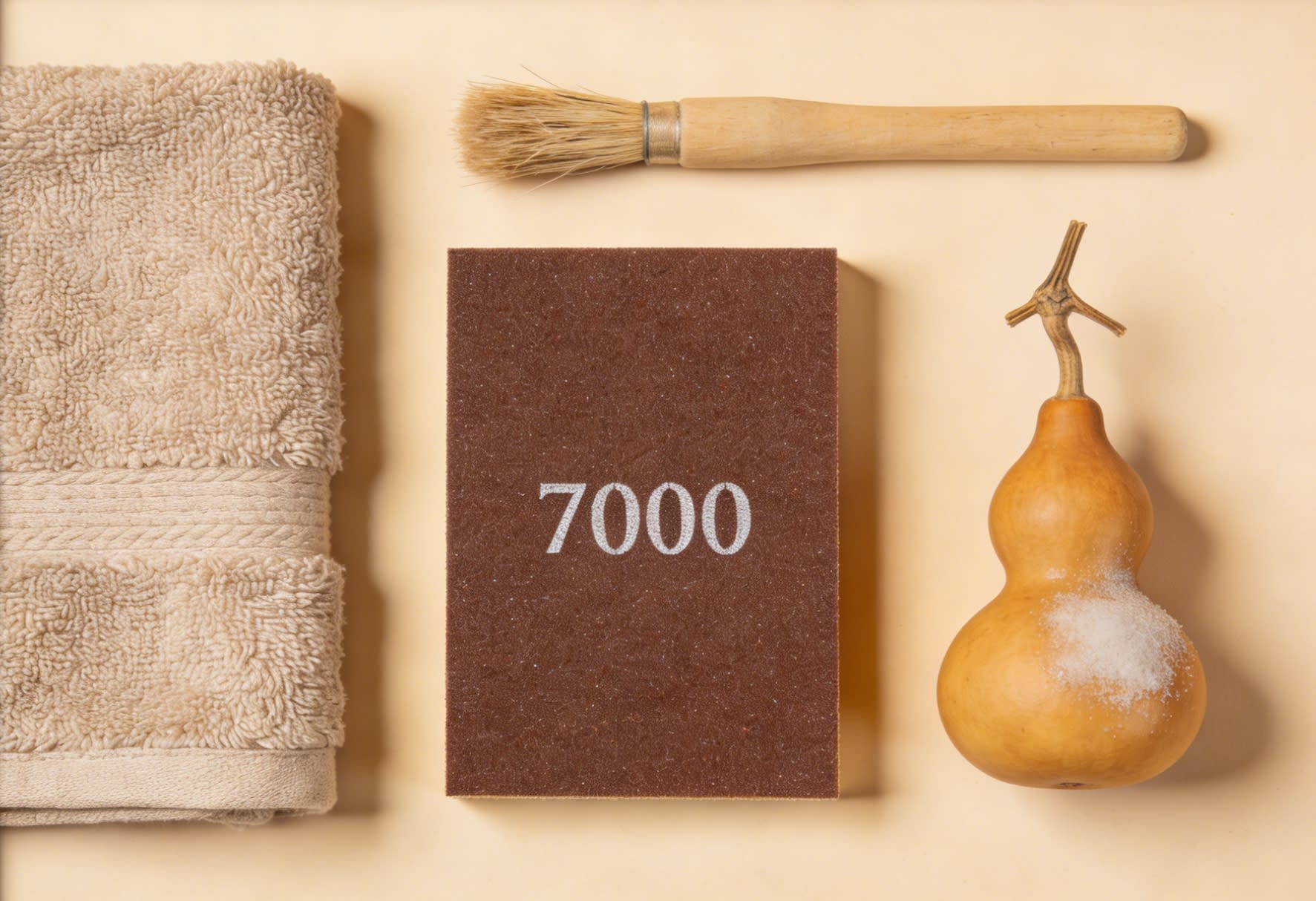
- Mechanical Cleaning: Use a dry, high-density nano-sponge. Never introduce water. Rub the spot in a gentle, circular motion. If the spot is new, consistent friction with a clean microfiber cloth will often lift the impurity.
- Fine-Grit Polishing: If the spot has become embedded in the epidermis, use a tiny piece of high-grit sandpaper (5000-7000 grit). You must treat this like a surgical procedure, shaving only the microscopic top layer.
- Stabilization: After removal, do not touch the area with your bare fingers for at least 48 hours. Let the gourd’s natural oils redistribute to seal the “wound” naturally.
4. Advanced “Panwan” Techniques
Achieving that glassy, translucent finish—the dream of every collector—requires a disciplined, almost liturgical schedule. It is an exercise in delayed gratification.
The “Clean Hands” Mandate
The natural sebum on your skin is the “fuel” that creates the patina. However, sweat and environmental grime are the enemies. Always wash your hands with an oil-free soap before handling your gourd. If you suffer from clammy palms, use a pure cotton glove for the first six months.
The Cycle of Oxidation
- Week 1-4: Focus on 20 minutes of daily play with a soft cloth to “close” the surface pores.
- Month 2-6: Direct hand contact. You will see the gourd shift from pale yellow to a light, warm honey hue.
- The “Rest” Phase: For every 5 days of intensive play, let the gourd sit undisturbed in a dark, dry silk bag for 2 days. This “rest” allows the oils you have transferred to oxidize and harden, forming the foundation of the Baojiang layer.
5. The Modern Context: Why We Slow Down
In a 2026 landscape defined by algorithmic speed, 5G connectivity, and the constant urge to “upgrade,” the hulu remains stubbornly analog. Whether you are using a sturdy wooden display stand to keep your gourd safe or carrying it in your pocket during a commute, it serves as a physical grounding force.
It reminds us that not everything can be optimized. You cannot “buy” a 20-year patina; you can only live it. The rich, mahogany luster of the gourd is a direct reflection of your own life’s rhythm and the time you have quietly invested. If you want to dive deeper into the history of such objects, I highly recommend reading my introductory guide on what Wenwan is to better understand the prestige behind these collectibles.
6. Pro Tips for 2026 Collectors
- Avoid “Cheating”: Never apply olive oil, walnut oil, or furniture wax. These artificial shortcuts will trap dust and eventually turn the gourd into a muddy, “dead” brown. The patina should be earned through your own skin oils.
- Climate Control: If you live in an arid region, store your collection in a wooden case with a small humidity-control pack (ideally 45-50% humidity) to prevent the shell from becoming brittle.
- The “Longtou” Protection: The stem (Longtou) is the most fragile part of the gourd. If you intend to carry it daily, consider a custom-fitted silk wrap to prevent the stem from snapping off during a sudden bump.
Final Thoughts
Wenwan is a journey of refinement—not just for the object, but for the curator. It teaches us that beauty is often found in the slow, persistent accumulation of effort. Whether you are starting with a tiny, thumb-sized hulu or a massive vessel, remember that every touch is a step toward its final, golden destiny.
Ready to expand your collection? Explore the next level of literati playthings in our Guide to Wenwan Walnuts and Beads.
Disclaimer: As an Amazon Associate, ChinaCurator earns from qualifying purchases.