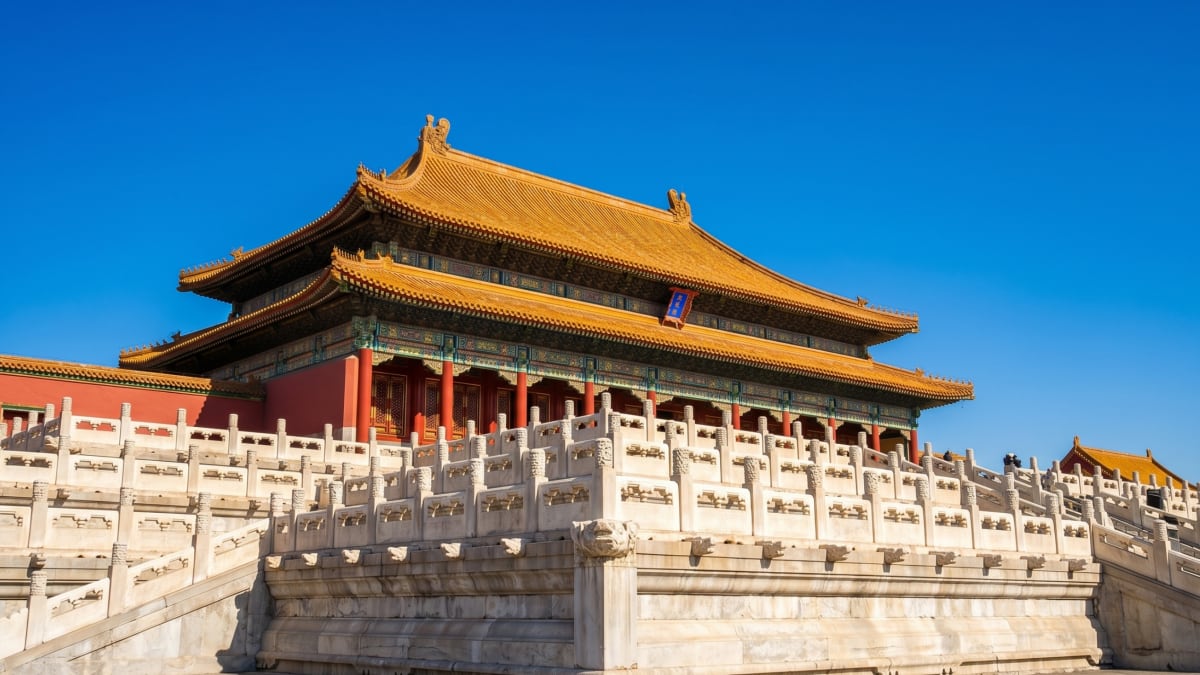
In 2026, the most coveted ticket in China isn’t for a sold-out pop concert—it’s for a fleeting glimpse of a 3,000-year-old bronze mask or a delicate thread of silk salvaged from the ancient Silk Road. Museum Hopping (博物馆巡礼 - bówùguǎn xúnlǐ) has evolved into the ultimate lifestyle flex for the modern, curious traveler. When I first stepped into the vast, silent corridors of a major Chinese museum, I felt the weight of millennia pressing against my pulse; it was not merely observation, but a visceral connection to the past. With over 6,000 museums scattered across the country, narrowing down your itinerary can feel overwhelming. I’ve distilled the list to the “Big Five”—these are the 5A-rated institutions that don’t just hold history; they breathe it.
The 2026 Museum Revolution: Why It’s “Cool” Now
If you still imagine museums as sterile, dusty rooms filled with nothing but broken pots, you haven’t stepped inside one in China lately. In 2026, these spaces have morphed into high-tech, immersive storytelling hubs that feel less like archives and more like portals. We have collectively moved past the restrictive “Do Not Touch” era and transitioned into the age of ‘Digital Resurrection’ (数字复活 - shùzì fùhuó), where augmented reality pulls shadows from the past into the light.
Whether you are a student mining the past for creative inspiration or a traveler seeking that perfect, soul-stirring frame, these landmarks offer a profound sense of ‘Yanhuoqi’ (烟火气 - the vibe of human life). It is this warmth—expressed through their vibrant gift shops and serene teahouses—that makes history feel startlingly current. To see how these institutions have mastered the art of competing for our attention, check out my guide on beyond the glass: 5 world-class 5a museums in china you can’t miss in 2026.
1. The Palace Museum: The Red Fortress (北京故宫博物院)
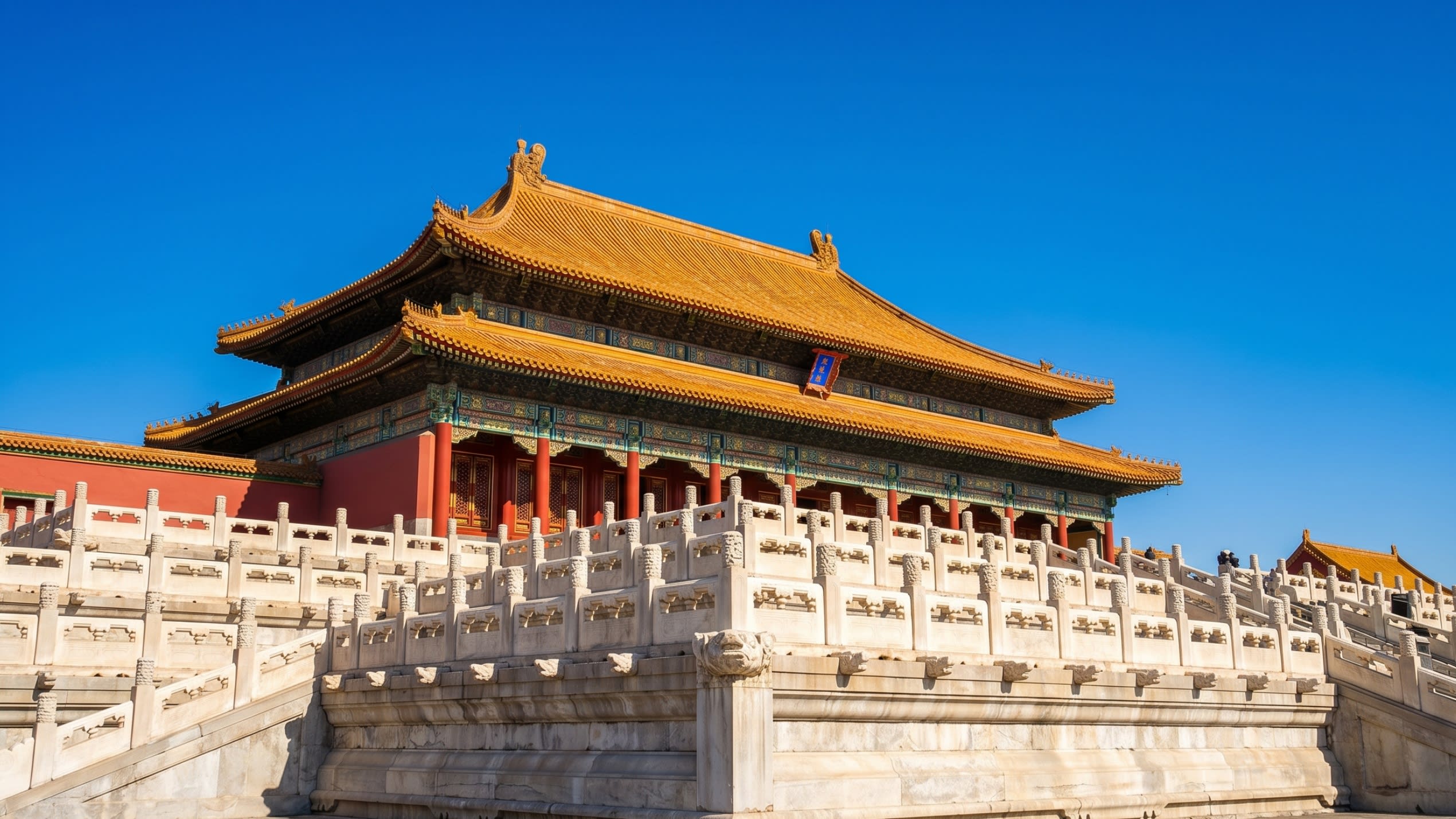
You cannot truly grasp the scale of imperial power without walking the Forbidden City. In 2026, the Palace Museum has unlocked even more “Hidden Galleries” in the western quarters, offering a glimpse into the domestic lives of the Qing emperors.
- The Personal Experience: I always recommend bypassing the main central axis if you want to avoid the crushing weight of the ‘People Mountain People Sea’ (人山人海 - rénshānrénhǎi). Instead, head straight for the Treasure Hall (珍宝馆 - zhēnbǎoguǎn). There, the sheer opulence of gold and jade left me breathless.
- Survival Tip: Tickets remain the “Impossible Dream” of China travel. You must book exactly 7 days in advance via the WeChat mini-program at midnight. It is a digital gauntlet, but standing in the heart of the world’s largest palace complex makes every click worth it. For those focusing on the capital, my insider’s classic one-day citywalk is an essential companion.
2. Sanxingdui Museum: The “Alien” Enigma (三星堆博物馆)
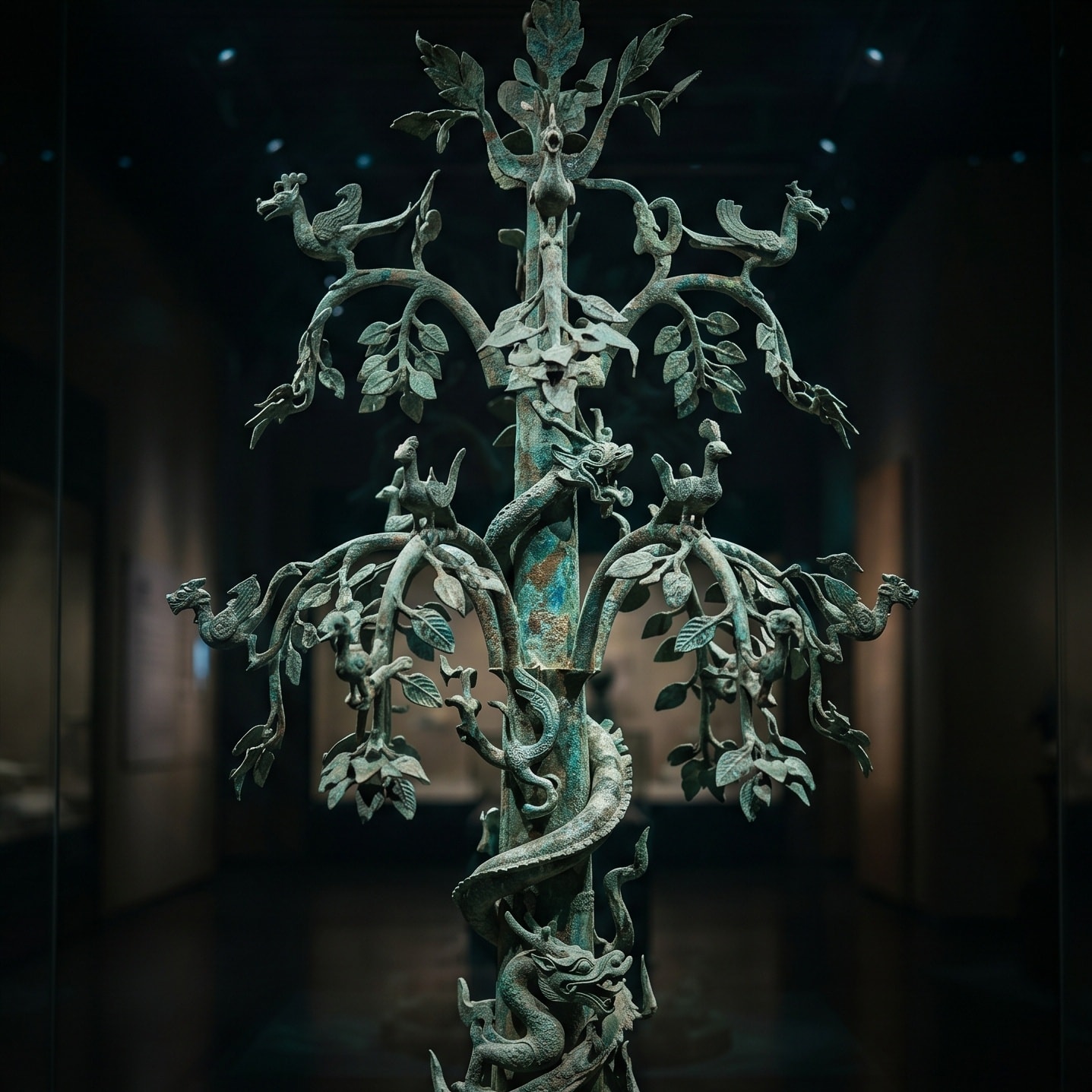
Located in Guanghan, Sichuan, Sanxingdui is arguably the greatest archaeological mystery of the century.
- The Vibe: Giant bronze masks with exaggerated, protruding eyes and towering, spindly trees dominate the hall. Standing before them, it felt more like science fiction than ancient history. In 2026, the new Star-view Pavilion utilizes high-fidelity AR glasses to demonstrate how these massive structures were originally cast 3,000 years ago. It challenged everything I thought I knew about ancient metallurgy.
3. Shaanxi History Museum: The Tang Dynasty Time Machine (陕西历史博物馆)
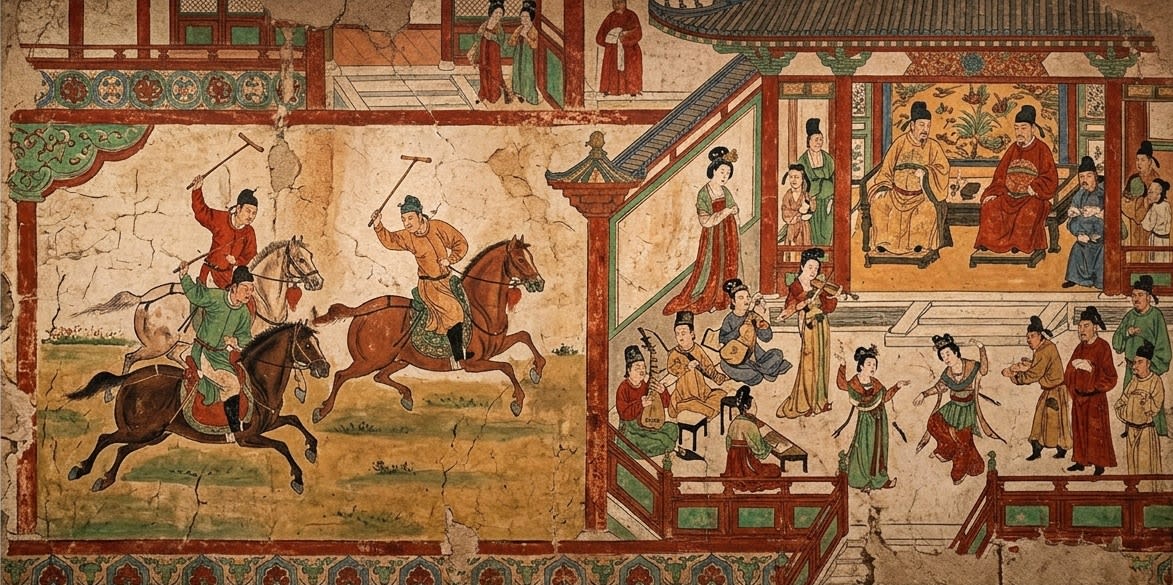
Xi’an is the city of kings, and this museum acts as its golden treasury. Known widely as the “Pearl of Ancient Capitals,” it houses the soul of the Tang Dynasty.
- The Highlight: The Mural Hall of Tang Dynasty Tombs (唐代壁画珍品馆). These murals depict scenes of polo matches and foreign envoys with such vivid color that it felt like the artists had just stepped away from their canvases.
- Curator’s Tip: The museum enforces a strict ‘Quiet Policy.’ It is the ultimate refuge in Xi’an for those looking to escape the city’s roar and meditate on the Silk Road’s legacy. If you have extra time, follow my time-traveler’s guide to the terracotta army and beyond.
4. Nanjing Museum: The Republic’s Elegance (南京博物院)
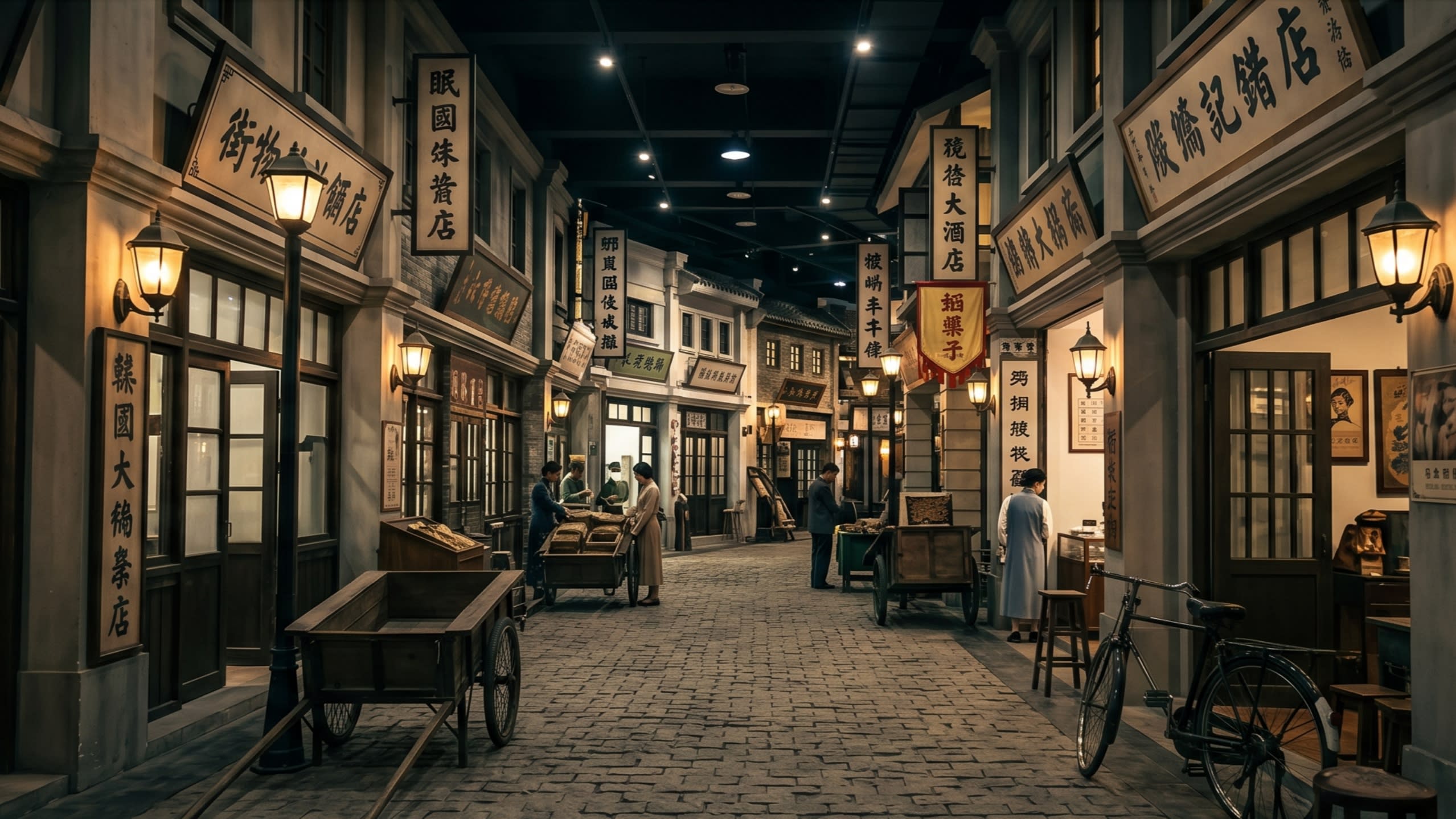
Nanjing Museum is truly a “Museum of Museums,” housing twelve distinct halls that bridge the gap between prehistoric artifacts and modern intangible heritage.
- The Secret Level: You must head to the Republic of China Hall (民国馆 - mínguóguǎn) in the basement. It is a full-scale, immersive reconstruction of a 1930s street. I spent an hour wandering through the old post office, eventually buying a vintage-style snack and a postcard to send to a friend. The nostalgia there is thick enough to cut with a knife.
5. Liaoning Provincial Museum: The Calligrapher’s Paradise (辽宁省博物馆)
For those traveling in the Northeast, this institution is a world-class gem that somehow stays under the radar for many international tourists.
- The Collection: It houses perhaps the finest collection of ancient Chinese Calligraphy and Painting in the world.
- The Experience: I found the museum’s “Ink Lab” to be a meditative highlight, where I tried my hand at traditional woodblock printing. It provided a tactile, soothing experience that balanced perfectly against the heavy, industrial energy of nearby Shenyang.
Museum Hopping Comparison Matrix (2026 Edition)
| Museum | Primary Vibe | Must-See Item | Crowd Level |
|---|---|---|---|
| Palace Museum | Imperial & Golden | Ceramic Galleries | Ultra High |
| Sanxingdui | Mystic & Otherworldly | Bronze Sacred Tree | High |
| Shaanxi History | Grand & Scholarly | Tang Gold/Silverware | High |
| Nanjing Museum | Elegant & Diverse | Republic Era Street | Medium |
| Liaoning Prov. | Poetic & Subtle | Song/Yuan Paintings | Low (Insider Gem) |
Fueling the Hop: Museum Gastronomy
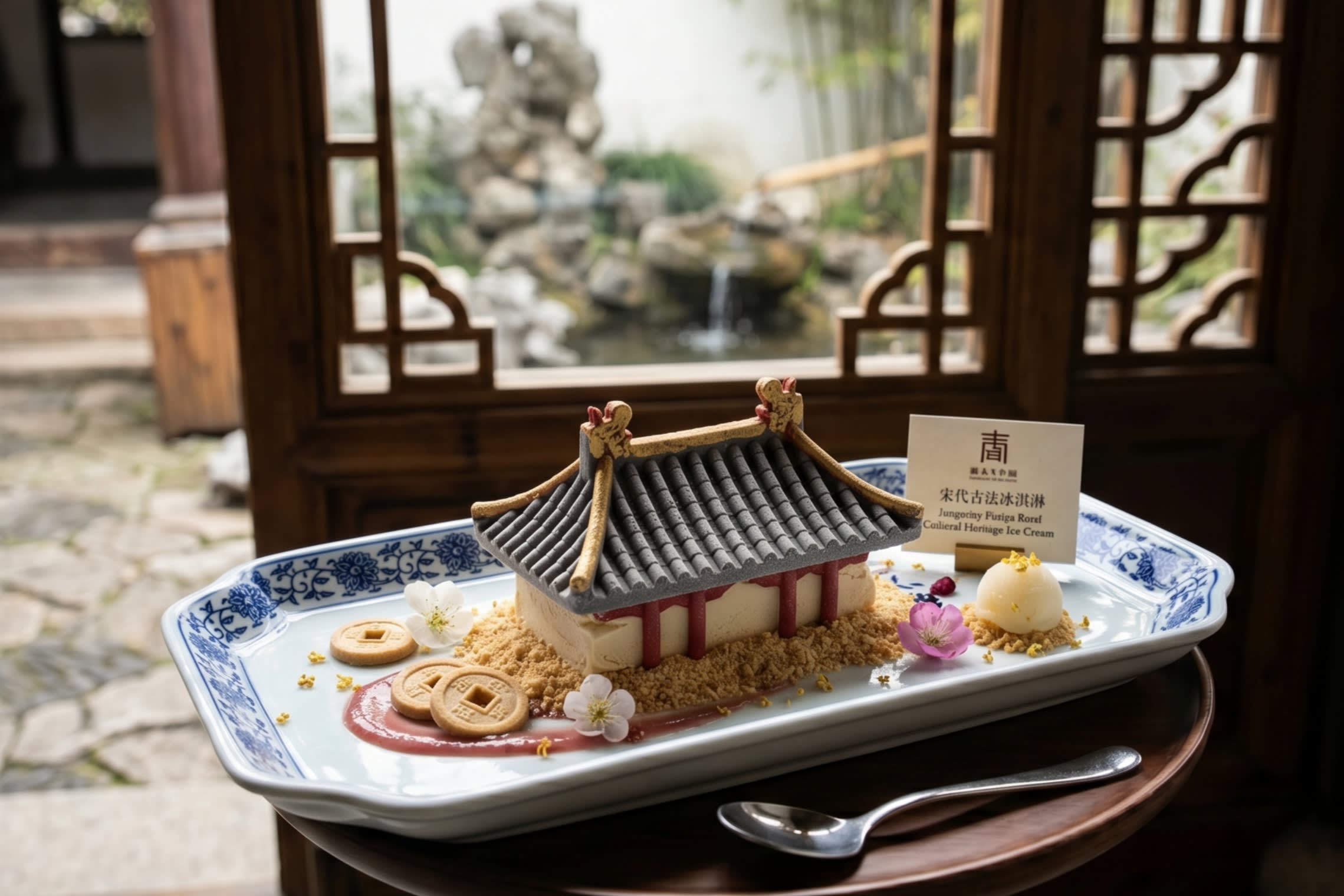
In 2026, the museum dining experience has graduated from cafeteria food to a “Cultural Salon.” I’ve found that one of the most delightful ways to conclude a visit is by indulging in the themed treats now standard in these spaces. Many museums now serve exquisitely crafted ice cream shaped like the very icons you’ve just seen behind the glass. In Xi’an, I once spent an afternoon enjoying a traditional tea ceremony using beautiful, artisan-made ceramic tea sets, replicas of Tang Dynasty designs. It is a small but powerful ritual that turns a simple snack break into an extension of the exhibition itself.
Traveler’s Language Survival Table (Museum Edition)
| English | Chinese & Pinyin |
|---|---|
| Have you booked a ticket? | 抢到票了吗? (Qiǎng dào piào le ma?) |
| Where is the audio guide? | 语音导览在哪里? (Yǔyīn dǎolǎn zài nǎlǐ?) |
| Is flash photography allowed? | 可以拍照吗? (Kěyǐ pāizhào ma?) |
| This artifact is breathtaking. | 这个文物太震撼了。 (Zhège wénwù tài zhènhàn le.) |
| Where is the gift shop? | 文创店在哪里? (Wénchuàng diàn zài nǎlǐ?) |
Final Thoughts
Museums in China are no longer merely about the past; they are about how the past empowers our collective future. In 2026, standing before a Song Dynasty landscape painting or a Ming Dynasty vase isn’t just a history lesson—it’s an encounter with timeless beauty.
My advice? Don’t try to see everything. Pick three “Star Artifacts” per museum and truly spend time with them. Let the ‘Shanshui’ (山水 - mountains and water) of the paintings wash over your senses. Before you head out, pack your durable power bank to ensure your camera stays alive for every shot, and remember that comfortable walking shoes are the true key to a successful cultural pilgrimage. Enjoy the journey.
Disclaimer: As an Amazon Associate, ChinaCurator earns from qualifying purchases.