In Rome, you walk over history; in Xi’an, you breathe it. As the terminus of the ancient Silk Road and the once-mighty capital of 13 dynasties, Xi’an is a city of layers. By 2026, it has transformed into a masterclass of “Living History,” where you might find yourself scanning a QR code to pay for a piping hot snack under the shadow of a thousand-year-old watchtower. For the history-obsessed traveler, 72 hours here isn’t merely a vacation—it is a deep, immersive dive into the very DNA of Chinese civilization.
The “First Emperor” Challenge: Navigating the Terracotta Warriors
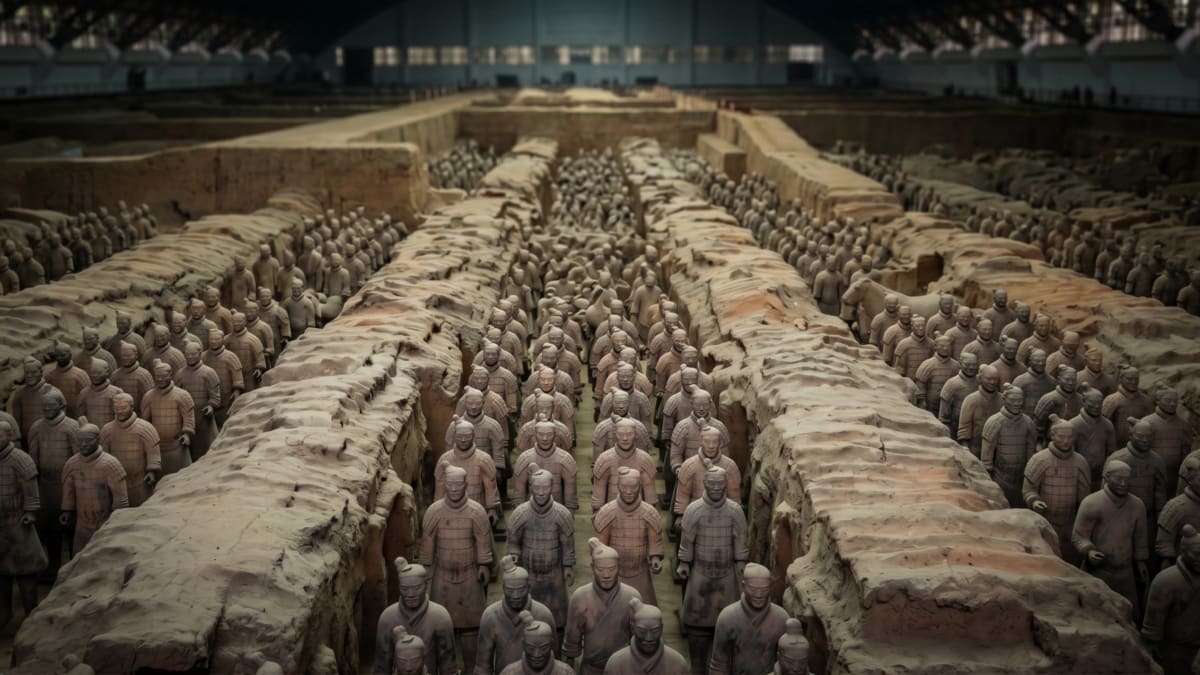
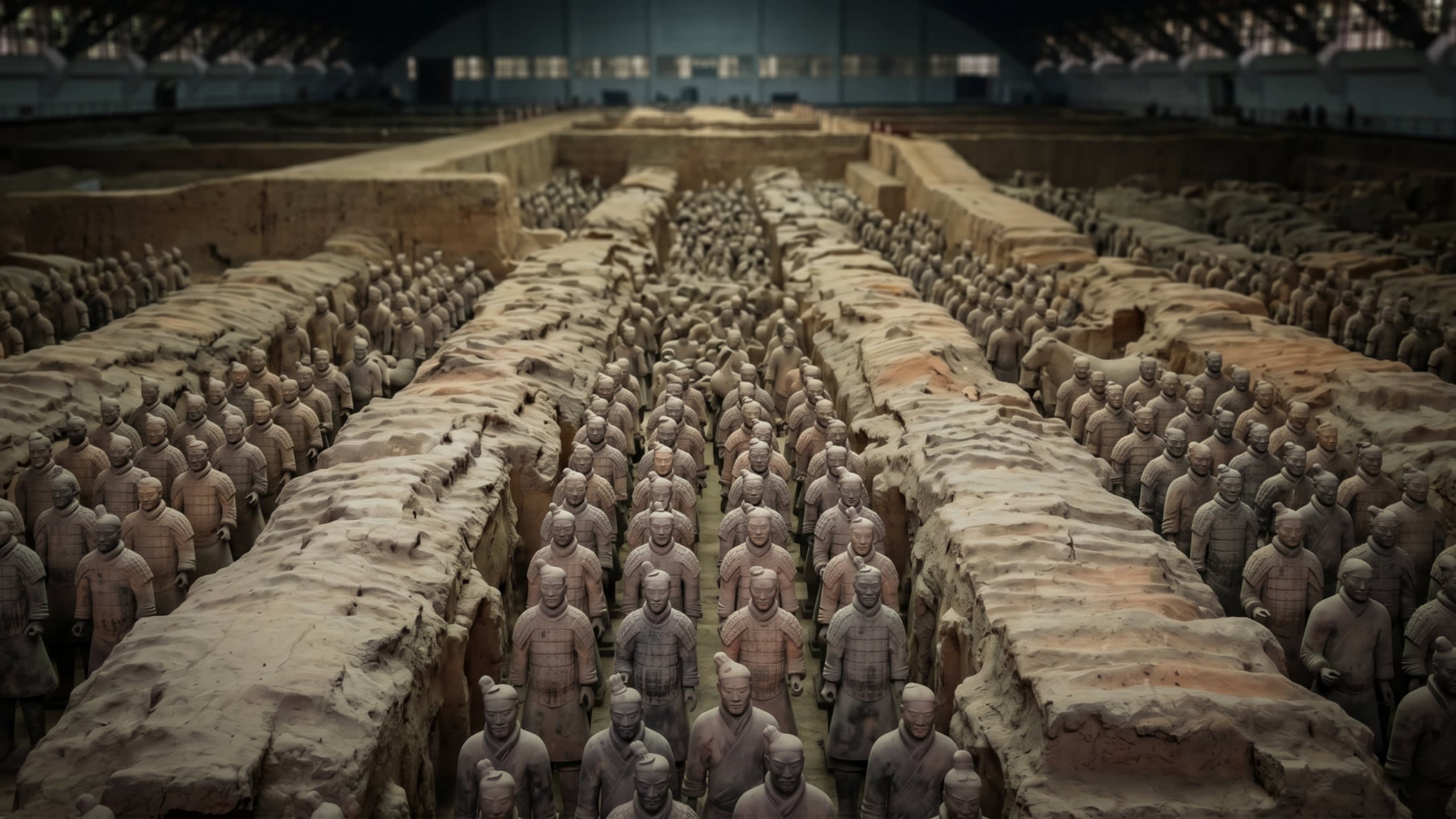
The Terracotta Army (兵马俑 - Bīngmǎyǒng) remains the undisputed crown jewel of China’s 5A-rated heritage sites. It is, quite simply, the reason most travelers make the pilgrimage to Xi’an. However, the sheer scale of its popularity means you need to be strategic.
- Booking Rituals: You must secure your timeslot at least seven days in advance via the official WeChat mini-program. As an international visitor, ensure your physical passport is on your person; the facial recognition kiosks at the entrance are sophisticated, fast, and entirely unforgiving if your credentials don’t match the booking.
- The Pit 1 Strategy: Most tourists swarm the front of Pit 1 the moment they enter. I recommend resisting the urge. Walk directly to the back of the pit. This is where you’ll find the restoration zones, where archaeologists painstakingly assemble life-sized soldiers like a 3D puzzle from antiquity. It’s quiet, intimate, and infinitely more profound.
- Pro-Tip: Don’t let the local “black market” guides—often lurking near the parking lots—derail your morning. Stick to the official shuttle services. For more on how to navigate the technical side of traveling across China’s tech-forward hubs, take a look at my guide on essential apps for China travel.
Day 1: Cycling Through Time on the Ancient City Wall
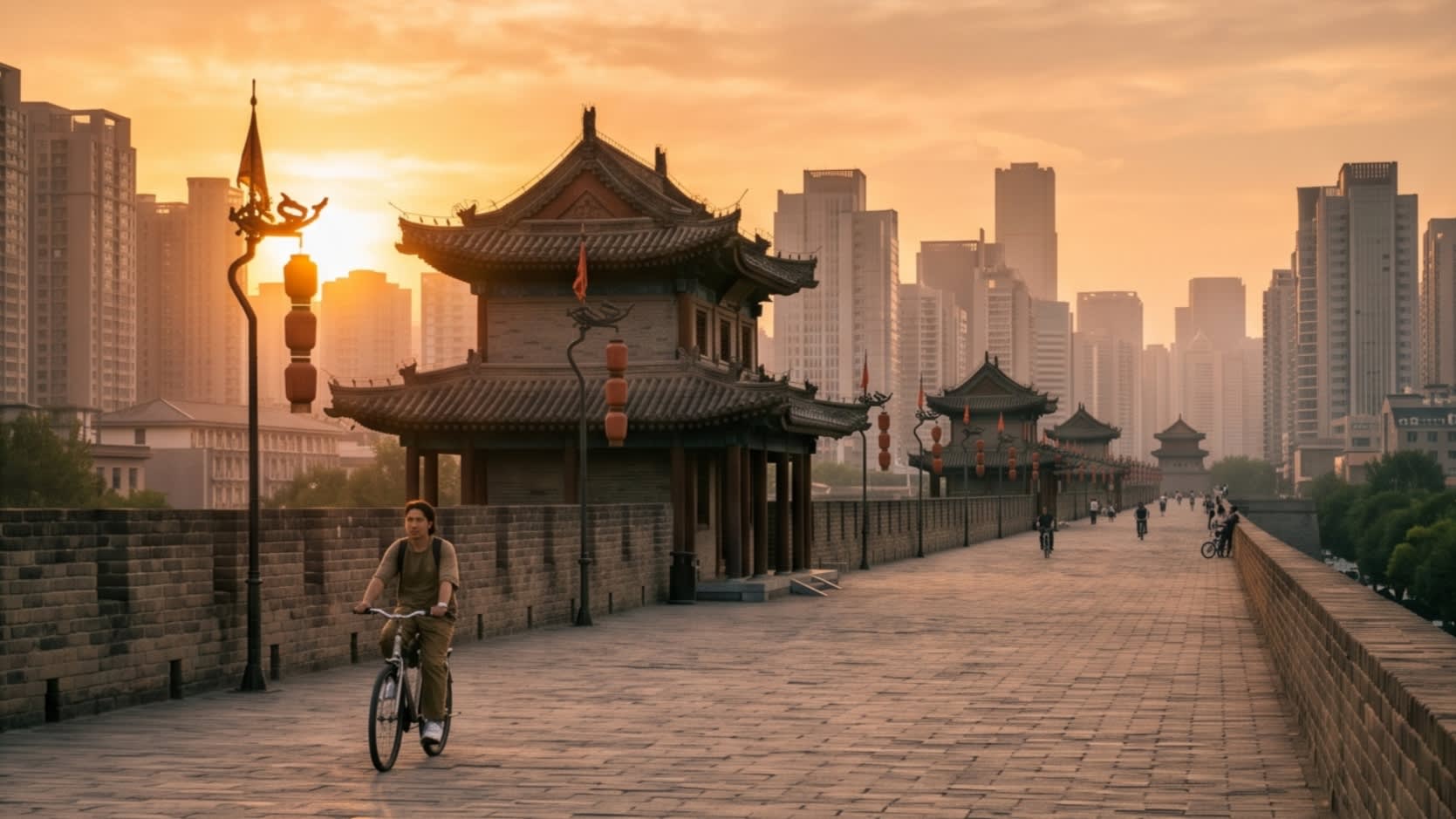
The Xi’an City Wall (西安城墙) stands as the most complete ancient fortification system in the country. Spanning nearly 14 kilometers, it wraps around the city core like a protective, stone-hewn dragon. Walking the entire perimeter is a grueling feat, but cycling it? That is pure magic.
- Golden Hour Strategy: Rent a bike at the South Gate (Yongning Gate) around 5:30 PM. As you pedal along the ancient brickwork, the sun begins to dip behind the modern skyscrapers of the city, while the traditional red lanterns perched on the wall flicker to life. The contrast between the silent, heavy history of the stone and the neon pulse of the modern streets below is intoxicating. It’s a rhythmic, physical connection to the past that no museum can replicate.
Day 2: The Neon Tang Dynasty – Grand Tang Ever-bright City
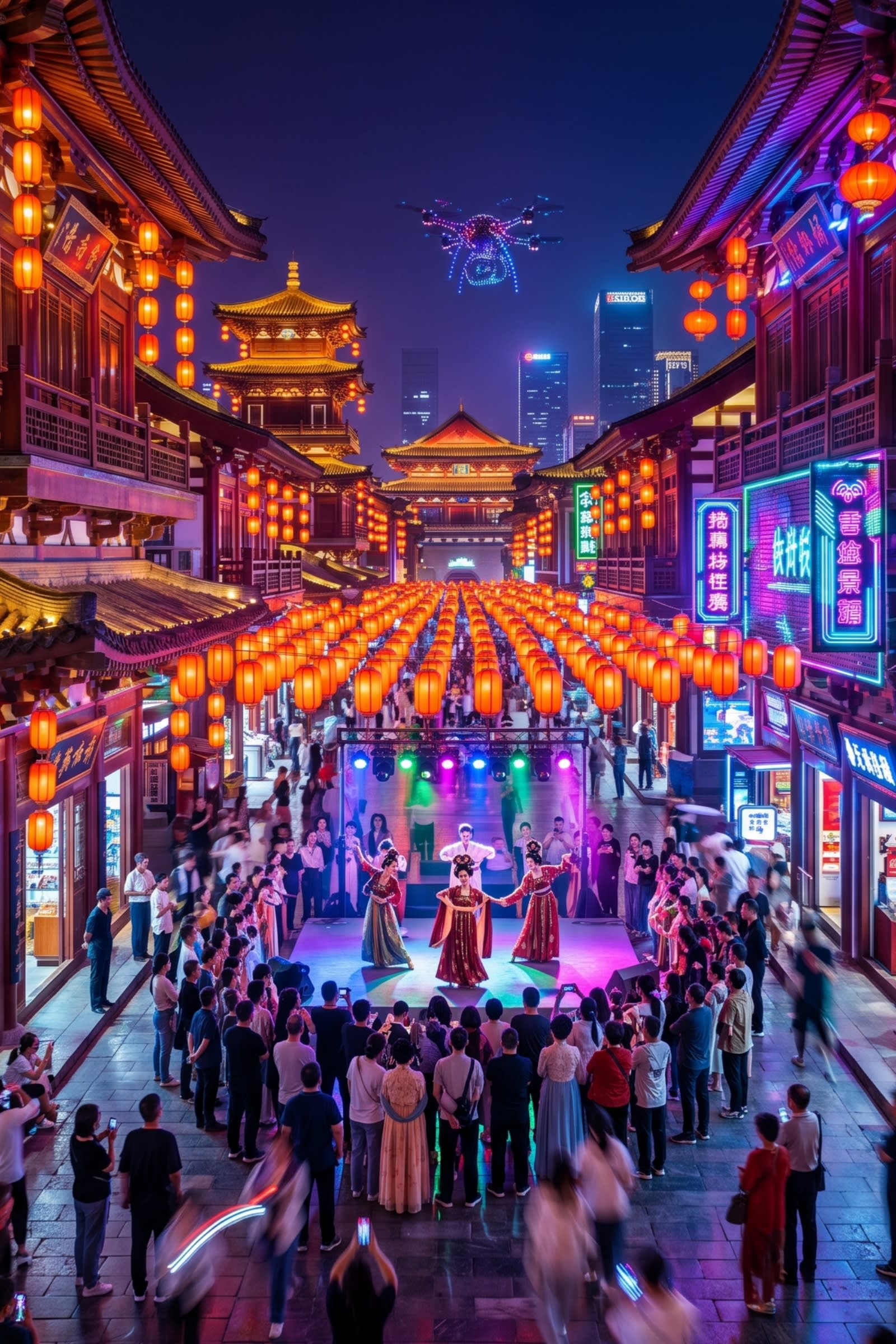
Xi’an doesn’t drift into sleep; it glows. The Grand Tang Ever-bright City (大唐不夜城) is a pedestrian thoroughfare that feels less like a mall and more like a fever dream of the Tang Dynasty filtered through the glitz of Las Vegas.
- Atmosphere and AR: The streets are packed with visitors dressed in elegant, flowing Hanfu (traditional robes). In 2026, the tech integration has reached a new peak; you can rent AR glasses that overlay digital, shimmering Tang-style palaces onto the existing architecture.
- The “Tumbler” Phenomenon: Keep an eye out for the famous “Tumbler” (Bùdǎowēng) performers. They glide across the stage on hidden bases, moving with an eerie, graceful fluidity that has turned them into viral legends. For a deeper dive into the technological and cultural shifts of modern China, read my analysis on China’s high-tech cooling ecosystems and how they shape public spaces.
Day 3: The “Beyond” – Mount Hua (Huashan)
If you have a 72-hour window, you have just enough space to attempt a day trip to Mount Hua (华山), one of the Five Sacred Mountains and a legendary 5A destination.
- The Plank Walk (长空栈道): Often cited as the “World’s Most Dangerous Hike,” this involves navigating a narrow, weathered wooden plank bolted directly into a sheer vertical cliffside. You are harnessed to a chain, your boots scraping against the stone, looking down into a terrifying void of misty valleys. It is a true test of nerve.
- Logistics: Board the High-Speed Rail from Xi’an North to Huashan North—a breezy 30-minute commute. For those who want to master the rail network like a local, read my ultimate guide to booking high-speed trains.

The “Carb Capital”: What to Eat in the Muslim Quarter
Xi’an is affectionately known as the “Carb Capital of China” (碳水之都), and the Muslim Quarter (回民街 - Huímínjiē) is its beating, aromatic heart. The air is heavy with the scent of toasted cumin, sizzling lamb fat, and bubbling broth.
- Roujiamo (肉夹馍): Often called the “Chinese Hamburger,” though that undersells its majesty. Imagine a crispy, oven-baked flatbread, split open and stuffed with tender, slow-braised pork or cumin-spiced beef.
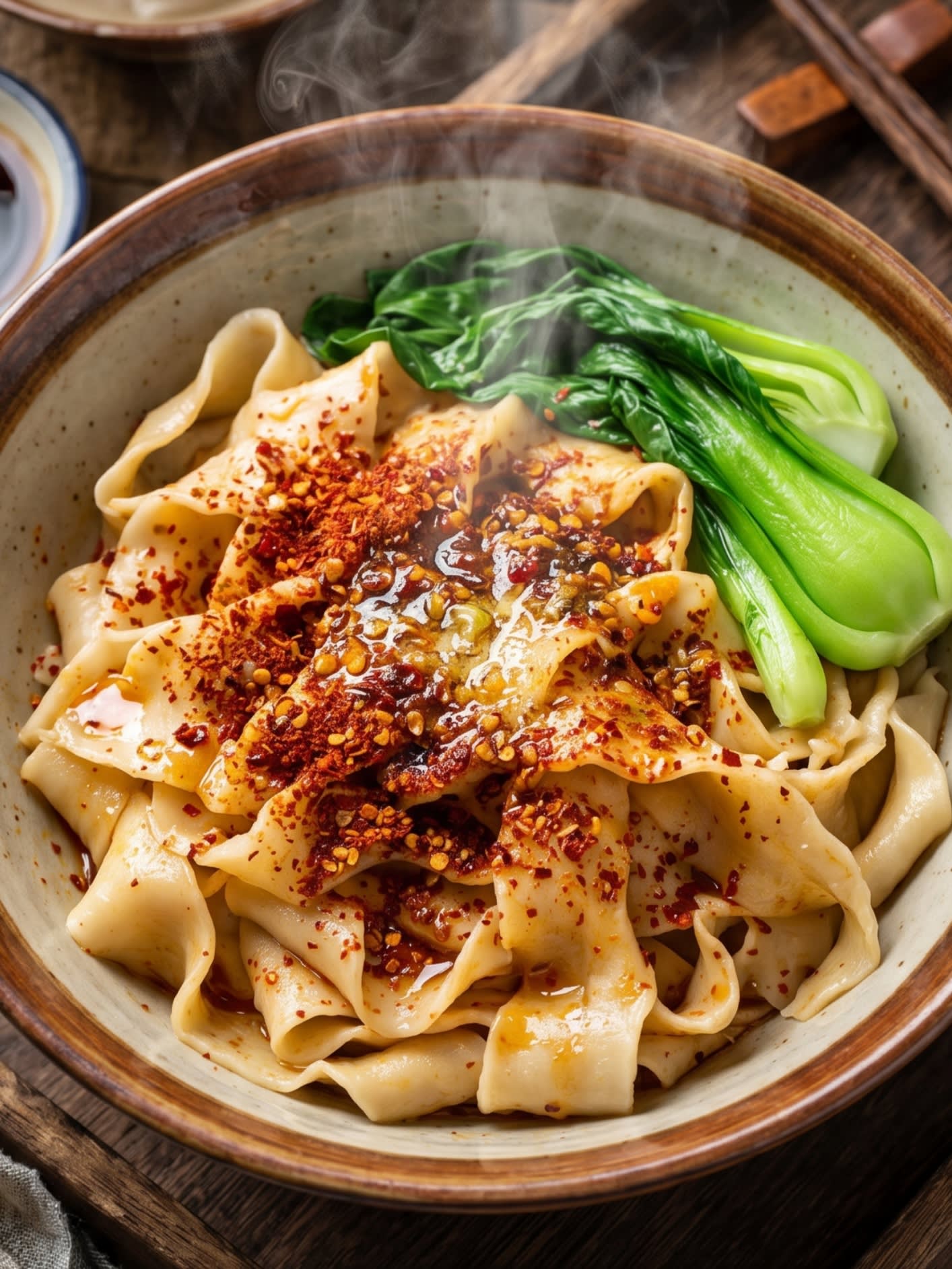
- Biangbiang Noodles: These are hand-pulled into wide, belt-like ribbons. The character for “Biang” is so complex (58 strokes!) it’s a local legend itself. Tossed in fiery chili oil and garlic, they are chewy, spicy, and unforgettable.
- Paomo (泡馍): A quintessential Xi’an experience. You are served a bowl of plain, unleavened bread. You must tear it into tiny pieces yourself before returning the bowl to the kitchen to be flooded with a rich, long-simmered mutton broth. The effort makes the first bite feel like a hard-won prize.
Traveler’s Language Survival Table (Xi’an Edition)
| English | Chinese | Pinyin |
|---|---|---|
| One "Chinese Hamburger," please. | 请给我一个肉夹馍。 | Qǐng gěi wǒ yīgè ròujiāmó. |
| Where is the Terracotta Army? | 兵马俑怎么走? | Bīngmǎyǒng zěnme zǒu? |
| Not too spicy, please! | 不要太辣! | Bùyào tài là! |
Final Thoughts from The Curator
Xi’an is a city where history isn’t just kept under glass; it’s alive in the morning vapor of a noodle stall and the evening light on the city walls. My best advice? Don’t over-plan every minute. Leave room in your 72-hour window to simply sit, watch the city pulse, and absorb the weight of centuries. Xi’an is the soul of ancient China, and in 2026, it is more vibrant than it has been in a millennium.
If you’re looking to recreate some of these flavors at home, you might want to pick up a sturdy carbon steel wok to capture that elusive wok hei for your own noodle dishes.
Disclaimer: As an Amazon Associate, ChinaCurator earns from qualifying purchases.