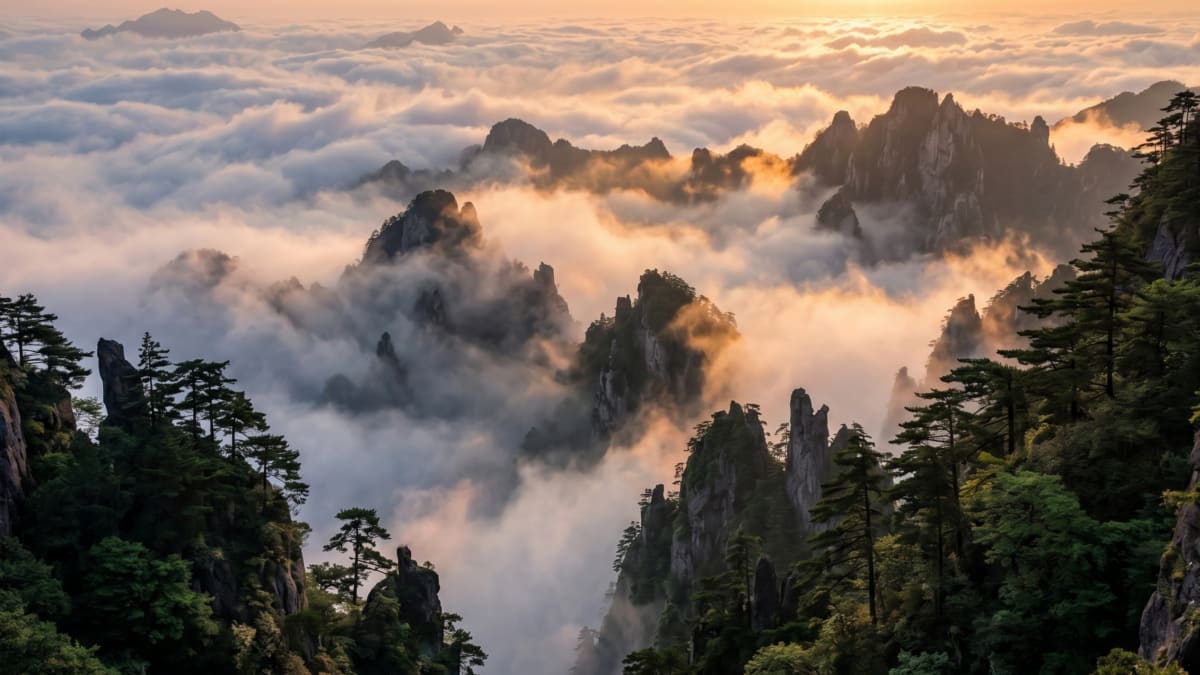
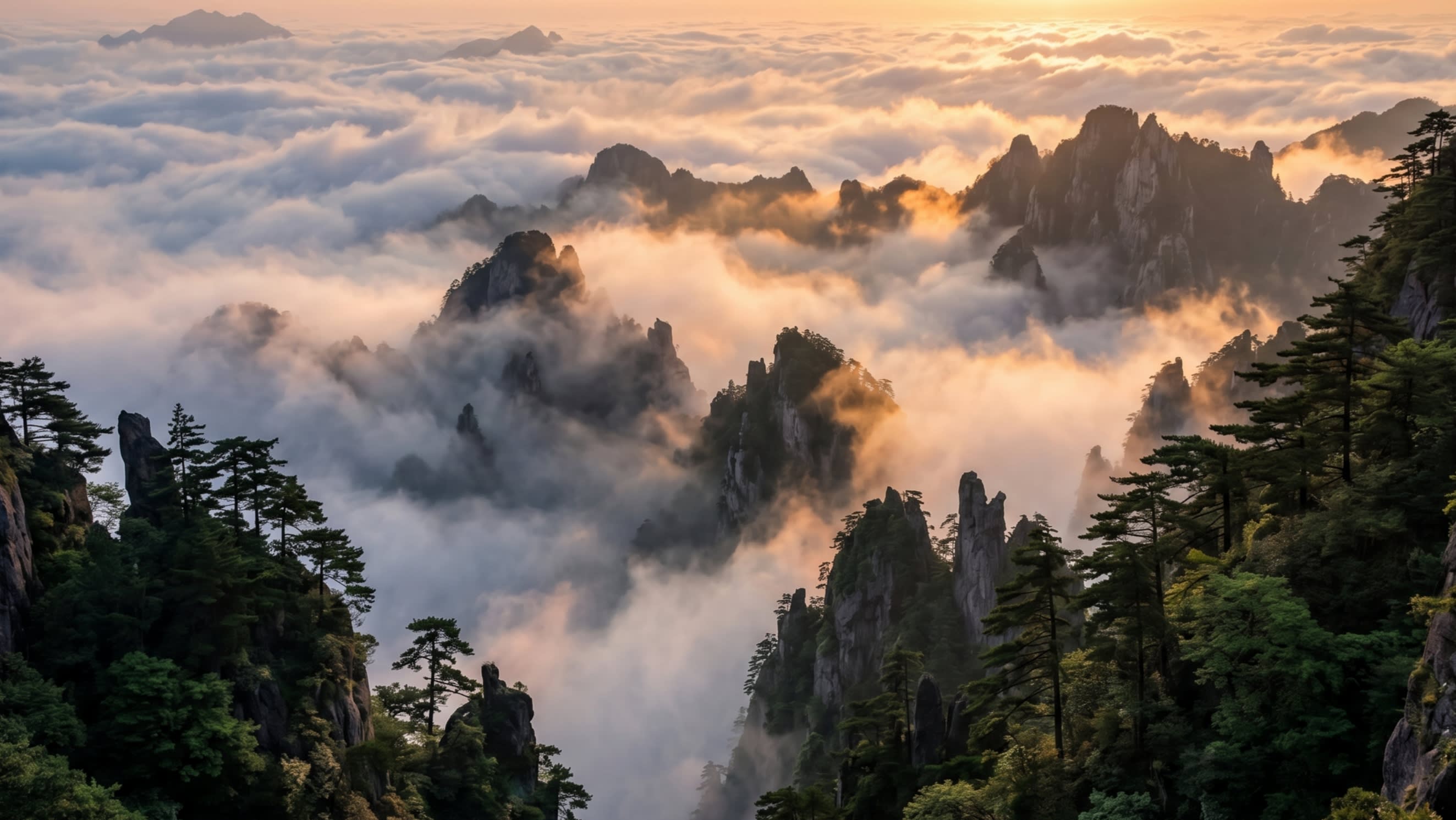
There is a place in Central China where the maps still feel like they have secrets hidden beneath layers of fog. Shennongjia (神农架 - shén nóng jià) is a land of legends: the mythical herbalist Shennong, the elusive ‘Wild Man’ (野人 - yě rén), and a creature that looks like it stepped out of a classical Tang Dynasty ink painting—the Golden Snub-nosed Monkey (金丝猴 - jīn sī hóu).
In 2026, as I find myself drawn again to the ‘Wild Side’ of the Orient, this 5A-rated fortress of biodiversity stands as the ultimate frontier. It is not merely a park; it is a breathing, ancient entity.
Why Shennongjia is the “Holy Grail” of Hubei in 2026
For decades, the dense forests of Hubei were whispered about by scientists and local folklore enthusiasts alike. Today, the Zheng-Wan High-Speed Rail (郑万高铁 - zhèng wàn gāo tiě) has unlocked this once-impenetrable domain. From Yichang (宜昌 - yí chāng), you are now just a short journey from the clouds.
Yet, don’t let the ease of access fool you. Once you step off the platform, the hum of the modern world is quickly silenced by the towering spruce and ancient, twisted larches that have stood here for centuries. Shennongjia demands a different kind of pace. If you are planning your trip, remember that the local government enforces a strict “Smart Capacity Limit” to protect its fragile alpine wetlands. Booking your entry in advance isn’t just a recommendation; it is an absolute necessity if you want to touch the “Roof of Central China.”
For those curious about how this compares to other high-altitude wonders, I often suggest looking into my notes on China in July: High Altitudes and Lavender Fields to understand the unique micro-climates of China’s mountainous terrain.
- A Curator’s Warning: “神农架 (shén nóng jià) 不是那种普通的‘爬山’景区。它是北纬30度最神秘的‘生命禁区’之一。如果你只想在门口转转,那是‘避雷’ (bì léi) 的重点。只有走进原始森林,看着云雾在你脚下散开,你才能理解什么叫‘仙境’ (xiān jìng)。那种震撼感真的是绝绝子 (jué jué zi)。” (Shennongjia is not an ordinary scenic spot for mountain climbing. It is one of the most mysterious wild areas at 30 degrees north latitude. Here is an important tip: don’t just walk around the entrance. Go deep into the old forest. Watch clouds spread below your feet. Then you will know what a fairyland feels like. The experience is really amazing.)
Part 1: Encountering the “Blue” Spirits – Dalongtan (大龙潭)
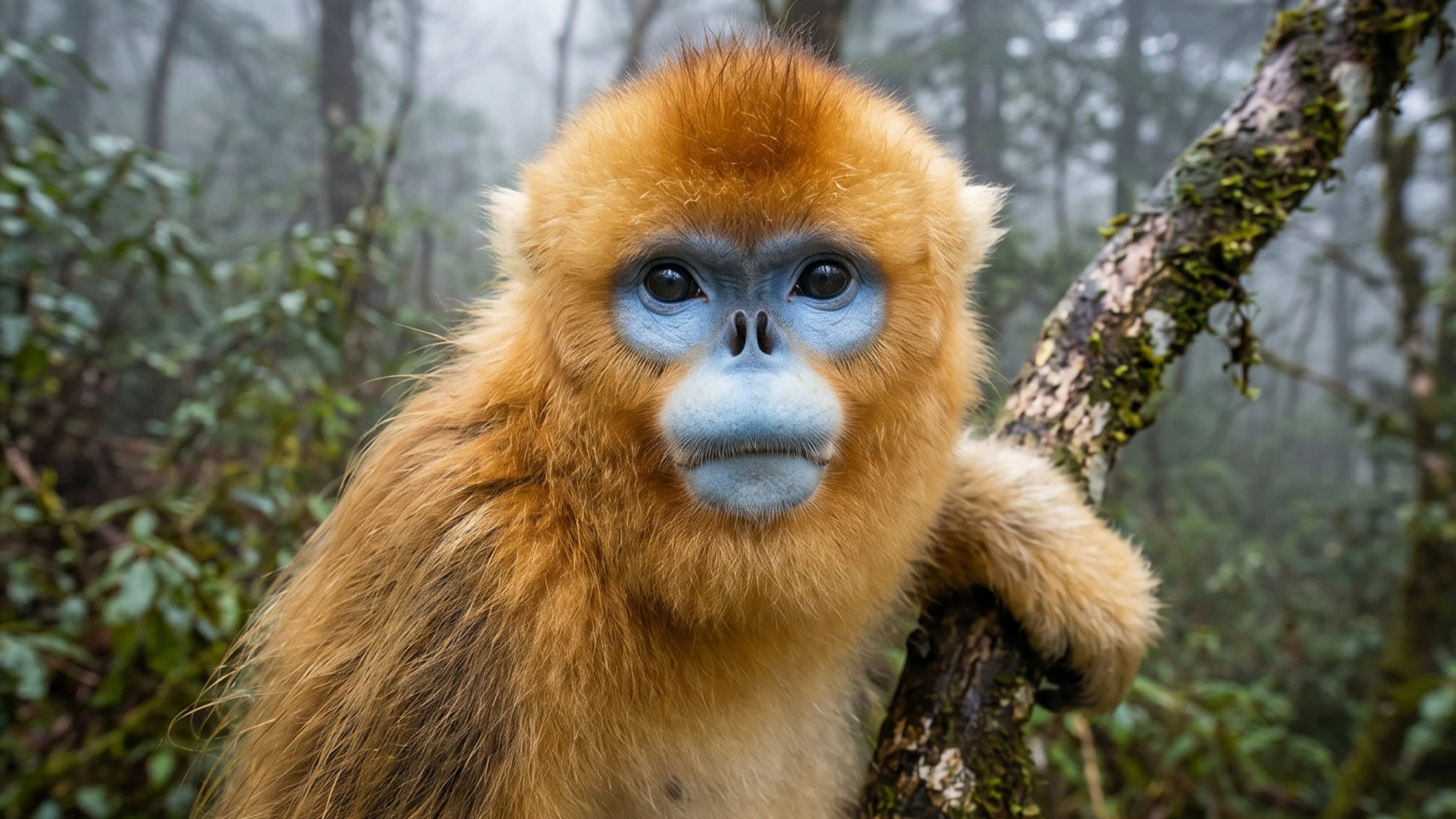
The star of the show, and the reason many of us make the arduous trek, is the Golden Snub-nosed Monkey. Their faces are a peculiar, powdery pale blue, striking an impossible contrast against their vibrant, thick, orange-gold fur.
In 2026, the Dalongtan Golden Monkey Research Center (大龙潭金丝猴科研基地) has refined its viewing process. You will find yourself in a group of no more than ten, standing in absolute silence. These animals are incredibly sensitive to human presence. During my last visit, I watched a mother gently groom her infant while the morning mist clung to the branches. It felt less like a wildlife sighting and more like a brush with a forest spirit.
Pro-Tip: If you are serious about wildlife, compare this encounter with my guide on Beyond the Panda: The 2026 Quest for the ‘Oriental Gem’ and the ‘Forest Spirit’ to see how diverse China’s conservation efforts have become.
Part 2: The Ethereal Mirror – Dajiuhu Wetlands (大九湖)
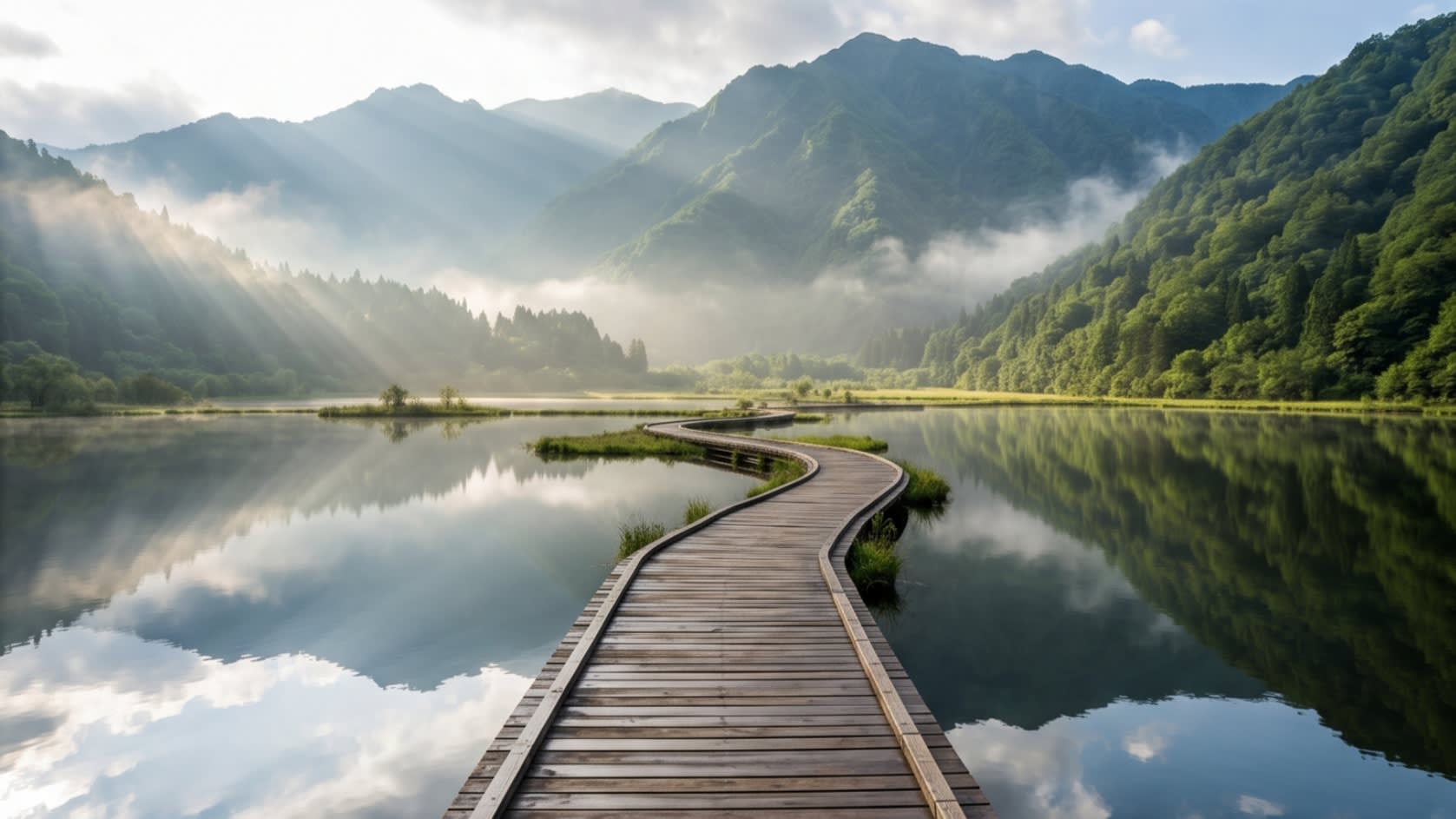
If the monkeys are the forest’s soul, then Dajiuhu (大九湖 - dà jiǔ hú) is its mirror. These nine high-altitude lakes act as a massive sponge for the region. In 2026, you will find no gas-guzzling cars here; the wetlands are traversed via electric Eco-Trams or by walking the winding wooden boardwalks.
If you want the perfect shot, you must be here before the sun crests the ridges. The “Morning Mist” (晨雾 - chén wù) is, quite frankly, legendary. The way the light struggles to pierce through the thick, damp air, hitting the glass-like water, is a masterclass in nature’s own “Shanshui” art. It is a place that demands you put your camera away for a moment and just breathe.
“在大九湖,你会发现时间慢了下来。那种‘人在画中游’ (rén zài huà zhōng yóu) 的感觉非常治愈。如果不在这里住一个晚上,你真的会后悔一辈子。” (In Dajiuhu, time simply slows down. That ‘walking inside a painting’ feeling is incredibly healing. If you don’t stay at least one night, you will regret it for the rest of your life.)
Part 3: Conquering the Peak – Shennong Top (神农顶)
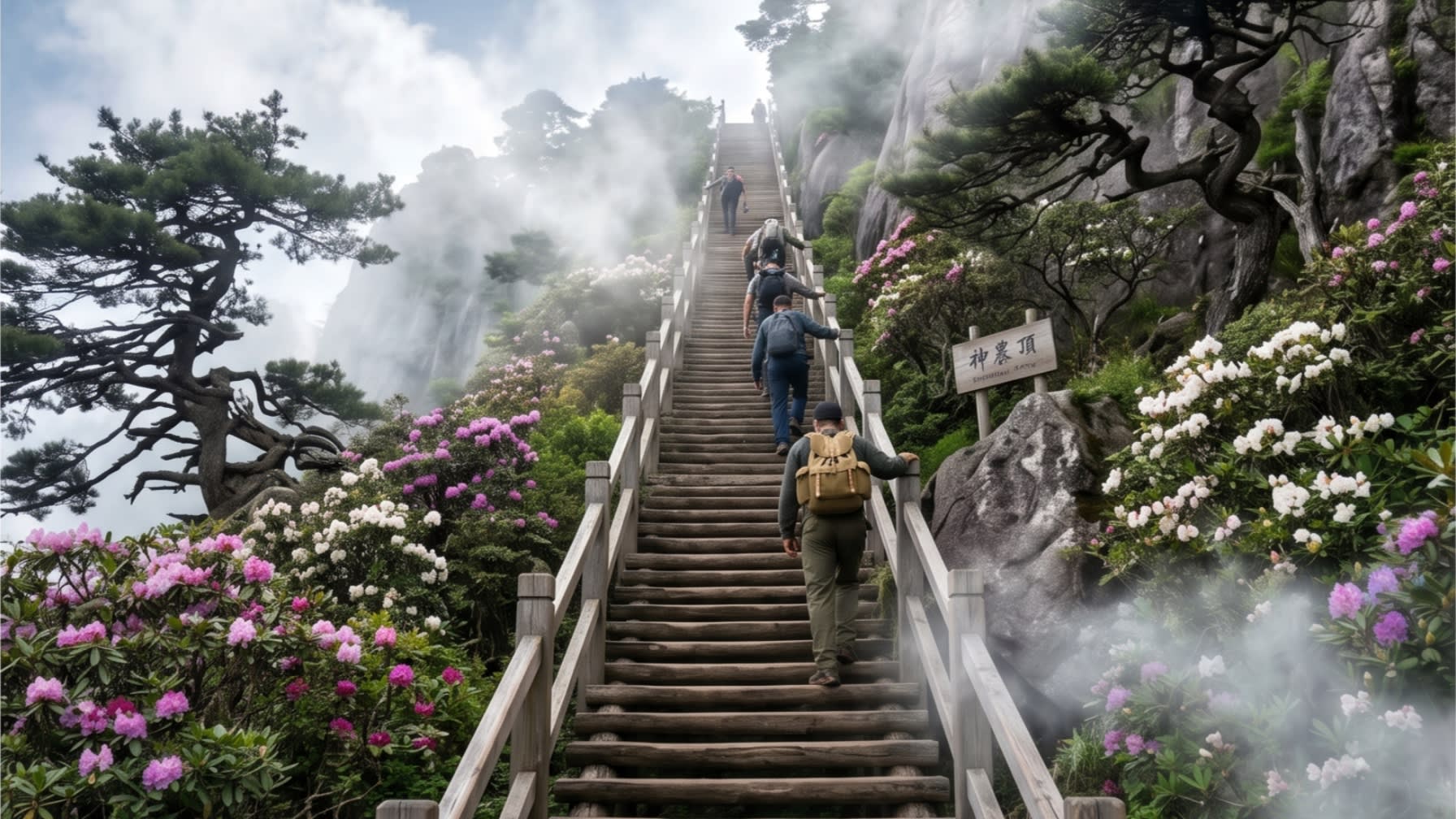
At 3,106 meters, Shennong Top represents the absolute summit of Central China. Here, the landscape shifts from lush forest to the “Stone Sea”—a haunting, barren expanse of weathered limestone and twisted, wind-battered pines.
The climb is not for the faint of heart. You are looking at the infamous “2,999 Steps.” It is a grueling test of lung capacity, especially as the air thins. However, reaching the top, you gain a perspective on the “Broken Bridges”—natural rock formations that ancient travelers once used to navigate these formidable cliffs.
For those who enjoy the thrill of the climb, I highly recommend checking out Suicide Path or Safe Thrill? The 2026 Survivor Guide to Huashan’s Plank Walk for a different kind of vertical experience.
Experience Comparison Matrix
| Location | Primary Vibe | Effort |
|---|---|---|
| Dalongtan | Gentle & Biological | Easy |
| Dajiuhu | Poetic & Serene | Easy |
| Shennong Top | Grand & Brutal | Hard |
Fueling the Adventure: The Bounty of the Forest
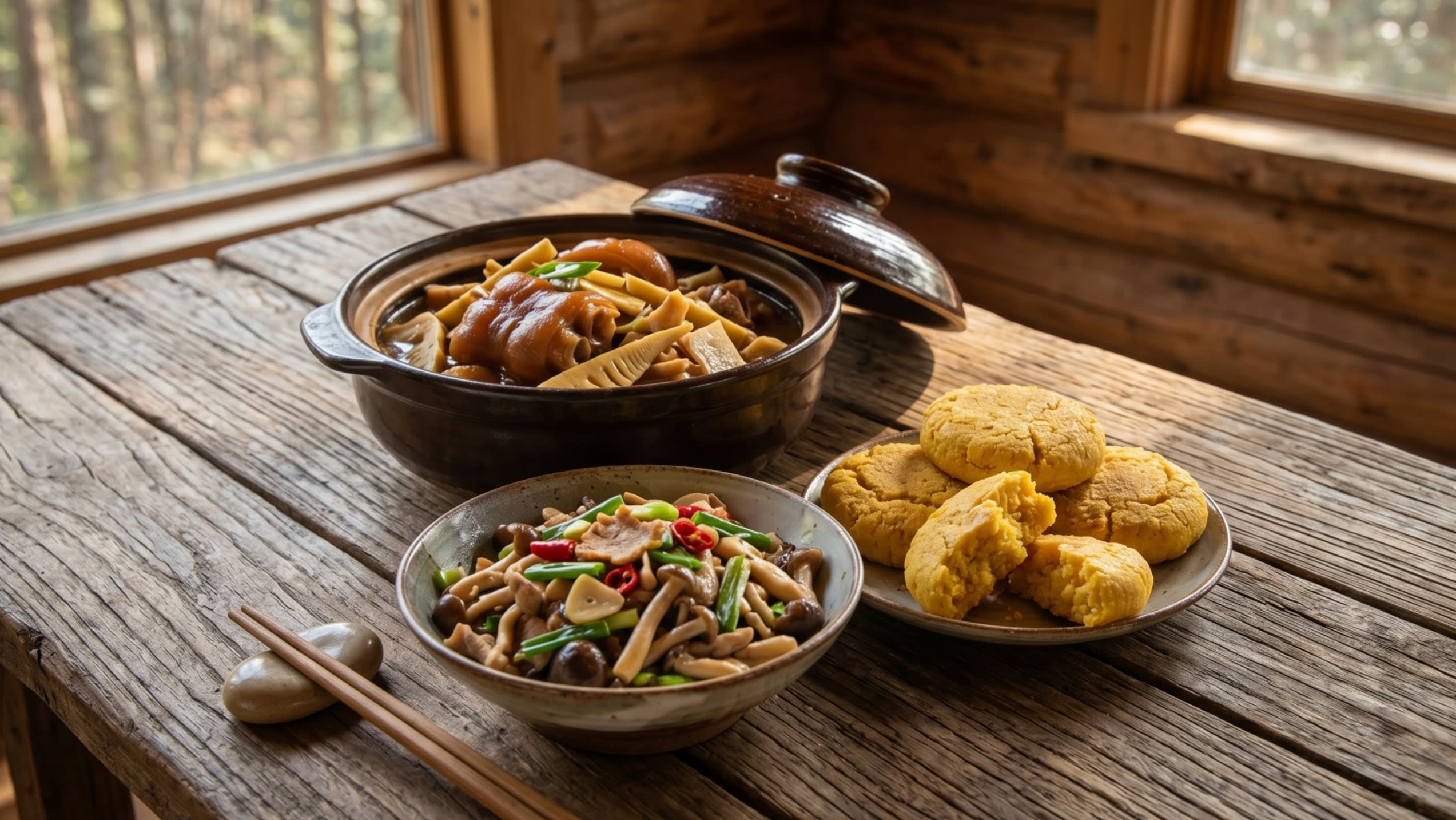
The culinary heritage here is tied directly to the land. You aren’t going to find slick, modernized fusion dishes; you are going to find rustic, herbal, and deeply warming plates.
If you are cooking at home and want to capture a fraction of this “mountain energy,” you’ll want a high-quality cast iron skillet to sear your mushrooms perfectly.
- Pig’s Trotter with Bamboo Shoots (腊蹄子炖春笋 - là tí zi dùn chūn sǔn): The pork is smoked over pine wood, lending a rich, campfire aroma to the tender, crunchy forest bamboo.
- Wild Honey (野蜂蜜 - yě fēng mì): The local honey is a must-try. It tastes of wildflowers and deep forest floor—a sweetness you simply cannot find on a supermarket shelf.
“在神农架吃饭,主打一个‘鲜’ (xiān)。那些山里的蘑菇和野菜,在城里是绝对吃不到的。那种天然的甜味才是最正宗的‘大山味道’。”(The food in Shennongjia is all about fresh taste. You can never eat mountain mushrooms and wild vegetables in cities. That natural sweet taste is the real taste of the mountains.)
Survival Essentials Checklist
- Climate Control: Shennongjia creates its own micro-climate. Even in the peak of summer, the summit can be 15°C cooler than the town below. Always carry a lightweight, durable waterproof jacket.
- Booking: The Dalongtan Monkey Station requires a reservation via the “Shennongjia Tourism” mini-program at least 3 days in advance.
- Ethics: This is a UNESCO site. The medicinal herbs and unique stones are not souvenirs—they belong to the mountain. Please leave them where you found them.
Traveling through Shennongjia in 2026 is an exercise in humility. It reminds you that despite all our technology, there are still corners of the world where nature holds the throne. My advice? Don’t rush to finish the trail. Find a mossy rock, sit down, and listen to the forest. You might not find the “Wild Man,” but you will certainly find a version of yourself that is quieter, calmer, and more connected to the earth.
Disclaimer: As an Amazon Associate, ChinaCurator earns from qualifying purchases.