Chinese New Year vs Lunar New Year: A Deep Dive into Traditions, Names, and Time
I still remember my first Spring Festival in a remote village nestled in the mountains of Fujian. The air wasn’t just cold; it was thick with the scent of pine needles, the sharp, stinging smell of sulfur from firecrackers, and the savory, heart-warming steam of pork belly simmering in soy sauce. As the sun dipped behind the jagged peaks, the entire village seemed to breathe in unison, preparing for the most significant event in the Chinese calendar. Back then, I didn’t fully grasp the nuanced debate between “Chinese New Year” and “Lunar New Year,” but I felt the weight of history in every red lantern swaying in the biting winter wind.
🤔 The Great Naming Debate: Why Does It Matter?
If you have spent any time navigating the vibrant online spaces of global Asian culture, you have likely encountered the heated discourse over what to call this mid-winter celebration. Is it “Chinese New Year” (CNY) or “Lunar New Year” (LNY)? I’ve found that for many, this isn’t just about semantics; it is a question of cultural recognition and inclusivity.
At its heart, the confusion arises because while the Chinese celebration is the most globally recognized iteration, it is part of a much larger tapestry of traditions across East and Southeast Asia. Using the term “Chinese New Year” is a specific nod to the traditions rooted in the Chinese lunisolar calendar, while “Lunar New Year” serves as a respectful umbrella term, acknowledging that countries like Vietnam, Korea, and various diasporic communities have their own unique, deeply cherished ways of ringing in the spring.
🎯 Distinguishing the Scope: A Comparison
To clarify, think of “Lunar New Year” as the category and “Chinese New Year” as one distinct, albeit influential, member of that category.
| Aspect | Chinese New Year (CNY) | Lunar New Year (LNY) |
|---|---|---|
| Nature | Specific cultural celebration | General umbrella term |
| Origin | Over 4,000 years of Chinese history | Various lunar calendar-based traditions |
| Calendar | Chinese Lunisolar (Yīnyáng Hélì) | Regional lunar-based variations |
| Customs | Couplets, dumplings, red packets | Culturally specific (Tết, Seollal, etc.) |
🌟 The Soul of the Celebration: Unique Chinese Traditions
When I think of the Spring Festival, I think of the rhythmic sound of my host family’s cleaver hitting the wooden board, chopping cabbage for homemade dumplings. To make the perfect filling, having a sturdy bamboo steamer is essential. The process is laborious but profoundly meditative. Every fold of the dough represents a collective wish for prosperity.
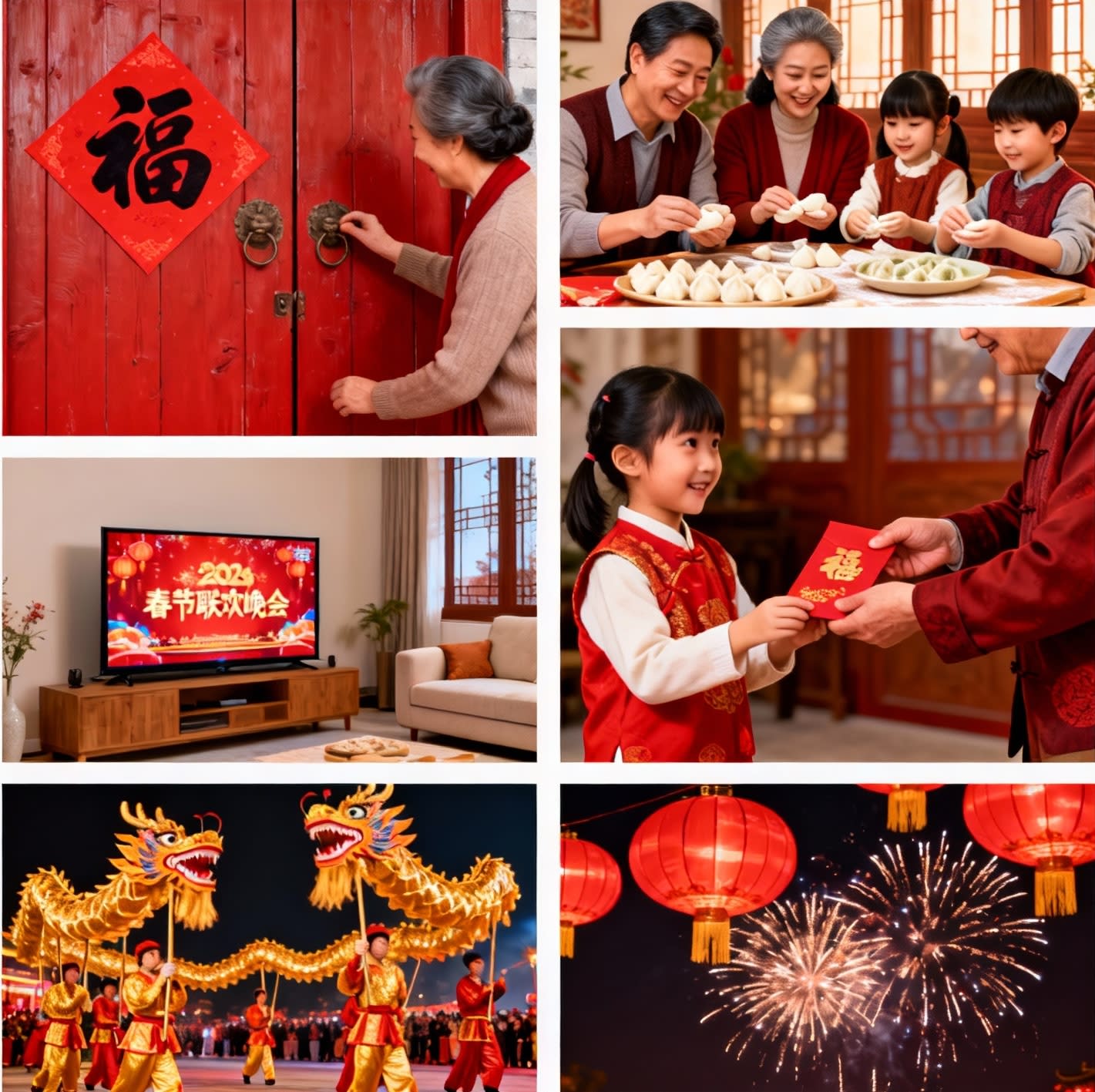
- Red Couplets (春联 chūnlián): These aren’t just decorations; they are prayers for the coming year, meticulously written in calligraphy and pasted on either side of the doorway to invite good fortune.
- Dumplings (饺子 jiǎozi): Shaped like ancient gold ingots, eating these is literally an exercise in “consuming” wealth for the year ahead.
- Red Envelopes (红包 hóngbāo): Beyond the cash, these symbolize the passing of blessings from the older generation to the younger, keeping the family lineage strong and connected.
- Dragon and Lion Dances: If you’ve ever heard the rhythmic, thunderous beat of the drums, you’ve experienced the visceral energy used to drive away evil spirits (驱邪 qū xié).
🌏 A Pan-Asian Perspective
It is humbling to realize that while I am deeply attached to the Chinese way of doing things, the “Lunar New Year” label honors the equally beautiful practices across Asia:
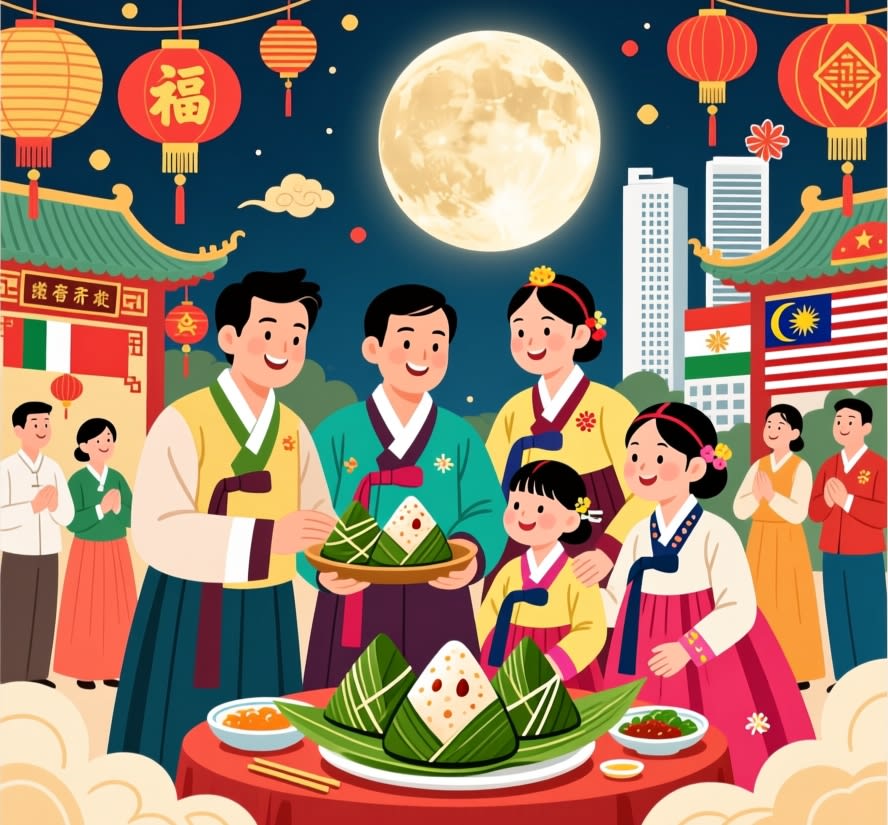
- Vietnam’s Tết Nguyên Đán: The focus on zòngzi (sticky rice cakes) creates a deep sense of connection to ancestors and family roots.
- Korea’s Seollal (설날): Seeing friends dress in traditional hanbok is a stark reminder of how heritage survives modernity.
- Regional Fusion: In places like Singapore or Malaysia, you get a unique blend of Chinese traditions seasoned with the warmth of local Malay and Indian influences.
📅 The Mystery of the Shifting Date
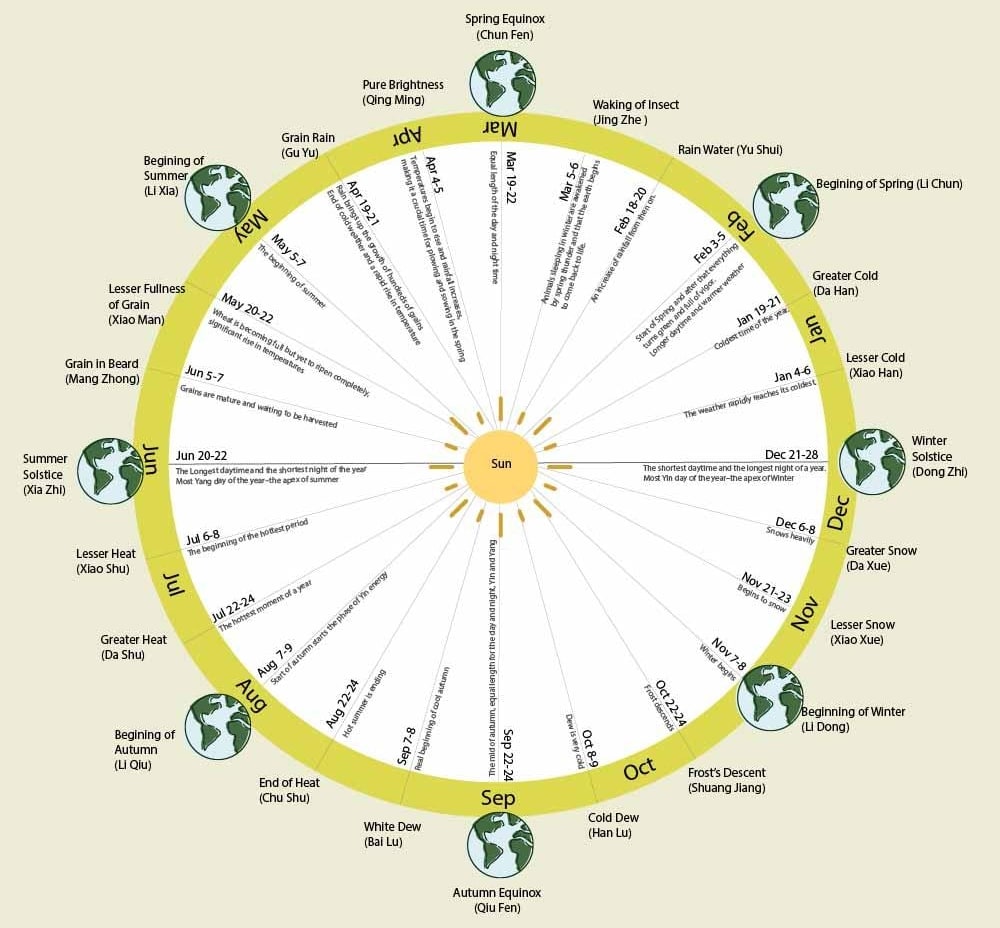
One of the most common questions I get from travelers is: “Why can’t this holiday just pick a date?” The answer lies in the sophistication of the Chinese lunisolar calendar (阴阳合历). It’s not just a moon calendar; it’s a celestial dance balancing lunar phases with the solar terms (二十四节气).
This is why, to a Western observer, the date seems to jump around between January 21 and February 20. It is timed to the second new moon after the winter solstice—a moment in the year that marks the return of light and the slow awakening of the earth. For those of us living in the modern world, it’s a beautiful, humbling reminder that our lives are still beholden to nature’s rhythm. If you’re interested in the deeper philosophy behind this cycle, check out Nature’s Rhythm: A Simple Guide to the 24 Solar Terms.
🔍 Deepen Your Cultural Journey
If you want to move beyond the surface and truly understand the pulse of these traditions, I highly recommend exploring how these values manifest in daily life:
- Explore the 10 Essential Spring Festival Customs and learn to see the holiday through local eyes.
- Master the art of the greeting with my Chinese New Year Phrases guide.
- Curious about the personality traits associated with the calendar? Check out our Chinese Zodiac Guide.
Whether you call it Chinese New Year or Lunar New Year, the spirit remains the same: a profound, multi-generational focus on reunion, gratitude, and the hopeful anticipation of a fresh beginning. As I often tell my students, it’s not about the name you choose; it’s about the intention you bring to the table when you finally sit down for that first, steaming meal of the year. Always remember that even if you feel like an outsider, participating with respect is the highest form of flattery in any culture.
If you’re planning your first trip during this time, keep in mind the massive Spring Festival Travel Rush—it’s an experience in itself!
Disclaimer: As an Amazon Associate, ChinaCurator earns from qualifying purchases.