Chinese New Year Greetings: Essential Phrases for Beginners to Speak Like a Local
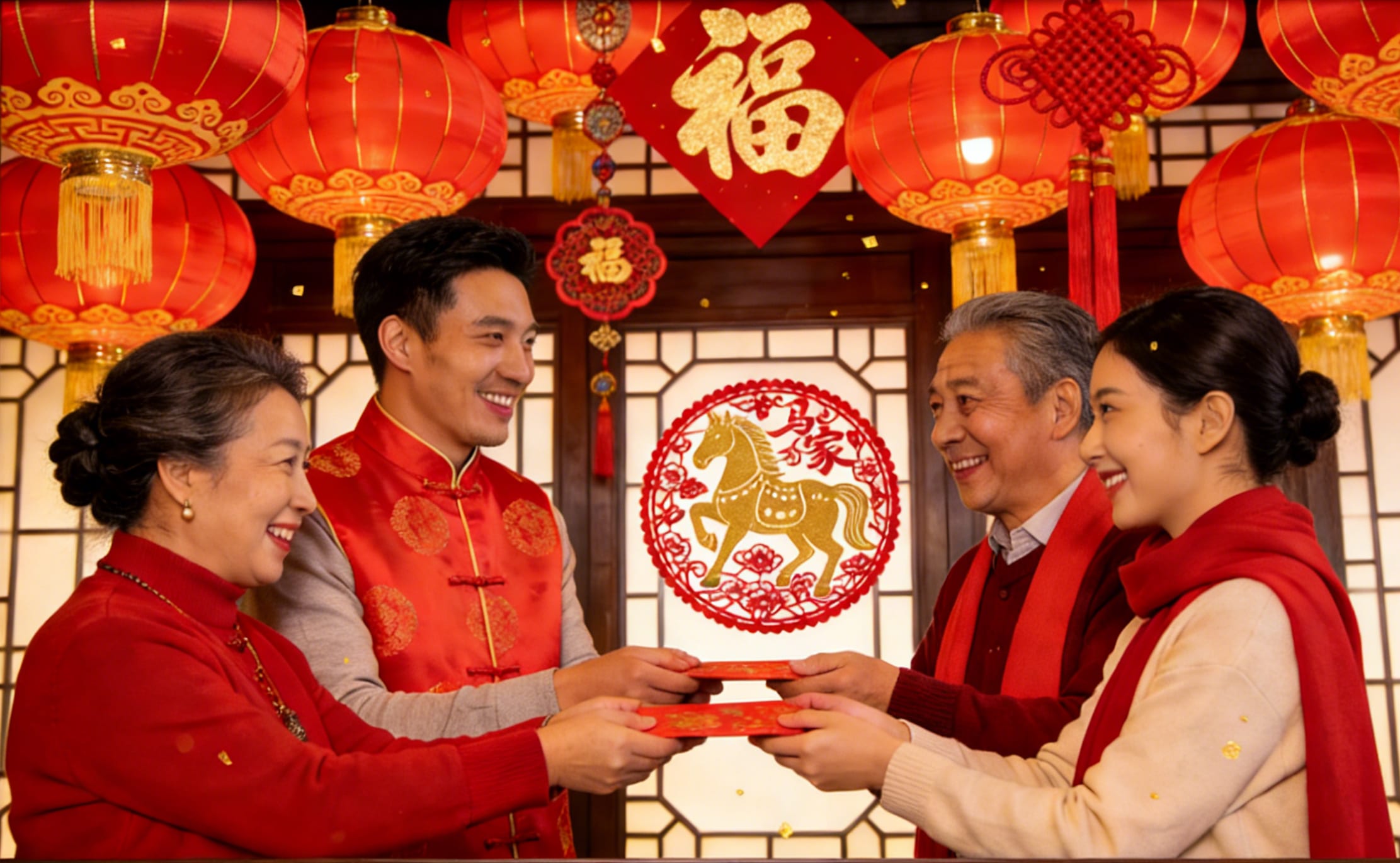
There is a distinct magic to the air in China as the Spring Festival approaches. The scent of blooming plum blossoms mixes with the sharp, crisp chill of winter, while the streets begin to glow under a canopy of crimson lanterns. If you find yourself in China or among Chinese friends during this season, you might feel a slight pressure to “get it right.” Don’t worry—most people are just delighted that you are making the effort to connect with their heritage.
Speaking the language, even just a few phrases, is a bridge that closes the distance between cultures. As we enter the Year of the Horse, here is how you can step beyond the basic “hello” and offer greetings that truly resonate with the heart of the season.
🎯 The Universal Greetings: A Gentle Start
When you walk into a shop, visit a neighbor, or send a quick message, you want phrases that are polite, warm, and universally understood. These are your go-to essentials.
| Phrase (Chinese) | Pinyin | Pronunciation Tip | English Meaning |
|---|---|---|---|
| 新年快乐! | Xīnnián kuàilè! | Sin-nyen kwai-luh (stress "kwai") | Happy New Year! |
| 新春快乐! | Xīnchūn kuàilè! | Sin-chun kwai-luh | Happy Spring Festival! |
| 过年好! | Guònián hǎo! | Gwuh-nyen how (soft "ow") | Happy New Year! (Casual) |
Pro Tip: While Xīnnián kuàilè is perfectly formal, Guònián hǎo feels like a warm, neighborly handshake. It’s the kind of thing you say to the friendly ayi (auntie) who runs your favorite local convenience store. For a deeper dive into the traditions behind these days, check out my guide on 10 Essential Spring Festival Customs: How to Celebrate Chinese New Year Like a Local.
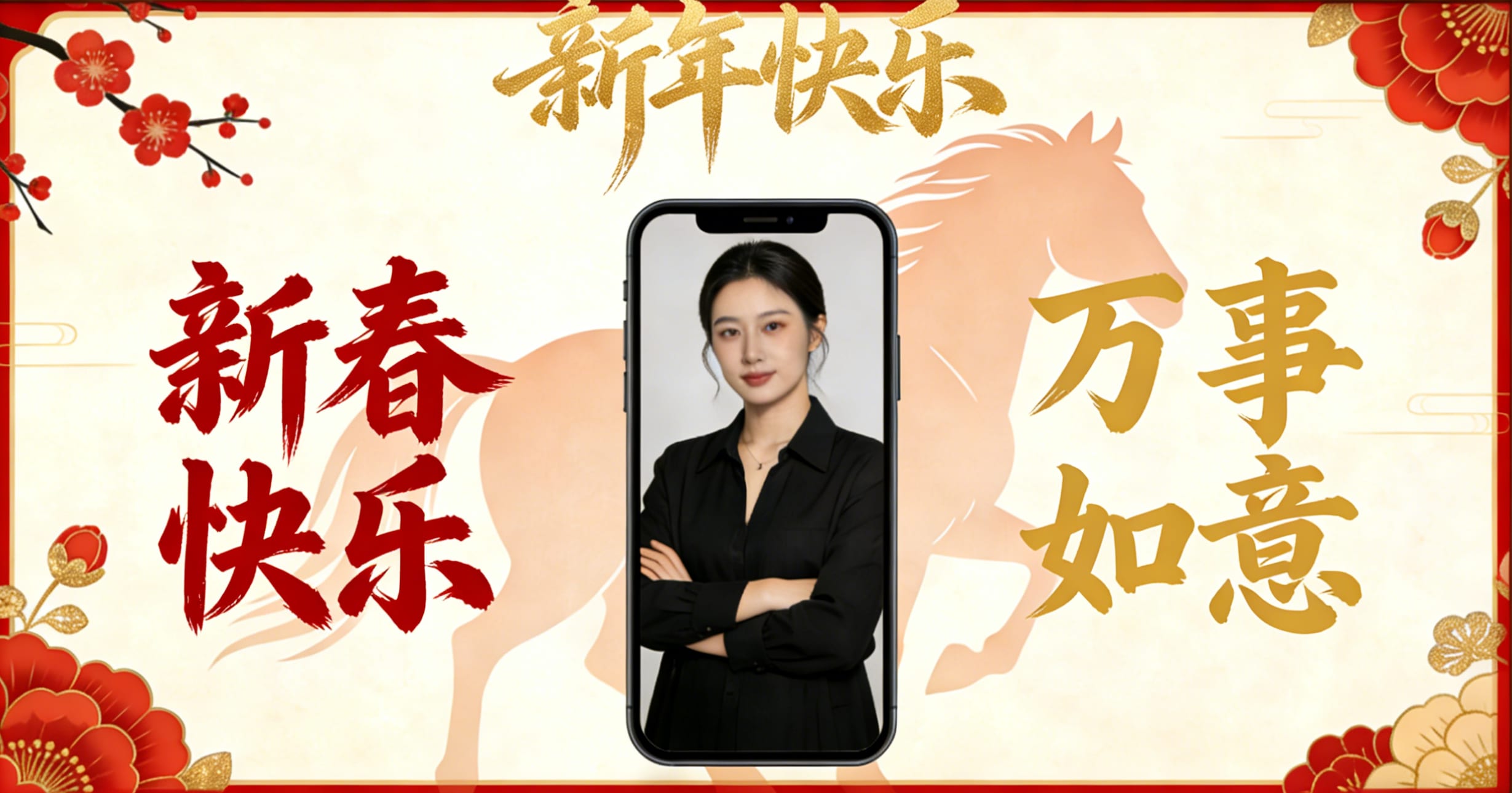
💰 Prosperity Wishes: The Language of Success
In China, the concept of prosperity is deeply intertwined with the New Year. It is not just about wealth; it is about abundance, growth, and the hope that the coming year will be easier than the last.
| Phrase (Chinese) | Pinyin | English Meaning |
|---|---|---|
| 恭喜发财! | Gōngxǐ fācái! | Wish you prosperity! |
| 财源广进! | Cáiyuán guǎngjìn! | May wealth flow in! |
| 生意兴隆! | Shēngyì xīnglóng! | May your business thrive! |
Cultural Insight: Gōngxǐ fācái is the undisputed king of New Year phrases. If you have been gifted a red envelope, or if you are greeting a business owner, this is your most powerful tool. It acknowledges the shared hope for a fruitful year ahead.
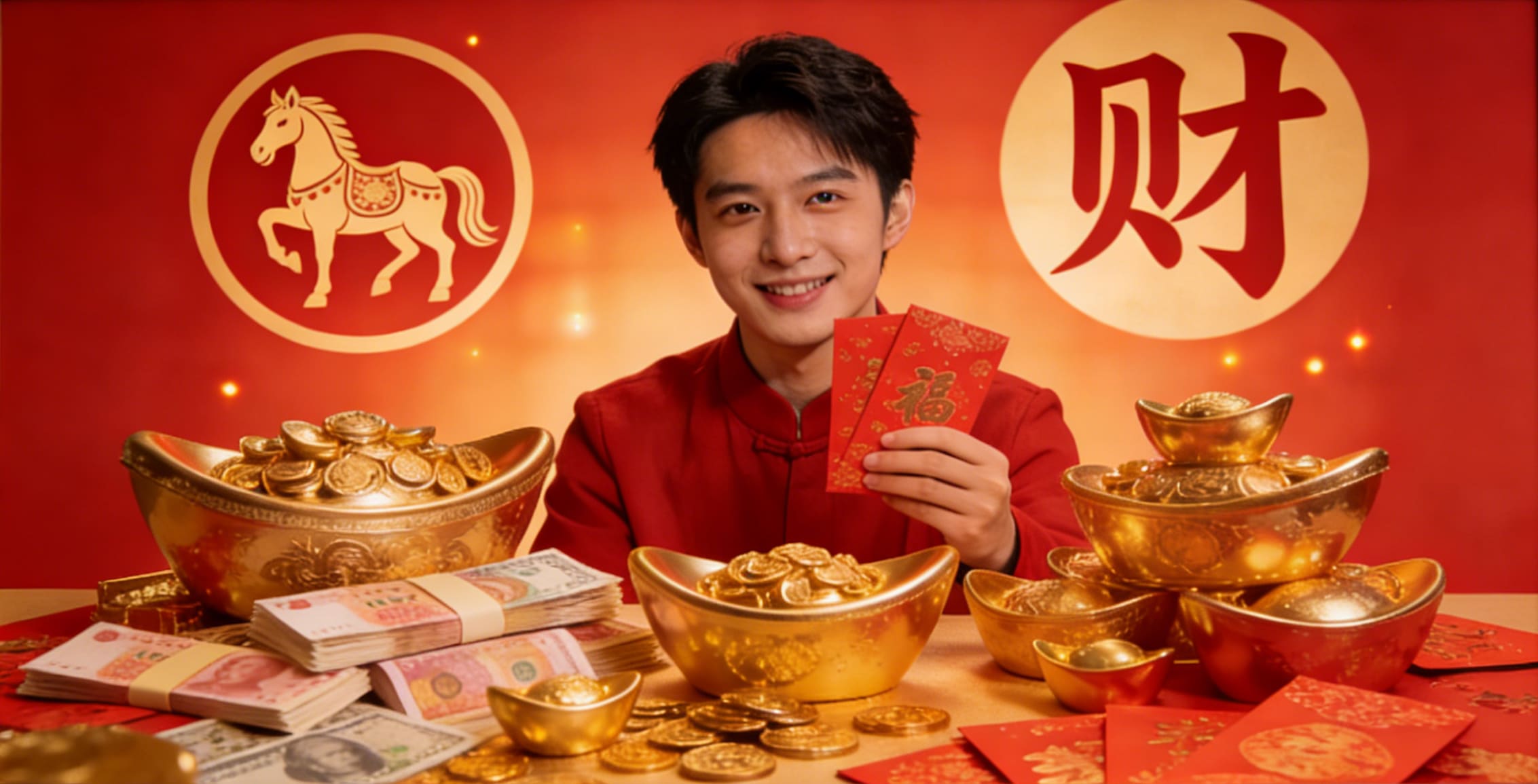
👴👵 Honoring the Elders: A Gesture of Respect
In my experience, nothing warms a Chinese home faster than a younger person—or a foreigner—showing genuine respect to the elders. When you address the grandparents or the senior members of a group, your body language matters as much as your words. A slight, respectful nod of the head goes a long way.
| Phrase (Chinese) | Pinyin | English Meaning |
|---|---|---|
| 身体健康! | Shēntǐ jiànkāng! | Good health! |
| 长寿安康! | Chángshòu ānkāng! | Long life and peace! |
| 福如东海! | Fú rú Dōnghǎi! | Blessings like the East China Sea! |
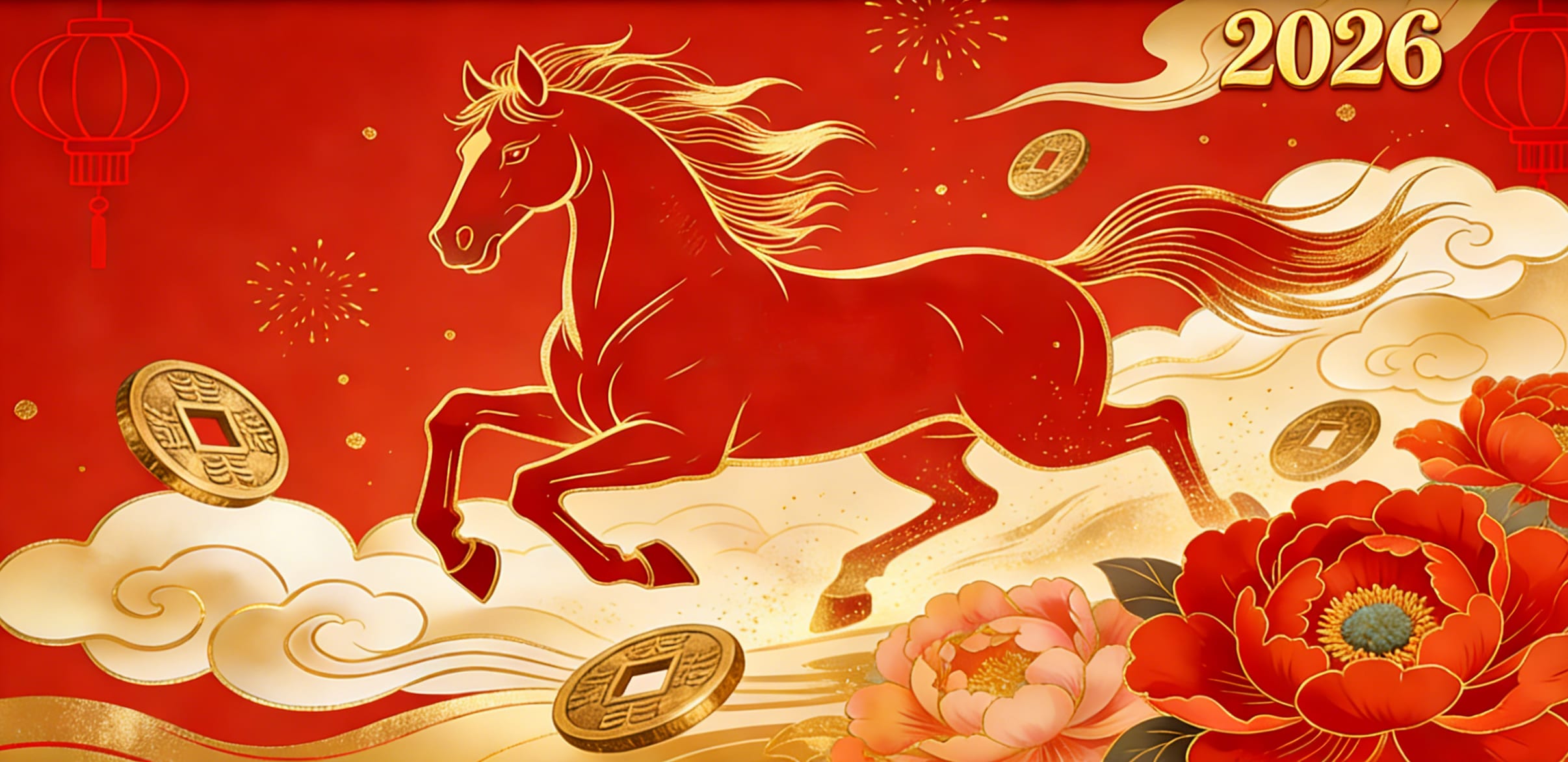
🐎 The 2026 Spirit: Year of the Horse
Every twelve years, the cycle returns to the Horse. It is a year associated with movement, speed, and the kind of untethered ambition that can take one far. To use the “Horse” greetings, you are essentially wishing someone the agility and strength of that noble creature.
| Phrase (Chinese) | Pinyin | English Meaning |
|---|---|---|
| 马年大吉! | Mǎnián dàjí! | Lucky Year of the Horse! |
| 马年行大运! | Mǎnián xíng dàyùn! | Great luck in the Year of the Horse! |
| 龙马精神! | Lóngmǎ jīngshén! | Vigor and vitality like a dragon and horse! |
💡 Navigating the Cultural Landscape
Language is rarely just about vocabulary; it is about tone and intention. If you are ever nervous, remember that a smile is the most fluent language on earth.
- Don’t fear the tones: You will make mistakes. I have made them too—turning a serious wish into a funny misunderstanding. People will laugh, and that’s okay. It’s part of the bond.
- The number four: In your notes, keep in mind that the number 4 sounds remarkably like the word for “death.” Avoid giving gifts in sets of four or using phrases that might unintentionally reference it.
- The digital touch: If you are messaging on WeChat, do not just send a generic “Happy New Year.” Copying the Chinese characters into a message shows you spent time finding the right words, and your friends will genuinely appreciate the gesture.
Learning a language is an iterative process. If you want to keep the momentum going, I highly recommend checking out Mandarin Chinese Culture Myths: Debunking Common Misconceptions for Beginners to clear up any lingering doubts you might have.
Wishing you all the luck in the world as you practice these greetings. Whether you are in Beijing or halfway across the globe, may your Year of the Horse be filled with the same energy and promise that these phrases carry.
About Us
We’re dedicated to making Mandarin learning fun and accessible for beginners. Follow us for more cultural insights, language tips, and practical guides to help you navigate Chinese culture with confidence—especially during special occasions like the Year of the Horse!
Disclaimer: As an Amazon Associate, ChinaCurator earns from qualifying purchases.