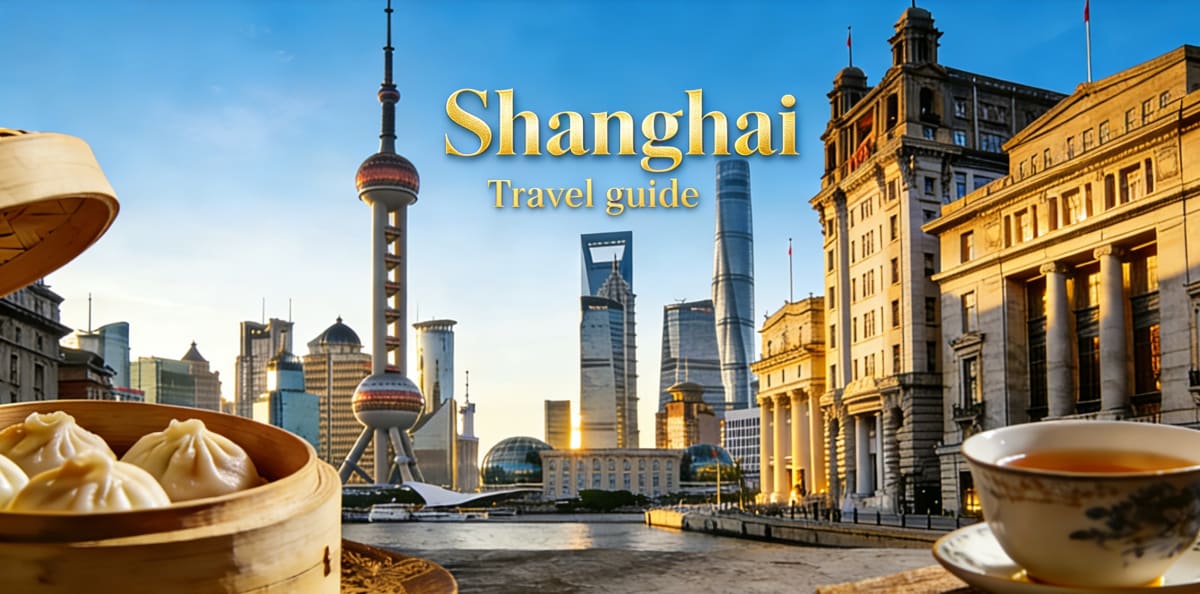
Why I Love Shanghai (And Why You Will Too)
The first time I stepped onto the streets of Shanghai, the sheer sensory overload took my breath away. It is an intoxicating, impossible collision of worlds. You might be standing in the shadow of a glass skyscraper that looks like it belongs in a sci-fi film, yet just one block away, you’ll find elderly neighbors chatting in a quiet alleyway over a game of chess. As China’s most international metropolis, it is the perfect “soft landing” for a first-time visitor. Most signs include English, the metro system (地铁 dìtiě) is so efficient it makes other cities look sluggish, and the blend of colonial-era architecture and neon-soaked innovation is a photographer’s dream.
If you are planning your ultimate China journey in 2026, Shanghai is the heartbeat you cannot afford to miss.
Where to Stay (住宿 Zhùsù)
Choosing your base camp is crucial for a 3-day trip. I recommend two distinct vibes based on what you value most.
Near Nanjing Road East / People’s Square (人民广场 Rénmín Guǎngchǎng)
This is for the traveler who wants to be in the center of the hurricane. You can walk to the iconic Bund (外滩 Wàitān) in under 15 minutes, and you are sitting on the primary hub for Metro Lines 1, 2, and 8. It’s convenient, energetic, and unapologetically urban.
Near Jing’an Temple (静安寺 Jìng’ānsì)
If you prefer a mix of history and chic boutique cafes, head here. This area sits within the old French Concession (法租界). When I stay here, I love starting my morning by watching locals practice Tai Chi (太极) in the quiet corners of the park before grabbing a coffee in a historic villa. It feels more intimate, more “lived-in,” and significantly more bohemian.
Booking Tip: Most major hotels now accept foreign passports (护照 hùzhào), but always have your booking confirmation saved in your phone. Before you set off, make sure you know how to use Alipay and WeChat Pay, as these apps are the lifeblood of daily transactions.
Day 1: The Bund Classic Route
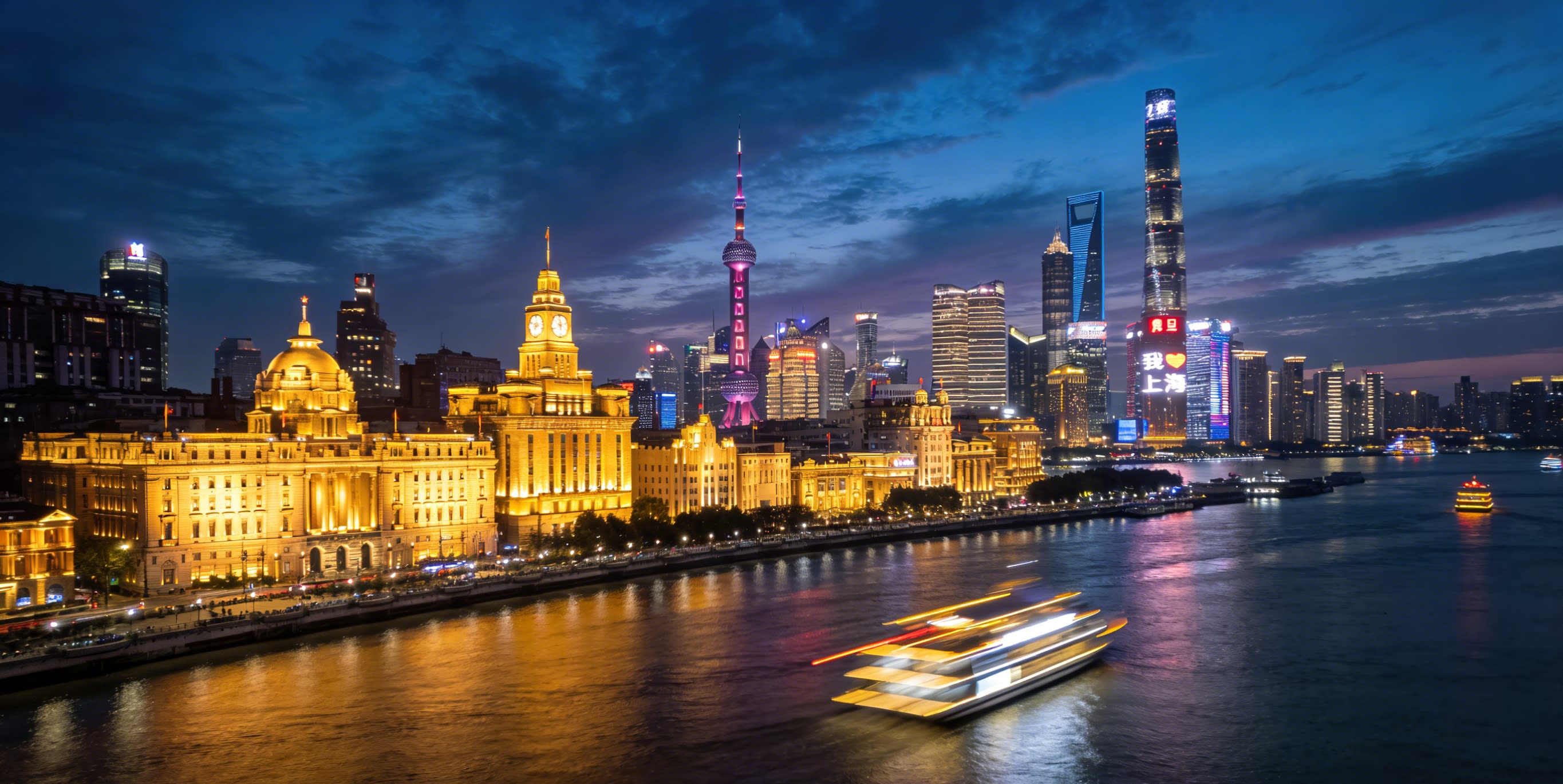
1. Sassoon House (沙美大楼 Shāměi Dàlóu)
To start, head to the top-floor café of this century-old building. I suggest arriving by 4:45 PM. As the sun dips, you get the only angle in the city that captures the Oriental Pearl Tower, the Shanghai Tower, and the Jin Mao Building in one perfect shot. It’s the kind of golden hour glow that makes every traveler feel like a professional cinematographer.
2. The Landmarks
After the sunset, head to the Zhapu Road Bridge (乍浦路桥 Zhàpǔ Lù Qiáo). It is far less crowded than the main promenade, making it a favorite for those seeking that perfect “blue hour” photo. As the clocks strike 6:00 PM, the lights on the historic buildings across the river flicker to life in unison—a ritual I never tire of watching.
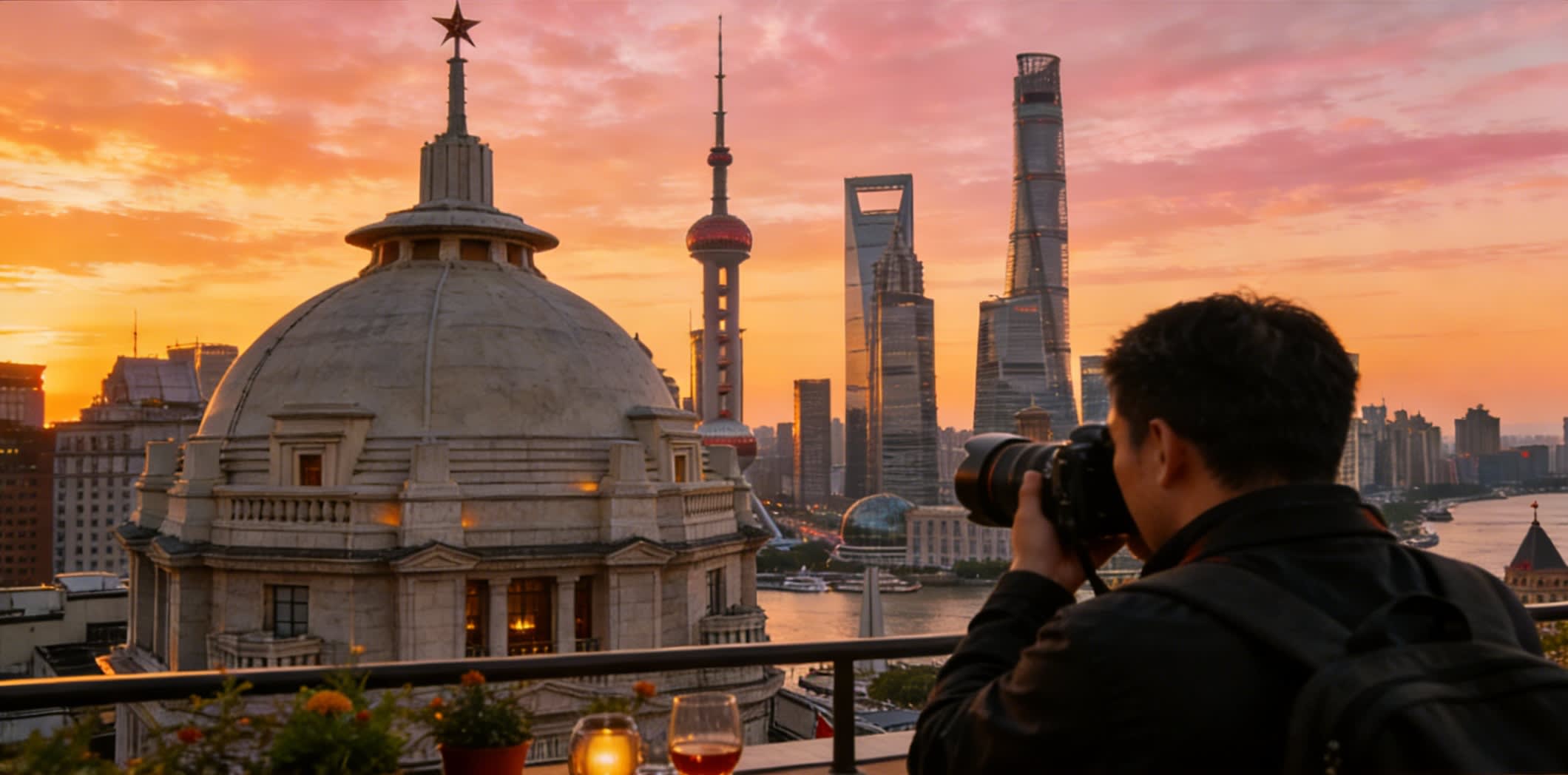
3. Jazz at the Peace Hotel
If you want to feel the ghost of 1930s Shanghai, visit the Old Jazz Bar at the Peace Hotel (和平饭店 Hépíng Fàndiàn). The band is legendary—mostly gentlemen in their 80s who have played here for decades. It is a hauntingly beautiful slice of history.
Day 2: Artsy Jing’an & Xujiahui
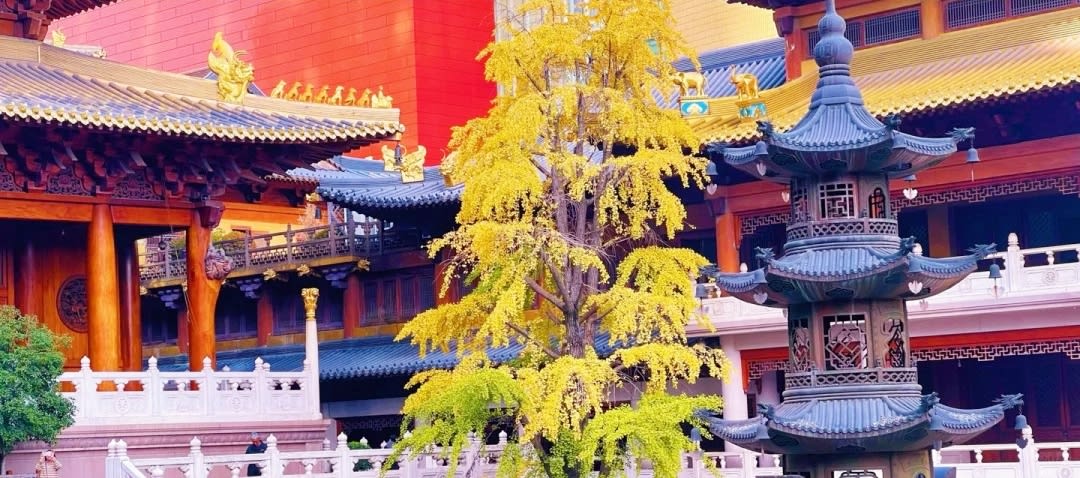
Jing’an Temple (静安寺 Jìng’ānsì) is a fascinating paradox. The golden roof of the temple reflects off the mirrored glass of the modern office towers surrounding it. It is a great place to pick up a bit of local culture—just remember to dress modestly and walk clockwise around the shrines. Afterward, spend your afternoon wandering toward the Wukang Mansion (武康大楼 Wǔkāng Dàlóu). It looks like a giant stone ship sailing down the street, and it’s arguably the most famous architectural landmark in the city.
Day 3: Hidden History & French Concession
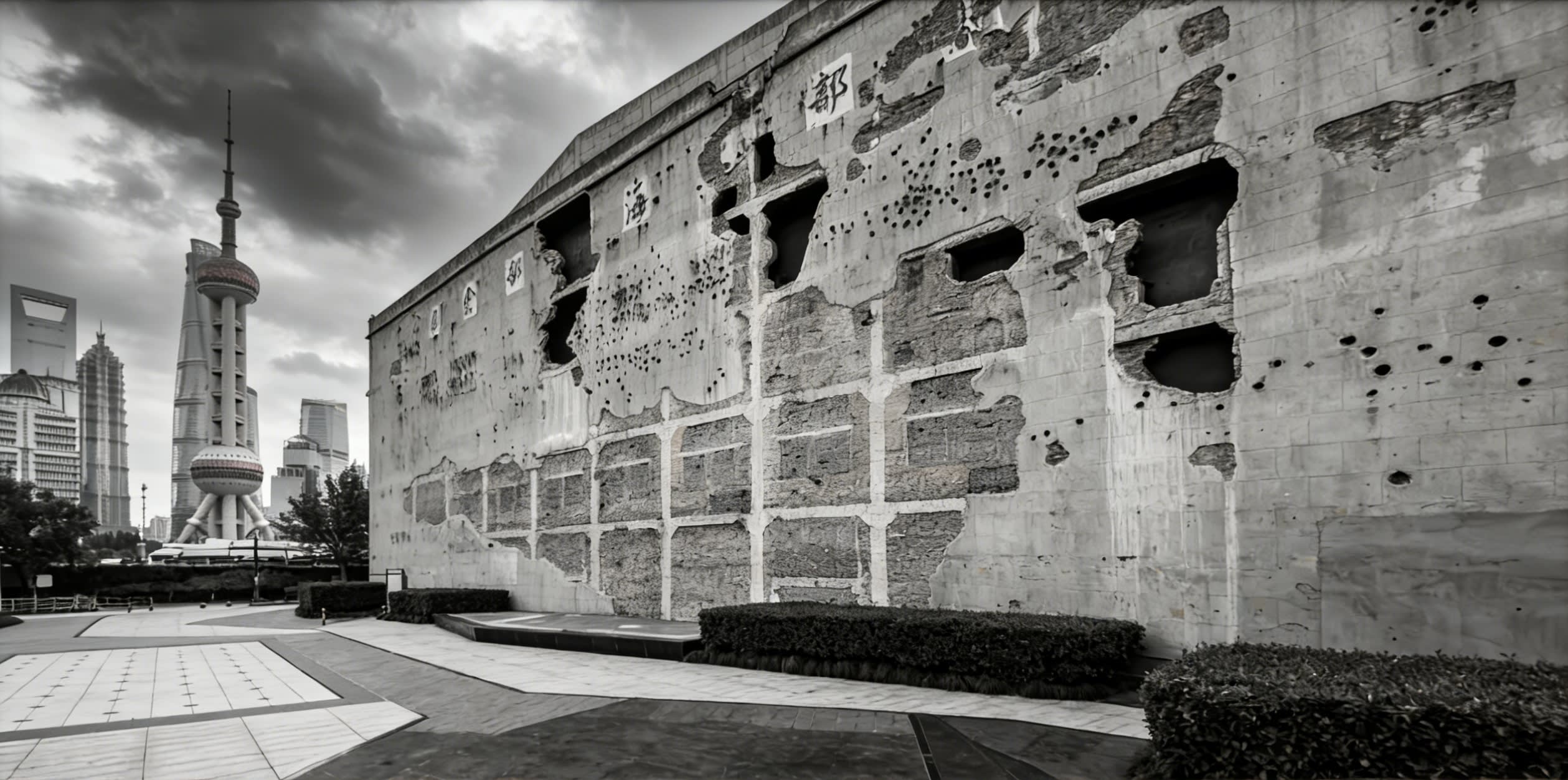
To understand modern China, you must visit the Sihang Warehouse (四行仓库 Sìháng Cāngkù). Standing in front of the wall still pockmarked with bullet holes from the 1937 battle is a sobering, powerful experience. It’s a complete shift in tone from the neon lights of the Bund, but vital for any history lover.
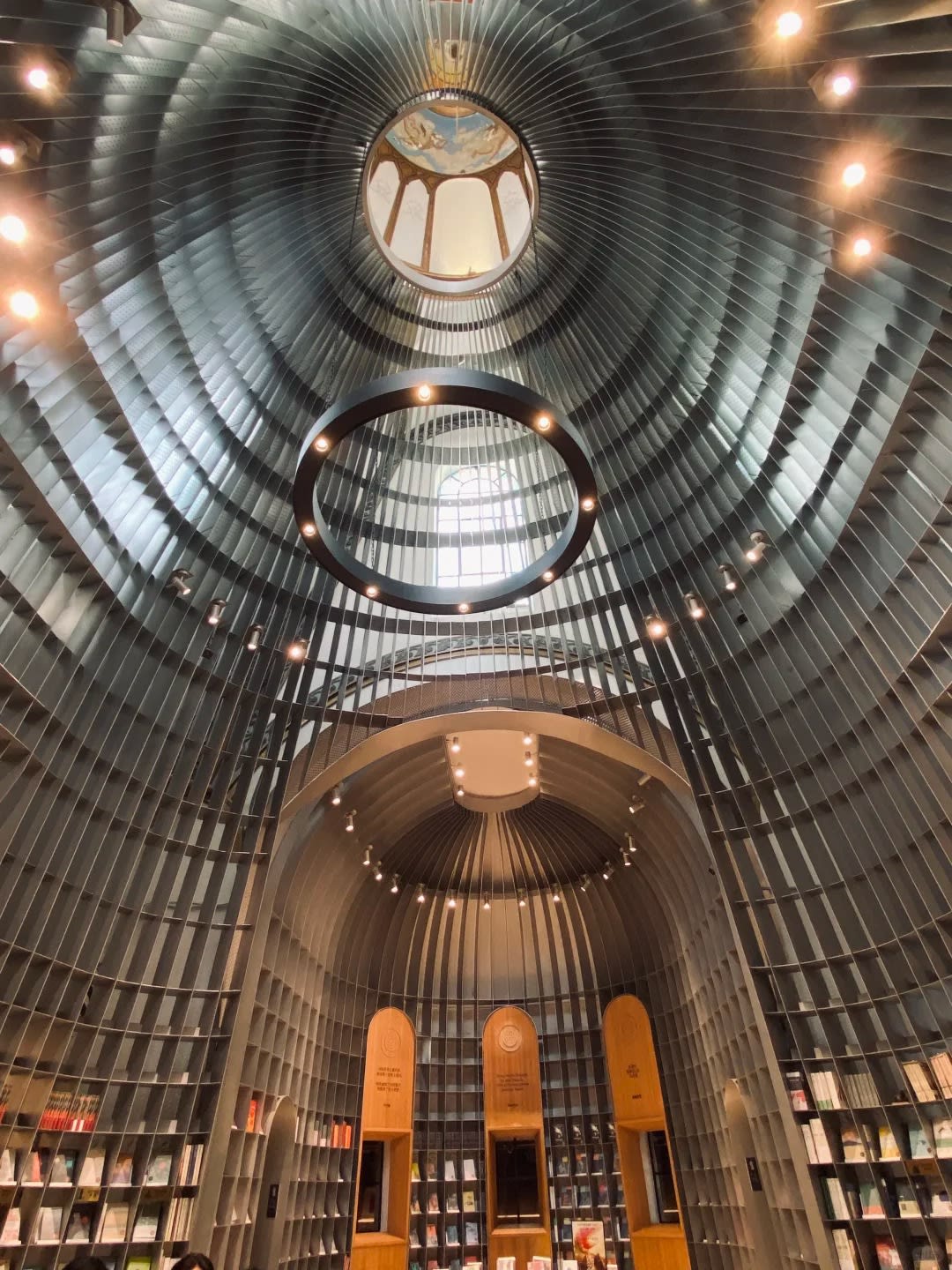
Before you leave, spend your final hours in the Sinan Bookstore (思南书局 Sīnán Shūjú). Housed in a beautiful former church, it’s one of my favorite places to sit and read while appreciating the intricate stained glass. If you’re a foodie, don’t miss the chance to grab some pan-fried pork buns (生煎包 shēngjiān bāo) nearby—just be careful, the soup inside is piping hot!
Shanghai Food Guide
Eating in Shanghai is an adventure. You don’t need a Michelin guide to eat well; you just need to follow the locals.
| Dish | Chinese (Pinyin) | Why Try It |
|---|---|---|
| Pork Ribs with Rice Cakes | 鲜得来 (Xiāndélái) | A savory, chewy Shanghai comfort classic. |
| Pan-Fried Pork Buns | 生煎包 (Shēngjiānbāo) | Crispy bottom, juicy top. Best eaten fresh. |
| Savory Mooncakes | 鲜肉月饼 (Xiānròu Yuèbǐng) | A flaky, meaty treat often served in Autumn. |

Essential Phrases for Travelers
Don’t panic if you don’t speak Mandarin. Most people in the city center are helpful, and a little effort goes a long way. Use this table as your pocket guide.
| English | Chinese | Pinyin |
|---|---|---|
| Hello | 你好 | Nǐ hǎo |
| Thank you | 谢谢 | Xièxie |
| How much? | 多少钱? | Duōshǎo qián? |
| Where is the bathroom? | 洗手间在哪里? | Xǐshǒujiān zài nǎlǐ? |
| I want this. | 我要这个。 | Wǒ yào zhège. |
Final Thoughts: The Art of Getting Lost
Shanghai rewards those who stop looking at their maps and start looking at the people. If you find yourself in an alleyway (弄堂 nòngtáng), don’t turn back. Embrace the curiosity. If you happen to be offered a cup of tea by an elderly resident, take it—it is the best way to bridge the gap between “tourist” and “guest.”
For more tips on staying connected during your journey, check out my ultimate eSIM vs. physical SIM guide.
欢迎你来上海!
Huānyíng nǐ lái Shànghǎi! (Welcome to Shanghai!)