When I first started diving into the world of China, I was paralyzed by the same stereotypes that haunt every newcomer. I remember staring at a newspaper, convinced that the characters were a secret code I’d never crack, and feeling certain that my diet would be reduced to nothing but plain white rice and dumplings for the rest of my life.
It turns out, the reality of China is far more vibrant, logical, and surprisingly accessible than what we see on television. If you’ve ever hesitated to learn Mandarin (普通话 pǔtōnghuà) or felt intimidated by the perceived “otherness” of Chinese culture, let’s peel back the layers together.
Myth 1: “Mandarin is the hardest language in the world!”
I’ll admit, seeing the complex strokes of Chinese characters for the first time is a daunting experience. However, the idea that it is an “impossible” language is a persistent myth that ignores the beautiful internal logic of the system.
| Aspect | Mandarin Reality | English Comparison |
|---|---|---|
| Core Vocabulary | 3,000 characters offer functional, daily literacy. | Over 10,000 words required for a similar depth. |
| Logic | Structured by radicals (偏旁 piānpáng), providing clues to meaning. | Irregular spellings, silent letters, and chaotic roots. |
| Grammar | Zero verb conjugation. Time is established by context. | Complex tense shifts (past, perfect, continuous). |
When I learned that the word for “clear” (清 qīng) is simply a combination of the radical for “water” and the phonetic sound “qīng,” the entire writing system suddenly felt like a clever puzzle rather than a wall. If you find the tones challenging, don’t worry—even native speakers in different regions have their own accents. Just keep listening. For those starting their journey, understanding the importance of pinyin is your first true milestone.
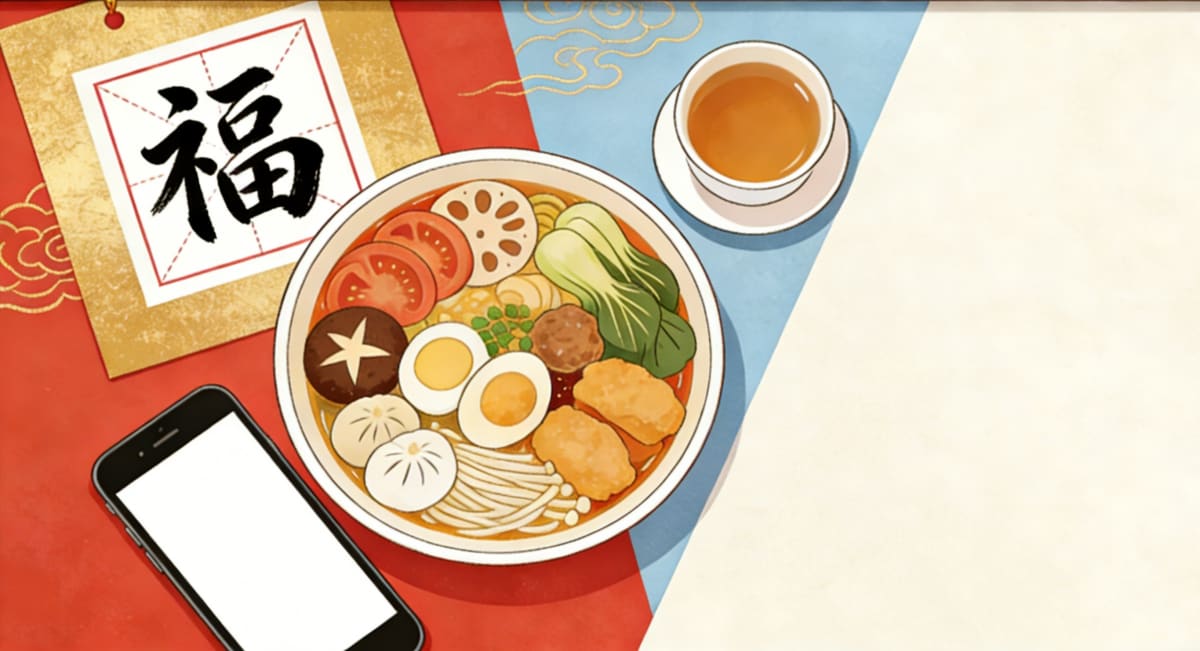
Myth 2: “Chinese people only eat rice and dumplings!”
If you think Chinese food starts and ends with takeout, prepare to have your world turned upside down. The culinary landscape here is a vast, aromatic map. Whether you’re craving the tongue-numbing fire of Sichuan peppercorns or the delicate, refined dim sum (点心 diǎnxīn) culture of Guangdong, there is a lifetime of exploration ahead.

When I’m craving something authentic, I rely on a properly seasoned carbon steel wok to capture that elusive wok hei (锅气 guōqì)—the “breath of the wok.” It is that smoky, charred essence that elevates a simple vegetable stir-fry into a restaurant-quality meal.
| Region | Experience |
|---|---|
| Sichuan (四川 sìchuān) | Known for *málà* (麻辣) or "numbing and spicy," perfect for those who love bold, intense flavors. |
| Cantonese (粤菜 yuècài) | Focuses on freshness and natural ingredients; ideal for those who enjoy subtle, refined flavors. |
Myth 3: “Chinese culture is too conservative and hard to understand!”
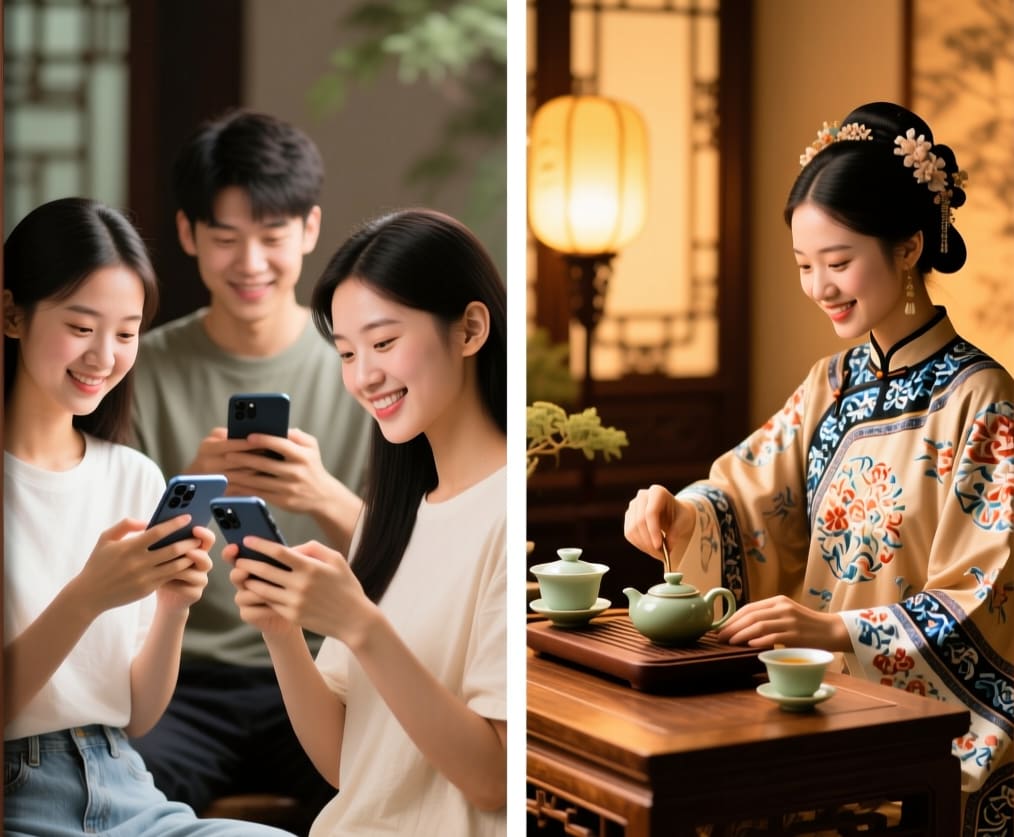
I often hear travelers worry about the “unwritten rules” of China. While it’s true that the culture values harmony and often relies on “face” (面子 miànzi), the modern reality is a thrilling blend of the ancient and the futuristic.
You’ll see grandmothers practicing Tai Chi (太极 tàijí) in the morning, right before they open their phones to pay for breakfast via a facial recognition scanner. This isn’t a contradiction; it’s the rhythm of daily life. For those curious about how to navigate these social spaces, my guide on how to say no without losing face is an essential read for any expat or traveler.
Cultural Insights: The Hidden Language of Homophones
One of my favorite aspects of Chinese culture is the reliance on homophones (谐音 xiéyīn). Because the language is tonal, many words sound identical, which leads to some incredible wordplay.
| Symbol | Pinyin | Meaning |
|---|---|---|
| Fish (鱼) | yú | Sounds like "surplus," ensuring prosperity for the coming year. |
| Orange (橙) | chéng | Sounds like "success," making it a perfect holiday gift. |
Understanding these small nuances—like why you shouldn’t gift a clock (which sounds like the word for “funeral”)—will make your interactions significantly more meaningful.

If you’re feeling the pull to learn more, I highly recommend checking out the meditative, almost trance-like practice of bead rubbing (盘玩 pánwán) as a way to connect with the slower, more deliberate side of local life.
The Personal Journey of Assimilation
To be truly honest, the “barrier” often exists in our own heads. When I moved here, I was terrified of making a faux pas. I spent months researching etiquette. But once I landed, I realized that Chinese people are generally incredibly patient with foreigners who show a genuine interest in their culture. If you attempt even a few words of Mandarin, or show an appreciation for the local tea culture, you aren’t just a “tourist” anymore—you’re a participant.
Why You Should Start Today
The myths of a “mysterious, closed-off East” are fading. What remains is a country that is hyper-connected yet deeply grounded in 5,000 years of history. Whether you are coming to visit the ancient temples of the Silk Road or just to master the art of the perfect Smashed Cucumber Salad, my advice is simple: dive in. Grab a travel guide and start your planning.
Final Thoughts
Don’t let the myths keep you on the outside looking in. Whether it’s the complexity of the language or the social customs, everything in China becomes significantly easier once you choose to participate with an open mind. Happy exploring!
Disclaimer: As an Amazon Associate, ChinaCurator earns from qualifying purchases.