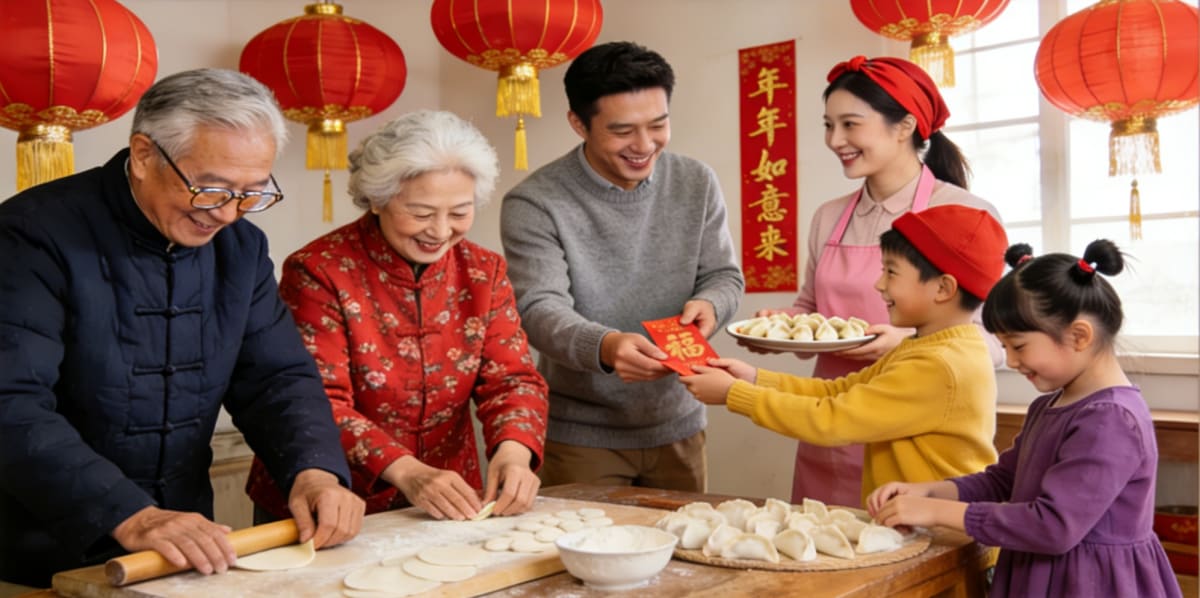
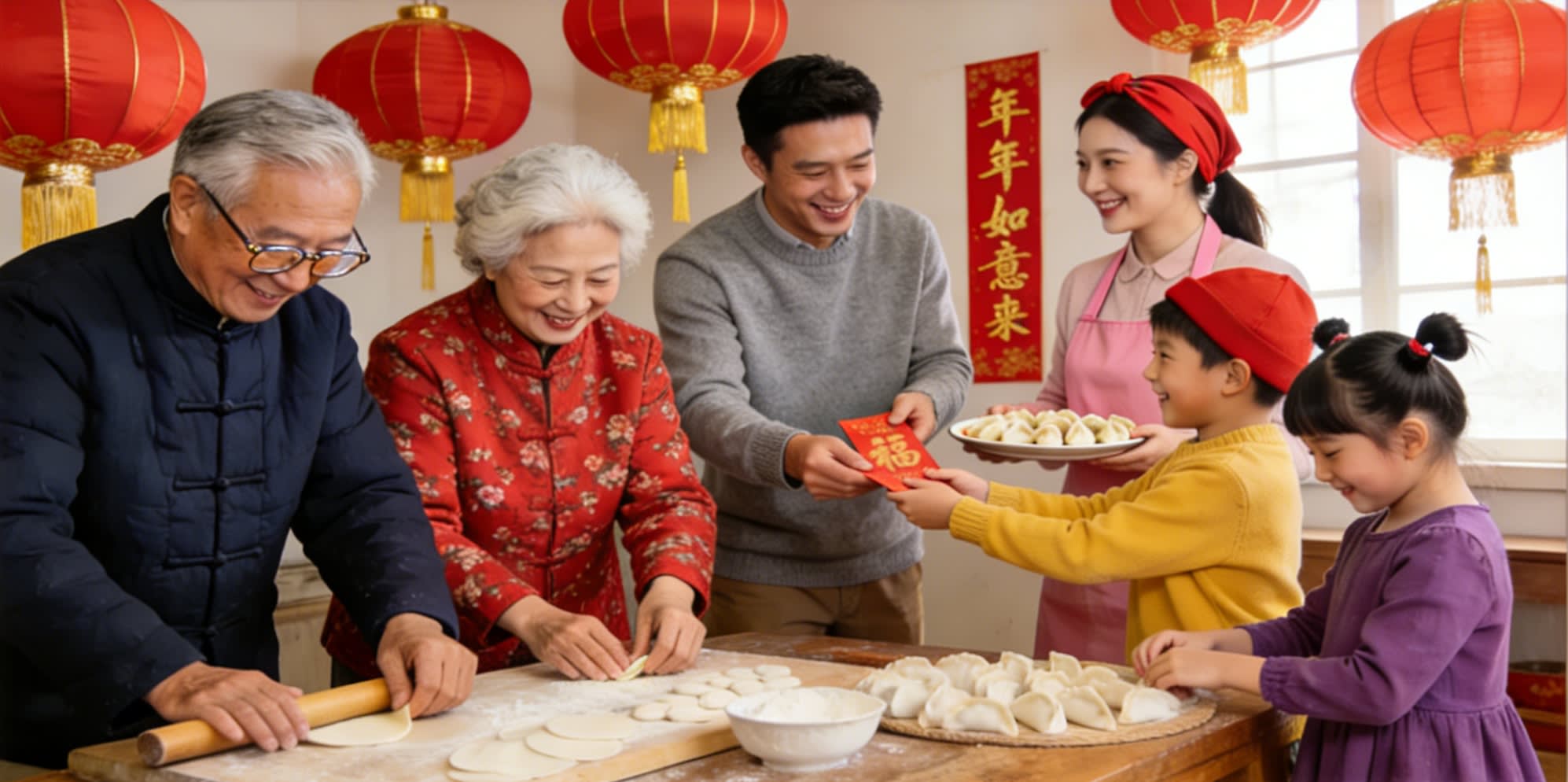
If there is one thing you should understand about China, it is that the Spring Festival (Chūnjié) is far more than a simple holiday—it is the heartbeat of the nation. As the lunar calendar turns, hundreds of millions of people embark on the world’s largest annual migration to return to their ancestral homes. It is a time defined by the sharp, sulfurous scent of firecrackers, the sight of vibrant crimson banners fluttering in the cold winter air, and the unmistakable warmth of family reunion dinners that last deep into the night.
For many of my friends living abroad, China’s New Year can seem like an impenetrable wall of complex customs. But once you look past the initial sensory overload of drum beats and red decor, you will find a tradition deeply rooted in gratitude, hope, and the universal human desire for a fresh start. Whether you are hosting your first dinner or simply looking to understand the cultural significance behind these rituals, here are 10 essential customs to help you bridge the cultural gap and celebrate like a local.
1. The Art of Giving Red Envelopes (红包 Hóngbāo)
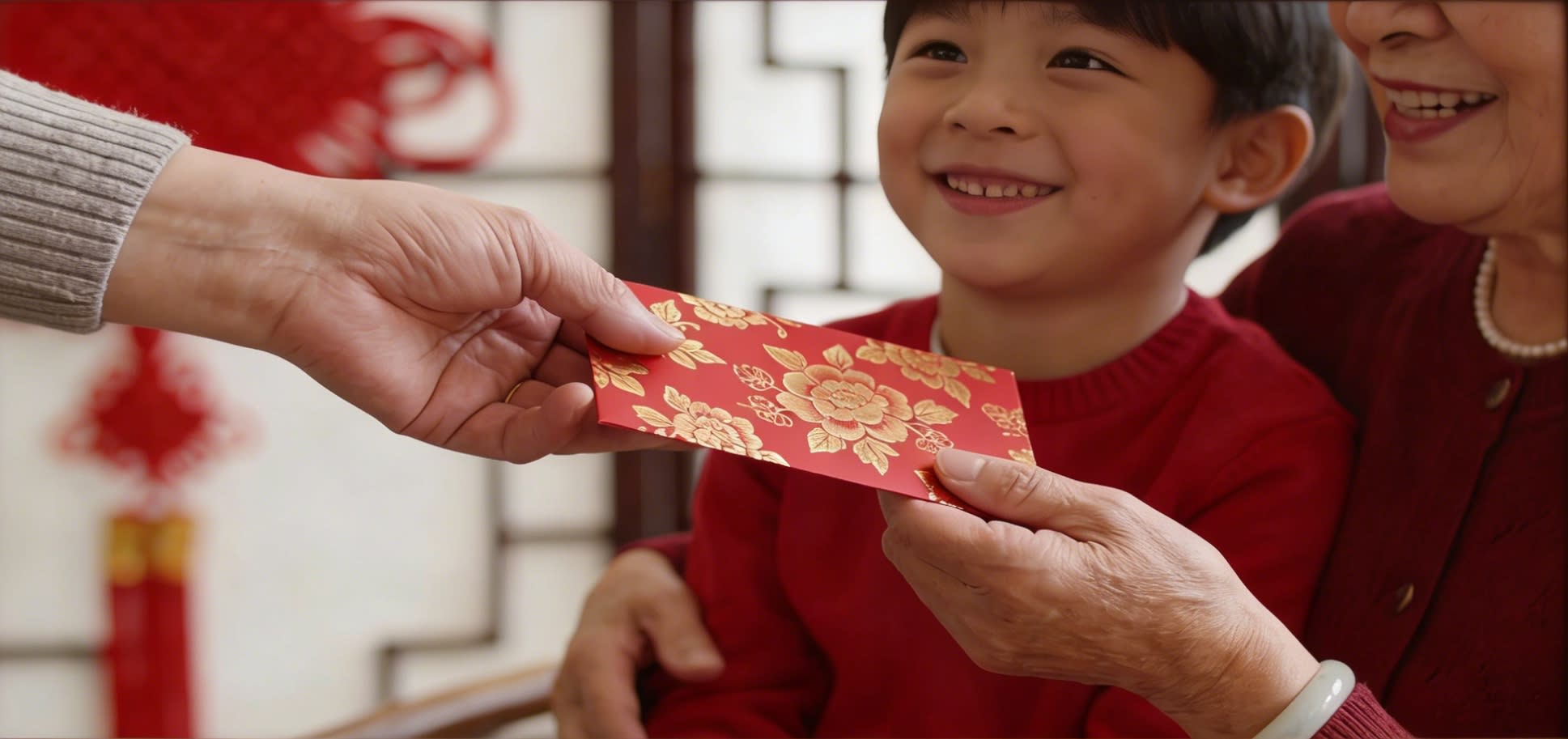
The Hóngbāo is perhaps the most iconic element of the festival. Think of it as the ultimate expression of benevolence and social bonding. When an elder hands a red envelope to a child or a younger family member, they aren’t just giving cash; they are passing on their own luck and well-wishes for the coming year.
Local Insight: Never use old, wrinkled bills. I always make a trip to the bank a few days before to ensure I have crisp, fresh notes. Remember, numbers carry deep weight: we avoid the number 4 (sì) because it sounds like “death,” and we embrace 6, 8, or 9 for their associations with smoothness, wealth, and longevity. If you want to impress your Chinese hosts, hand the envelope over with both hands and say “Gōngxǐ fācái!” (Wishing you prosperity!).
2. Making Dumplings (包饺子 Jiǎozi)
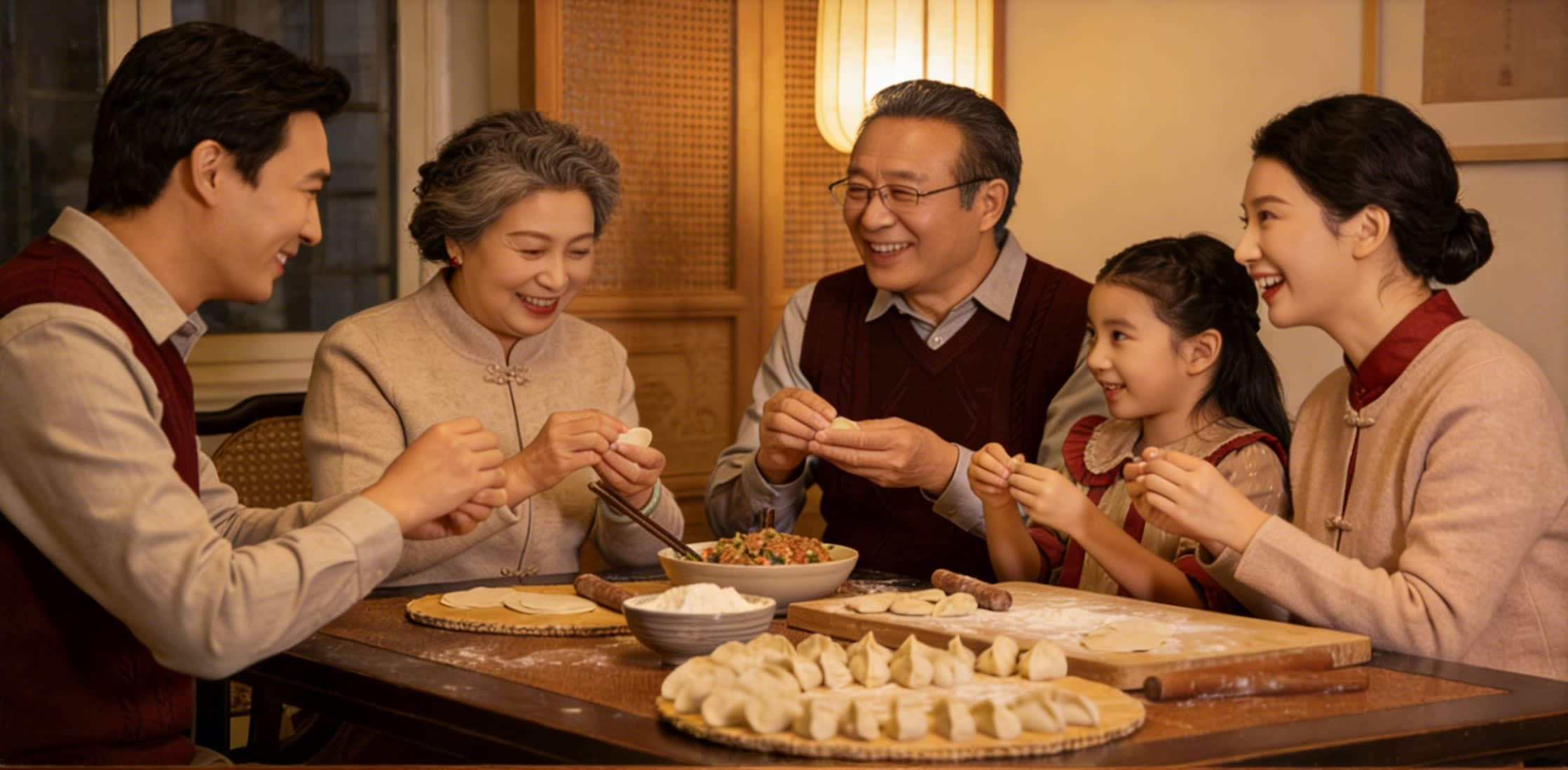
Nothing says “home” quite like the collective ritual of Jiǎozi. On New Year’s Eve, the kitchen becomes a chaotic, joyful assembly line. We wrap these little pockets of happiness into the shape of ancient silver ingots, symbolizing the wealth we hope to attract.
A Personal Tip: It’s messy, it’s flour-covered, and it’s arguably the best part of the night. If you’re a beginner, don’t stress about perfect pleats—the act of sitting together and swapping stories is the real tradition. If you are hosting, I highly recommend using a sturdy bamboo steamer to handle the volume of dumplings you’ll be making. Legend says whoever finds the coin hidden in a batch gets a year of extra luck. Just remind your guests to chew carefully!
3. Hanging Red Lanterns (挂红灯笼 Guà Hóng Dēnglóng)
Red lanterns are the visual pulse of the festival. In traditional folklore, these glowing orbs serve to guide good fortune into the home and confuse any wandering malevolent spirits. If you want to dive deeper into the aesthetics of Chinese celebration, you can learn more about how we curate our space and live in my guide on Chinese Stress Relief: The Meditative Art of Bead Rubbing (Panwan).
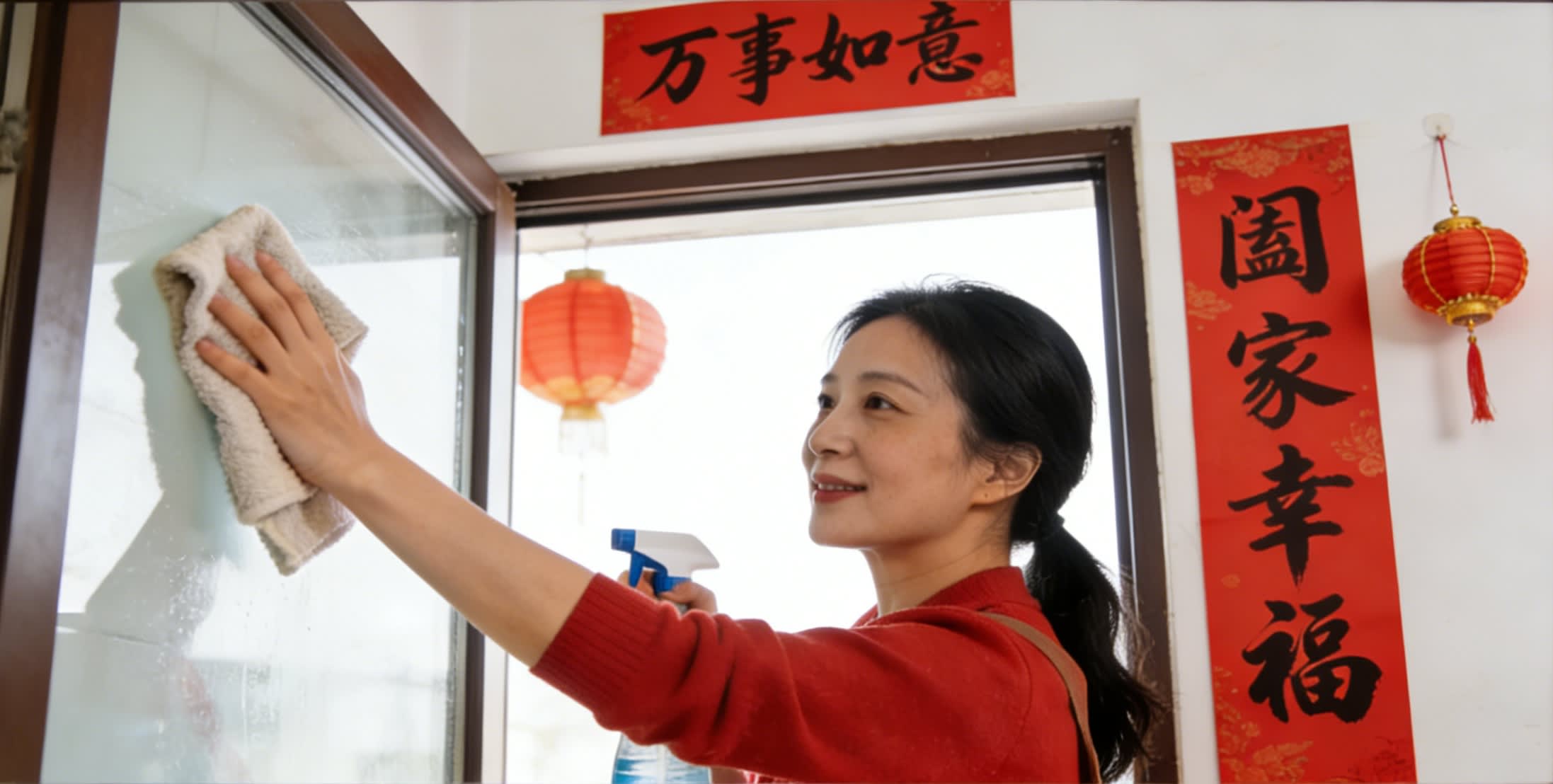
4. Ritualistic Spring Cleaning (扫尘 Sǎo Chén)
Before the first day of the New Year, every household undergoes a ritualistic purge. We call it Sǎo Chén. Because the word for dust (chén) is a homophone for the word “old” (chén), cleaning becomes a symbolic act of sweeping away the stale grievances and bad luck of the previous year to make room for fresh blessings. Just don’t make the rookie mistake of cleaning on New Year’s Day; that’s when you’re meant to relax, or you’ll accidentally “sweep away” your incoming good fortune.
5. Pasting Red Couplets (贴春联 Tiē Chūnlián)
These are the poetic, vertical red scrolls you see framing front doors across every Chinese city. They are the calligraphy version of a New Year’s resolution. Each scroll is a masterclass in balance, optimism, and linguistic flair.
| Position | Chinese Characters | Pinyin | Meaning |
|---|---|---|---|
| Top Scroll | 春回大地千山秀 | Chūn huí dà dì qiān shān xiù | Spring returns to earth, mountains thrive |
| Bottom Scroll | 福降人间万户欢 | Fú jiàng rén jiān wàn hù huān | Blessings descend, households rejoice |
6. The Reunion Dinner (年夜饭 Niányèfàn)
This is the “Super Bowl” of meals. Every dish on the table carries a heavy weight of symbolism: fish (yú) for abundance, tofu for blessings, and Niángāo for rising progress. If you find yourself in the kitchen helping out, remember that achieving the perfect texture is a point of immense pride for the host. For those who want to master the art of the perfect stir-fry, check out The ULTIMATE Beef Chow Fun (Gon Chau Ngau Ho): Master the Wok Hei Secret.
7. Sending New Year Wishes (送祝福 Sòng Zhùfú)
Greeting your friends in their mother tongue is the fastest way to warm a room and earn immediate respect. Keep these simple: Xīnnián kuàilè (Happy New Year) is your go-to, but if you want to sound like a local, try Wànshì rúyì—it translates beautifully to “may everything go according to your wishes.”
8. The Midnight Fireworks (放烟花 Fàng Yānhuā)
The legend of the Nián monster—a beast said to be scared away by loud noises and the color red—lives on through these spectacular displays. While modern cities have tight restrictions due to safety and air quality, the spirit remains unshakable. If you are in a rural area, the midnight sky turns into a living tapestry of light and thunder.
9. Visiting Relatives (拜年 Bài Nián)
The first few days of the year are for social maintenance. We visit extended family, often bearing small, thoughtful gifts like premium tea leaves or high-quality seasonal fruit. It is a time for renewing bonds and showing respect to the eldest members of the family, ensuring the hierarchy and continuity of the home remain strong.
10. Dragon and Lion Dances (舞龙舞狮 Wǔ Lóng Wǔ Shī)
These performances are dynamic, high-energy, and deafeningly loud in the best way possible. The dancers move with an almost superhuman agility. If you watch a performance in a public square, tossing a small red envelope into the lion’s mouth is an act of supporting the performers’ effort and inviting good fortune for yourself.
Celebrating from Afar?
You don’t need to be in Beijing to embrace the spirit of the season.
- Host a dumpling session: It’s the ultimate icebreaker for friends of all backgrounds.
- Dress for the occasion: Red is the color of the season—don’t be afraid to wear it.
- Deepen your knowledge: If you want to understand the deeper layers of Chinese culture, look into Mandarin Chinese Culture Myths: Debunking Common Misconceptions for Beginners.
The Spring Festival is ultimately about connection. Whether you’re in a bustling hutong or across the ocean, these customs serve as a vehicle for the same core objective: looking forward with a heart full of hope. Gōngxǐ fācái!
Disclaimer: As an Amazon Associate, ChinaCurator earns from qualifying purchases.