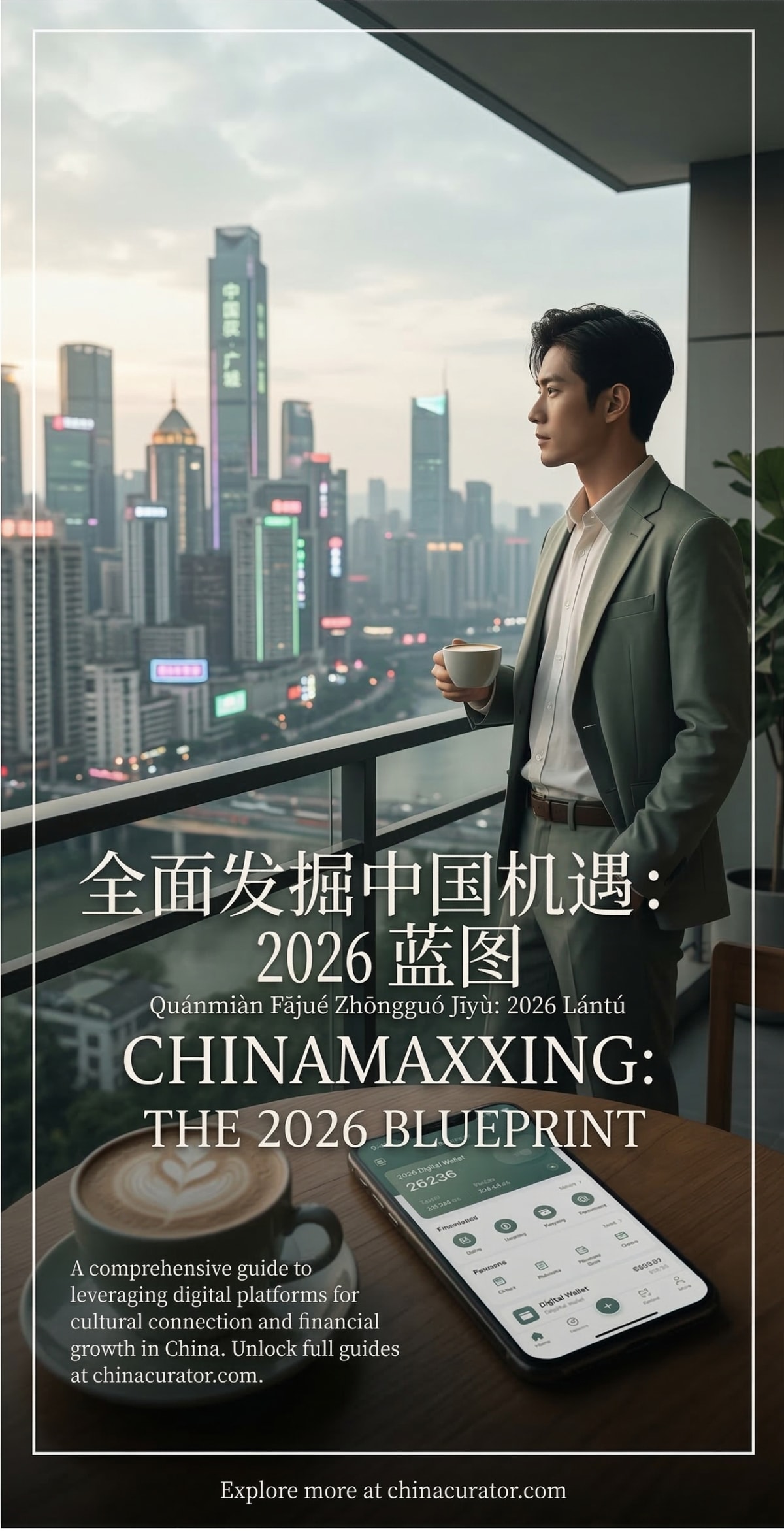
If you have $1,500 a month in San Francisco, you are likely spending your days staring at a spreadsheet, trying to figure out how to cover basic rent while your fridge slowly goes empty. But if you have $1,500 a month in 2026 China, you are Chinamaxxing.
Welcome to the definitive lifestyle hack of the decade. We aren’t talking about “traveling on a budget” in the sense of hostel dorms and instant noodles. We are talking about leveraging world-class high-speed rail, 15-minute grocery deliveries, and a digital infrastructure so seamless it feels like living in the future, all while maintaining a high-end existence on a mid-range budget. It’s not just about saving cash; it’s about reclaiming your time, your health, and your agency in the Year of the Horse.
🚀 What is “Chinamaxxing”?
The term Chinamaxxing has surged as the viral mantra for global citizens, expats, and digital nomads in 2026. At its core, it is the strategic decision to reside in China to exploit the incredible “Quality-to-Cost” ratio. While many global metropolises are currently buckling under the weight of runaway inflation and aging, sluggish infrastructure, China’s “New Tier-1” cities have doubled down on hyper-efficiency.
Chinamaxxing isn’t merely about being a “cheap traveler” or bargain hunting. It is about functioning as a “Lifestyle Architect.” It’s the realization that in our post-pandemic reality, where remote work is the gold standard for global minds, your physical location should be an asset, not a heavy liability. When I moved to Chengdu, I didn’t just find a cheaper apartment; I found a way to buy back my life. By utilizing China’s robust eSIM vs. physical SIM options, I remain seamlessly tethered to my global operations while living in a city that treats leisure as a high art.
💹 The $1,500 Blueprint: Luxury on a Budget
In 2026, the economic logic of living in a major Chinese hub is undeniable. For roughly 10,800 RMB ($1,500 USD), you aren’t just surviving; you are thriving. This budget effectively bypasses the soul-crushing “grind” of urban living in the West.
| Expense Category | Estimated Monthly Cost (USD) |
|---|---|
| Smart Apartment (Modern Studio) | $450 - $650 |
| Dining & Specialty Coffee | $350 |
| Transport & Weekend Rail Trips | $150 |
| Gym, Language Lessons & Misc | $250 |
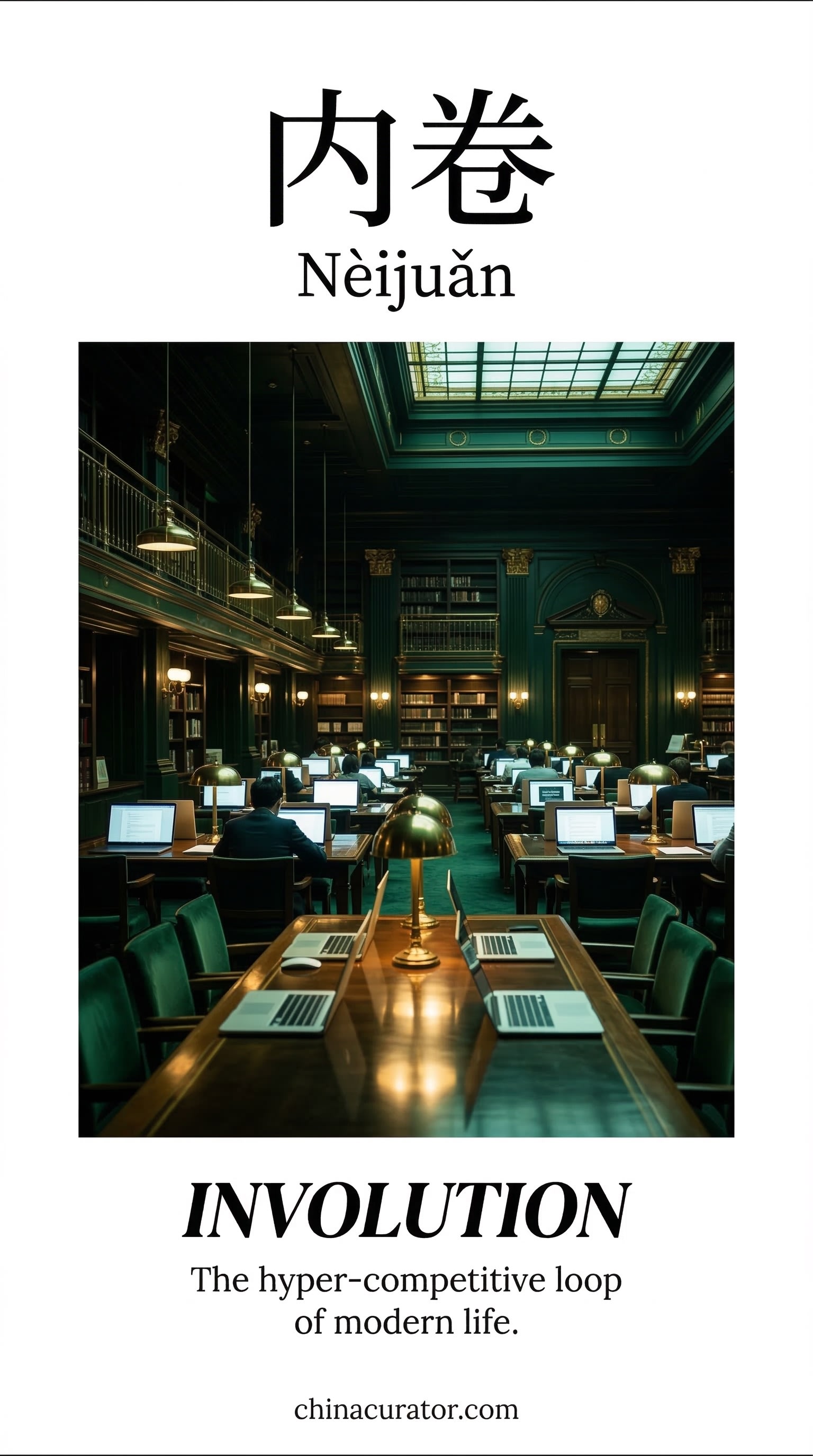
In the West, professionals often fall into the trap of Nèijuǎn (内卷 - Involution)—the relentless, exhausting competition for diminishing returns. Chinamaxxing serves as the ultimate “exit strategy.”
🛠️ The Digital Life-Support System
The secret sauce of the Chinamaxxing lifestyle is the total integration of AI-driven logistics that handle the tedious friction points of daily life.
- The “Instant” Economy: Through apps like Meituan, you can order a freshly roasted coffee bean or a high-end mechanical keyboard and have it at your door in under 30 minutes.
- The Invisible Wallet: Cash is effectively a relic. Whether you are paying for a lavish $100 banquet or a $0.50 stick of Tánghúlu (糖葫芦 - candied hawthorn), your QR code is the universal key.
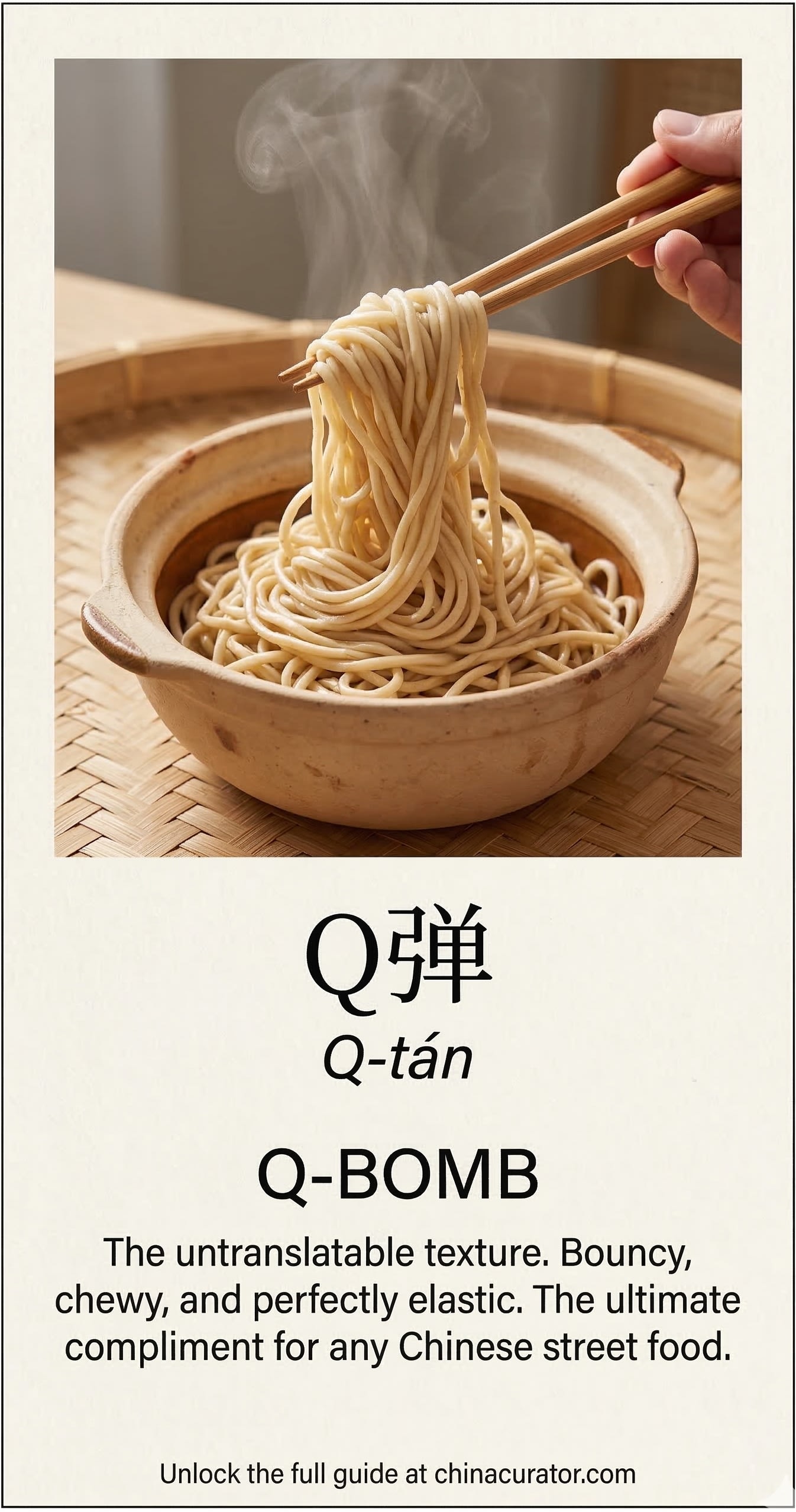
- The “Q-Bomb” Standard: Quality of life is measured in texture. Locals are obsessed with Q-tán (Q弹 - bouncy or elastic texture). Whether it’s a perfectly crafted noodle or a chewy boba pearl, if it lacks that signature Q-tán snap, it simply doesn’t make the cut.
🏮 Connecting with the “Working Strays”
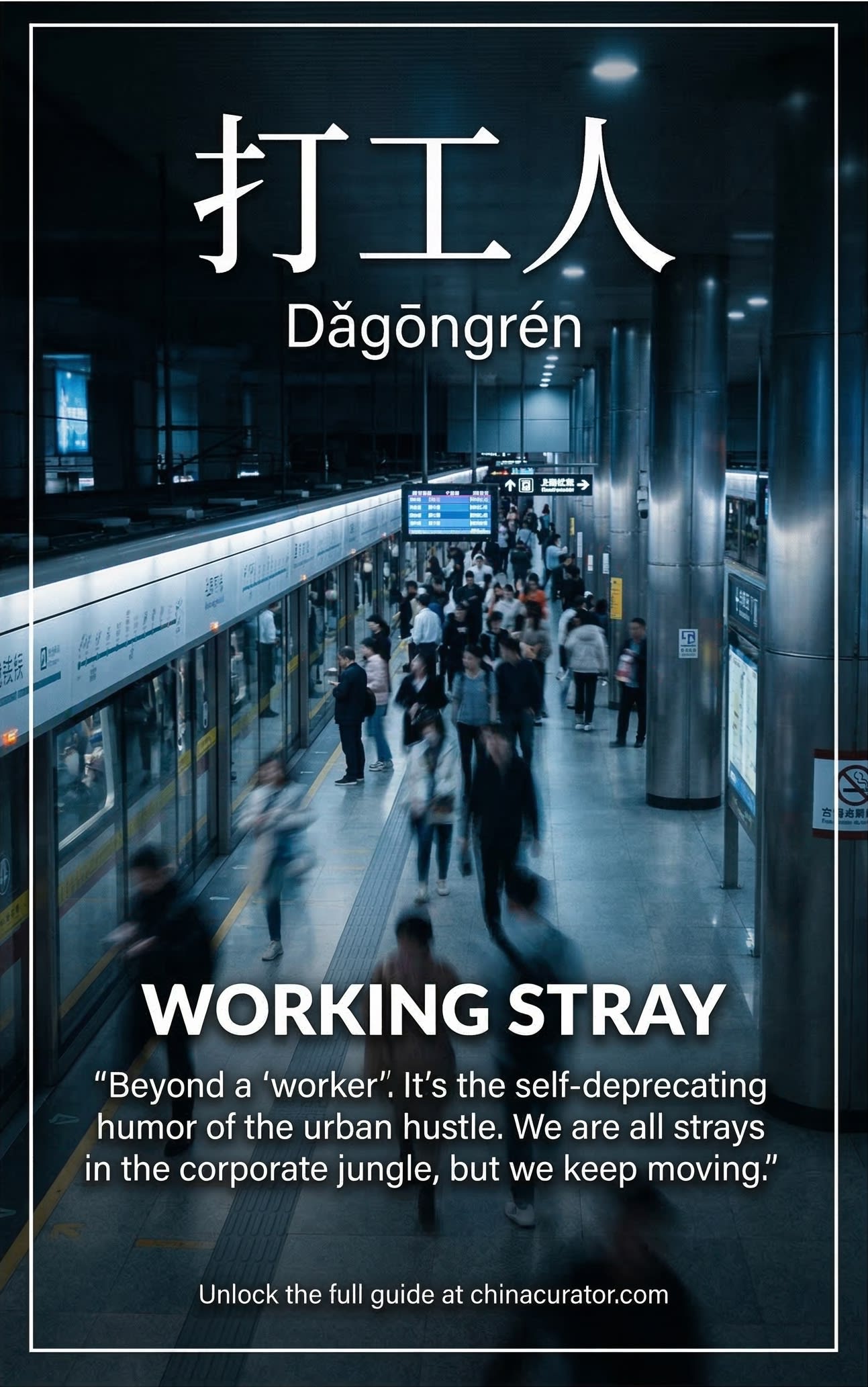
To truly “max” your experience, you must learn the social code. Most young professionals you meet identify as Dǎgōngrén (打工人 - Working Stray). It’s a badge of honor, a self-deprecating nod to the hustle.
When you start acknowledging the Qíngxù Jiàzhí (情绪价值 - Emotional Value) in your daily interactions—whether chatting with your local Ayi (阿姨 - auntie/friendly service worker) or your favorite barista—you cease to be a “tourist” and begin to live as an “Insider.” This is the deep, human layer beneath the steel and glass, and it’s where you find the warmth of Chinese tea culture.
📍 Choosing Your 2026 Home Base
- Chongqing (重庆): The “Cyberpunk” capital. Ideal for those who thrive in high-vertical, neon-drenched environments where a mountain-climbing workout is just a walk to the grocery store.
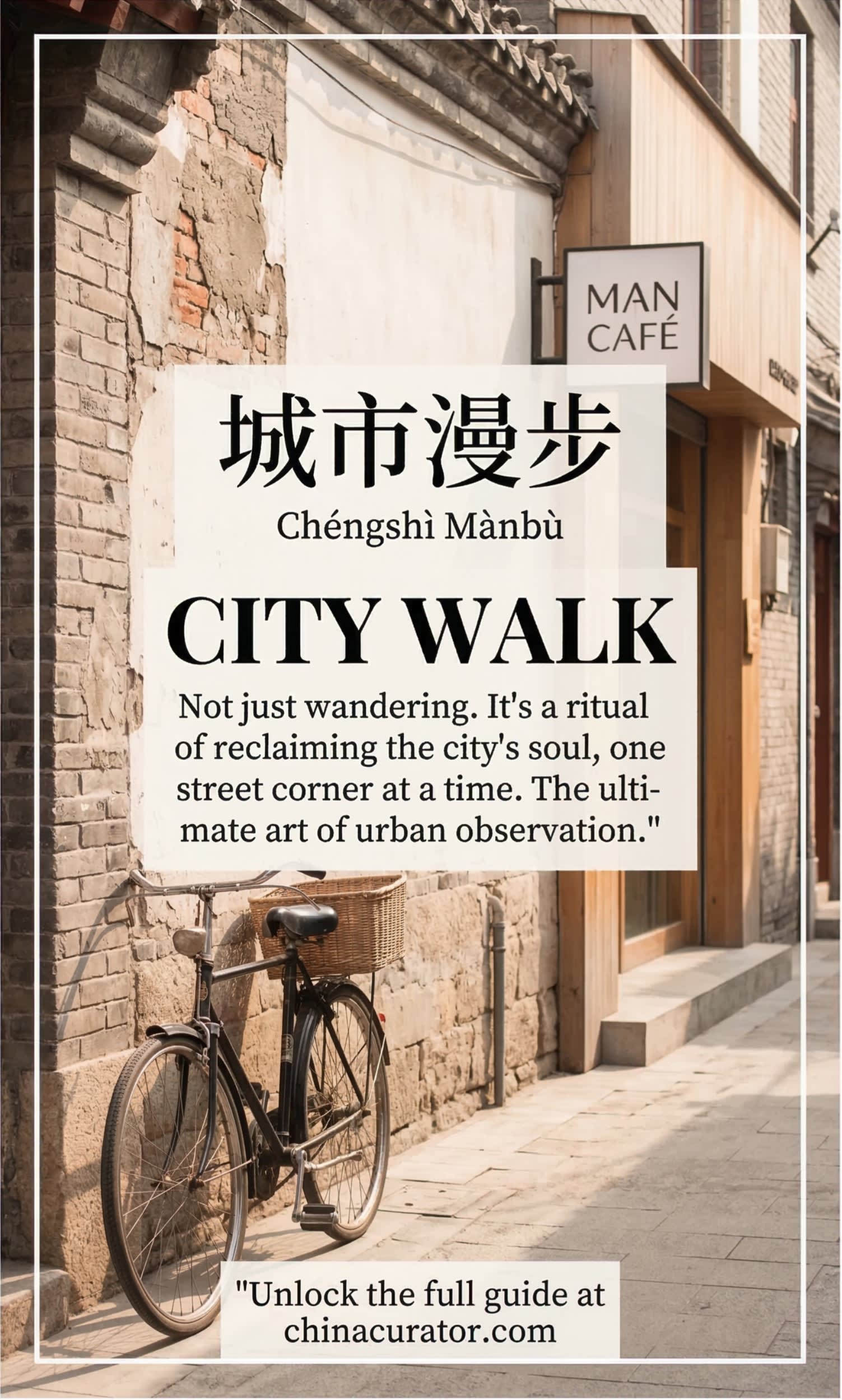
- Chengdu (成都): The city of leisure. Famous for its tea-drenched teahouses and the art of Chéngshì Mànbù (城市漫步 - City Walk). It is the perfect place to master the local pace.
- Dali (大理): The spiritual home of the nomad. Come here for the crisp air and the ultimate expression of Màn Shēnghuó (慢生活 - slow life).
FAQ: Is Chinamaxxing for You?
1. Is it difficult to set up as a foreigner? Not in 2026. WeChat and Alipay now allow direct binding of international cards, and the 144-hour transit visa policy makes “trial runs” incredibly straightforward. You can land, set up, and start your journey without the usual bureaucratic nightmare.
2. Do I need to speak perfect Mandarin? While you can survive with apps, learning 2026 slang like Qíngxù Jiàzhí will drastically boost your “Emotional Value” and help you connect with locals on their terms. It turns a transaction into a conversation.
3. What about the “Great Firewall”? Most “Chinamaxxers” use roaming eSIMs which bypass the firewall natively, allowing you to stay connected to your global network while benefiting from China’s local, lighting-fast 5G speeds.
Final Thoughts from Jiahao
Chinamaxxing isn’t just a trend; it’s a pragmatic reflection of the 2026 reality. When the global climate is loud, expensive, and sluggish, the smart move is to move where the infrastructure works for you. China has built the system; all you need to do is show up, scan your first QR code, and start curating your best life.
㊗️ Wishing you a year of maximum growth and zero friction in the Year of the Horse!
Ready to unlock the full potential of your move?
Disclaimer: As an Amazon Associate, ChinaCurator earns from qualifying purchases.