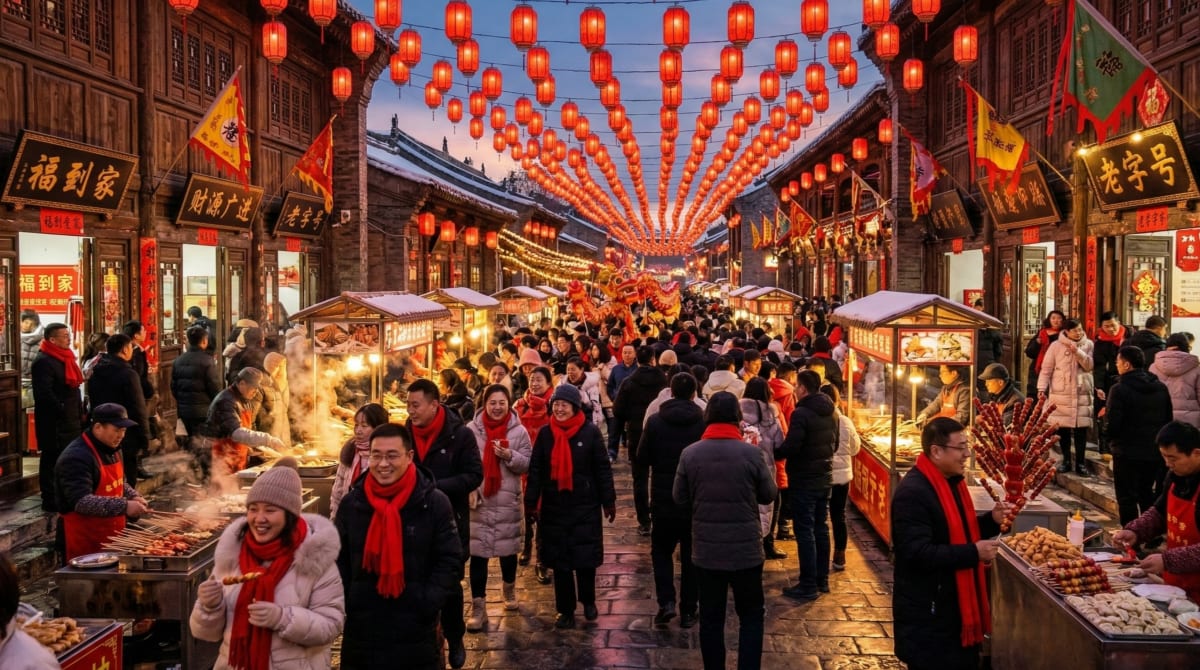
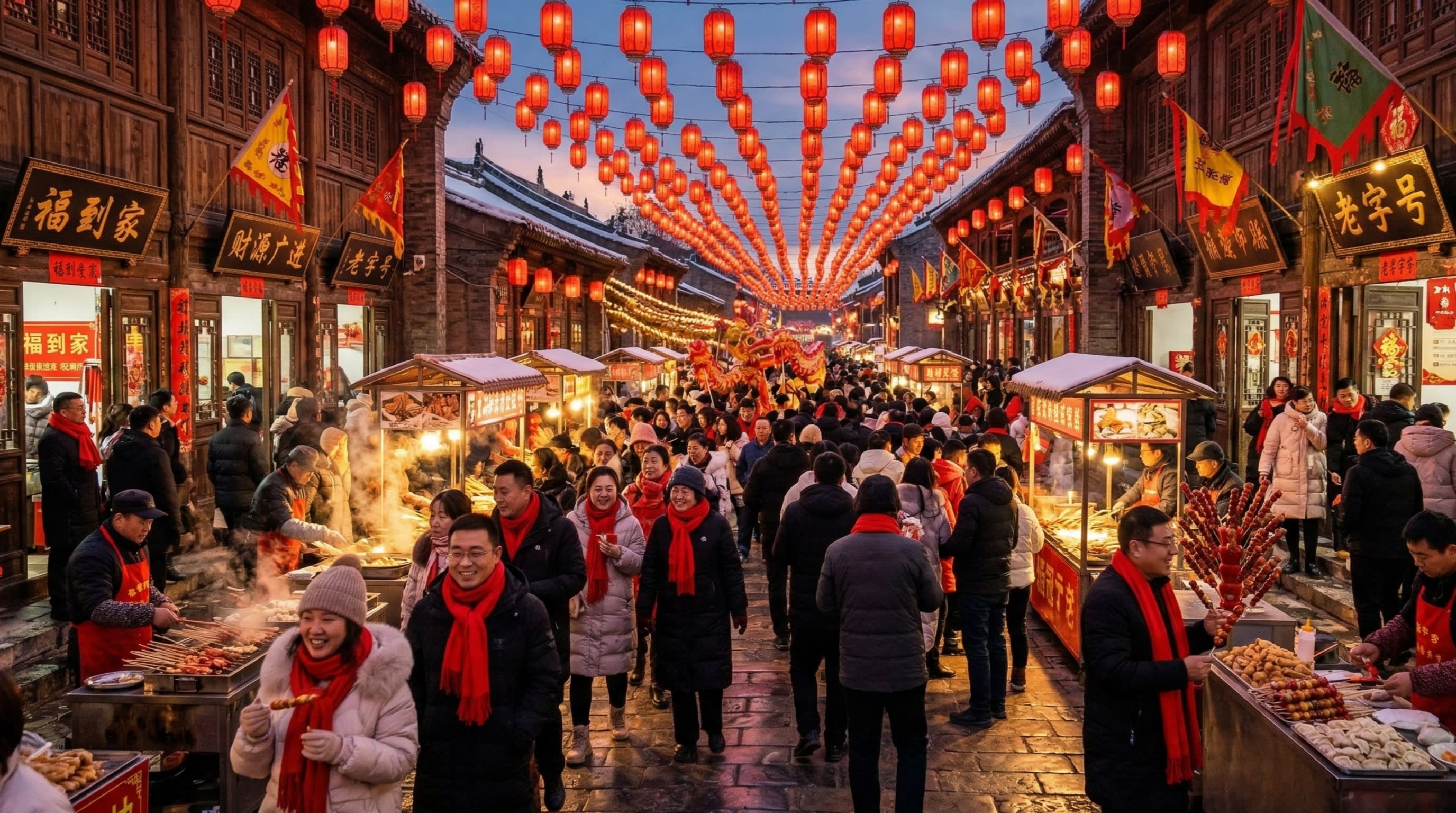
If you ask a local living in a modern Chinese mega-city how they feel about the Spring Festival, you will often hear a nostalgic sigh followed by a common phrase: ‘Xiànzài de niánwèi yuè lái yuè dàn le’ (现在的年味越来越淡了)—”The New Year flavor is getting weaker these days.” As skyscrapers replace traditional courtyards and digital red envelopes replace physical ones, the raw, chaotic, and deeply ancestral soul of the holiday can be difficult to unearth in the concrete sprawl of Tier-1 cities.
But make no mistake: the magic hasn’t disappeared; it has simply relocated to the places that keep tradition alive. In 2026, the Year of the Horse, if you want to experience the authentic heartbeat of the Chinese New Year, you need to know exactly where to look.
🧨 The Elusive Concept of “Nian Wei” (年味)
Before you pack your bags, I want you to understand what we are searching for. Niánwèi (年味) literally translates to “New Year Flavor,” but it has nothing to do with food on a plate. It is a sensory and emotional atmosphere that I have spent years chasing across the country.
It is the biting cold air filled with the sharp, sulfurous tang of firecrackers at midnight. It is the visual pop of vermilion couplets pasted onto worn wooden doorframes. It is the smell of sandalwood incense curling through a packed temple, the rhythmic boom of drums, and the desperate, joyful warmth of a family squeezing around a steaming hot pot. To find Nian Wei in 2026, you must leave the business districts behind. Here are my top four recommendations for experiencing the ultimate Spring Festival.
📍 1. Beijing (北京): The Imperial Temple Fairs
If you crave the classic, northern Chinese winter experience, Beijing is undefeated. While the modern CBDs quiet down as migrant workers return to their ancestral homes, the city’s ancient parks erupt with fierce, traditional energy.
The undisputed highlight of a Beijing New Year is the Miàohuì (庙会 - Temple Fair).
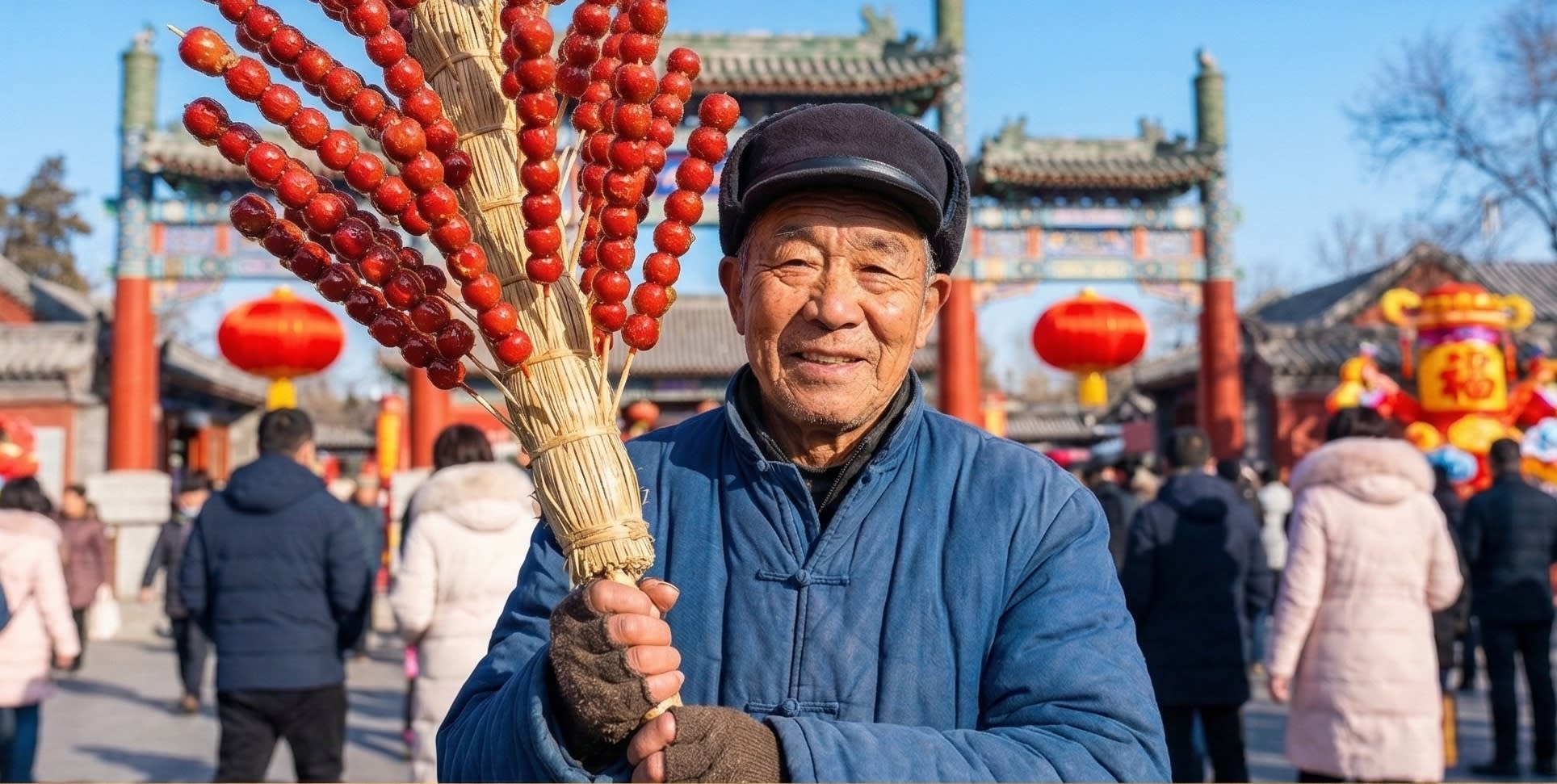
- The Ditan Temple Fair (地坛庙会): Held at the Temple of Earth, this is one of the largest and oldest fairs in the city. When I visited, the sensory overload was absolute; you will see imperial worship ceremonies re-enacted by performers in stunning Qing Dynasty robes.
- The Flavor of the North: The air here is heavy with the scent of roasted meats and caramelized sugar. You absolutely must grab a stick of Tánghúlu (糖葫芦)—bright red hawthorn berries encased in a shell of hardened sugar. Eating this crunchy, tart treat while your breath plumes in the -5°C air is, in my opinion, a quintessential Beijing memory.
- Shichahai Ice Skating: After the fair, I recommend heading to the frozen lakes of Shichahai. Renting a wooden sled and sliding across the ice, surrounded by ancient red walls, is the same joy locals have chased for centuries. For a more detailed breakdown of the capital’s festive vibe, read my insider’s guide to Beijing hutongs.
📍 2. Xi’an (西安): The Tang Dynasty Illumination
If Beijing is about street-level atmosphere, Xi’an is about overwhelming visual majesty. Xi’an does not just celebrate the New Year; it illuminates it.
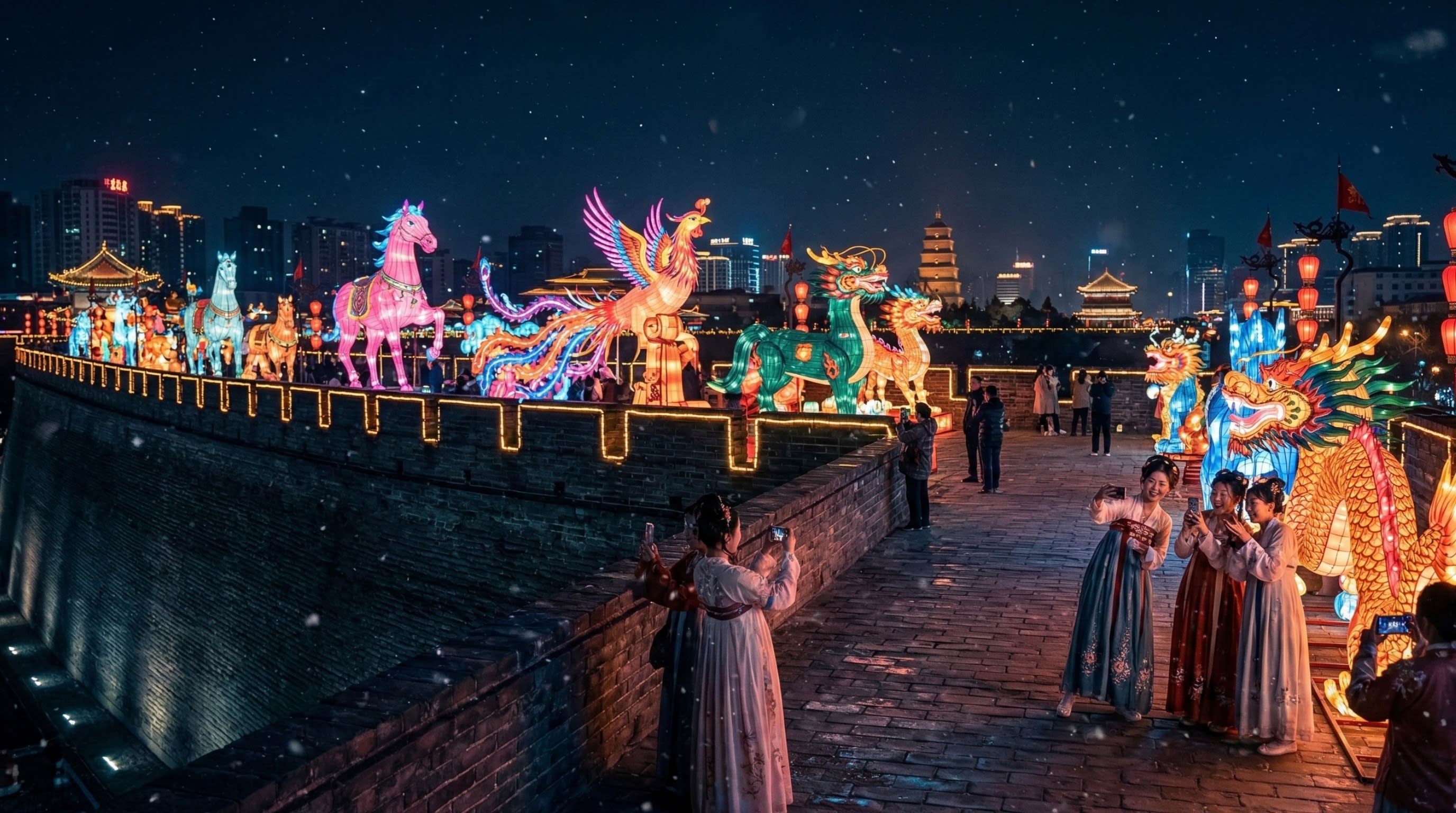
- The City Wall Lantern Festival: The ancient city wall here is the most complete surviving example in China. During the festival, the 13.7-kilometer perimeter becomes a glowing art exhibition. Walking beneath massive silk lanterns shaped like the zodiac horse is a highlight that reminds me why I fell in love with this country.
- Datang Everbright City (大唐不夜城): This pedestrian street is designed to mirror the capital of the Tang Dynasty at its peak. During the holiday, it is a sea of people wearing beautifully embroidered Hànfú (汉服 - traditional Han Chinese clothing). Walking through this area under the glow of a million lanterns feels like a genuine time-travel experience.
- The Feast: Xi’an is the carb capital of China. I always warm my freezing hands with a steaming Ròujiāmó (肉夹馍 - Chinese hamburger) and a massive bowl of spicy, hand-pulled Biángbiáng miàn (Biangbiang noodles).
📍 3. Guangzhou (广州): The Spring Flower Markets
If you, like me, occasionally grow weary of the bitter northern winter, head south. The Spring Festival in Guangdong is defined by lush greenery, balmy 18°C weather, and endless floral seas.
In Cantonese culture, water and flowers represent wealth. Thus, the most critical pre-New Year activity is Xíng huājiē (行花街 - Strolling the Flower Street).
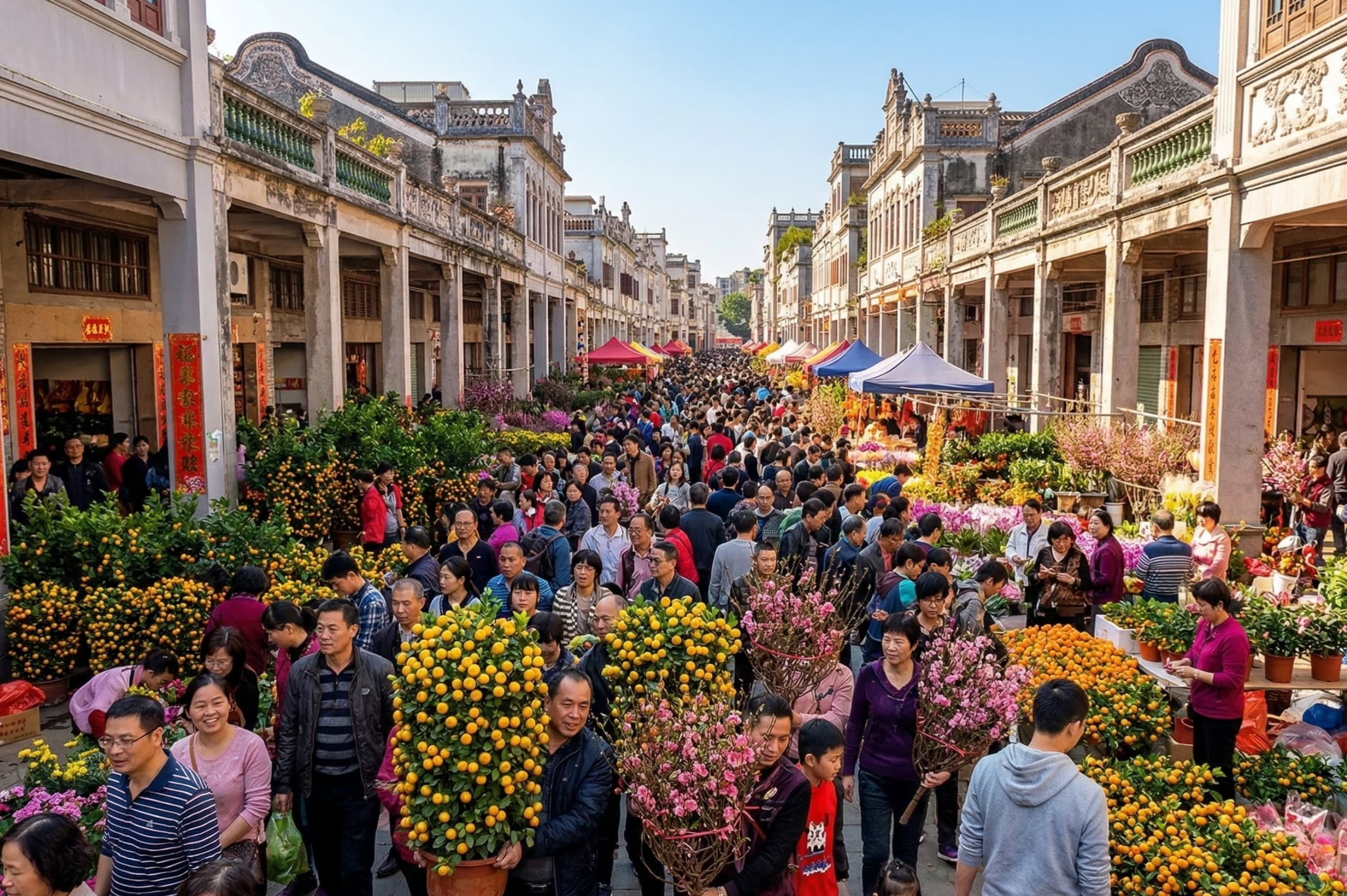
- The Flower Markets (迎春花市): Days before the New Year, massive temporary flower markets overtake the city. Locals aren’t just buying decor; they are investing in fortune.
- The Botany of Luck: You will see thousands of Jīnjú (金桔 - Kumquat trees). In Cantonese, the word for kumquat sounds like “gold” and “luck.” Families display these trees, laden with tiny orange fruit, in their homes. You will also see pink peach blossoms, which I am told bring romantic luck to the unmarried.
- The Lion Dance (舞狮 Wǔshī): Southern China is the home of the acrobatic lion dance. The aggressive, rhythmic beating of drums is everywhere, marking the martial artists’ spectacular jumps from pole to pole.
📍 4. Pingyao Ancient City (平遥古城): The Rural Winter Escape
For the most concentrated, untouched Nian Wei, you must leave the provincial capitals for the walled city of Pingyao in Shanxi.
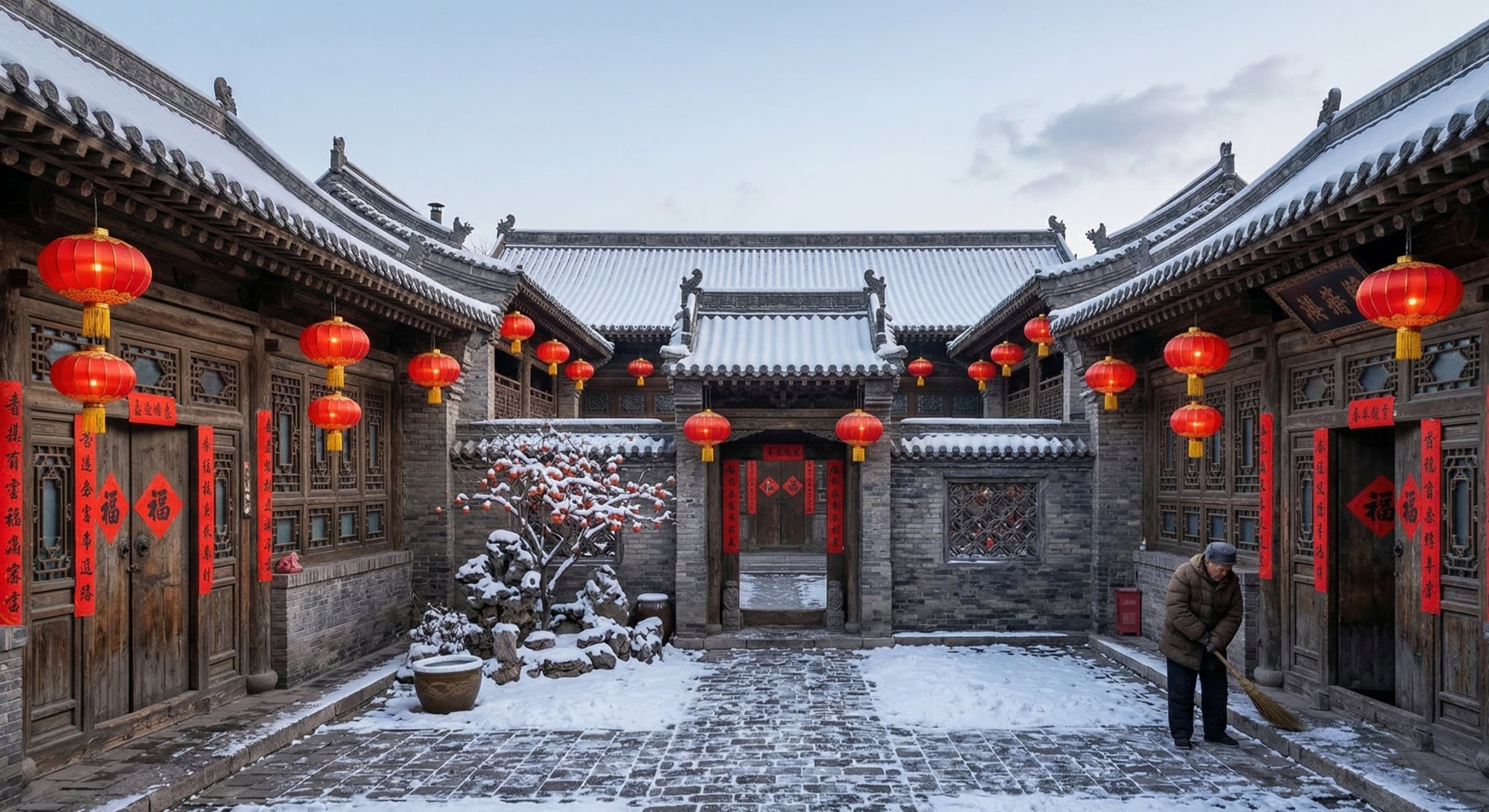
- A Living Museum: Pingyao looks exactly as it did during the Ming and Qing dynasties. During the festival, every courtyard hangs massive red lanterns. When snow falls on the grey brick roofs, the contrast with the vibrant red decor is a photographer’s dream.
- The Kàng (炕): I suggest experiencing a true northern winter by staying in a courtyard hotel with a Kang—a traditional heated brick bed. After a day of exploring, sipping hot tea on a roasting brick surface is a comfort you will never forget.
- Shehuo (社火): Pingyao is famous for rural folk performances like stilt walking and dragon dances that weave through narrow, 600-year-old alleys.
🎒 The 2026 Spring Festival Survival Guide
Traveling in China during this time is not a casual vacation; it is a logistical ballet known as Chūnyùn (春运 - Spring Festival Travel Rush).
- Master the 12306 App: Tickets for high-speed rail go on sale 15 days in advance. For dates around February 15-20, they sell out in seconds. For smooth transit, read my guide on how to navigate the Chinese transport system.
- Dining Logistics: If you want a famous restaurant on New Year’s Eve, book weeks in advance. Otherwise, stick to shopping mall chains, which rarely close.
- Embrace the Chaos: Sites will be packed shoulder-to-shoulder (Rénshān rénhǎi 人山人海). Do not let the crowds frustrate you; they are the manifestation of a billion people celebrating life together.
💬 Essential “Nian Wei” Vocabulary
| The Term | Characters & Pinyin | Context |
|---|---|---|
| New Year Flavor | 年味 Niánwèi |
The festive, traditional atmosphere of the season. |
| Paying a Visit | 拜年 Bàinián |
Visiting friends or family to offer formal greetings. |
| People Mountain, People Sea | 人山人海 Rénshān rénhǎi |
Used to describe massive, inescapable holiday crowds. |
| Reunion Dinner | 年夜饭 Niányèfàn |
The all-important family feast on New Year's Eve. |
Final Thoughts from Hao
The “Nian Wei” hasn’t faded; it has simply retreated to the places that protect it. Whether you are crunching on caramelized hawthorn in a freezing Beijing temple or carrying a kumquat tree through the warm streets of Guangzhou, the soul of the Spring Festival is waiting for you. Dive into the crowds, brave the cold, and let the 2026 Year of the Horse show you the true, unfiltered magic of China.
㊗️ Safe travels, and may your New Year be filled with authentic flavor and deep connections!
Disclaimer: As an Amazon Associate, ChinaCurator earns from qualifying purchases.