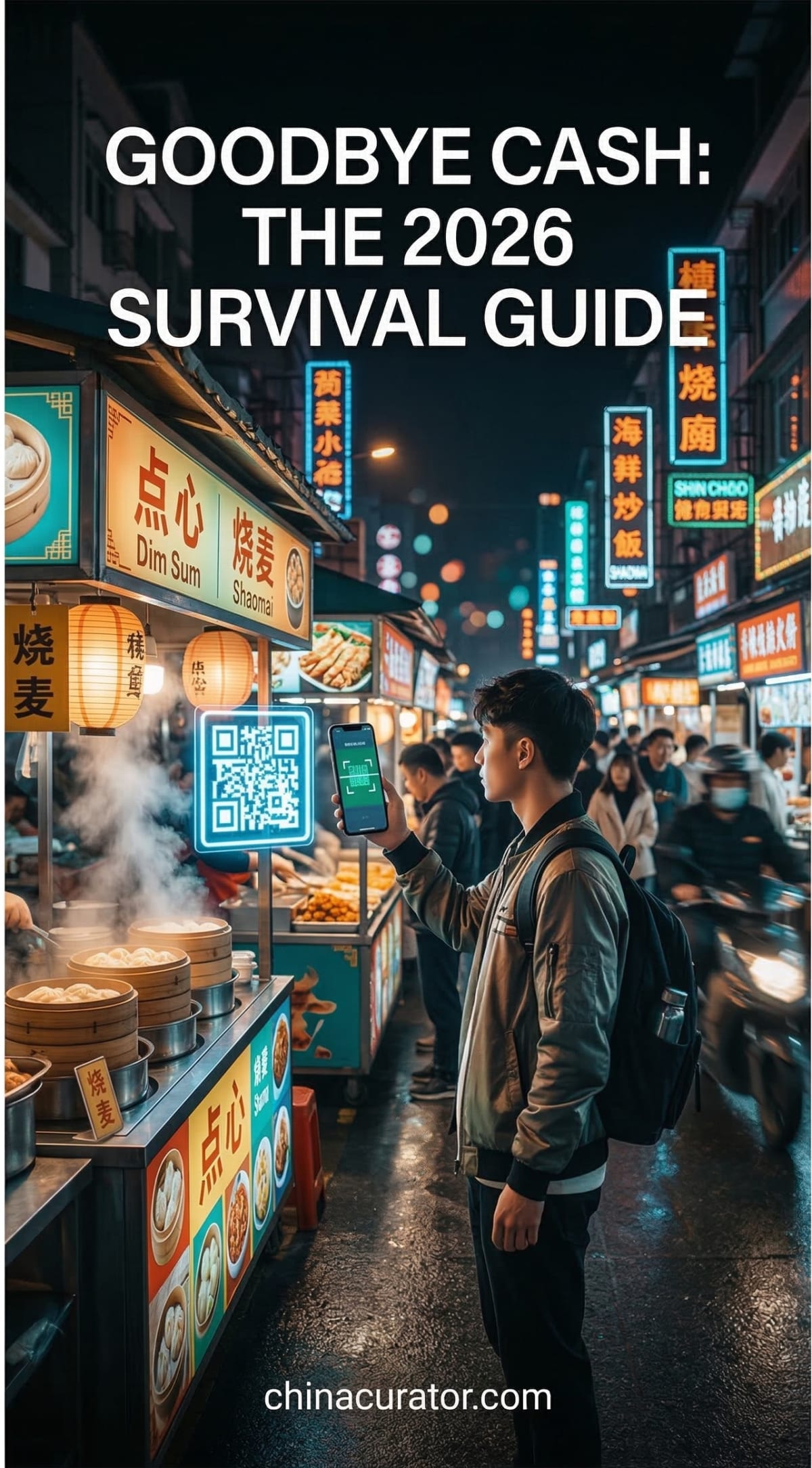
You land in Shanghai, the humid air thick with the scent of roasted chestnuts and diesel. You walk up to a street-side taxi, eager to reach your hotel, and try to hand the driver a crisp 100 RMB note. He glances at the paper, then back at you, a weary, patient smile creasing his face. In 2026, China isn’t just “cash-preferred”; it is effectively a digitally gated society. That paper money in your pocket? It’s essentially a museum piece.
But don’t panic. Whether you are here for a spontaneous City Walk or embarking on a long-term Chinamaxxing adventure, this guide will turn your smartphone into a digital skeleton key.
📱 1. The Twin Pillars: Alipay and WeChat Pay
In the Chinese digital solar system, there are two suns: Alipay (支付宝 - Zhīfùbǎo) and WeChat Pay (微信支付 - Wēixìn Zhīfù). You need both to function, though they serve slightly different gravitational pulls in your daily life.
Alipay: The Traveler’s Best Friend
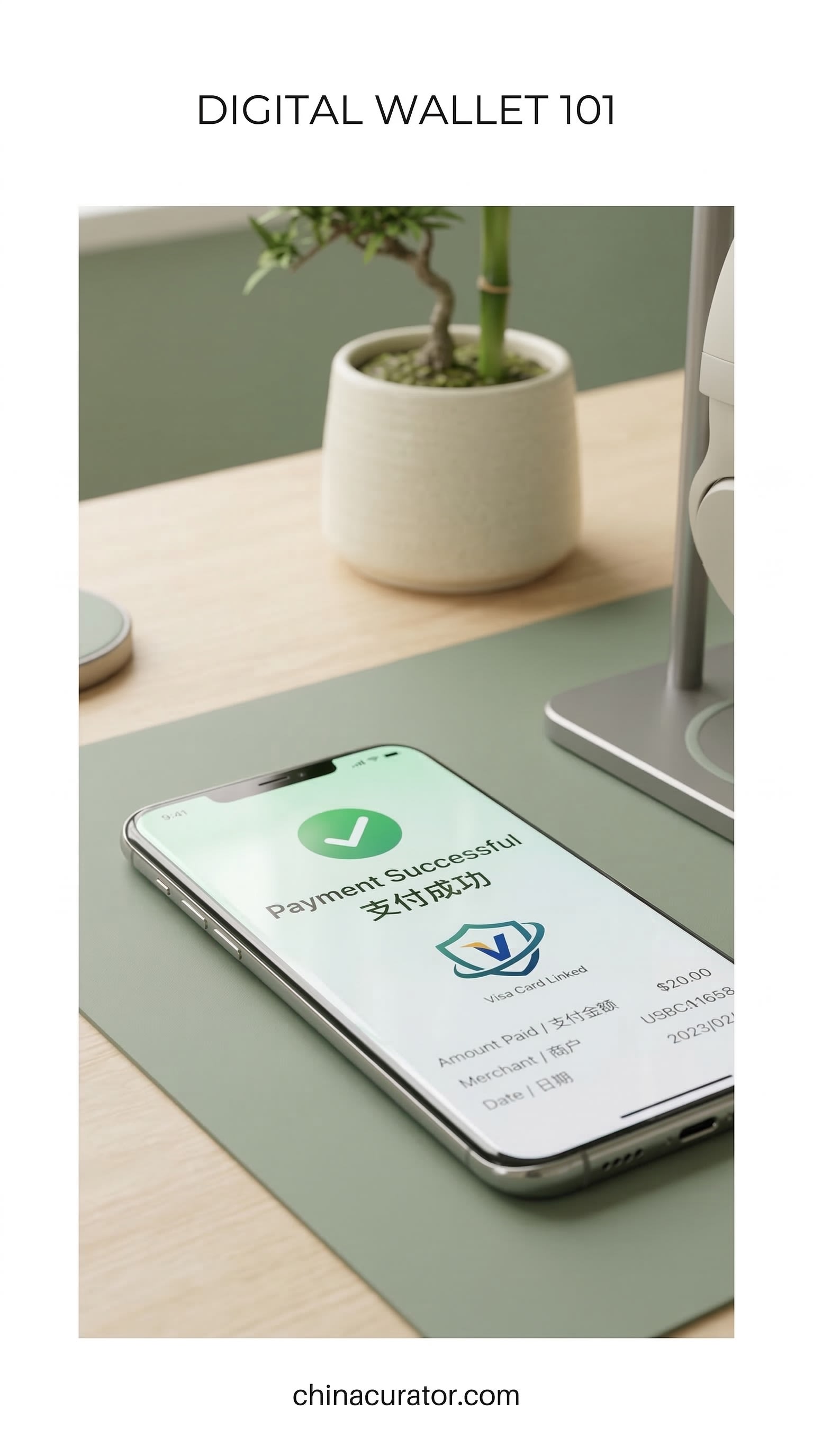
Alipay remains the most intuitive gateway for international visitors. By 2026, the international version has been polished to perfection, supporting almost every major foreign credit card (Visa, Mastercard, JCB).
The real-name verification (shímíng rènzhèng) process has been transformed from a bureaucratic hurdle into a three-minute task. You simply upload your passport photo, perform a quick 3D face scan, and—voilà—you are verified. Even better, most transactions under 200 RMB ($28) now carry zero international transaction fees, making it as seamless as tapping a new smartphone at a cafe back home.
WeChat Pay: The “Everything” Ecosystem
While Alipay is your digital wallet, WeChat is your life-support system. It is the “everything app” where you message friends, read news, and book tickets. Many specialized mini-programs for local services—like ordering a specific brand of bubble tea or booking a niche museum tour—live exclusively within the WeChat ecosystem. You’ll find that keeping a portable power bank charged and ready is essential, as you’ll be using this app for literally everything from sunrise to midnight.
🏮 2. The Pro Secret: Merchant Codes vs. Personal Codes
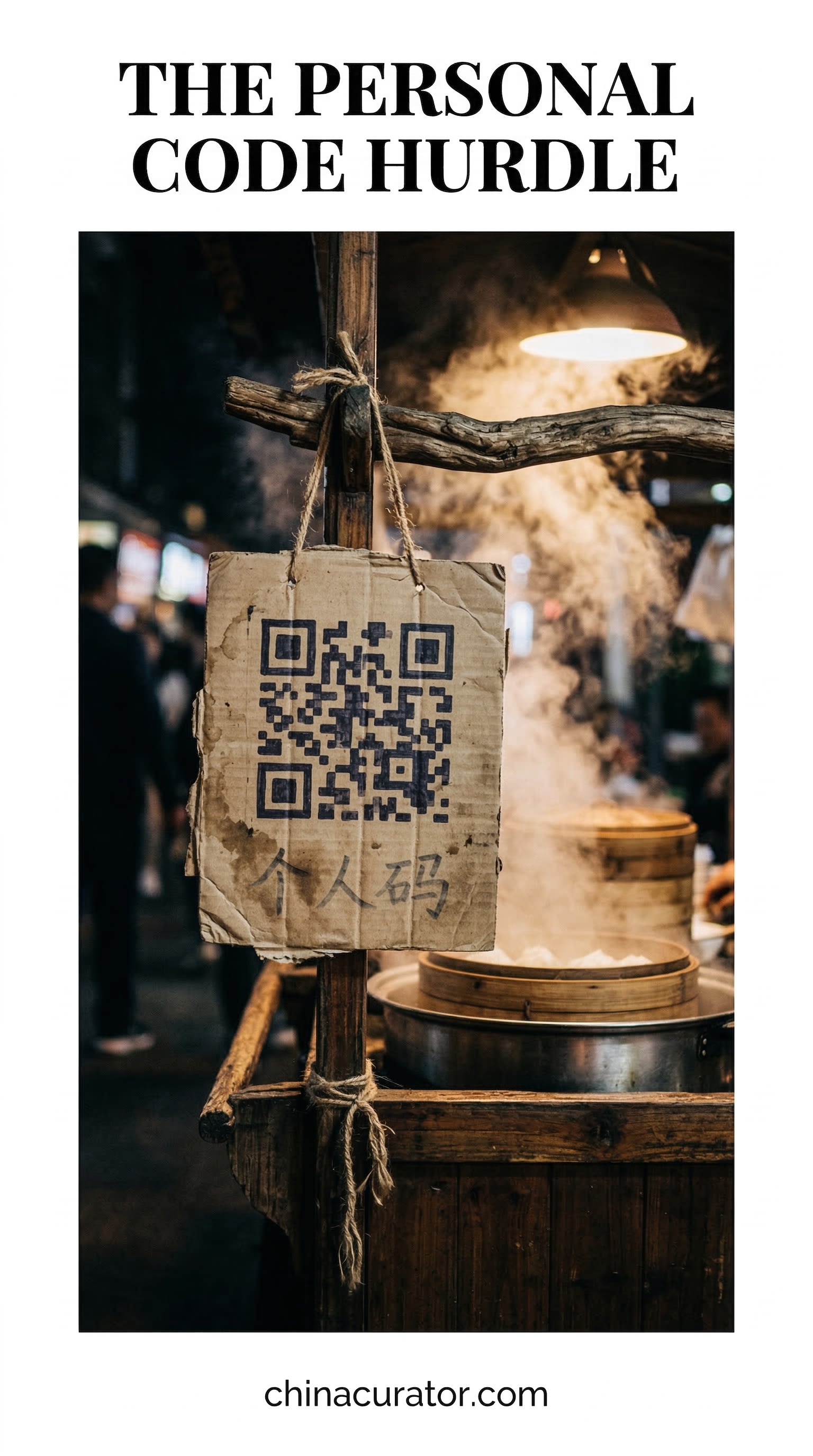
This is the exact point where most newcomers stumble. You’ve bound your card, you walk up to a humble street-side stall selling jianbing, and you try to pay—but the app rejects you. Why?
There is a distinct difference between a Merchant Code and a Personal Code.
| Code Type | How it Works | Compatibility |
|---|---|---|
| Merchant Scan | They scan your QR code at a mall or chain store. | Works perfectly with your bound international credit card. |
| Personal Code | You scan a printed sticker at a small market stall. | Requires a balance (Yú'é) in your app wallet. |
The Fix: If you want to eat at the authentic, hidden-gem noodle shops, you must have a balance (Yú’é) in your digital wallet. The easiest way to get this is to have a local friend send you a Red Envelope (Hóngbāo) or a simple digital transfer. Once that money sits in your “Wallet” balance, you are effectively a local for payment purposes.
🚆 3. Transportation: Moving Like a Local
- High-Speed Rail (Gāotiě): Forget paper tickets. The 12306 app is now fully bilingual. Once you book, your passport is your ticket. Just swipe it at the turnstile. If you’re planning on touring the country, check out my guide on booking high-speed trains to save time and sanity.
- Didi (滴滴): Think of this as the Chinese Uber, but more integrated. It features a robust English interface and an automated translation tool. If the driver messages you to ask where you are, the app translates it instantly.
📶 4. The Digital Barrier: Connectivity
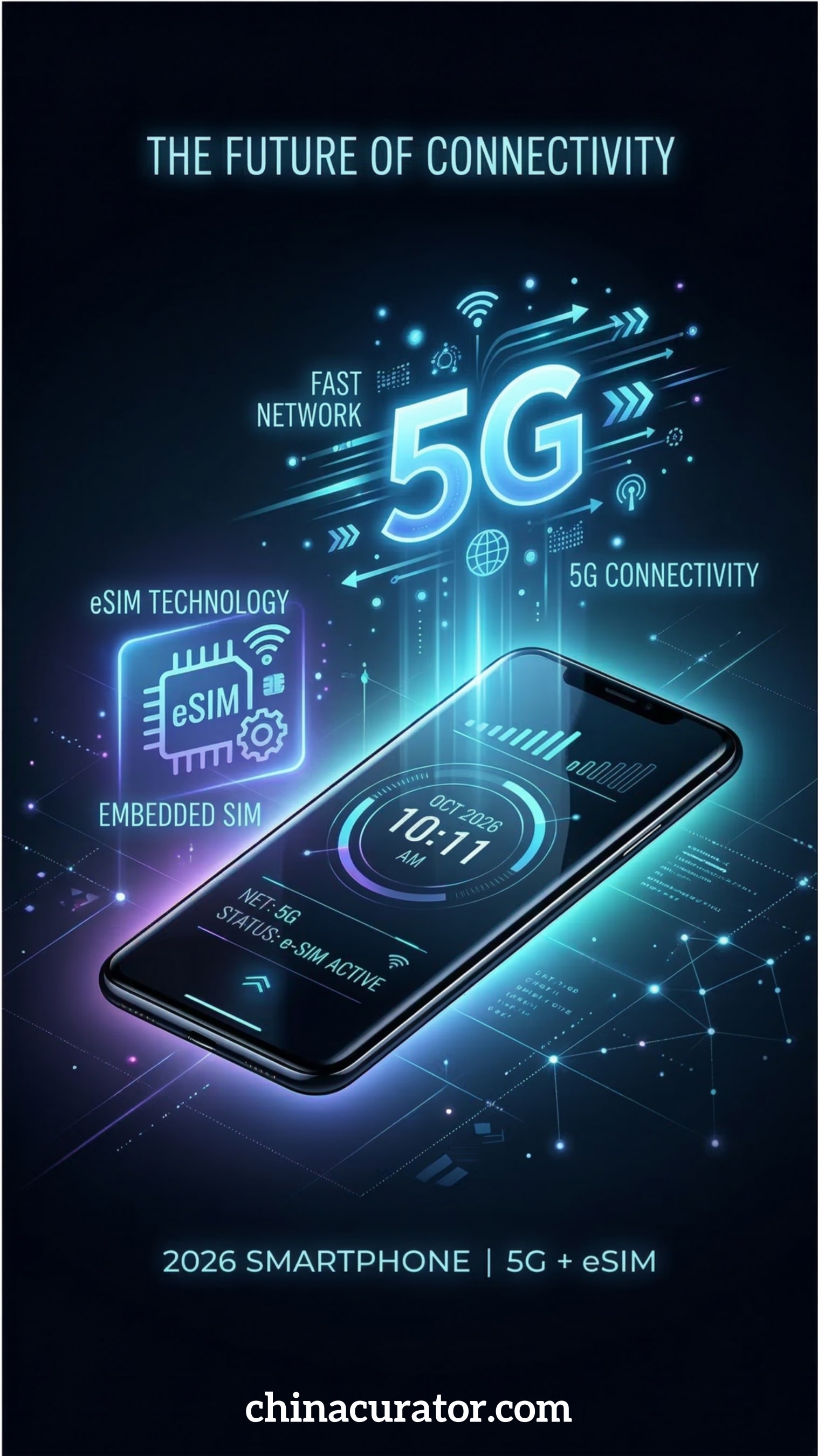
Don’t rely on hotel Wi-Fi alone. For seamless navigation, you need constant data. Using roaming eSIMs—like those provided by Airalo or Nomad—is the smartest play. They bypass the “Great Firewall” naturally, meaning you can check your emails and scroll your socials without needing to constantly toggle a VPN. If you are staying for more than a month, invest in a local SIM card; having a Chinese phone number is the final piece of the puzzle for registering on various niche apps.
💰 5. The 1% Rule: When Do You Need Cash?
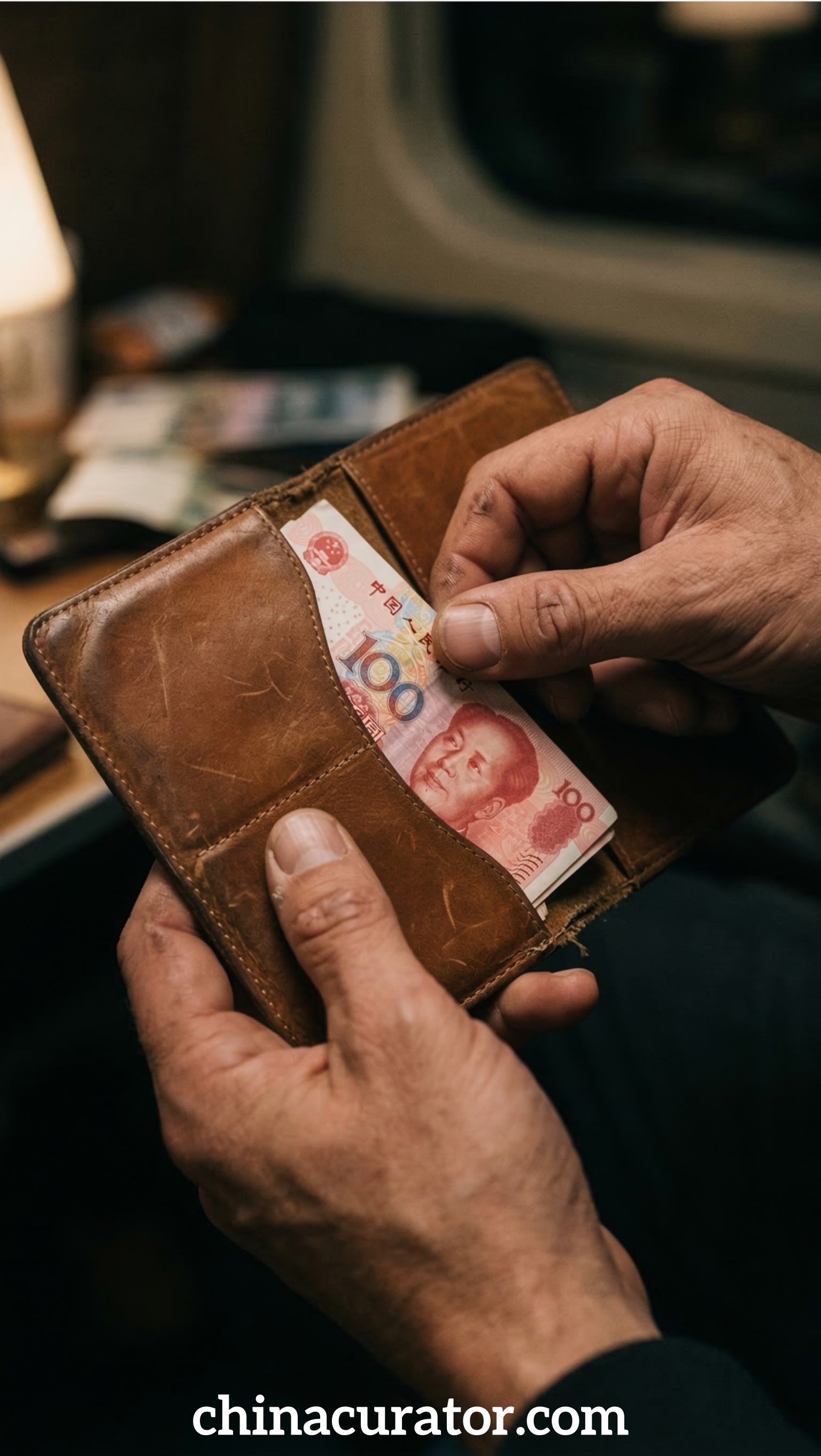
While we live in a digital age, I still follow the “1% Rule.” I always carry about 500 RMB tucked into my travel wallet. Why?
- System Glitches: Even in a hyper-digital society, the servers can occasionally hiccup.
- The Deep Rural Vibe: If you are trekking in the remote mountains, signal may fade.
- Emergency Medical Tasks: Some small-scale administrative fees in older public hospitals or very specific government offices still prefer the feel of cold, hard cash.
Final Thoughts from Hao
Navigating 2026 China is less like an ordeal and more like playing a high-tech game. Once you have your “Inventory”—your Alipay, WeChat, and a reliable data plan—the rest is remarkably smooth. The system isn’t designed to keep you out; it’s built to make every experience, from buying a steaming bowl of soup to catching a train, occur at the speed of thought.
㊗️ Safe travels, and may your battery always be at 100%!
Ready to dive deeper?
- Survival Chinese: Ordering Coffee and Milk Tea Like a Local
- The Ultimate Guide: Best Time to Visit China in 2026
- Decoding the Matrix: A Guide to 2026 Chinese Internet Slang
Disclaimer: As an Amazon Associate, ChinaCurator earns from qualifying purchases.