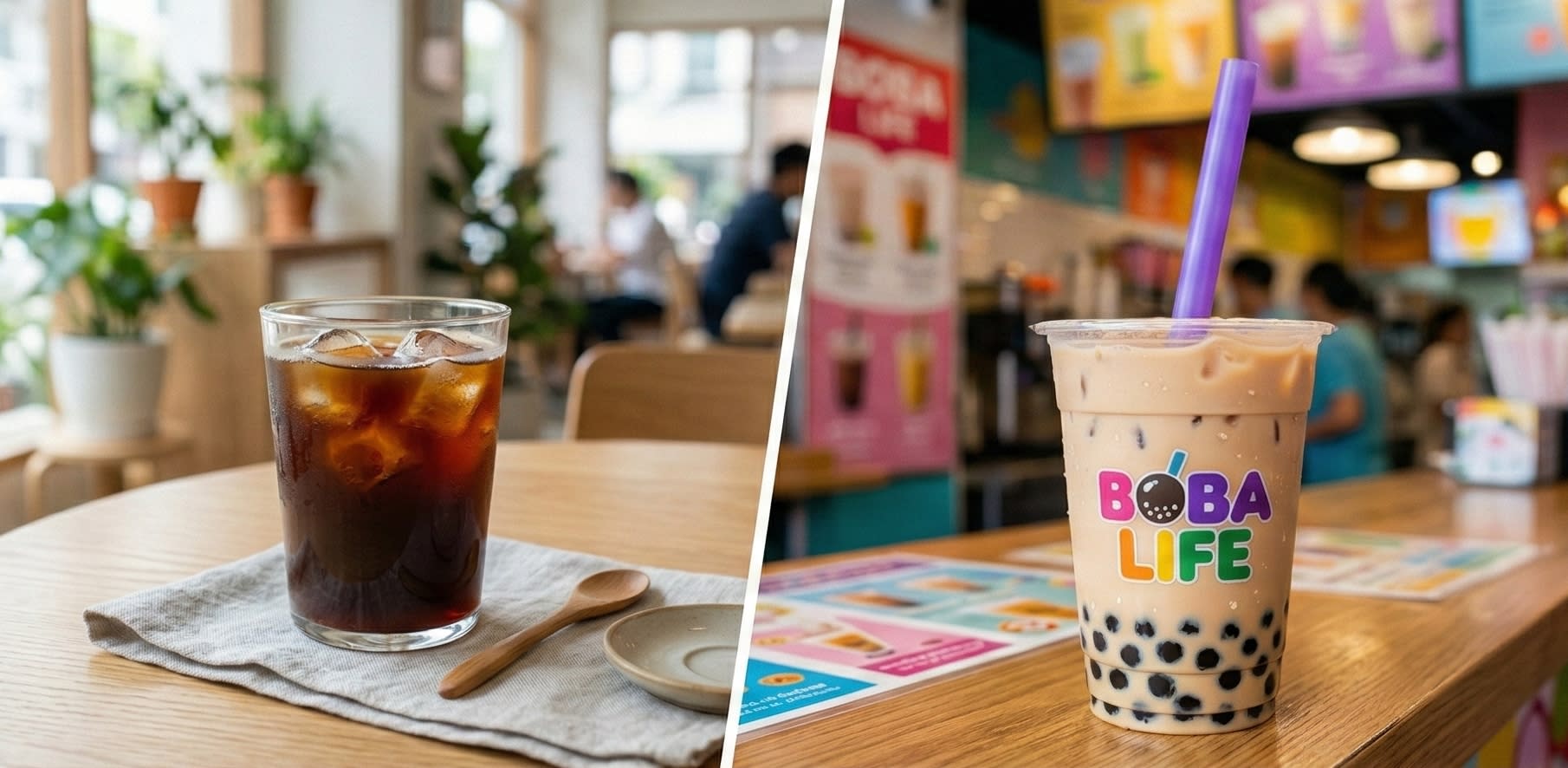
Managing a multi-floor office renovation requires immense stamina, and tracking down display bugs while coding a custom website demands laser-sharp focus. In the fast-paced modern world, the one universal fuel keeping professionals moving is caffeine. I vividly remember my first month living in Beijing; I wandered into a busy storefront, utterly parched and craving a simple iced latte, only to be met with a barrage of rapid-fire questions from a barista whose fingers hovered impatiently over a tablet. I stood there, sweating in the humid Beijing heat, clutching my phone and frantically trying to decipher the digital menu until I finally mastered my own go-to order.
If you travel to China in 2026, you will quickly notice a fascinating cultural shift: the traditional teahouse has been overwhelmingly joined by a booming, hyper-competitive modern beverage industry. On any given street corner, you will find trendy coffee shops like Luckin or Manner standing shoulder-to-shoulder with modern milk tea giants like HeyTea (喜茶, Xǐchá) or Chagee (霸王茶姬, Bàwáng Chájī).
However, walking into one of these shops and simply asking for a “coffee” or “milk tea” will lead to a barrage of follow-up questions from the barista. Customization is king here. You are expected to dictate the precise temperature, the exact percentage of sugar, and your preferred dairy alternatives. This guide will help you bridge that gap, giving you the authentic, everyday Chinese vocabulary needed to order your daily brew exactly how you like it.
1. The Temperature Scale: Beyond “Hot” or “Cold”
In Western coffee chains, drinks are generally just hot or iced. In China, temperature is a spectrum. Traditional Chinese medicine (TCM) influences daily habits to the point where many locals prefer room temperature or “warm” drinks, even in the middle of a scorching summer, to protect their inner balance.
When the barista asks, “Yào lěng de hái shì rè de?” (要冷的还是热的?- Do you want it cold or hot?), you can reply with:
- Zhèngcháng bīng (正常冰): Regular ice. Be warned: in some shops, this means your cup will be 70% filled with ice cubes, leaving very little room for the actual tea.
- Shǎo bīng (少冰): Less ice. This is my personal favorite for iced drinks. The beverage stays crisp and cold, but you get significantly more actual liquid.
- Qù bīng (去冰): No ice. The drink is shaken with ice to reach the perfect temperature and then strained, so your cup is perfectly full without the dilution.
- Chángwēn (常温): Room temperature. A very common choice for locals who want a mild, soothing drink without shocking their digestive system with cold temperatures.
- Rè (热): Hot.
2. The Sweetness Scale: The Golden Rule of “Sanfen”
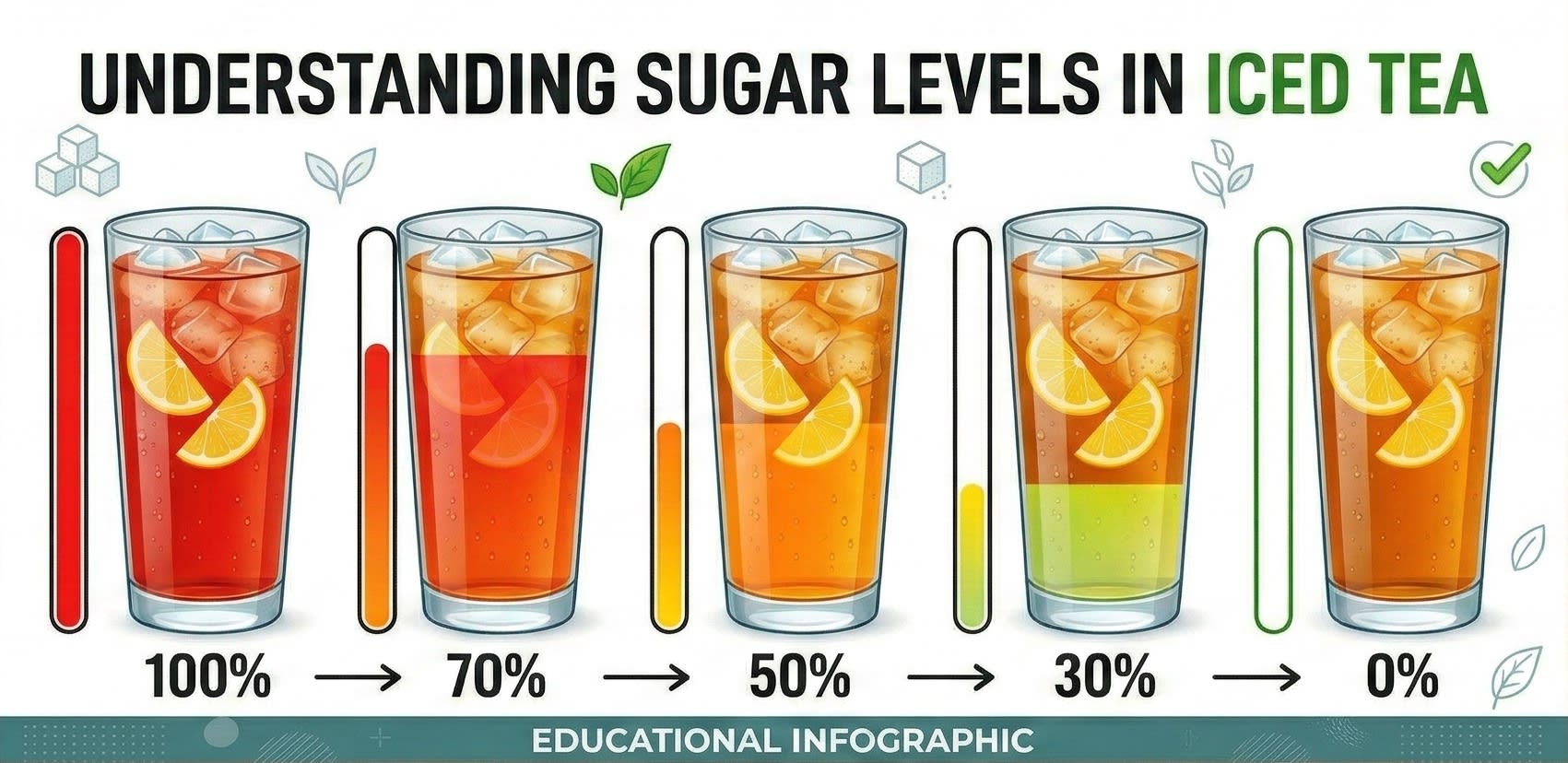
If you only learn one thing from this guide, let it be this: Do not order “Regular Sugar” in China. The standard sweetness level (zhèngcháng táng) at most Chinese milk tea and fruit tea shops is designed for a palate that craves high sugar content. Today, health-conscious Chinese consumers obsess over sugar reduction, and you should join them. Knowing your sweetness percentages is the ultimate sign of a seasoned local.
When asked, “Tiándù zěnme yàng?” (甜度怎么样?- How about the sweetness?), use these terms:
- Zhèngcháng táng (正常糖): 100% sugar. Not recommended unless you have a truly legendary sweet tooth.
- Qīfēn táng (七分糖): 70% sugar. A slightly sweeter treat.
- Bàntáng (半糖): 50% sugar. “Half sugar.”
- Sānfēn táng (三分糖): 30% sugar. This is the “Goldilocks” zone. It provides just enough sweetness to highlight the notes of the tea or coffee without masking it in syrup. It is the go-to choice for most modern urbanites.
- Wú táng (无糖): 0% sugar. Completely unsweetened.
3. Mastering the Milk Tea (Nǎi Chá) Menu
Milk tea (nǎichá 奶茶) has evolved far beyond basic black tea with milk powder. Today, it is an artisanal craft involving fresh seasonal fruits, premium tea bases, and an endless array of toppings (jiāliao 加料). To replicate the chewy texture I love in my home kitchen, I always keep a bag of tapioca starch on hand, but nothing compares to the real deal at a storefront.
Choosing Your Base:
- Yángzhī gānlù (杨枝甘露): Mango Pomelo Sago. A massive hit across China. It is a rich, fruity, and slightly tangy blend of fresh mango, creamy coconut milk, and refreshing grapefruit pulp.
- Guǒchá (果茶): Fruit tea. Often made with a light green or oolong tea base, packed with fresh strawberries, grapes, or peaches. It is the perfect antidote to the summer heat.
Choosing Your Toppings:
- Zhēnzhū (珍珠): Traditional tapioca pearls (Boba). Chewy, dark, and perfectly sweet.
- Bōbà (波霸): Larger tapioca pearls. The texture is identical to zhēnzhū, just bigger for a more dramatic mouthfeel.
- Yēguǒ (椰果): Coconut jelly. Firm, rectangular, and slightly tart.
- Yùyuán (芋圆): Taro balls. Soft, chewy balls made from taro root, offering a more earthy, nutty sweetness than standard boba.
4. The 2026 Coffee (Kāfēi) Culture
China is now the largest branded coffee shop market in the world. While you can easily find a standard Latte (nátiě 拿铁), local innovation has heavily influenced the menu.
- Měishì (美式): Iced Americano. The undisputed king of the Chinese office. If you walk into a corporate building at 9:00 AM, half the staff will be holding an iced měishì.
- Yànmài nátiě (燕麦拿铁): Oat Milk Latte. Due to common lactose sensitivity, oat milk (yànmài nǎi) has become the default dairy alternative in almost every shop.
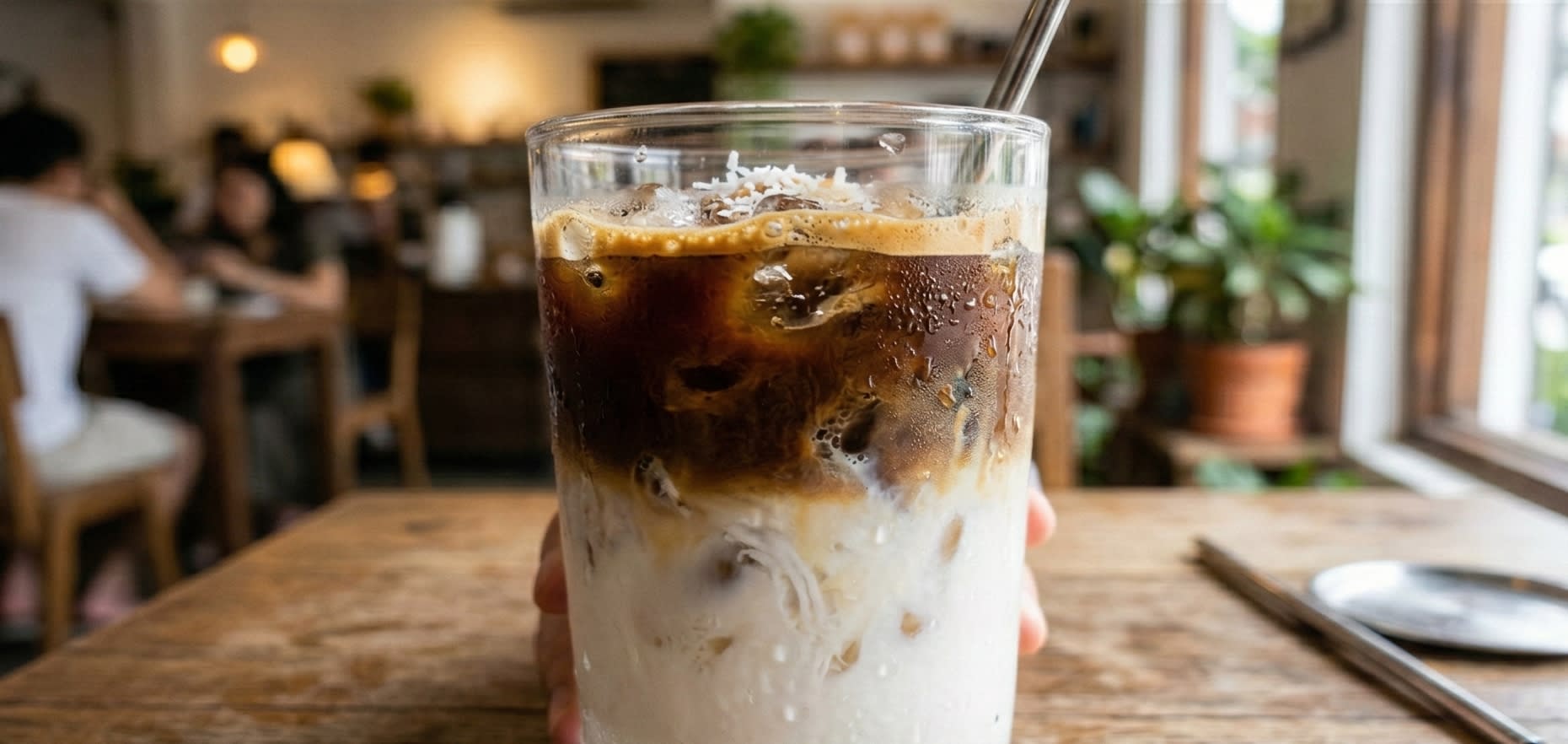
- Shēngyē nátiě (生椰拿铁): Raw Coconut Latte. Pioneered by local chains, this involves an espresso shot poured over sweet, creamy raw coconut milk. It is lush, tropical, and highly addictive.
- Zāngzāng kāfēi (脏脏咖啡): The “Dirty” Coffee. A trendy drink where a hot shot of espresso is carefully poured over cold milk, creating a striking layered effect. You drink it quickly in large gulps to experience the intense hot-and-cold contrast.
5. The Quick Reference Guide
| English | Chinese Characters | Pinyin (Pronunciation) |
|---|---|---|
| I'd like a cup of... | 我要一杯... | wǒ yào yī bēi... |
| Iced Americano | 冰美式 | bīng měishì |
| Bubble Milk Tea | 珍珠奶茶 | zhēnzhū nǎichá |
| Less ice, 30% sugar | 少冰,三分糖 | shǎo bīng, sānfēn táng |
| To-go / Takeaway | 打包 | dǎbāo |
6. The Digital Reality: The WeChat Mini-Program
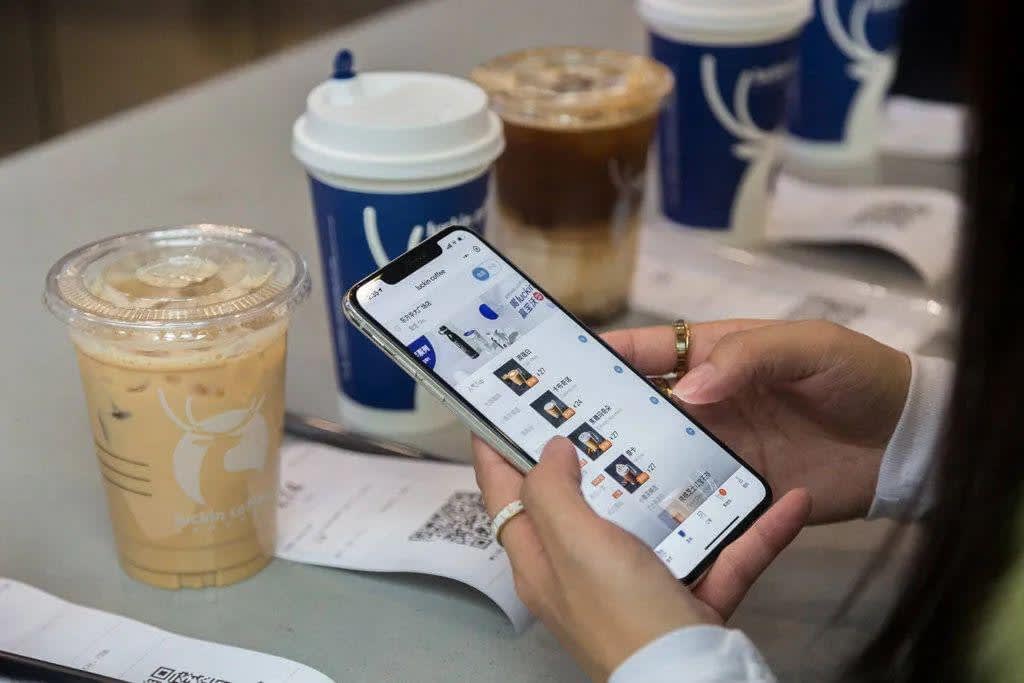
While it is wonderful to practice your spoken Chinese, the reality of 2026 is that almost nobody orders at the physical register anymore. Whether you are grabbing a quick drink while your electric vehicle is charging or ordering delivery straight to your office desk, it is all done digitally.
When you walk into a shop, the barista will likely point to a QR code on the counter and say, “Qǐng sǎomǎ xiàdān” (请扫码下单 - Please scan the code to order).
This code will open a xiǎochéngxù (小程序)—a WeChat Mini-Program. The interface will be entirely in Chinese, but now that you know the characters for sānfēn táng (三分糖) and shǎo bīng (少冰), you can confidently tap your way to the perfect customized beverage. Simply pay with WeChat Pay, wait for your number to be called, and grab your drink. It’s a seamless, futuristic, and highly efficient way to enjoy your morning routine.
Final Thoughts
Ordering a drink in China is a crash course in the country’s modern lifestyle. It is fast, highly customizable, and deeply integrated into the digital ecosystem. By mastering these few simple phrases and understanding the “less is more” philosophy of sugar and ice, you will not only secure your daily caffeine fix, but you will also earn a nod of respect from the local baristas, who will see that you’ve truly “arrived” in the local scene.
So, next time you are feeling tired, step up to the counter, scan the code, and proudly order your bīng měishì. You might even want to try some premium coffee beans if you are brewing at home, but for the full experience, the local shops are where the magic happens.
Mastered your drink order? Take your skills further by learning how to navigate the dining scene in our guide to The Ultimate Chinese Street Food Map, and don’t forget to refine your etiquette in our guide to Beyond the Cup: A Curator’s Guide to Chinese Tea Culture.
Disclaimer: As an Amazon Associate, ChinaCurator earns from qualifying purchases.