Chinese New Year vs Lunar New Year - Differences, Traditions & Dates Explained
🤔 Common Questions About Chinese New Year and Lunar New Year
- Why do people use “Happy Chinese New Year” and “Happy Lunar New Year” interchangeably?
- What’s the actual difference between these two celebrations?
- Will I offend someone by using the wrong term?
- Why does the date of the celebration change every year?
- Which traditions are unique to Chinese New Year?
🎯 Core Difference: Specific vs General Celebration
The key distinction lies in specificity:
| Aspect | Chinese New Year (CNY) | Lunar New Year (LNY) |
|---|---|---|
| Nature | Specific cultural celebration | General umbrella term |
| Origin | Rooted in Chinese tradition (over 4,000 years old) | Encompasses all lunar calendar-based new year celebrations in Asia |
| Calendar | Follows Chinese lunisolar calendar (阴阳合历) | Follows various lunar calendars across different cultures |
| Main Celebrants | Ethnic Chinese worldwide | Chinese, Vietnamese, Korean, and other Asian communities |
| Key Traditions | Red couplets, dumplings, red envelopes, Spring Festival Gala | Varies by culture (Tết, Seollal, etc.) |
🌟 Unique Traditions of Chinese New Year
Chinese New Year has distinct customs that reflect Chinese cultural heritage:
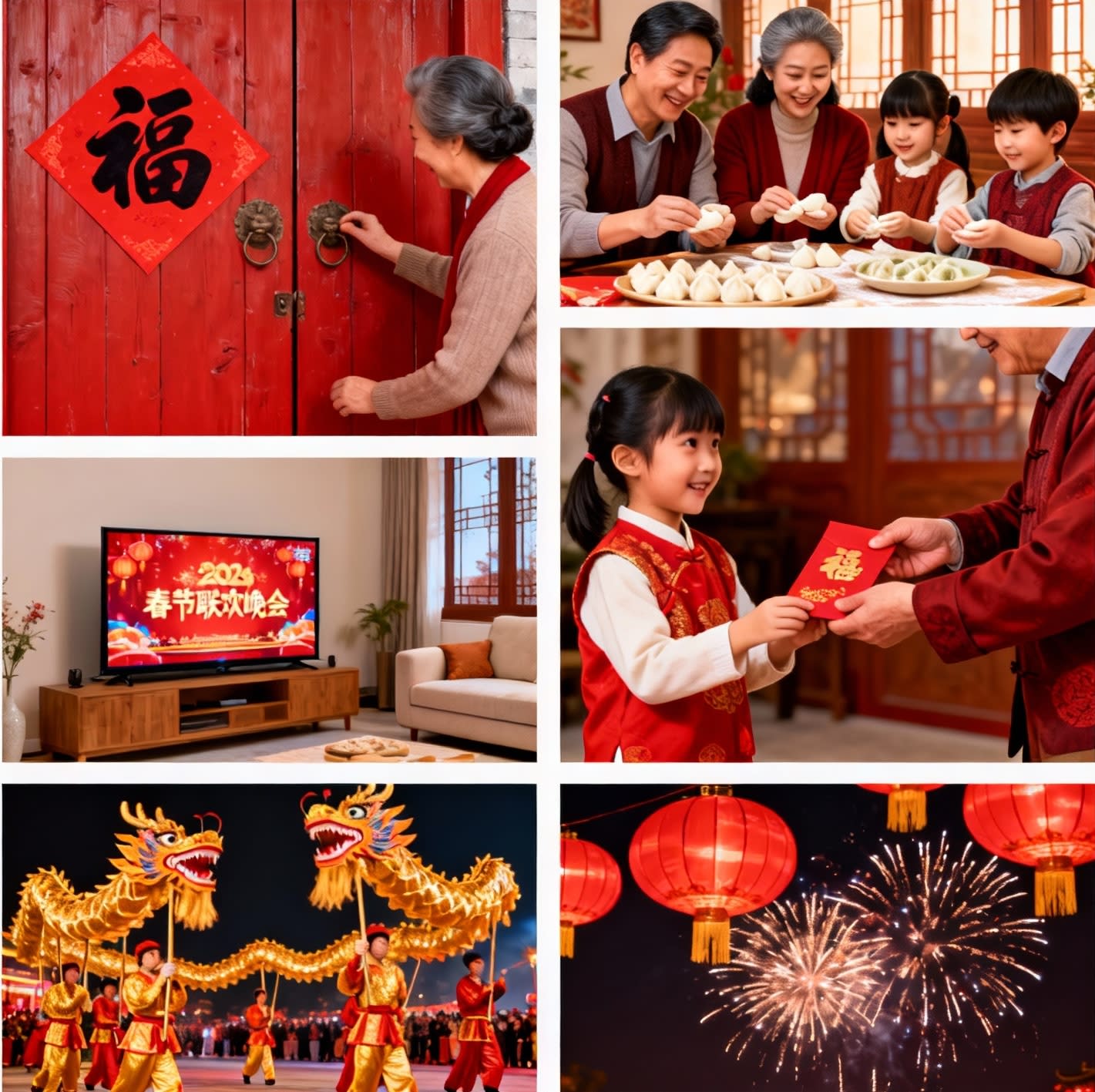
- Red Couplets (春联 chūnlián): Poetic phrases written on red paper, pasted on doorframes for good luck
- Dumplings (饺子 jiǎozi): Family gathering activity, symbolizing wealth and prosperity
- Red Envelopes (红包 hóngbāo): Money gifts from elders to children, representing good fortune
- Spring Festival Gala (春晚 chūnwǎn): Annual TV program watched by millions on New Year’s Eve
- Dragon and Lion Dances: Performances to驱邪 (qū xié - drive away evil spirits) and bring good luck
🌏 Lunar New Year Celebrations Around Asia
Lunar New Year includes various cultural celebrations across Asia:
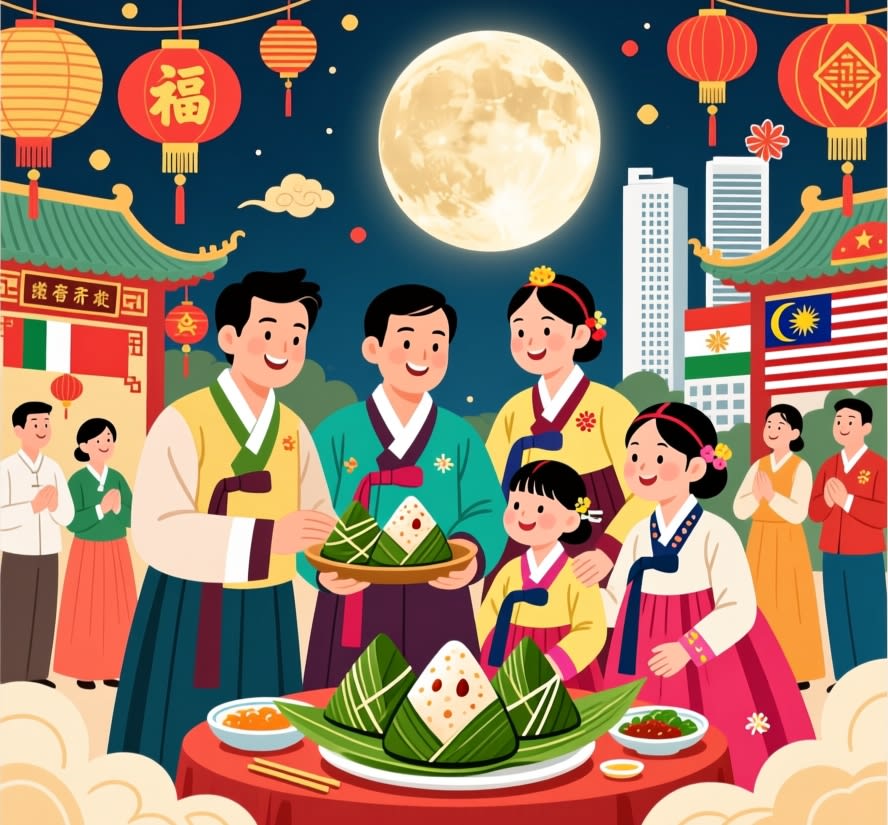
- Vietnam’s Tết Nguyên Đán: Features 粽子 (zòngzi - sticky rice cakes) and family reunions
- Korea’s Seollal (설날): Traditional hanbok clothing, ancestor worship, and special foods like tteokguk (rice cake soup)
- Singapore’s Lunar New Year: Multicultural celebrations reflecting Chinese, Malay, and Indian influences
- Malaysia’s Hari Tahun Baru Cina: Blend of Chinese traditions with local Malay customs
📜 The Cultural Debate: Terminology and Identity
The choice of terminology reflects cultural identity and inclusivity:
- “Chinese New Year” emphasizes the holiday’s origin in Chinese civilization and is preferred by many Chinese communities to preserve their cultural heritage.
- “Lunar New Year” is often used in multicultural settings to be inclusive of all communities that celebrate lunar calendar-based new years.
> 💡 Pro Tip: When in doubt, observe what others are using. With Chinese friends or in Chinese communities, “Chinese New Year” is often more personal. In international or multicultural environments, “Lunar New Year” is generally more inclusive.
📅 Why the Date Changes Every Year
Chinese New Year follows the Chinese lunisolar calendar, which combines:
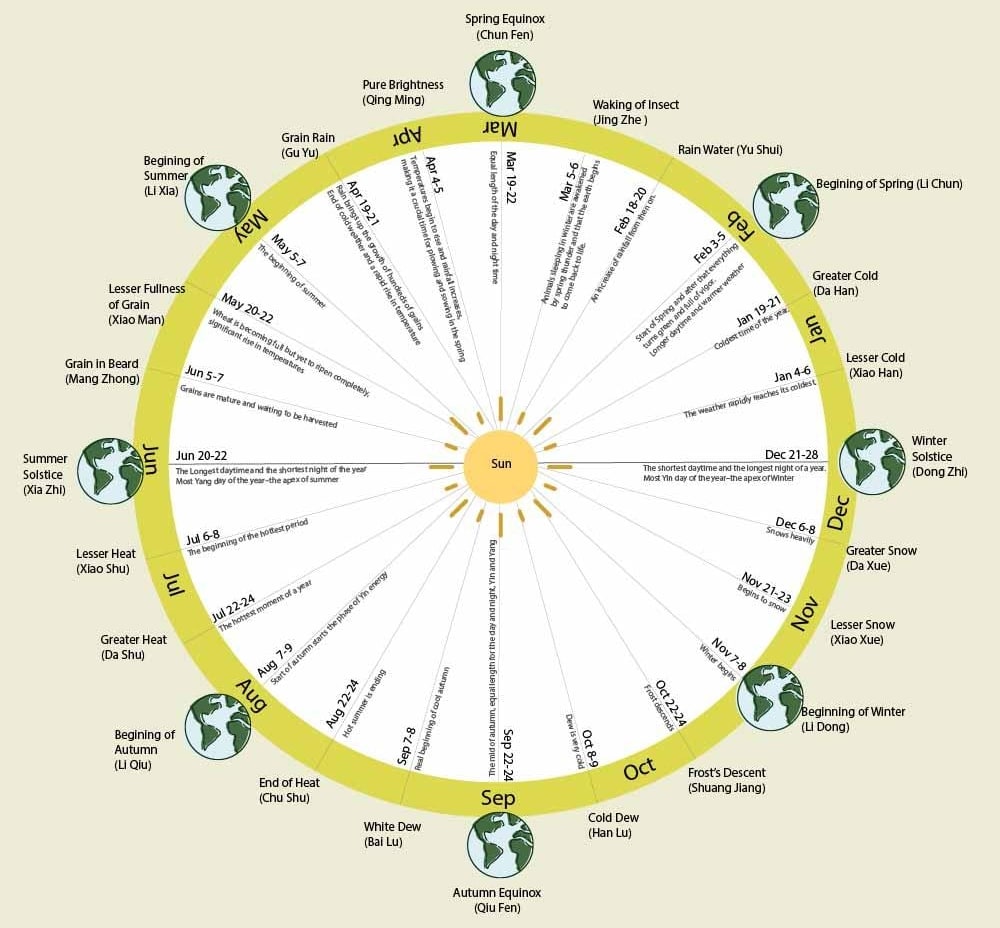
- Lunar phases (moon cycles)
- Solar solstices and equinoxes
- The 24 Solar Terms (二十四节气) like “Start of Spring” (立春 lìchūn)
This means the date varies between January 21 and February 20 on the Gregorian calendar:
- 2024: February 10
- 2025: January 29
- 2026: February 17
🔍 Learn More About Chinese New Year
- 👉 10 Must-Know Spring Festival Customs – Learn how to celebrate like a local
- 👉 Chinese New Year Greetings for Beginners – Pinyin + audio (e.g., 恭喜发财 gōngxǐ fācái = Wish you prosperity!)
- 👉 Chinese Zodiac Guide: Discover Your Animal Sign – Find your zodiac sign and what it means for the new year
About Us
We’re dedicated to making Mandarin learning fun and accessible for beginners. Follow us for more cultural insights and language tips!

