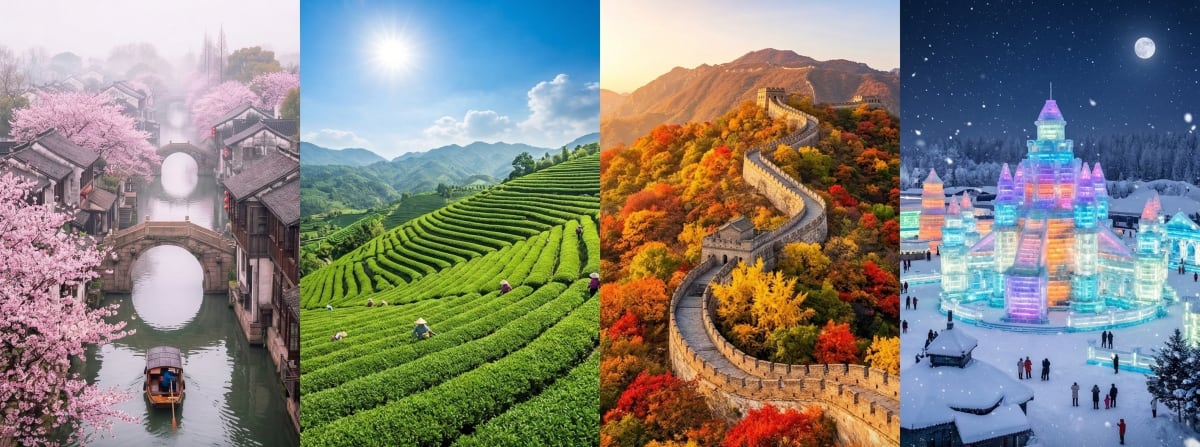
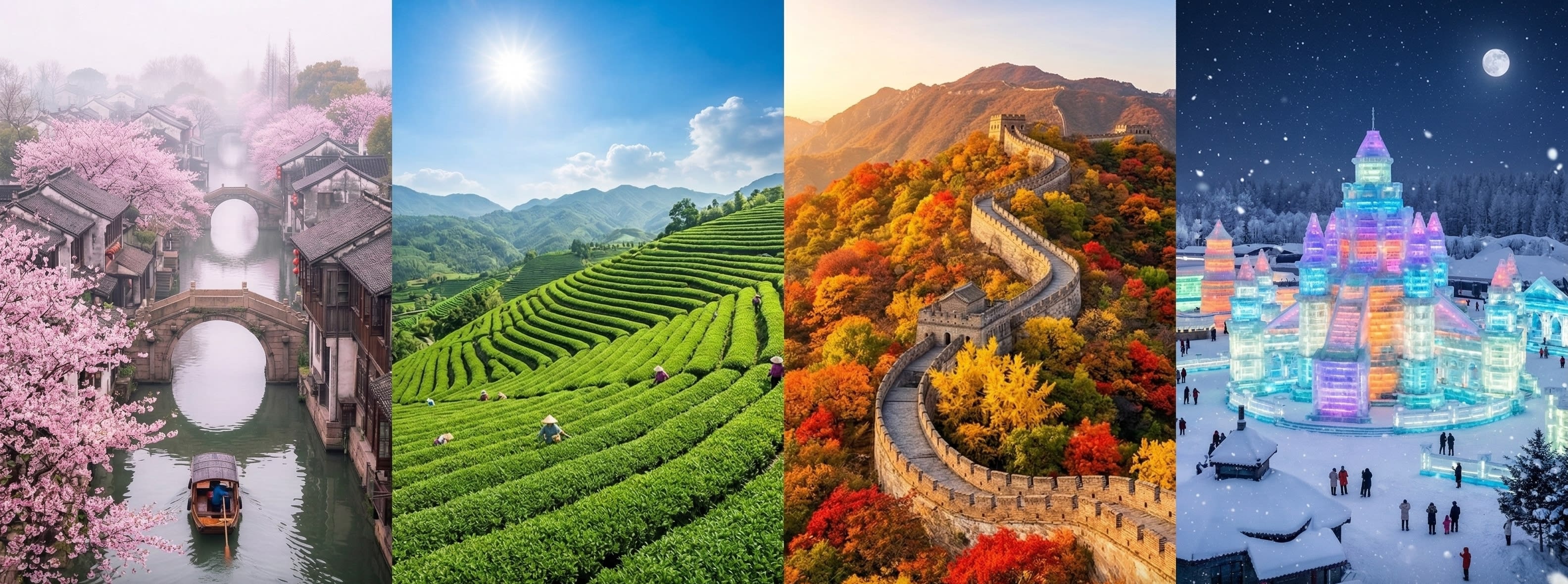
“China is not just a country; it is a continent-sized experience. Because of its vast geography, deciding when to go is just as important as deciding where to go. In 2026—the Year of the Horse—timing your trip correctly can mean the difference between standing alone in a misty bamboo forest and being swept away in a literal sea of people. This guide is your ‘Master Compass’ for 2026, breaking down the complex interplay of regional climates, traditional festivals, and the logistics of the world’s largest travel migrations.”
🧭 1. The Three Golden Rules of Timing
To plan a successful trip to China in 2026, you must balance three competing factors:
- Weather (气候 Qìhòu): China spans from the Siberian sub-arctic to the tropical South China Sea.
- Festivals (节日 Jiérì): These are the best times for culture, but also the busiest for travel.
- Crowds (人潮 Réncháo): Understanding the “Golden Week” peaks is essential for your sanity.
🌡️ 2. Seasonal Breakdown: When to Go Where
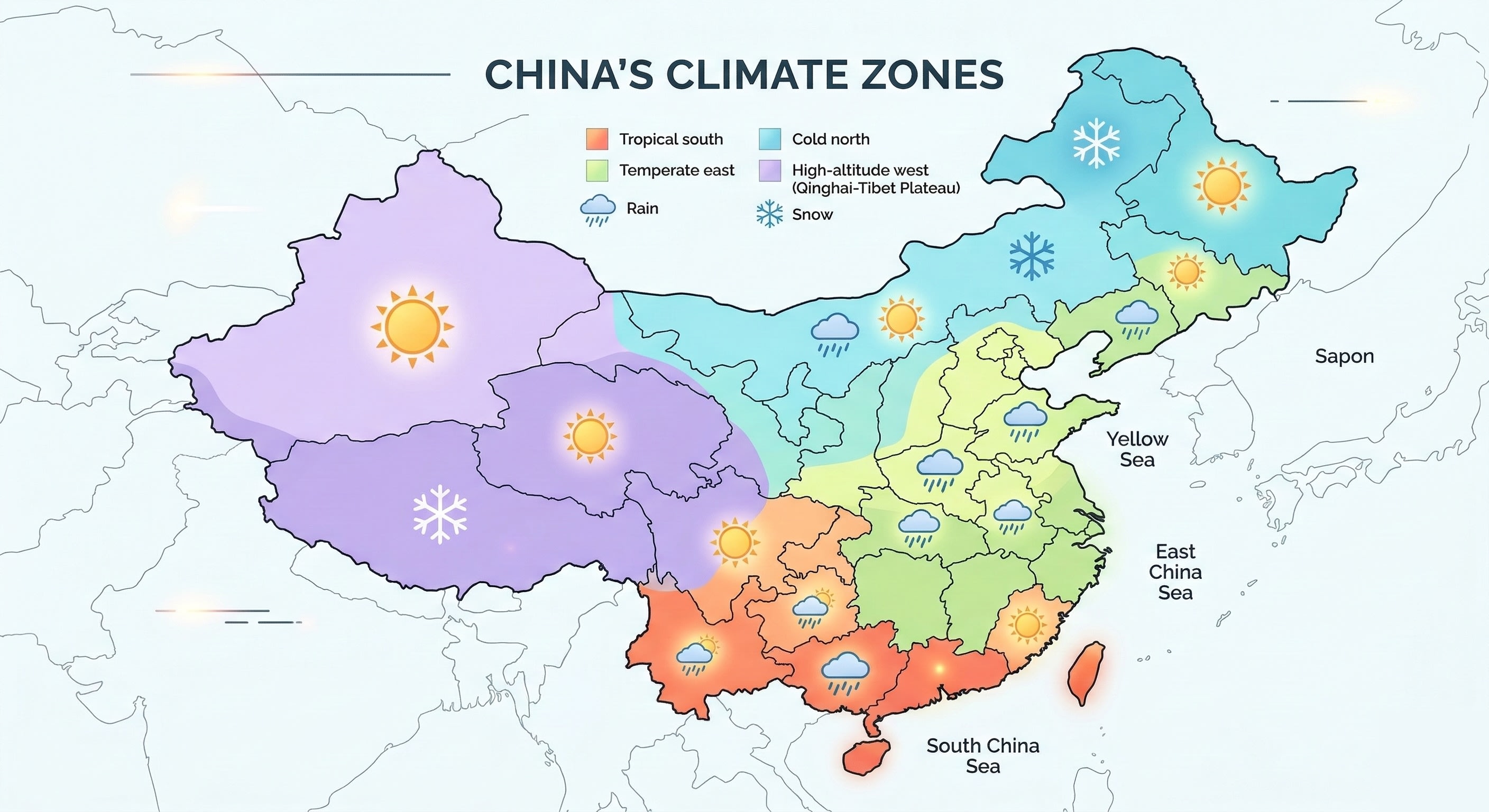
Before diving into specific months, it is vital to understand that China is divided into distinct climate zones. Traveling from Harbin to Sanya in winter is effectively traveling from the Arctic to the Tropics in a single flight.
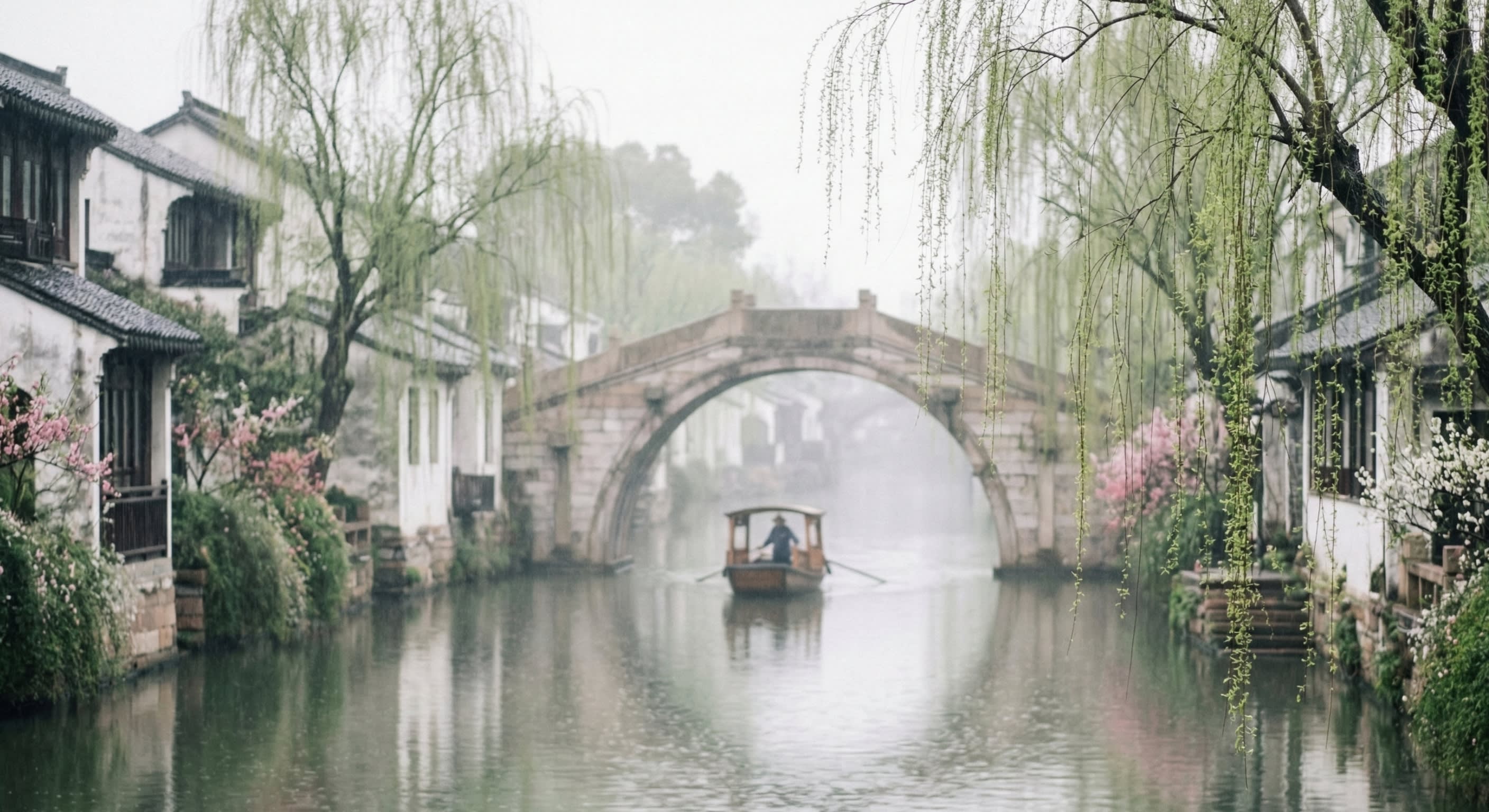
Spring (March – May): The Season of “Misty Rain”
Spring is widely considered one of the best times to visit, especially in Central and Southern China.
- The Experience: This is the time of Jiāngnán yānyǔ (江南烟雨)—the romantic misty rain of the southern water towns. The flowers are blooming, and the air is fresh.
- Top Destinations: Hangzhou, Suzhou, and the yellow canola fields of Wuyuan.
- Pro Tip: In early April, don’t miss the chance to try Míngqián chá (明前茶), the most expensive and delicate green tea of the year.
- Read more: Chasing Spring: A Guide to Ancient Towns and Tea Picking.
Summer (June – August): High Altitudes and Green Grasslands
Summer is hot and humid in the major cities (the “Four Furnaces”), but it is the golden window for China’s wild west and northern plateaus.
- The Experience: Intense sunlight and lush greenery. This is the only time of year when the high-altitude regions are fully accessible and comfortable.
- Top Destinations: Tibet, Xinjiang (the Ili grasslands), and the “Hallelujah Mountains” of Zhangjiajie.
- Warning: Avoid the “Big Three” cities (Beijing, Shanghai, Guangzhou) in August if you dislike extreme humidity. Instead, follow the local trend of Bìshǔ (避暑—escaping the heat) in the mountains.
Autumn (September – November): The “Sweet Spot”
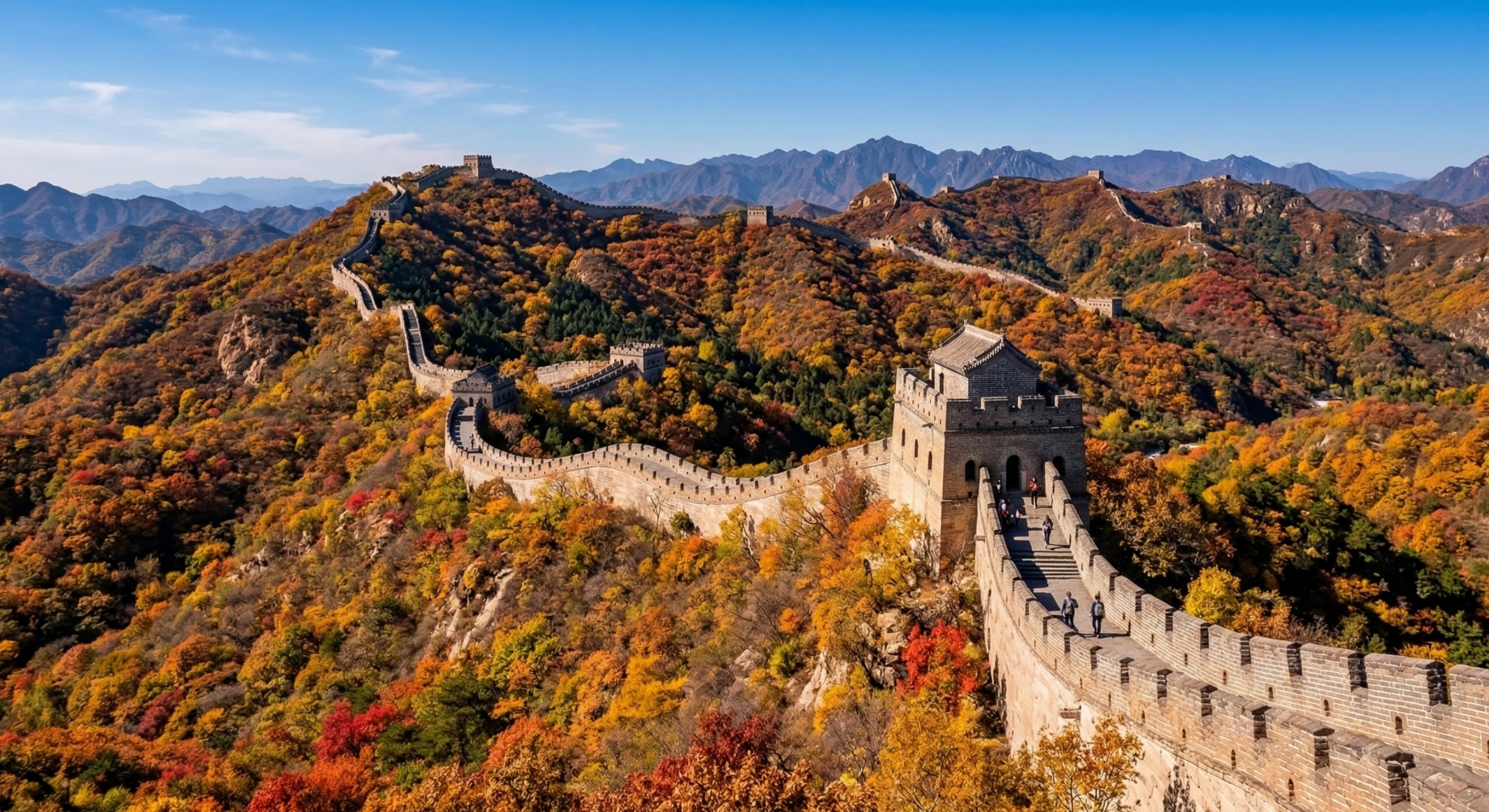
If you can only pick one season, make it Autumn. Chinese people call the air in autumn Tiāngāo qìshuǎng (天高气爽)—meaning the “sky is high and the air is crisp.”
- The Experience: Perfect temperatures, crystal clear blue skies, and the spectacular “Golden Autumn” foliage.
- Top Destinations: The Great Wall near Beijing, the colorful lakes of Jiuzhaigou, and the ancient city of Xi’an.
- Read more: Autumn Heights: The Best Mountains to Climb in October.
Winter (December – February): Fire and Ice
Winter in China is a game of extremes—we call it Bīnghuǒ liǎngtìnyán (冰火两重天), the experience of both ice and fire.
- The Experience: Sub-zero crystalline kingdoms in the North vs. tropical beach escapes in the South.
- Top Destinations: Harbin (for the Ice Festival), Changbai Mountain (skiing), and Sanya (tropical beaches).
- Read more: Winter Magic: Harbin and Tropical Escapes.
🏮 3. The 2026 Festival Calendar
Traditional festivals follow the Lunar Calendar, meaning the dates change every year. In 2026, the Year of the Horse, here are the most important dates to mark:
| 2026 Festival | Date | Cultural Soul & Tips |
|---|---|---|
| Spring Festival (CNY) | Feb 17 | The biggest holiday. Expect "Spring Festival Travel Rush" (春运 Chūnyùn). [Read C000014](/culture/beyond-red-envelopes-ancient-origins-modern-soul-chinese-new-year/). |
| Lantern Festival | Mar 03 | Ancient carnival of lights. Best in Nanjing or Zigong. [Read C000015](/culture/lanterns-riddles-tangyuan-chinas-true-carnival/). |
| Qingming Festival | Apr 05 | Tomb sweeping and spring outings. [Read C000016](/culture/qingming-festival-ancestor-worship-spring-celebration/). |
| Dragon Boat Festival | June 19 | Adrenaline-filled races and Zongzi. [Read C000017](/culture/decoding-dragon-boat-festival-myths-qu-yuan-zongzi/). |
| Mid-Autumn Festival | Oct 01 | Note: In 2026, this overlaps with National Day! Huge crowds expected. [Read C000019](/culture/mooncakes-legends-mid-autumn-festival-unity/). |
| Double Ninth Festival | Oct 18 | Mountain climbing and honoring elders. [Read C000020](/culture/double-ninth-festival-climbing-longevity-respect/). |
🚫 4. The “Crowd Warning”: Avoiding the Golden Week
The biggest mistake a first-time traveler can make is timing their visit to a major site (like the Forbidden City or the Bund) during a Huángjīnzhōu (黄金周)—a Golden Week.
There are two main Golden Weeks:
- Spring Festival: Mid-February.
- National Day: October 1 – October 7.
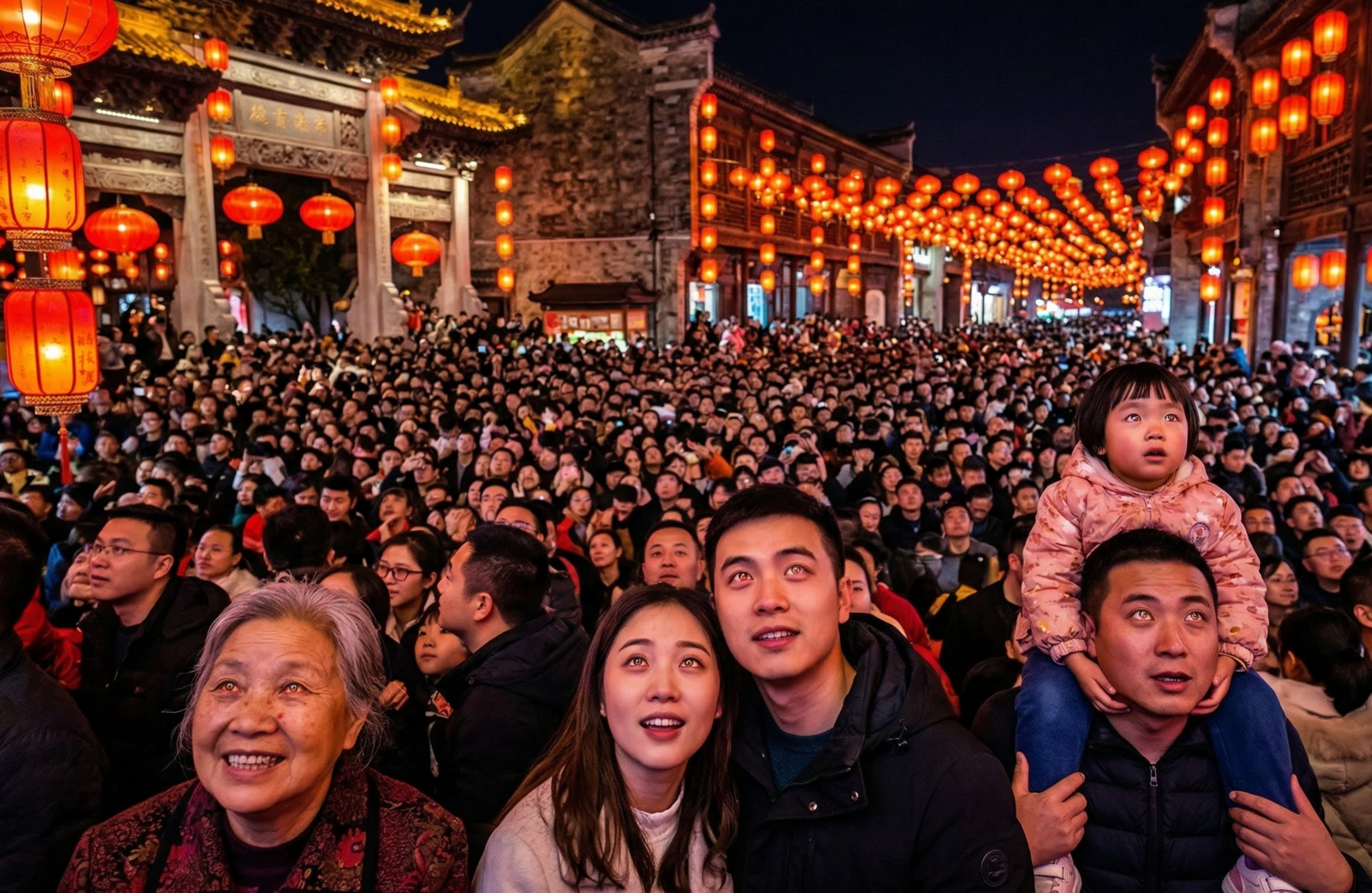
During these weeks, the entire nation is on the move. We call it Rénshān rénhǎi (人山人海), which translates literally to “People Mountain, People Sea.” Transport prices double, hotels sell out months in advance, and queue times for attractions can reach 4-5 hours.
The Solution: If you must travel during these times, try Fǎnxiàng lǚyóu (反向旅游)—”Reverse Tourism.” Instead of Beijing or Shanghai, head to underrated, smaller cities like Quanzhou, Taizhou, or the mountains of Guizhou. You’ll find authentic culture without the crushing crowds. Read more on Reverse Tourism.
🚅 5. Essential 2026 Practical Logistics
- Visa-Free Entry: As of 2026, China has expanded its visa-free policies for many nationalities (including 15-day and 30-day stays). Check the latest official entry requirements before booking.
- The Payment Revolution: Cash is rare. You absolutely must set up Alipay (支付宝) or WeChat Pay (微信支付) before you land. Most international credit cards can now be linked directly to these apps. Read our 2026 Payment Guide.
- High-Speed Rail: China’s Gāotiě (高铁) is faster and more reliable than flying. Tickets go on sale exactly 15 days in advance on the official 12306 app. Read our Guide to Booking High-Speed Trains.
💬 6. Key Vocabulary for Planning
Master these high-frequency phrases to navigate your 2026 trip like a local:
| The Term | Characters & Pinyin | What It Means in Practice |
|---|---|---|
| People Mountain, People Sea | 人山人海 Rénshān rénhǎi |
Used to describe extreme crowds. "It was Ren shan ren hai at the Great Wall today!" |
| Golden Week | 黄金周 Huángjīnzhōu |
Major national holidays you should try to avoid or plan carefully for. |
| Reverse Tourism | 反向旅游 Fǎnxiàng lǚyóu |
Traveling to quiet, underrated cities to avoid holiday crowds. |
| New Year Flavor | 年味 Niánwèi |
The festive, traditional atmosphere of the Spring Festival. |
Final Thoughts from Chen
China is a place where thousands of years of tradition collide with a high-tech future. By choosing the right time, you are doing more than just picking a date on a calendar; you are choosing the “soul” of your journey. Do you want the crisp, high-altitude clarity of the Tibetan summer, or the warm, red-lantern glow of a northern winter? In 2026, the Year of the Horse, the best time to visit is whenever your heart feels ready for the ride.
㊗️ Wishing you a perfectly timed and profoundly memorable journey to China!
Ready to dive deeper? Explore our month-by-month breakdowns for January, February, or the Misty Springs of March.

