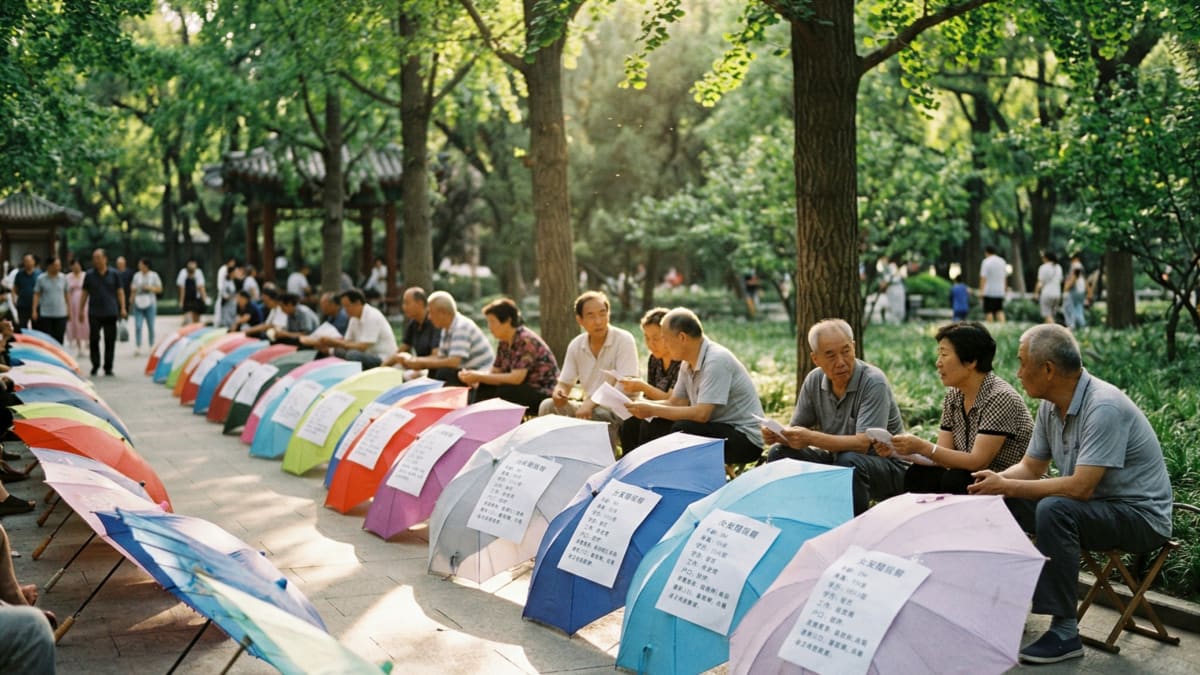
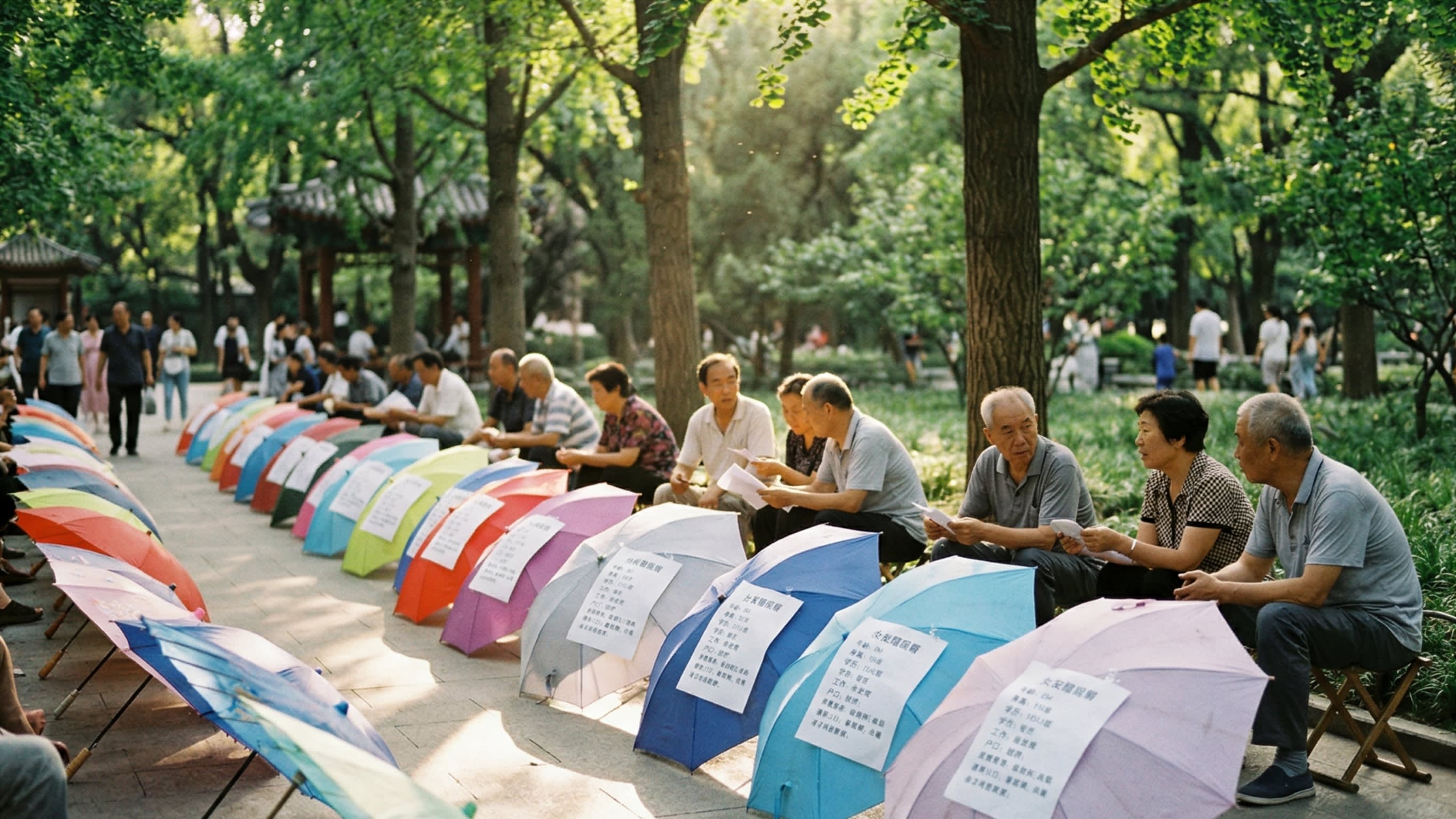
If you think dating in the West is an exhausting gauntlet of endless swiping, ghosting, and ambiguous “situationships,” dating in China will likely induce a severe case of cultural whiplash. I remember standing in the shaded pathways of People’s Park in Shanghai, watching elderly parents frantically compare notes on their children’s prospects; the scene was a far cry from the breezy, casual coffee shop meetings I was used to back home.
In China, marriage is rarely just a union between two individuals who simply fell in love. It is the tactical merging of two families, two distinct bank accounts, and two separate sets of generational expectations. As a society caught in the tension between ancient Confucian roots and a hyper-modern urban pace, the Chinese dating scene is a high-stakes ecosystem.
Young professionals in cities like Shanghai and Beijing crave chemistry and shared hobbies, but they are often caught in a tug-of-war with parents who prioritize stability, property ownership, and the immediate prospect of grandchildren. Whether you are dating a local or just curious about the immense social pressure your Chinese friends face, here is my guide to navigating this complex matrix.
1. 相亲 (Xiāngqīn): The Ultimate Blind Date
In the West, a “blind date” implies a casual introduction by a friend. If the chemistry fails, you share a polite apology and move on. In China, this process is known as Xiāngqīn (相亲), and it functions more like a high-pressure corporate interview layered with diplomatic negotiation.
Xiangqin is a formal ritual, often orchestrated by parents or professional matchmakers. Before the couple even meets, their “resumes” are vetted with clinical precision.
The Reality of the Xiangqin Resume: When families coordinate these meetings, the conversation rarely drifts toward whether a partner enjoys hiking or indie music. It is brutally pragmatic:
- Hùkǒu (户口): This official household registration remains the gold standard. Possessing a Beijing or Shanghai Hukou is a massive status symbol that guarantees access to local schools and healthcare.
- Property & Car (有房有车 - Yǒu fáng yǒu chē): Traditional expectations often dictate that a groom should possess property or at least a significant down payment provided by his parents.
- Iron Rice Bowls: Government jobs or secure corporate positions are considered the most desirable for a stable future.
When you sit across from a date during an Xiangqin, the air is heavy with intent. It is an evaluation of potential lifelong spouses, not just a casual search for a Saturday night companion.
2. The Infamous “Marriage Markets” (相亲角)
Visit People’s Park in Shanghai or Beijing’s Zhongshan Park on a weekend, and you will see the Xiāngqīn jiǎo (相亲角), or Matchmaking Corner.
It feels like an outdoor stock exchange where, instead of stocks, retired parents are trading their children’s futures. Rows of umbrellas line the paths, adorned with laminated papers detailing height, weight, zodiac signs, and salary history. I once stood by watching a mother nervously update her son’s resume to reflect a recent promotion, completely unaware of the irony that her son was likely busy at his office with no idea this was happening. It is a desperate act of parental love, fueled by the fear that their child will become a Shèngnǚ (剩女 - Leftover Woman) or Shèngnán (剩男 - Leftover Man)—labels that reflect the immense pressure to marry before thirty.
3. The Economics of Love: “Cai Li” (彩礼)
No exploration of this culture is complete without mentioning Cǎilǐ (彩礼 - The Bride Price). Historically, this was a financial compensation paid by the groom’s family to the bride’s parents for the loss of labor and future eldercare. Today, it remains a contentious tradition, often ranging from 100,000 RMB to over a million. It is a financial hurdle that can break even the most devoted couples if their families cannot reach an agreement.
4. Escaping the Pressure: Modern Alternatives
Chinese Millennials and Gen Z are actively creating their own spaces, steering away from the stiff Xiangqin model:
- 剧本杀 (Jùběn shā - Murder Mystery Games): This is the current king of social activities. Spending four hours in a themed room solving a mystery with strangers forces genuine personality to emerge—a refreshing alternative to a forced dinner interview.
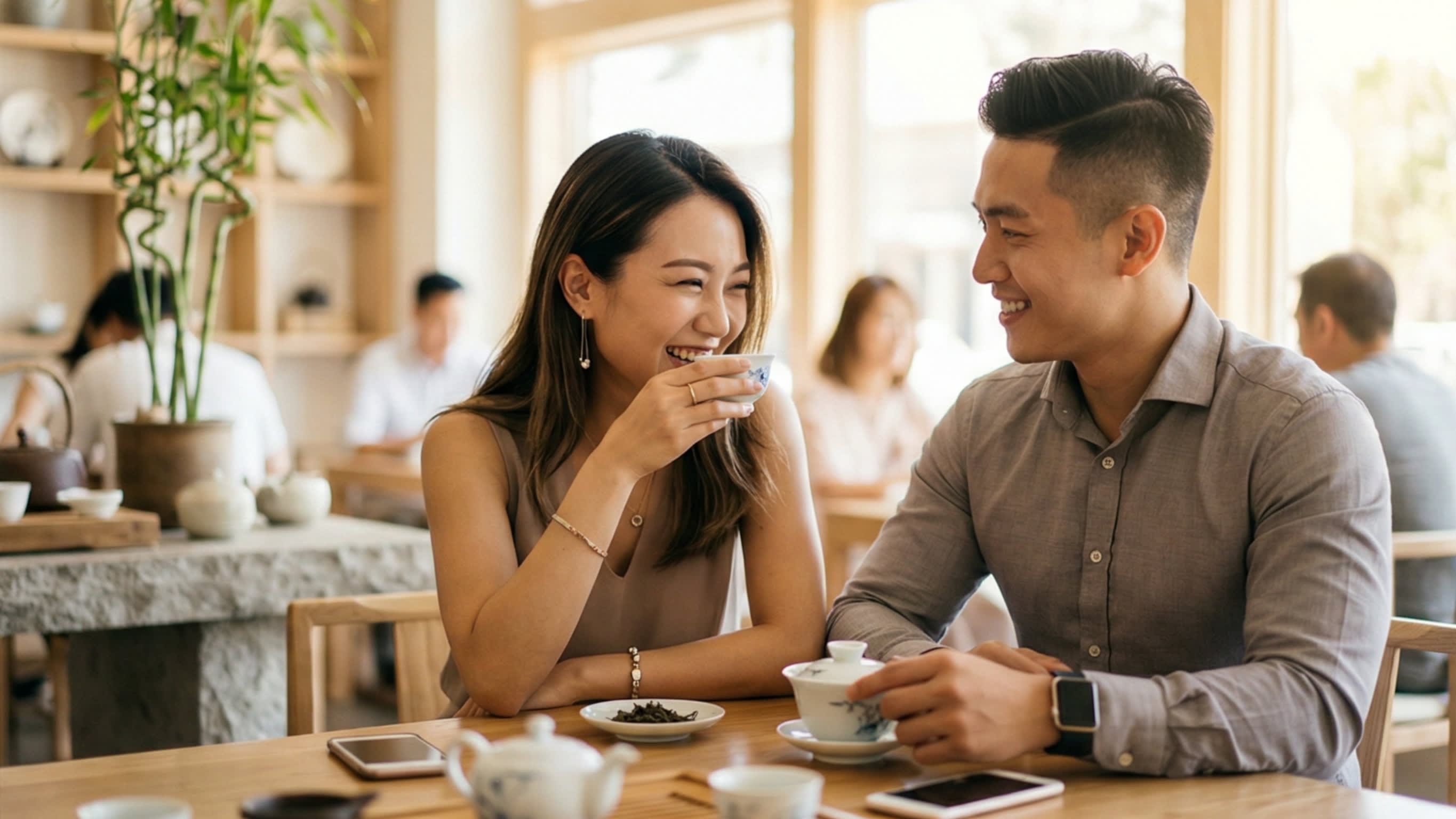
- Organic Bonding: Many young people prefer bonding over local street food, finding hidden spicy skewers spots, or spending long afternoons practicing the meditative art of bead rubbing in quiet teahouses.
- Dating Apps: Apps like Soul focus on personality-first matching, moving away from the superficiality of typical photo-swiping apps.
5. 2026 Chinese Dating Slang
To navigate this world, you need the right language. Here is your cheat sheet:
| The Slang | Pinyin | Meaning |
|---|---|---|
| 脱单 | Tuō dān | To shed single status (the ultimate goal). |
| 催婚 | Cuī hūn | Parental pressure to marry (peaks during holidays). |
| 母胎单身 | Mǔtāi dānshēn | "Single from the womb"—never had a partner. |
| 海王 | Hǎi wáng | A player who casts a wide net for romantic options. |
| 吃狗粮 | Chī gǒuliáng | Being a third wheel to a showy couple. |
Closing Thoughts
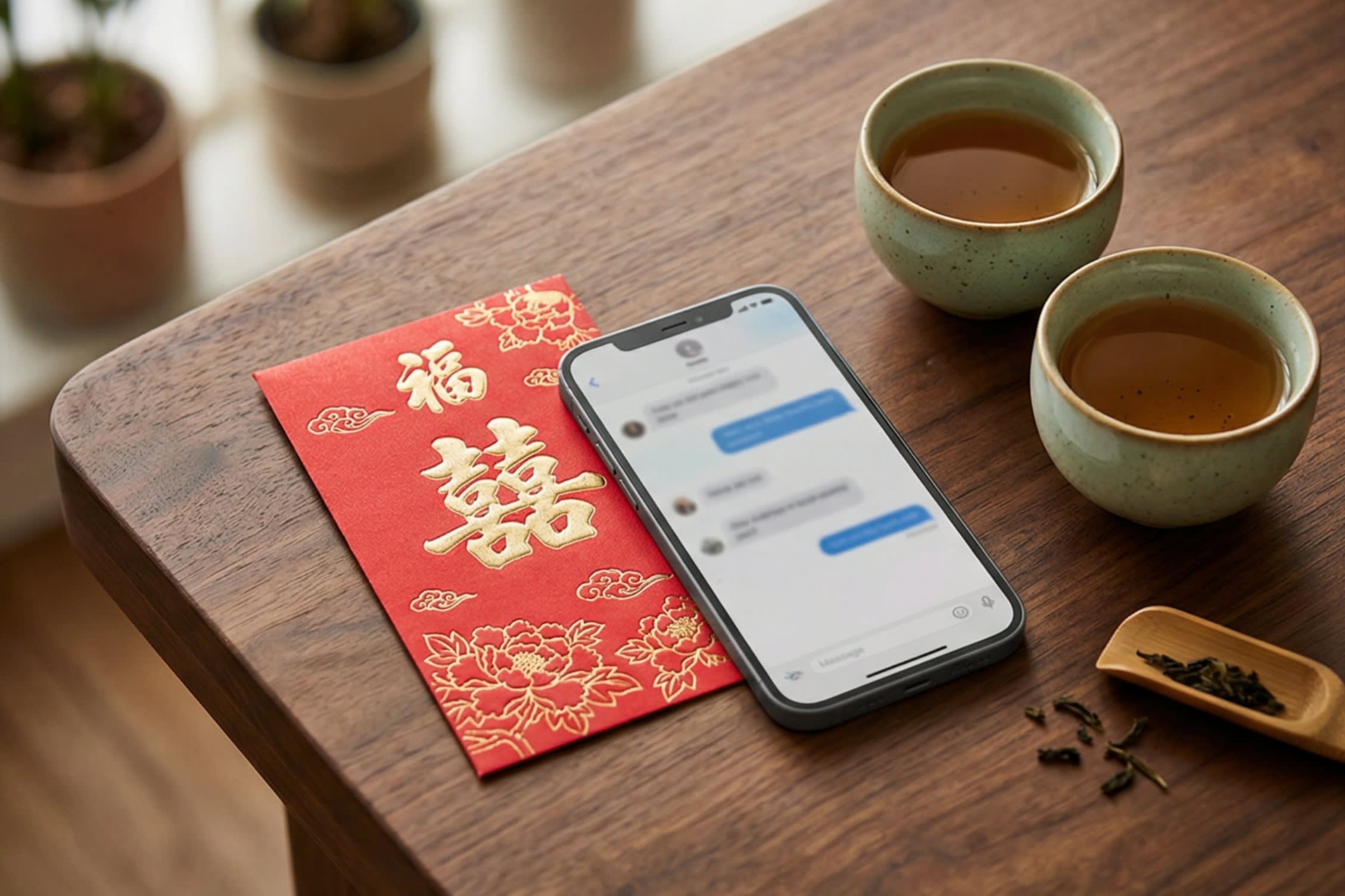
Dating here is not for the faint of heart; it is a balancing act of tradition and individuality. If you are an expat exploring this, lead with empathy. When your partner is stressed after a long call with their mother, remember that they are carrying the weight of familial expectations. Patience, a good sense of humor, and perhaps treating them to a traditional tea set for a quiet night in can go a long way.
Want to learn more about navigating complex Chinese relationships? Read our guide on The 5 Gifts You Should NEVER Give a Chinese Person or master the art of What to Call People in China.
Disclaimer: As an Amazon Associate, ChinaCurator earns from qualifying purchases.