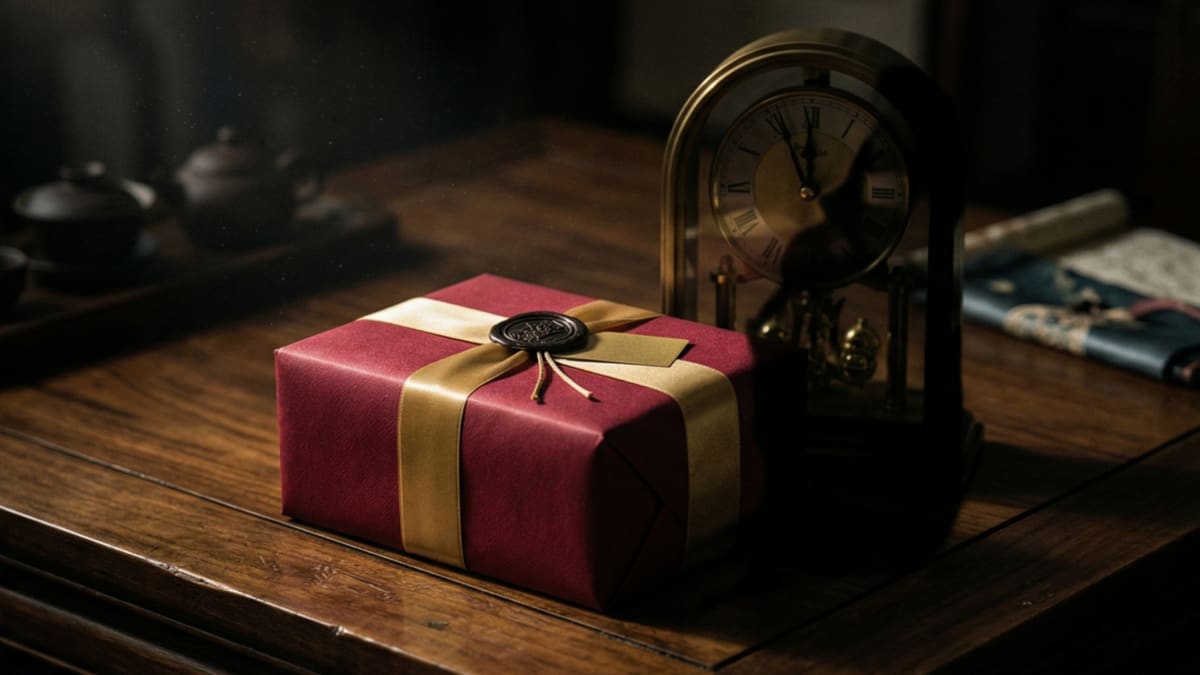

Picture this: You have been invited to the home of a long-term business partner in Beijing. You want to show genuine appreciation for their hospitality, so you pick up an elegant, high-end mechanical desk clock from a luxury boutique. You arrive, bow slightly, and present the gift with both hands.
Your host’s smile freezes. The ambient sound of the tea pouring stops. They accept the gift with a polite, stiff “thank you,” but the atmosphere in the room has shifted from warm to icy. You’ve just committed a social disaster. I learned this lesson the hard way early in my time in China—I once brought a beautifully wrapped wall clock to a colleague’s housewarming, not realizing that to them, I had essentially just wished them a swift arrival at their own funeral.
Gift-giving in China is a delicate, high-stakes social dance. It is the bedrock of building Guānxì (关系 - connections) and navigating the complex terrain of Miànzi (面子 - face). The most important thing to remember is that in Chinese culture, the sound of the word is often just as significant as the object itself. We call this Xiéyīn (谐音 - homophones).
If you want to avoid unintentional insults and build real rapport, here are the five gifts you must steer clear of, along with the personal stories and cultural nuances you need to know.
1. Clocks: The Ultimate Death Wish (送钟)
In my early days, I thought a clock was a “classic” professional gift. I couldn’t have been more wrong.
The Cultural Logic: In Mandarin, the phrase “to give a clock” is Sòng zhōng (送钟). This is phonetically identical to Sòng zhōng (送终), which translates to “attending a funeral” or “bidding farewell to the dying.” By handing someone a clock, you are, at least according to linguistic superstition, counting down the seconds until they expire. It is perhaps the most taboo object you could ever hand to an elder.
My advice: If you want to gift time, stick to a high-end wrist watch. The word for “watch” is Shǒubiǎo (手表), which carries no such curse.
2. Green Hats: The Ultimate Infidelity Badge (绿帽子)
I once saw a well-meaning expat friend gift a bright green beanie to a Chinese local during a cold winter hike. The reaction was a mix of suppressed laughter and genuine embarrassment.
The Cultural Logic: To wear a green hat—Dài lǜ màozi (戴绿帽子)—is a deeply entrenched idiom that signifies a man’s wife is cheating on him. The origins are a bit grim, tracing back to an era where relatives of those in the sex trade were required to wear green headwear. Today, it’s a universal shorthand for being a cuckold. Trust me, do not gift a green hat; it isn’t just a wardrobe malfunction, it’s a public statement about a man’s personal life that he will never forget.

3. Pears: The Fruit of Parting Ways (梨)
Fruit is a fantastic, standard gift for any dinner party. But choose your produce wisely.
The Cultural Logic: The word for pear is Lí (梨), which sounds identical to Lí (离), meaning “to leave” or “to separate.” Worse yet, if you cut a pear into pieces to share among friends—an act of Fēn lí (分梨)—it sounds exactly like Fēn lí (分离), which means “breakup” or “severing ties.”
I once saw a group of students share a pear, only for a local friend to gently stop them, explaining that they were symbolically asking for their group to dissolve. It sounds superstitious, but in the context of building long-term relationships, why take the risk?
4. Umbrellas: Scattering the Friendship (伞)
It seems like the most practical gift for a rainy season, right? Wrong.
The Cultural Logic: The word for umbrella is Sǎn (伞), which sounds just like Sàn (散), meaning “to scatter” or “to disperse.” Gifting an umbrella suggests that your friendship is destined to fall apart and blow away like petals in a storm.
The Pro-Tip: If you absolutely must provide an umbrella for a friend in need, “sell” it to them for a single coin. By turning it into a purchase rather than a gift, you negate the curse.
5. Sharp Objects: Severing Ties (刀剪)
A set of premium kitchen knives might be a great gift back home, but it’s a major blunder here.
The Cultural Logic: The idiom Yì dāo liǎng duàn (一刀两断) translates to “one slash, two pieces.” It’s used to describe the total, violent ending of a relationship. Giving someone a knife or scissors is literally interpreted as you wanting to “cut” the relationship you have with them.
| Gift Item | Taboo Meaning | Better Alternative |
|---|---|---|
| Clocks | Death/Funeral | Wrist watch |
| Green Hats | Infidelity | Neutral-colored scarves |
| Pears | Separation | Apples or Oranges |
What You Should Bring Instead
If you want to be known as the thoughtful, culturally savvy guest, here are your best bets:
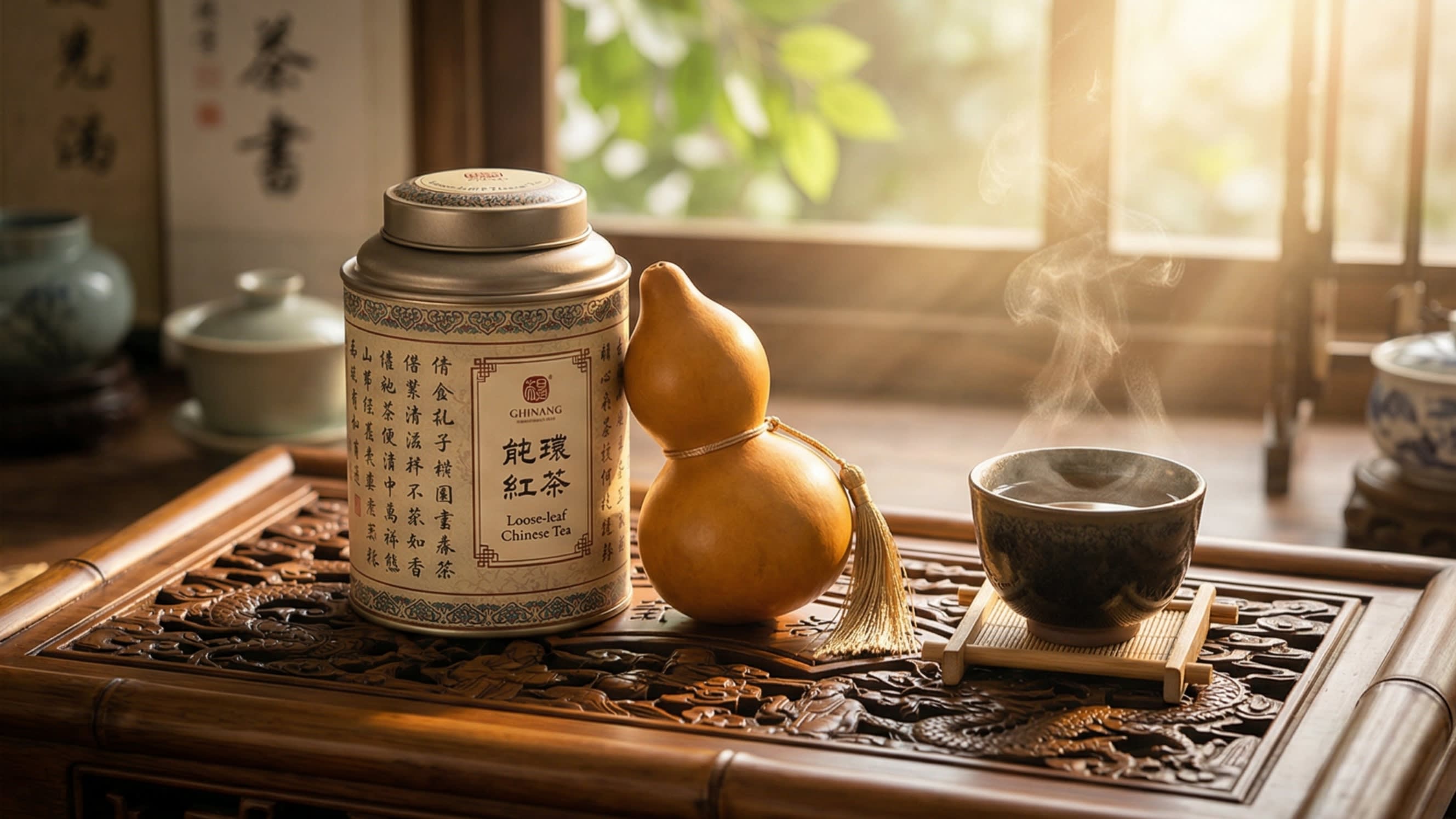
- Premium Tea (茶叶 - cháyè): You can never go wrong with high-quality loose-leaf tea. It represents health and long-term friendship.
- Wenwan Gourds (文玩葫芦 - wénwán húlu): These are incredible for business partners. The gourd, or Húlu (葫芦), sounds like Fúlù (福禄), which means “happiness and prosperity.” They are a tactile, meditative gift that shows you respect their literati collectibles.
- Lucky Fruits: Bring apples for Píng’ān (平安 - peace) or oranges for Jí (吉 - luck).
A Final Word on Etiquette
Remember the “Three Refusals”: A polite host will likely decline your gift twice or three times before accepting. This isn’t because they don’t want it; it’s a display of humility. Your job is to insist with grace. And please, for the love of mianzi, don’t rip the package open in front of them! Set it aside, and let them open it in private.
By keeping these taboos in mind, you demonstrate that you’ve done more than just travel to China—you’ve invested in understanding its soul.
Want to sharpen your social skills? Read more about navigating Chinese dating and blind date slang or learn how to say no without losing face.
Disclaimer: As an Amazon Associate, ChinaCurator earns from qualifying purchases.