
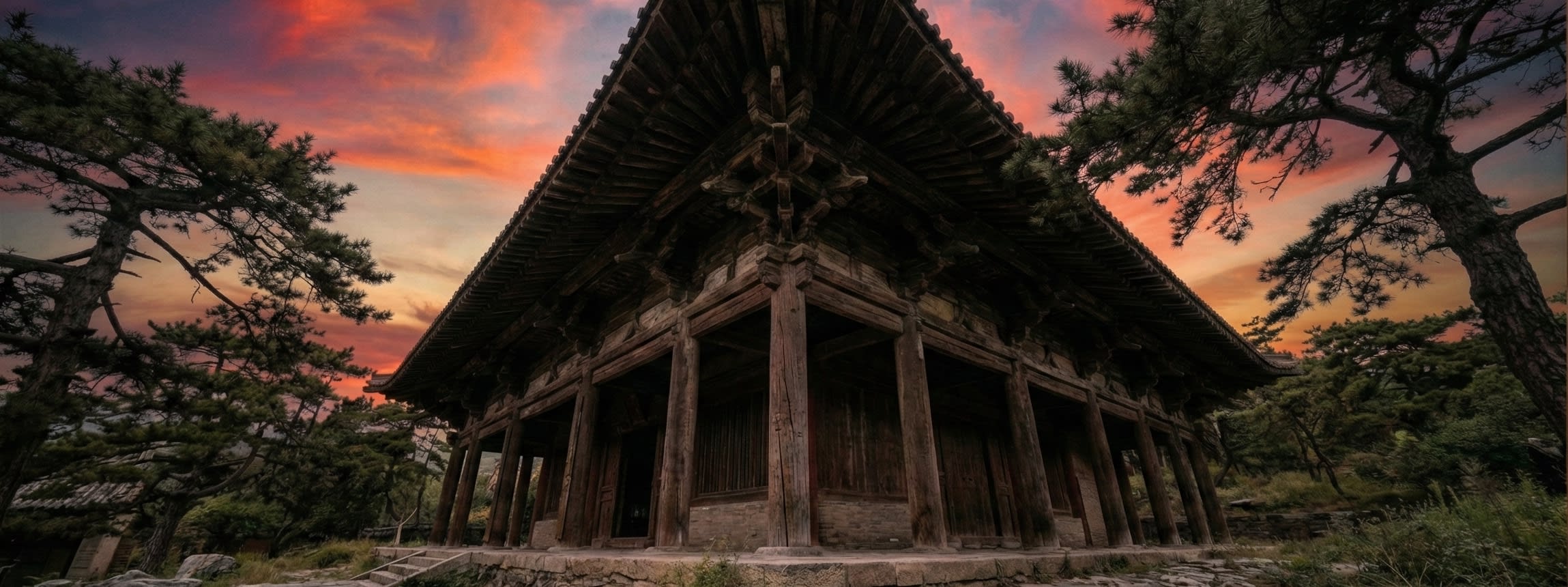
There is a famous saying in China: “For a 500-year history, look at Beijing; for a 5,000-year history, look at Shanxi.” While Beijing is famous for its grand imperial palaces, the province of Shānxī (山西) holds something even more precious—the oldest surviving wooden buildings in all of China.
Imagine walking into a building that has stood for over 1,000 years. It has survived earthquakes, wars, and the relentless passage of time without a single metal nail. These structures are often called “frozen music” because of their incredible rhythm, balance, and beauty. Whether you are a curious traveler or a fan of the game Black Myth: Wukong, this guide will help you understand why Shānxī is the ultimate destination for anyone who loves history and architecture.
1. Why Shanxi? The Museum of “Above-Ground” History
While other provinces have many historical treasures buried underground, Shānxī is unique because its history is still standing under the sun. Due to its dry climate and mountainous geography, thousands of ancient temples, pagodas, and mansions have been perfectly preserved.
In the 1930s, the famous architects Liang Sicheng and Lin Huiyin traveled through the mountains of Shānxī on mules, searching for a building from the Tang Dynasty (618–907 AD). Most experts at the time thought all Tang-era wooden buildings were gone. But in the remote Wutai Mountains, they found Fóguāng Temple (佛光寺), proving that China’s architectural soul was still alive.
2. The Three “Superstars” of Shanxi Architecture
To keep it simple, if you only have a few days in Shānxī, you should focus on these three legendary structures. Each one represents a high point in human engineering.
| Site Name | Dynasty | Age | Key Feature |
|---|---|---|---|
| Fóguāng Temple (佛光寺) | Tang (唐) | ~1,170 Years | The "First National Treasure" of Chinese architecture. |
| Yìngxiàn Wood Pagoda (应县木塔) | Liao (辽) | ~970 Years | The tallest and oldest wooden pagoda in the world. |
| Jìncí Temple (晋祠) | Song (宋) | ~1,000 Years | Famous for the "Flying Bridge over the Fish Pond." |
| Píngyáo Ancient City (平遥古城) | Ming/Qing (明清) | ~600 Years | A fully preserved ancient financial center. |
3. The Secret of “Dougong”: The Magic Brackets
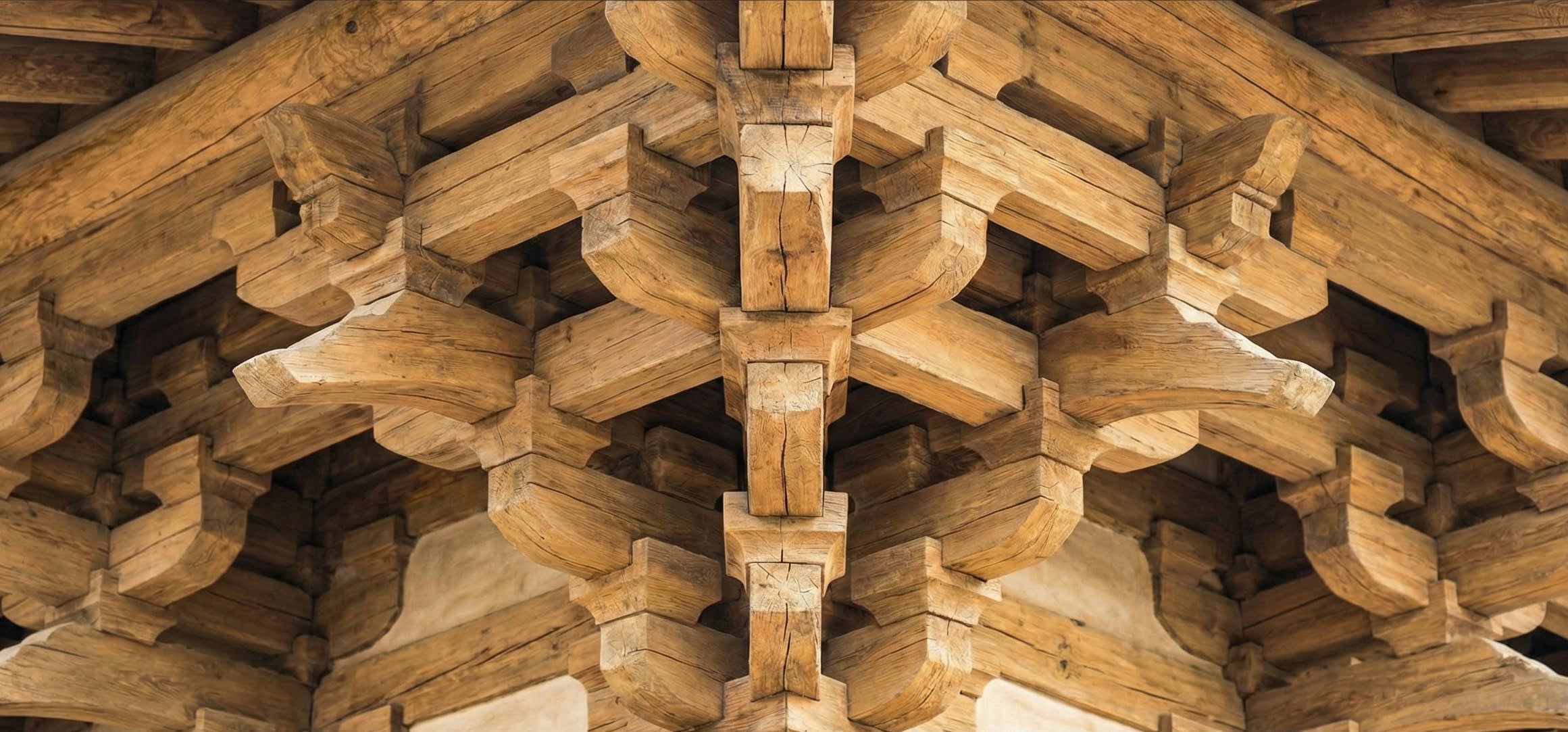
When you look at a Shānxī temple, notice the complex, layered wooden blocks between the top of the columns and the heavy roof. These are called dǒugǒng (斗拱).
Think of dǒugǒng like high-tech “LEGO” pieces made of wood. Instead of using nails, which can rust or snap during an earthquake, these wooden brackets interlock perfectly. During a tremor, the joints can move slightly, absorbing the energy of the earthquake. This is why the Yìngxiàn Wood Pagoda has survived over 40 earthquakes and numerous lightning strikes for nearly a thousand years!
4. The World’s Tallest Wooden Tower: Yingxian Pagoda
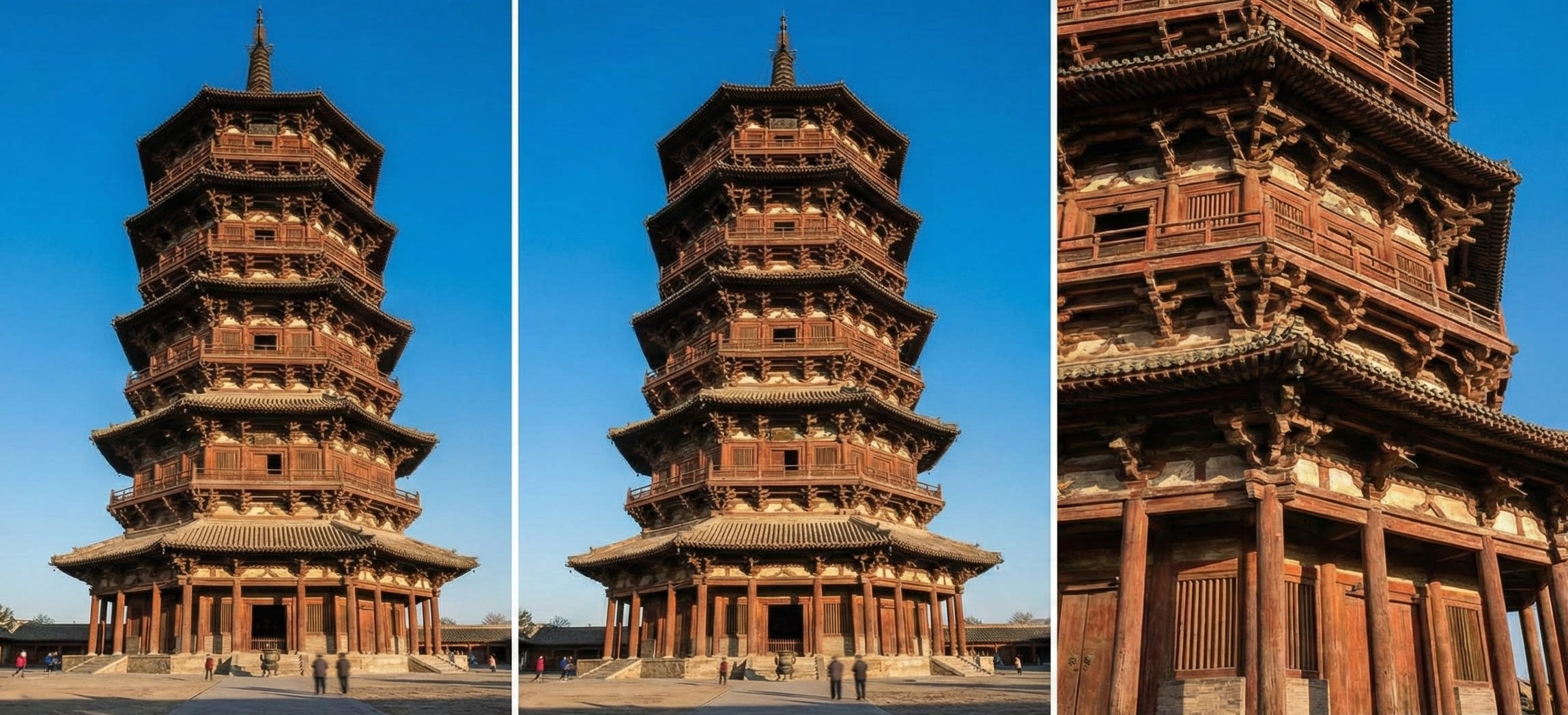
Standing at 67 meters (about 20 floors) tall, the Yìngxiàn Wood Pagoda (应县木塔) is a miracle of engineering. It was built entirely of wood—not a single piece of steel was used.
When you stand at the base and look up, you will see dozens of different types of dǒugǒng brackets. Each layer acts like a giant shock absorber. Today, the pagoda has a slight tilt, making it look a bit like the “Leaning Tower of Pisa,” but it remains a sturdy testament to the brilliance of the Liao Dynasty builders.
5. Walking Through History: Pingyao Ancient City
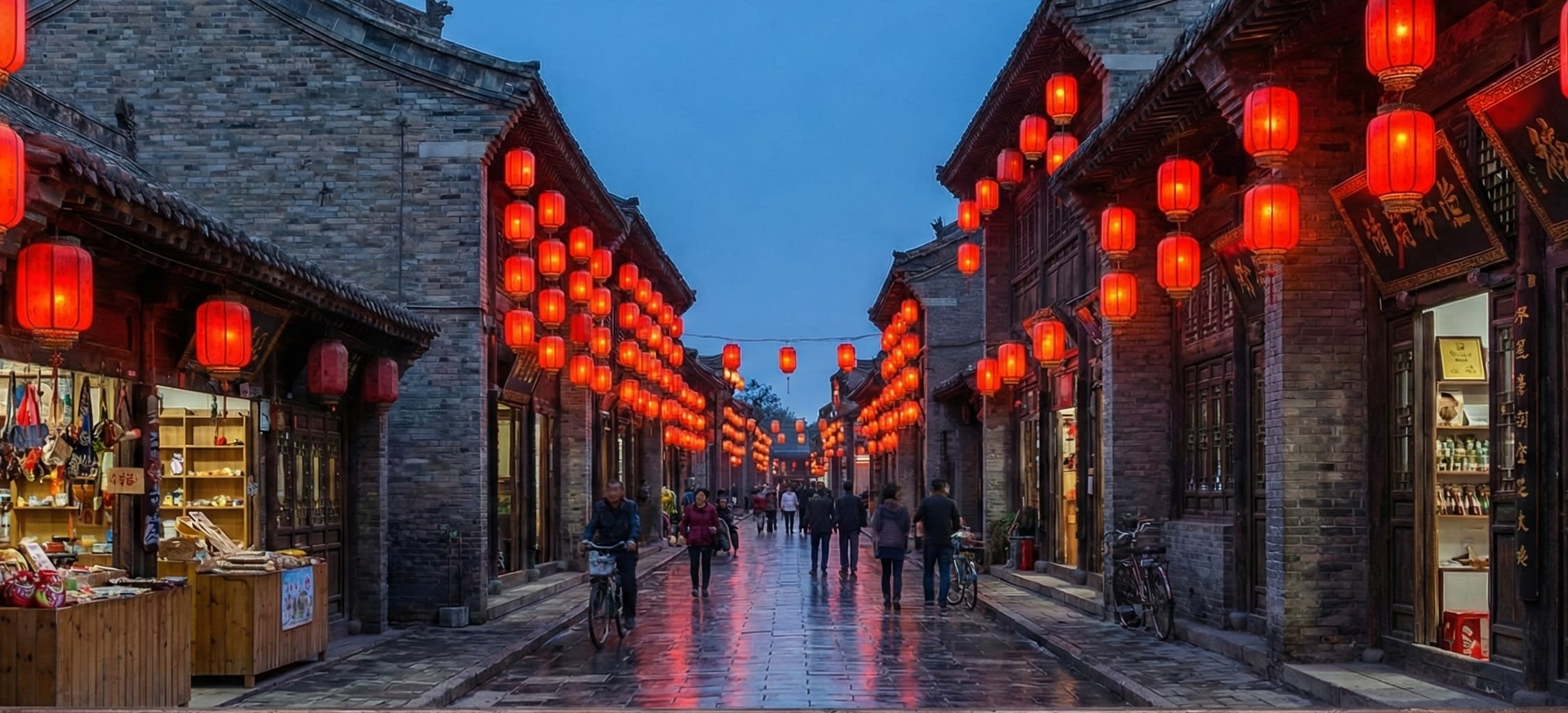
If the temples are “frozen music,” then Píngyáo (平遥) is a full symphony. It is one of the few places in China where you can still see an entire city exactly as it looked hundreds of years ago.
Behind its massive stone walls, you can find the first “banks” of China (piàohào 票号). These courtyards are built with a deep sense of hierarchy—the more important the person, the deeper their room was inside the house. Walking down the stone-paved streets at night, under the glow of red lanterns, you truly feel like you have traveled back in time to the Ming Dynasty.
6. Tips for Your Shanxi Adventure
Traveling to Shānxī is much easier than it was in the 1930s, but here are a few things to keep in mind:
- Start in Taiyuan: Most travelers arrive at Taiyuan Wusu International Airport or the High-Speed Railway station. It is a central hub for exploring the province.
- Respect the Wood: These buildings are fragile. Inside many temples, photography is not allowed because flash can damage the ancient colorful paintings on the walls. Always follow the signs!
- Eat the Noodles: Shānxī is the “Kingdom of Noodles.” After a long day of exploring temples, try the “Sliced Noodles” (dāoxiāomiàn 刀削面)—they are as legendary as the architecture.
- Weather Check: Shānxī is dry and can be dusty. If you are visiting the Wutai Mountains, bring a warm jacket even in summer, as the temperature drops significantly at night.
Final Thoughts
Shānxī’s ancient architecture is a gift to the world. It shows us that with enough care and skill, something made of simple wood can outlast empires. Whether you are marvelling at the massive eaves of Fóguāng Temple or wandering the walls of Píngyáo, you are witnessing the peak of human craftsmanship.
Next time you plan a trip to China, look beyond the skyscrapers of Shanghai. Head to Shānxī and listen to the silent stories told by its wooden beams.
Mastered the basics of Shānxī? Learn more about the seasonal wisdom of the 24 Solar Terms or the meditative art of Chinese Tea Culture.

