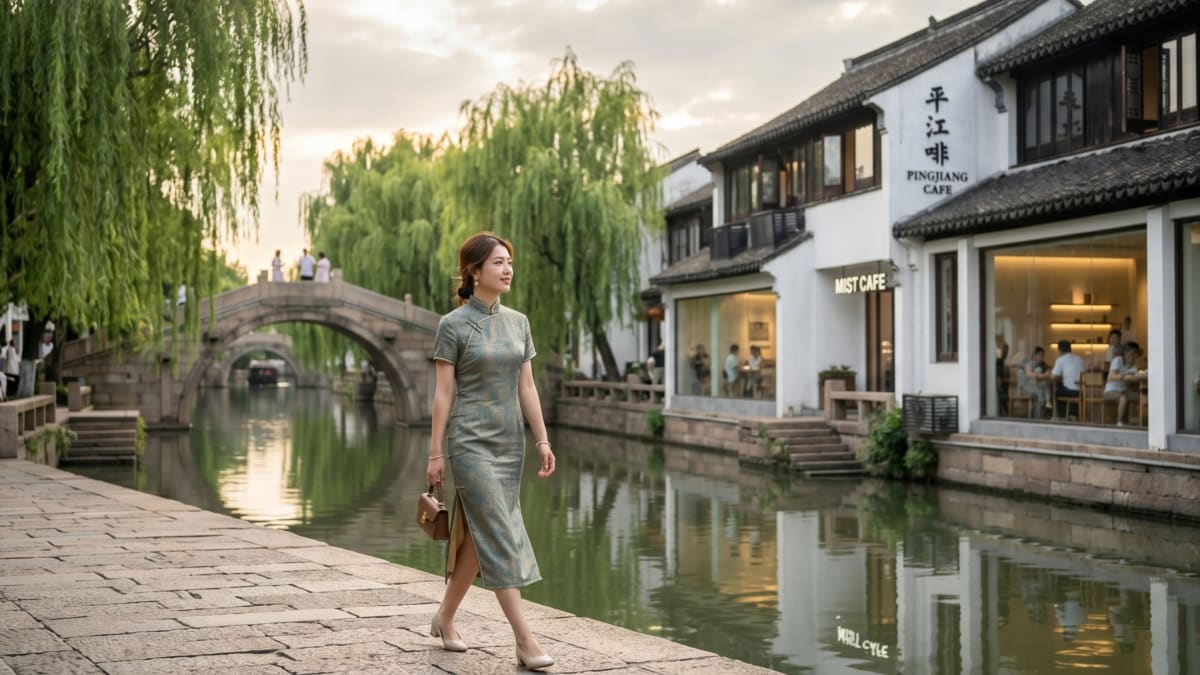
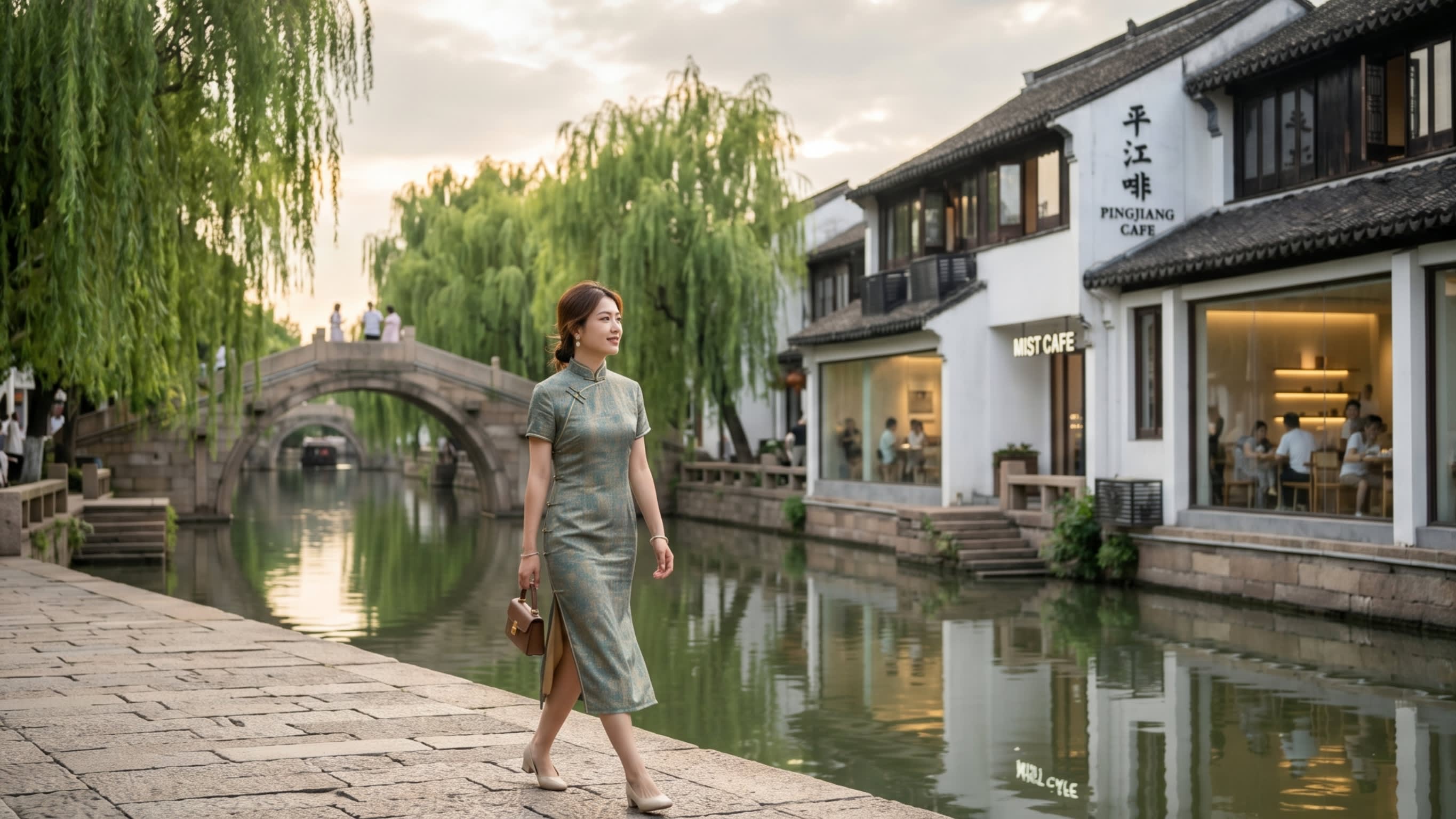
In the heart of the Yangtze River Delta, Suzhou (苏州 - sū zhōu) has always been a whisper, never a shout. While the skyscrapers of Shanghai roar with the frantic pace of global finance, Suzhou breathes art. In 2026, the city has transformed into the ultimate “weekend reset” for those craving a blend of 2,500 years of history, high-end cafe culture, and futuristic skylines. This isn’t just about shopping for silk scarves anymore; it’s about mastering the Su-style Life (苏式生活 - sū shì shēng huó).
Why 2026 is the Era of “Modern Suzhou”
For decades, international travelers viewed Suzhou solely through the lens of UNESCO-listed gardens. But today, the city is a dual-soul masterpiece. You can spend your morning tracing the brushstrokes of a Ming Dynasty garden and your evening sipping a cocktail from a rooftop bar, overlooking a skyline that rivals Dubai’s ambition. With the Suzhou-Shanghai Metro Line 11 fully integrated, you can simply “tap your phone” and navigate between these two distinct worlds in under an hour. It’s the kind of convenience that makes a weekend trip not just possible, but addictive.
If you are planning to navigate the city’s complex transit systems, make sure you have your digital travel essentials ready, as you’ll be using your phone for everything from subway gates to restaurant menus.
Phase 1: The Poetic Morning – Pingjiang Road (平江路 - píng jiāng lù)
Pingjiang Road remains the most authentically preserved canal street in the city. By 2026, it has successfully shed the “tourist trap” persona by curating high-end boutique stores and “slow-living” spaces that actually appeal to the modern traveler.
- The Experience: Start at the Couples’ Retreat Garden (耦园 - ǒu yuán), then meander along the canal to discover a tucked-away teahouse. With local regulations limiting loud tour groups, the ambiance has returned to its roots—you’ll hear the rhythmic splash of wooden paddles against the water and the faint, melancholic beauty of a Pingtan (评弹 - píng tán) ballad drifting from an open window.
- The Vibe: Pingjiang Road is the soul of Suzhou. Walk there at dawn to see elderly locals washing clothes by the river, while trendy ‘influencer shops’ quietly grind premium coffee nearby. This fusion of old and new is breathtaking.
Phase 2: The Architectural Dream – Suzhou Museum (苏州博物馆 - sū zhōu bó wù guǎn)
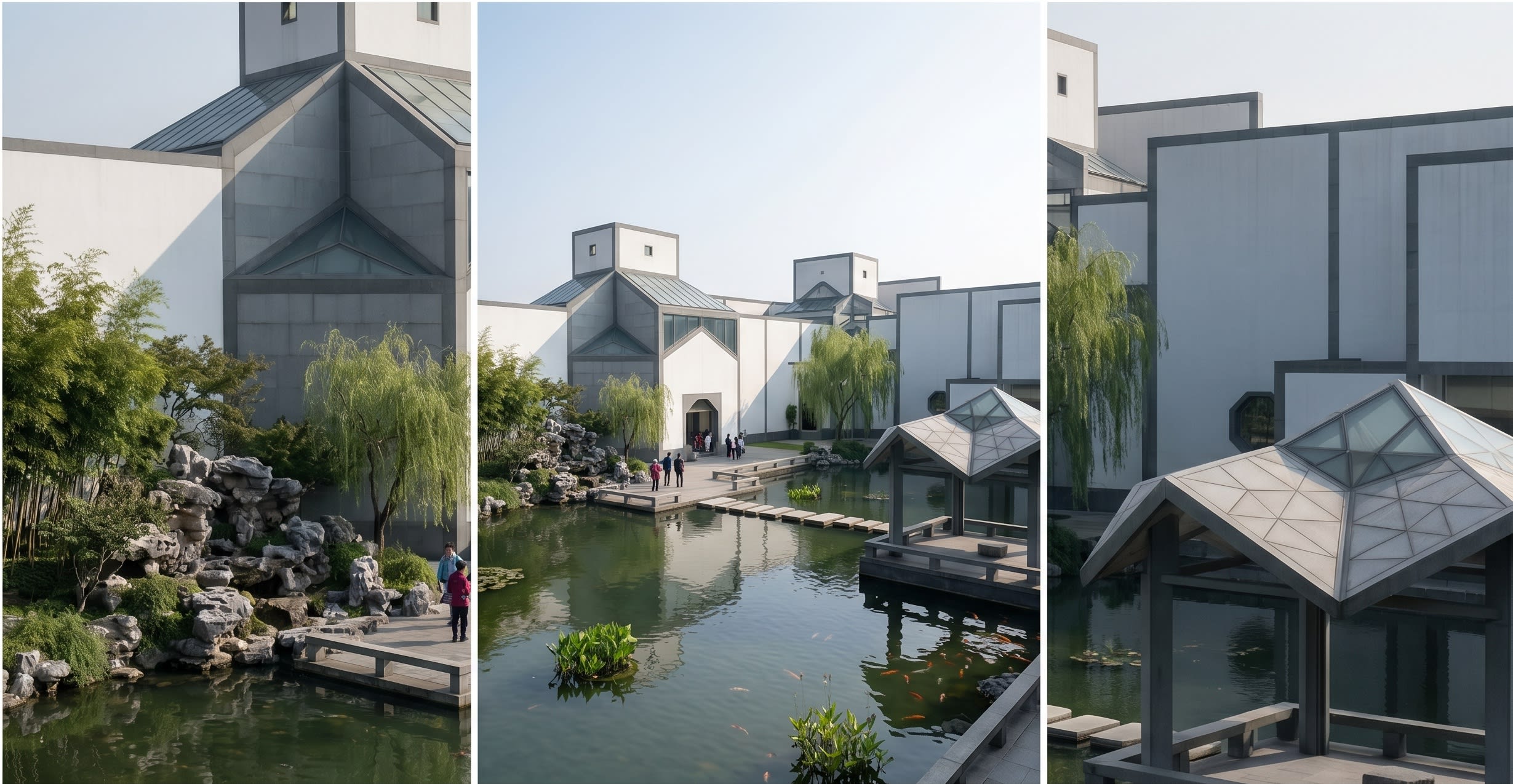
Designed by the legendary I.M. Pei, this museum is more than a building; it is a love letter to his ancestral home.
- The Aesthetic: Pei utilized sharp, geometric lines to reinterpret traditional Huizhou architecture, creating a structure that plays with light and shadow in a way that feels almost ethereal.
- Booking Strategy: In 2026, booking your timeslot at least 7 days in advance is non-negotiable. As a foreign visitor, the English version of the “Suzhou Museum” WeChat mini-program is your best friend.
- Curator’s Tip: Don’t get so lost in the relics that you miss the Main Hall’s Pond. The way the natural light cascades across the white walls is a masterclass in spatial design. If you’re a photography enthusiast, ensure you have a stable travel tripod to capture those perfect shadow play moments.
For more tips on navigating major cultural sites, check out my guide on how to avoid the biggest China travel mistakes.
Phase 3: The Serene Retreat – Master of the Nets Garden (网师园 - wǎng shī yuán)

While the Humble Administrator’s Garden is grand, the Master of the Nets Garden is intimate, acting as a microcosm of the entire universe within a small courtyard.
- The Night Tour: By 2026, the Night Garden Experience (夜游园林 - yè yóu yuán lín) has become the gold standard of evening entertainment. As you wander through the darkened courtyards, you’ll encounter various traditional performances—Kunqu Opera, flute music, and dance—held in different, secluded corners of the garden.
Phase 4: The Futuristic Evening – Jinji Lake (金鸡湖 - jīn jī hú)
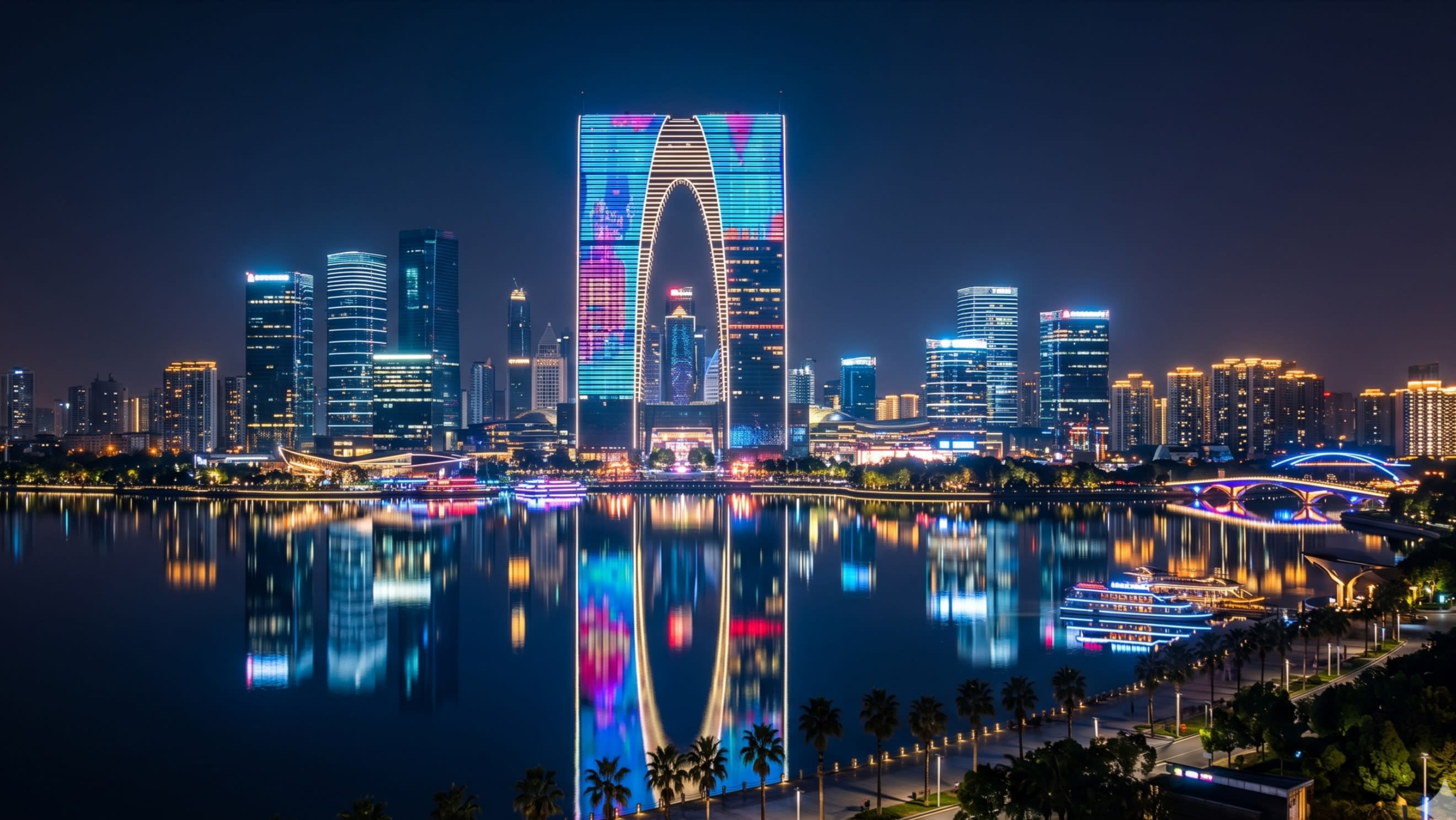
When the sun dips below the horizon, cross into the Suzhou Industrial Park (SIP). This is the “New Suzhou,” a stark, glittering contrast to the quiet gardens.
- The Gate to the Orient: Affectionately known by locals as the ‘Big Pants’ (大裤衩 - dà kù chǎ), this iconic skyscraper anchors a skyline defined by glass and neon.
- 2026 Tech: Hop onto an Autonomous Water Taxi (无人驾驶水上巴士) to glide across Jinji Lake—it’s the most effortless way to absorb the city lights without battling crowds.
The Su-style Comparison Matrix (Districts)
| District | Vibe | Best For | Must-See Item |
|---|---|---|---|
| Gusu (Old Town) | Historic & Poetic | Slow Walks / History | Pingjiang Road |
| SIP (Jinji Lake) | Futuristic & Urban | Nightlife / Shopping | Gate to the Orient |
| Huqiu (Tiger Hill) | Classic & Ancient | Landscape Photography | Leaning Yunyan Pagoda |
A Taste of Elegance: Seasonal Su-Style Tea
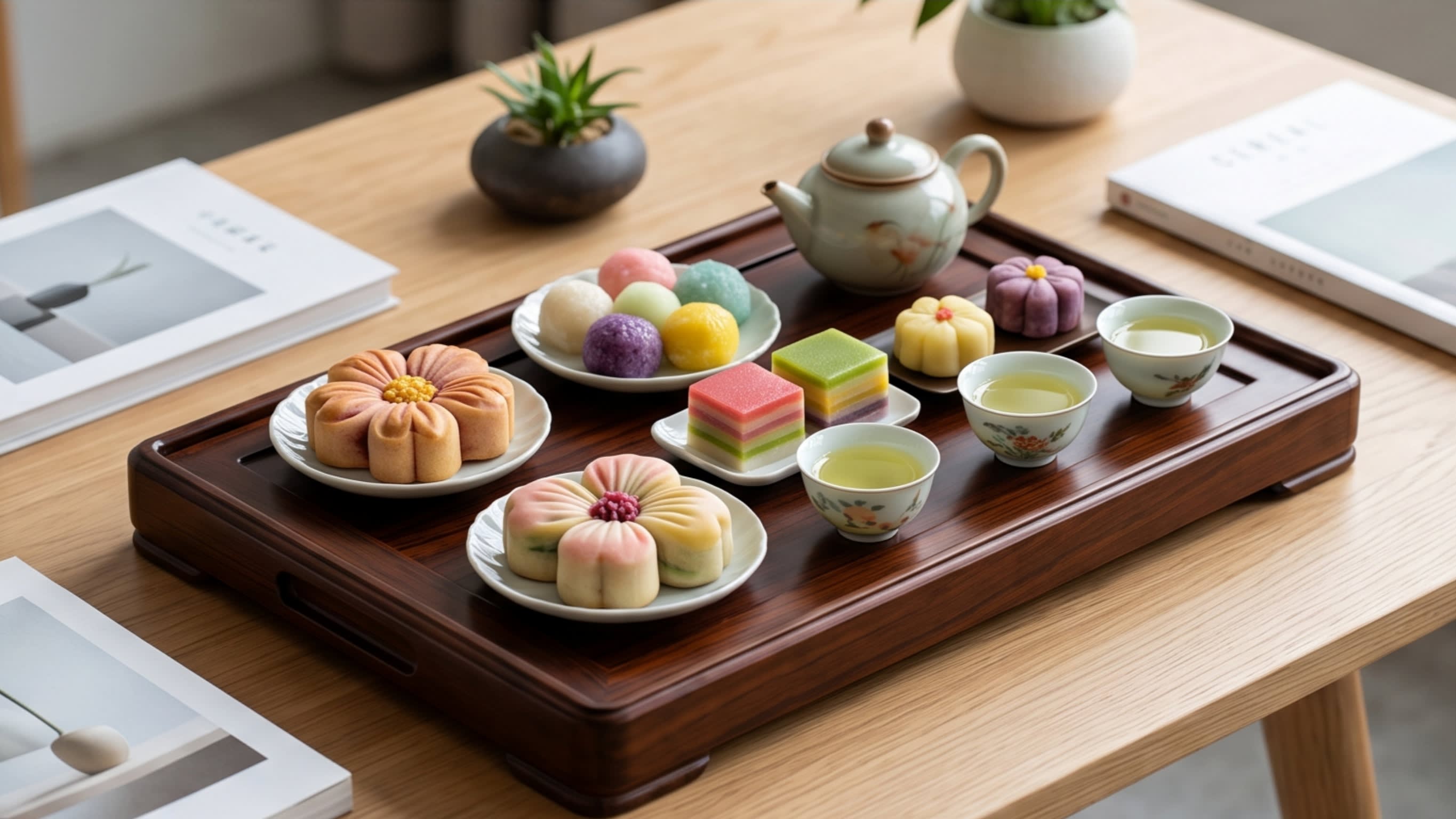
Suzhou culinary culture follows the principle of ‘Shí lì bù shí’ (食栗不时 - eating only what is in season).
- The Noodles: You haven’t truly arrived in Suzhou until you’ve tasted the Suzhou-style Noodles (苏式汤面 - sū shì tāng miàn). The broth is impeccably clear, sweet, and complex. For a touch of luxury, add the “Crab Roe” (蟹黄 - xiè huáng) topping. If you’re a home cook wanting to replicate these flavors, you can find premium stainless steel straining ladles to handle delicate noodles without breaking them.
Learn more about the local delicacies and other food journeys in my curator’s guide to Chinese tea culture.
Traveler’s Language Survival Table (Suzhou Edition)
| English | Chinese & Pinyin |
|---|---|
| Where is the best cafe? | 哪里的咖啡馆最有氛围? (Nǎ lǐ de kā fēi guǎn zuì yǒu fèn wéi?) |
| I’d like a cup of Biluochun tea. | 我想喝杯碧螺春。 (Wǒ xiǎng hē bēi bì luó chūn.) |
Final Thoughts
Suzhou is a city that gently forces you to slow your internal clock. Spend one night in the Old Town (古城区 - gǔ chéng qū) to feel the weight of history, and another in the SIP to feel the pulse of the future. Suzhou isn’t just a destination; it’s a version of yourself that is calmer, more artistic, and deeply attuned to the quiet rhythm of the seasons.
Disclaimer: As an Amazon Associate, ChinaCurator earns from qualifying purchases.