
If you are planning a trip to China in 2026, here is the good news: China is statistically one of the safest countries in the world for international travelers. Violent crime is extremely rare, and you can comfortably walk through most cities at 2:00 AM without concern.
However, like any major global destination, “tourist traps” and sophisticated social scams exist in high-traffic areas. As a project manager or a digital nomad, you likely value efficiency and transparency. This guide will help you spot the “red flags” so you can focus on the culture and the journey.
1. The Classic “Tea House” or “Art Student” Scam
This is the most famous scam in China, typically found near the Bund in Shanghai or Wangfujing in Beijing.
- The Approach: A friendly, well-dressed couple or “students” will approach you, asking to practice their English or help them take a photo.
- The Hook: They suggest going to a “traditional tea ceremony” or an “art gallery” nearby that they “just happened” to be heading toward.
- The Sting: After a pleasant hour of conversation and tea, you are presented with a bill that can reach 3,000–5,000 RMB ($400–$700). The “friends” disappear, and large “security guards” may appear to ensure you pay.
- How to Avoid: Politely decline any invitation to go to a secondary location (cafe, tea house, or bar) from strangers who approach you on the street.
2. Transportation: “Black Taxis” vs. Verified Apps
Outside of airports and train stations, you may be approached by individuals shouting “Taxi!” or “Hotel!”
- The “Black Taxi” (黑车 hēichē): These are unlicensed private cars. They often lack meters and may try to charge you 5x the standard rate or tell you your hotel is “closed” to take you elsewhere.
- The 2026 Solution: As we noted in our Essential App Guide, always use Didi. If you must use a physical taxi, ensure it is from the official “Taxi Stand” and that the driver starts the meter (dǎbiǎo).

3. The “Authentic Artifact” Trap
China has a rich history of “wenwan” (literati collectibles) and antiques. However, street markets are rarely the place to find them.
- The Scam: A vendor claims a “wenwan” gourd or a piece of jade is a “rare Qing Dynasty heirloom” being sold at a “friendship price.”
- The Reality: These are often mass-produced modern replicas.
- Pro Tip: If you are interested in genuine culture, such as the art of Wenwan Gourds, buy from reputable specialized shops or collectors rather than tourist stalls.
4. Scam vs. Reality: A Quick Reference
| The Situation | Red Flag | The Safe Alternative |
|---|---|---|
| Street Photos | Stranger asks to go for tea/drinks after. | Take the photo, say "No, thank you," and walk away. |
| Retail | "One-day only" government-sponsored jade sale. | Buy from established department stores or malls. |
| Transport | Driver says the meter is broken. | Exit the vehicle immediately and call a Didi. |
| Menus | A menu without prices listed. | Ask for the price (Duōshao qián?) before ordering. |
5. Emergency Contacts in China
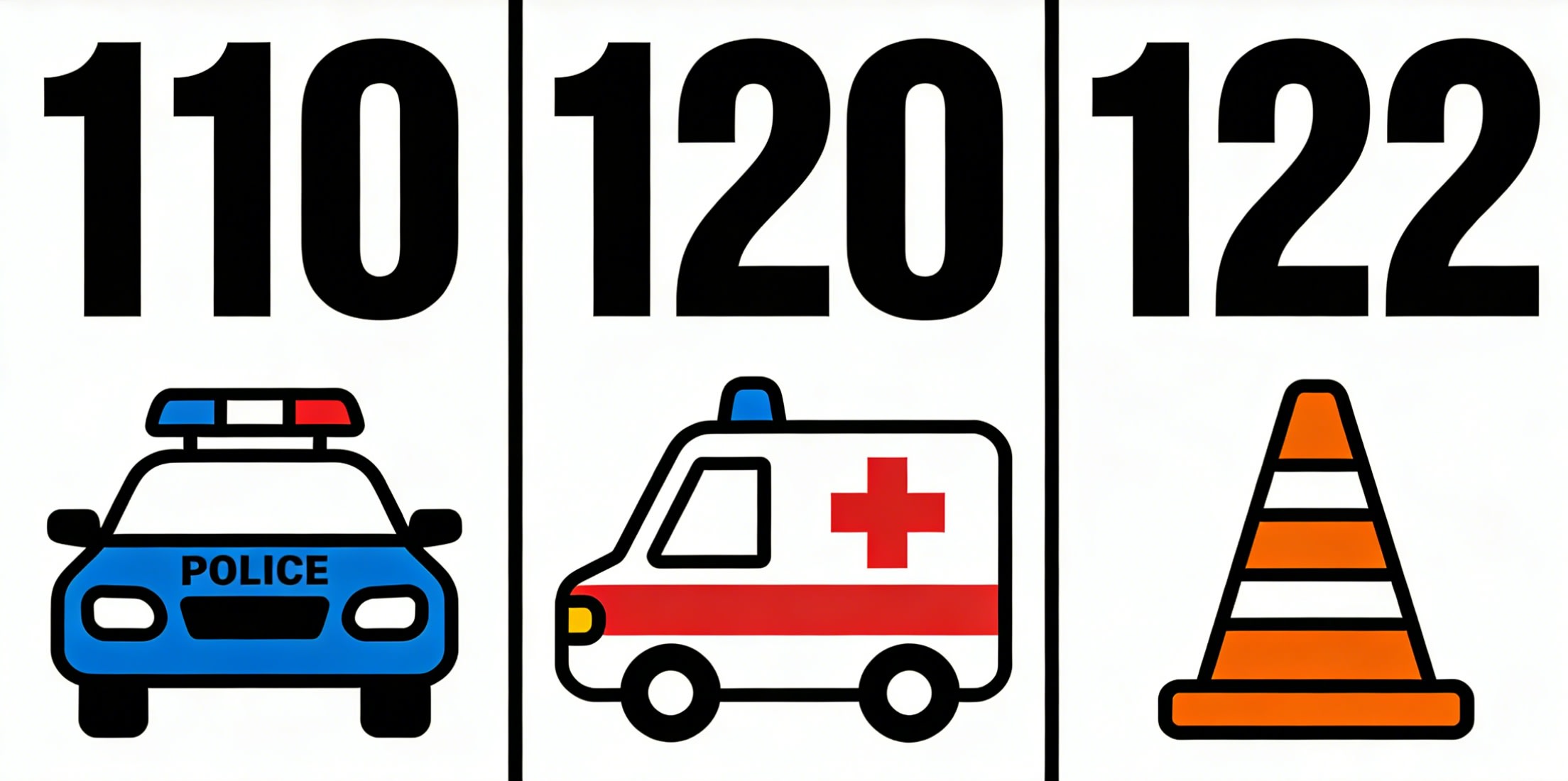
In the unlikely event that you feel unsafe or are involved in a dispute, use these numbers:
110: Police (Often has English-speaking operators in major cities)
120: Medical Emergency / Ambulance
122: Traffic Accidents
Final Thoughts
The most common “scam” in China is simply overpaying for a souvenir. By staying on the “digital grid” with apps like Didi and Alipay, you bypass 90% of potential issues. Use your common sense, trust your instincts, and enjoy the incredible hospitality that the vast majority of Chinese people are eager to show you.
Explored the safety tips? Now learn how to navigate like a local with our Essential 2026 App List.

