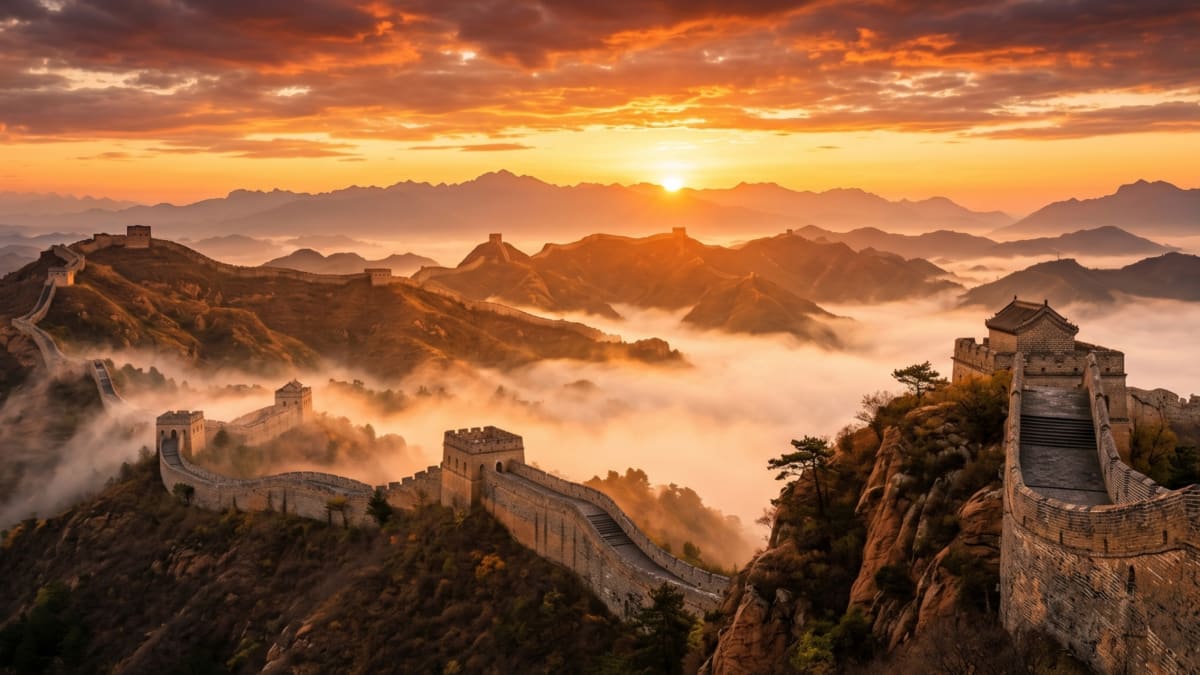
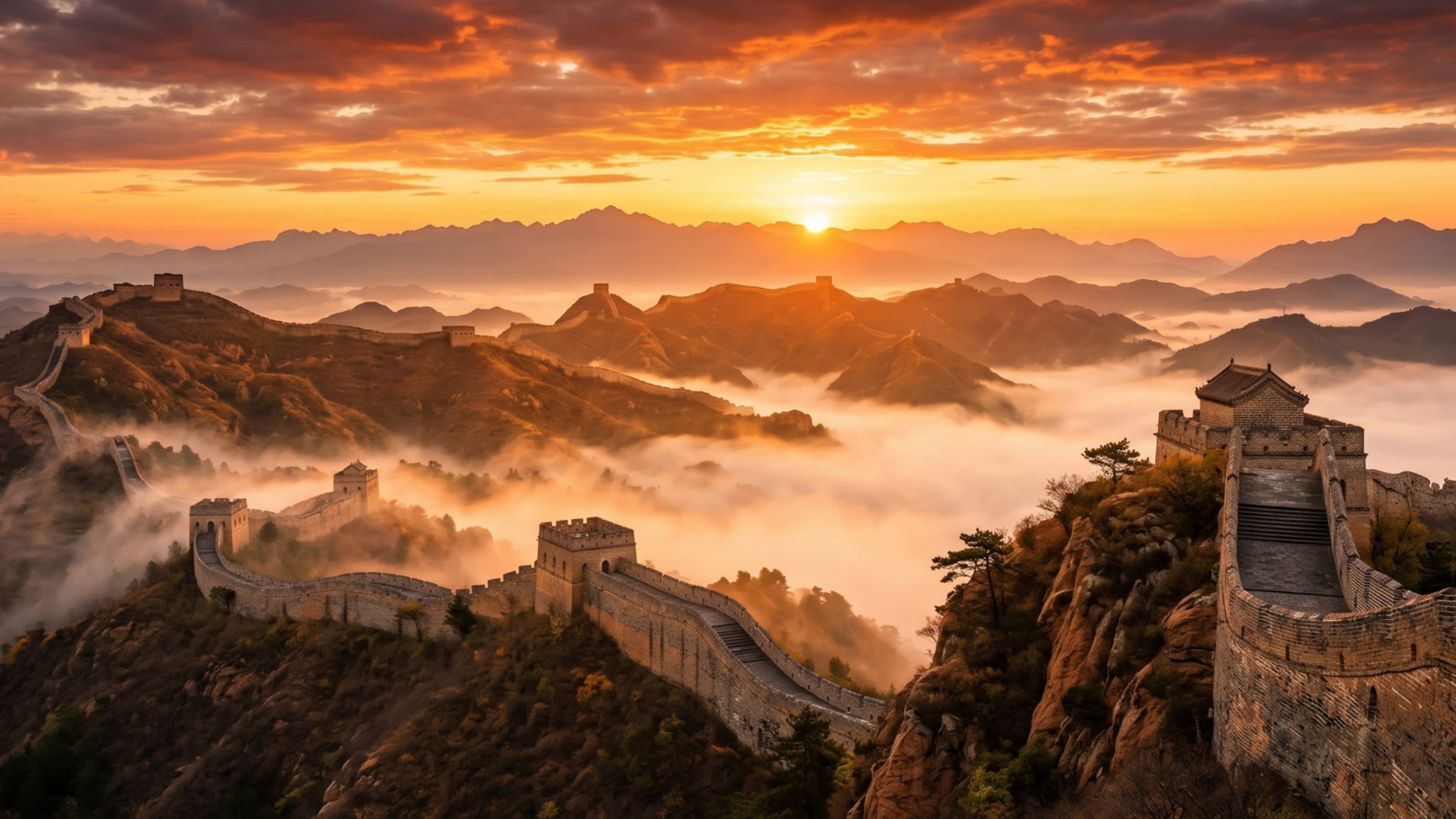
We all harbor that same cinematic vision: a solitary stone dragon winding its way over misty, serrated mountain peaks, silent and eternal. Yet, the reality of arriving at the famous Badaling (八达岭 - bādálǐng) section at 10 AM is a stark contrast—you are more likely to capture a sea of sun hats and glowing smartphone screens than the stoic majesty of history.
In 2026, the secret to capturing the Great Wall (长城 - chángchéng) doesn’t simply lie in the aperture of your lens, but in your navigational choices. As curators of China’s most evocative landscapes, I have trekked these ramparts to help you bypass the ‘People Mountain People Sea’ (人山人海 - rénshānrénhǎi) phenomenon and find the authentic pulse of the frontier.
Why Location Defines Your Narrative
The Great Wall is not a monolith; it is a collection of moods. Whether you are navigating the winding mountain passes in a modern electric vehicle or utilizing the rapid precision of the HSR (高铁 - gāotiě), your accessibility has evolved. However, the visual DNA of these sections remains as distinct as the dynasties that built them. If you are interested in further exploring China’s architectural wonders, my guide to the structural secrets of ancient pagodas offers a brilliant technical counterpoint to these hiking trails.
1. Jinshanling (金山岭): The Photographer’s Holy Grail
Best for: Professional landscape portfolios, ethereal sunrise sequences, and “Hero Shots.”
If you have ever been mesmerized by a breathtaking, fog-drenched wall in a travel magazine, you are likely looking at Jinshanling (金山岭 - jīnshānlǐng). Located 130km from the heart of Beijing, it sits at that perfect distance—remote enough to weed out the casual bus-tour masses, yet accessible enough for a pre-dawn mission.
- The Vibe: Rhythmic and grand. With the highest density of preserved Watchtowers (敌楼 - dílóu), the depth of field here is unparalleled.
- My Take: I find the morning light here transformational. When the mist rolls through the valleys, you aren’t just taking a photo; you are capturing a dialogue between the stone and the clouds. As we say locally, it carries a sense of “premium elegance” (高级感 - gāojígǎn) that is simply impossible to replicate elsewhere.
2. Mutianyu (慕田峪): The “Standard” Done Right
Best for: Families, verdant autumn photography, and the sheer joy of the descent.
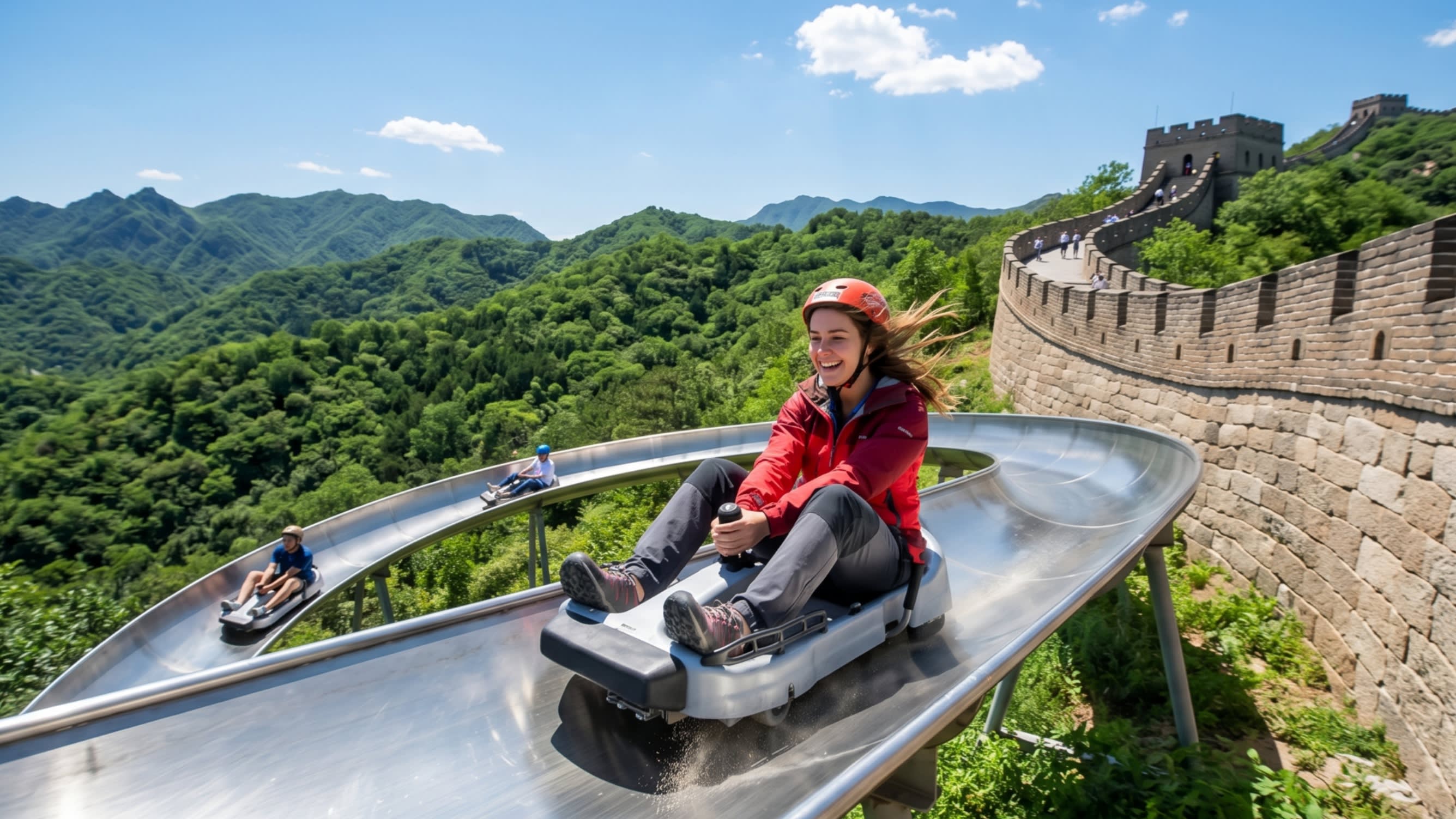
If your goal is a lush, forested environment where the wall snakes through a sea of emerald or crimson, Mutianyu (慕田峪 - mùtiányù) is your sanctuary. It is exceptionally well-maintained, offering a safe, polished experience that feels vibrant rather than industrial.
- The Fun Factor: Take the cable car up, but save some adrenaline for the Toboggan (滑道 - huádào) on the way down. It is arguably the most exhilarating way to exit a UNESCO World Heritage site.
- Pro-Tip: If you crave fewer shoulders in your frame, push toward Watchtower 20. The climb is steeper, but the payoff in isolation and elevation is worth every drop of sweat.
3. Jiankou (箭扣): The Wild and The Brave
Best for: Seasoned hikers, drone operators, and raw, “brutalist” historical aesthetics.
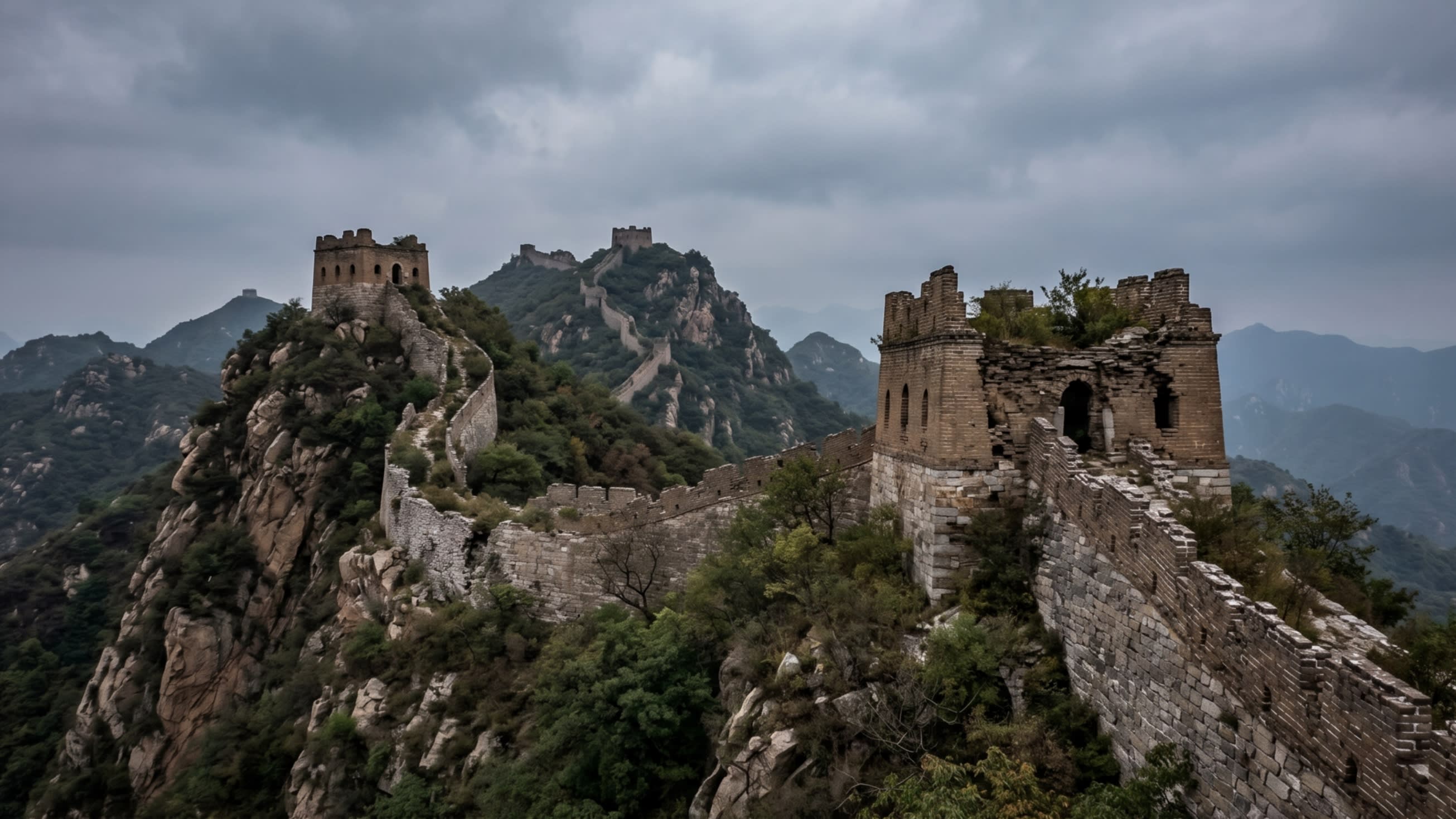
Jiankou (箭扣 - jiànkòu) represents the ‘Wild Great Wall’ (野长城 - yěchángchéng). Here, nature is slowly reclaiming the stone. You will encounter razor-sharp ridges, crumbling battlements, and steep ascents that have remained untouched by the restoration crews found at other sites.
- The Vibe: Dangerous, authentic, and starkly beautiful.
- A Note on Safety: In 2026, many of these paths are restricted to ensure preservation. Always hire a local guide—they know the stable footings and the current access regulations. For those who enjoy these gritty, “untamed” explorations, you might also find my survival guide to Huashan’s plank walks relevant for your upcoming trip.
4. Huanghuacheng (黄花城): The Water Wall
Best for: Reflections, serene long-exposures, and quiet picnics.

Unique to Beijing, Huanghuacheng (黄花城 - huánghuāchéng) features stone walls that dip directly into a reservoir. The juxtaposition of ancient masonry and liquid blue is a photographer’s dream.
- Modern Connectivity: Many digital nomads now base themselves in the nearby lakeside guesthouses. It is the perfect place to set up a portable monitor to edit your high-resolution footage while sipping local tea.
The Great Wall Comparison Matrix (2026)
| Section | Vibe | Crowd Level | Difficulty |
|---|---|---|---|
| Mutianyu | Classic & Lush | Moderate | Easy |
| Jinshanling | Majestic | Low | Moderate |
| Jiankou | Raw & Wild | Very Low | Hardcore |
| Huanghuacheng | Serene & Watery | Moderate | Easy |
The Nomad’s Workflow: Editing in the Wild
For the modern traveler, the journey doesn’t end when the sun sets.
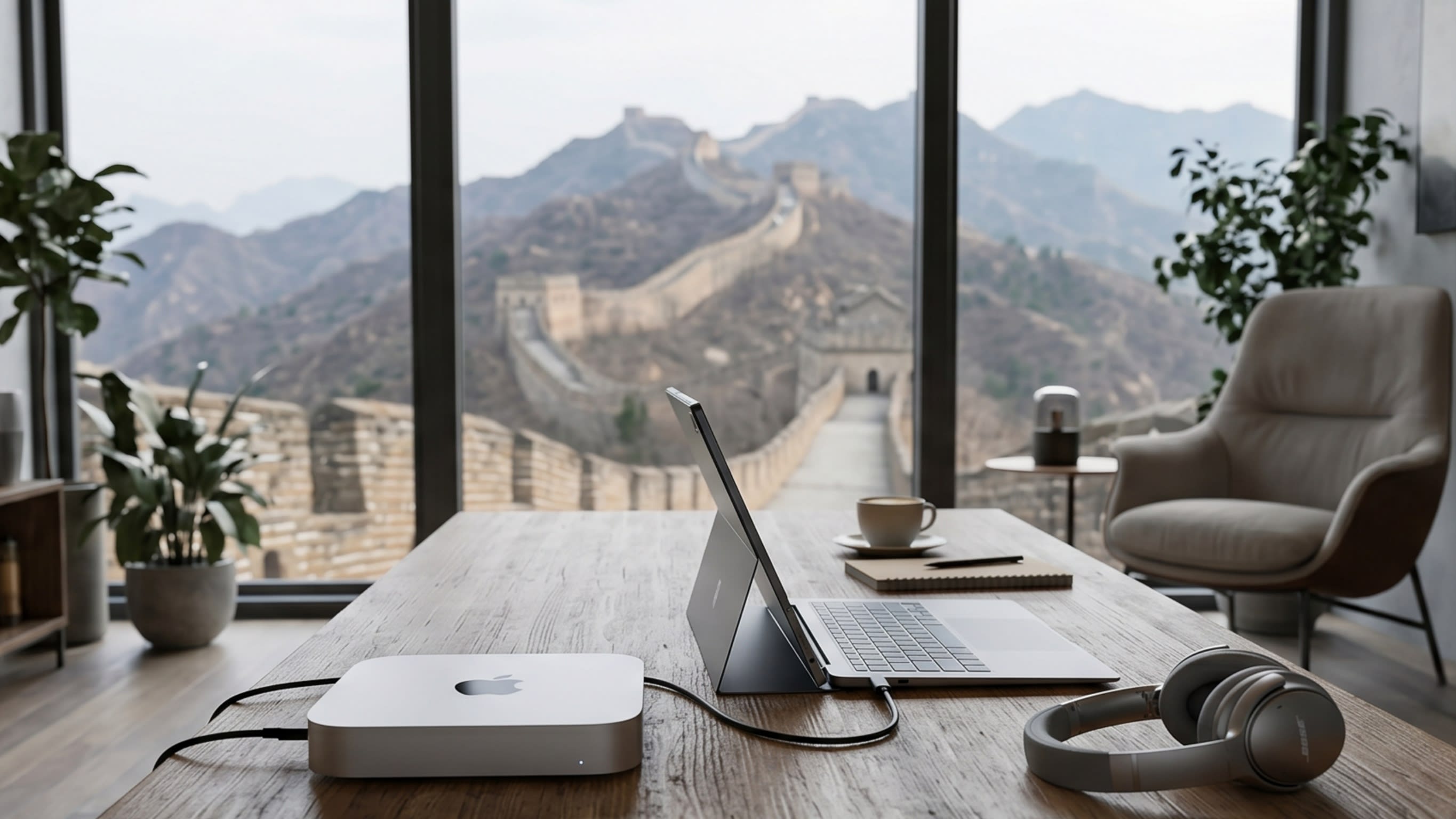
In 2026, rural guesthouses (民宿 - mínsù) near Jinshanling have embraced high-speed 6G connectivity, allowing creators to sync massive RAW video files to the cloud with ease. Using a high-speed external SSD to manage your media while overlooking the mountains is, in my opinion, one of the greatest “flexes” for a content creator. It allows for a rare, deep-focus environment that the bustling city center simply cannot provide.
Language Survival Essentials
| English | Chinese & Pinyin |
|---|---|
| Is this the wild wall? | 这是野长城吗? (Zhè shì yě chángchéng ma?) |
| I need a cable car ticket. | 我要买索道票。 (Wǒ yào mǎi suǒdào piào.) |
| Where is the toboggan? | 滑道在哪里? (Huádào zài nǎlǐ?) |
The Great Wall is a lesson in patience. Much like the meditative art of bead rubbing, where the patina deepens with time, your appreciation for these stones grows the longer you sit with them. Pack your durable hiking boots, leave the crowds to the guidebooks, and go find your own quiet watchtower. That is where the real experience lives.
Disclaimer: As an Amazon Associate, ChinaCurator earns from qualifying purchases.