🥢 Introduction: The Taste of a New Season
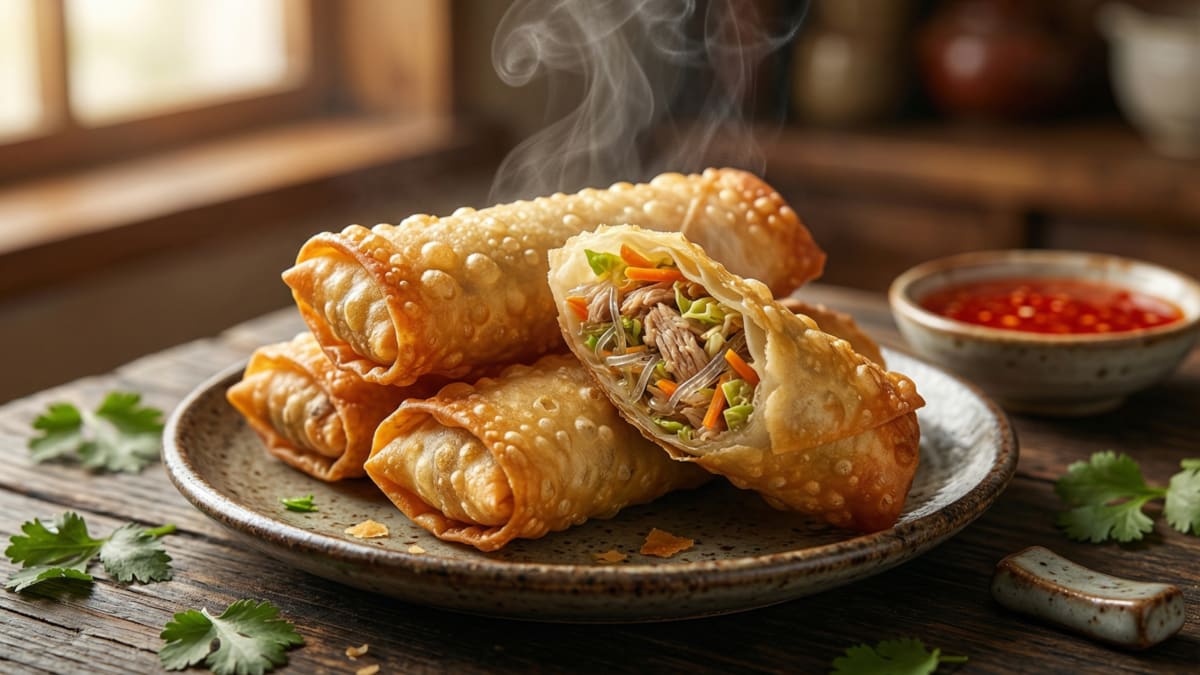
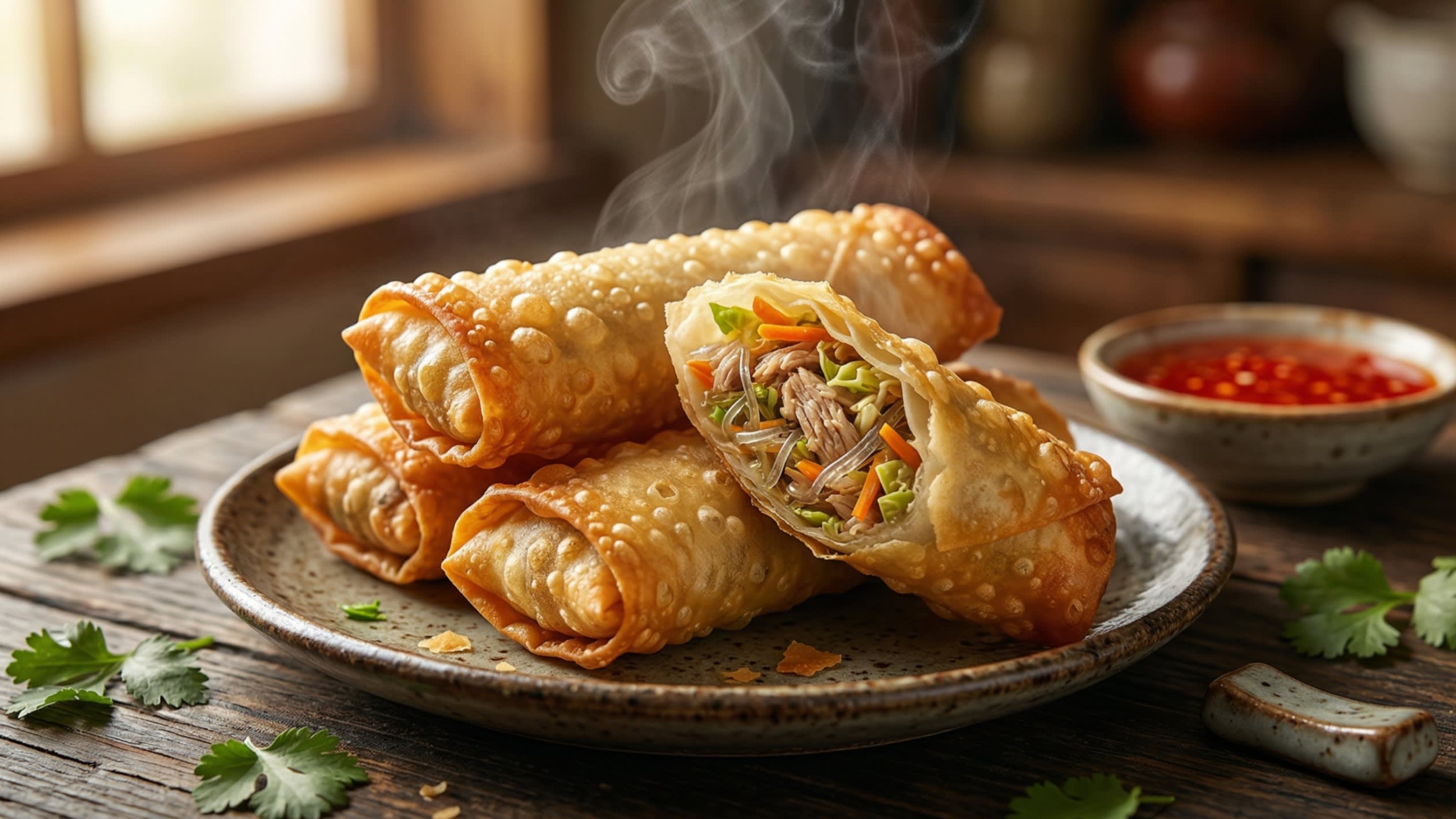
If there is one appetizer that universally defines Chinese cuisine across the globe, it is the magnificent Spring Roll (春卷 - Chūnjuǎn).
I still remember my grandmother’s kitchen during the lead-up to the Lunar New Year. The air would be thick with the intoxicating aroma of toasted sesame and sautéed cabbage. Watching her nimble fingers transform simple wrappers into golden, uniform cylinders felt like watching magic. Biting into one was a sensory masterpiece: a shatteringly crisp exterior yielding to a piping hot, umami-packed interior. It was, and remains, the ultimate comfort.
In traditional Chinese culture, eating these during the Spring Festival or the solar term of Lichun (the beginning of spring) is a ritual known as Yǎo Chūn (咬春), or “Biting the Spring.” The cylindrical shape mimics gold bars, promising prosperity, while the fresh ingredients symbolize the earth’s rebirth.
However, replicating this at home is a common point of frustration for many. I’ve seen countless home cooks struggle with wrappers that tear or rolls that disintegrate in the wok. Through years of trial and error in my own kitchen, I’ve refined the process. Today, I’m sharing the professional secrets to a “dry” filling and the precise geometry needed to guarantee a leak-proof, restaurant-quality result.
🆚 The Great Debate: Spring Rolls vs. Egg Rolls
A common point of confusion is the distinction between a Spring Roll and an Egg Roll. To put it simply: they are entirely different culinary experiences.
- The Wrapper: Authentic Spring Roll Wrappers (春卷皮 - Chūnjuǎn pí) are made from a simple mixture of wheat flour and water. They are paper-thin and become delicate, airy, and shatteringly crisp when fried. In contrast, Egg Roll Wrappers contain eggs and are significantly thicker, resulting in a heavier, blistered, and sometimes chewy exterior. I always make sure to grab the paper-thin wheat spring roll wrappers from my local Asian grocer, as they offer the best, most authentic texture.
- The Filling: Spring rolls prioritize finely julienned vegetables and subtle, balanced flavors. Egg rolls, conversely, are an American invention often packed with chunky, dense fillings.
If you are craving that light, elegant crunch, you must stick with the traditional wheat wrappers.
🔬 The Science of the Perfect Roll: Avoiding the “Grease Bomb”
If your previous attempts at frying spring rolls ended in explosions or oily, soggy messes, you likely violated the three golden rules of dim sum.
1. The “Dry” Filling Rule (炒馅)
Moisture is the mortal enemy of the wrapper. If your filling is too wet, the liquid will compromise the pastry from the inside. When this wetness hits the high heat of the oil, it converts into steam instantaneously, causing the wrapper to burst (漏馅 - Lòuxiàn). I always stir-fry my filling until it is almost completely dehydrated, often using a cornstarch slurry to bind any remaining juices. Most importantly, you must let the filling reach room temperature before folding. Wrapping hot ingredients will cause the pastry to become soggy before it even touches the oil.
2. The Structural Magic of Glass Noodles (粉丝)
You’ll notice that authentic recipes always include Glass Noodles (粉丝 - Fěnsī). These are not filler! Because they are made from mung bean starch, they act as microscopic sponges. They draw out any residual juices from the pork and cabbage, ensuring the wrapper stays crisp while the interior remains succulent.
3. The Ultimate Seal (封口)
Never rely on water alone to seal your rolls. I use a simple “edible glue” made by whisking cornstarch and water. Painting this slurry on the edges ensures a secure 封口 - Fēngkǒu that won’t unravel when dropped into the wok.
🛒 Ingredients List
The Wrappers & Seal:
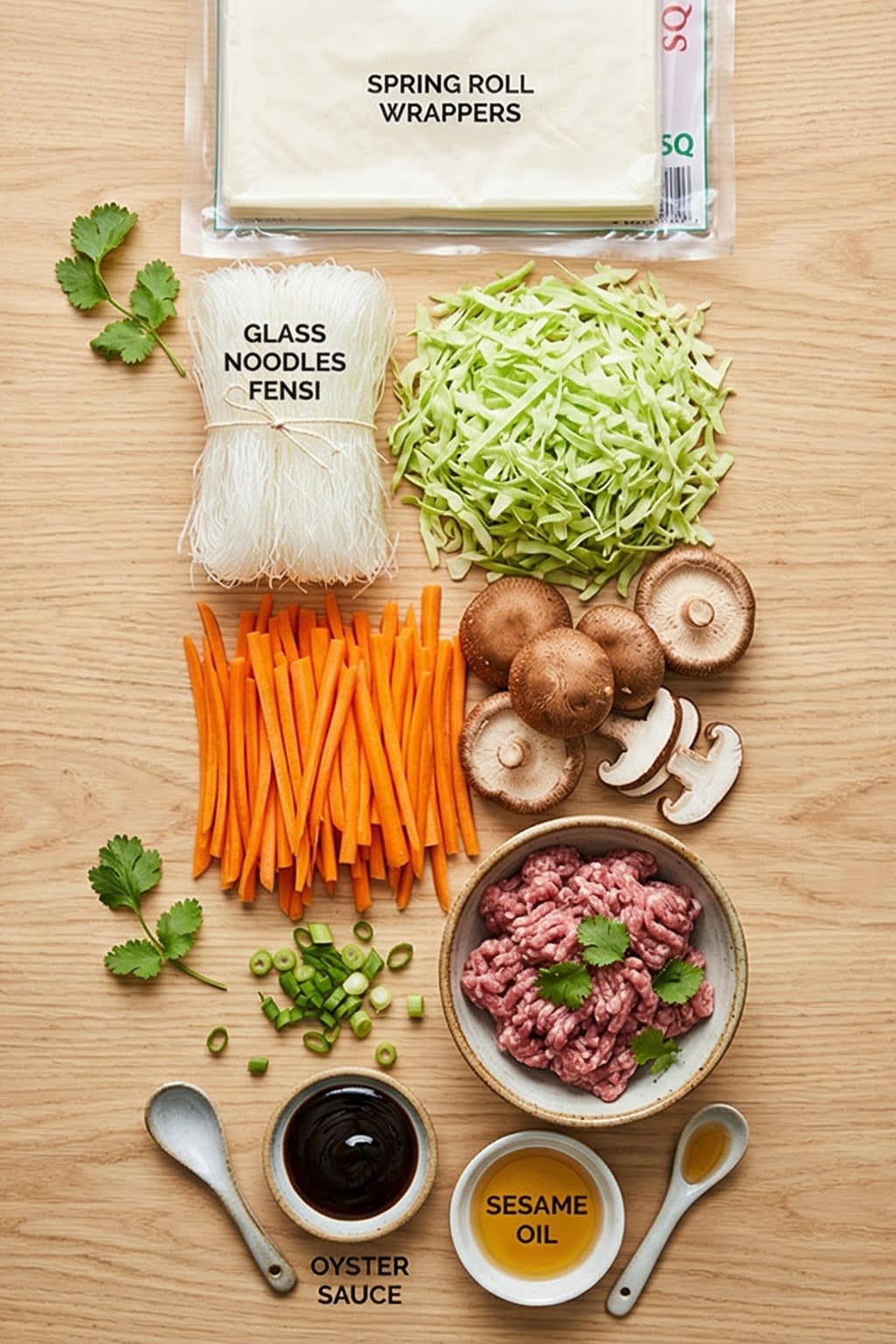
- 1 package (about 25 sheets) Frozen Spring Roll Pastry / Wrappers (春卷皮). (Thaw completely under a damp towel.)
- The Glue: 1 tbsp Cornstarch mixed with 1 tbsp Water
The Authentic Filling:
- 1/2 lb (225g) Ground Pork (or firm, crumbled tofu for a vegetarian version)
- 1 small bundle (about 1.5 oz) Mung Bean Glass Noodles (粉丝 - Fěnsī)
- 2 cups Green Cabbage (卷心菜), finely shredded
- 1 large Carrot, julienned into matchsticks
- 4 fresh Shiitake Mushrooms (香菇), thinly sliced
- 2 stalks Scallions (葱花), chopped
- 2 cloves Garlic, minced
The Savory Seasonings:
- 1 tbsp Light Soy Sauce (生抽)
- 1 tbsp Oyster Sauce (蚝油)
- 1 tsp Shaoxing Cooking Wine (绍兴酒)
- 1/2 tsp Toasted Sesame Oil (芝麻油)
- 1/2 tsp Sugar
- 1/4 tsp White Pepper powder (白胡椒粉)
The Frying:
- 4 cups high-heat vegetable oil
🍳 Step-by-Step Instructions
1. Prep the Noodles: Soak the glass noodles in boiling water for 5 minutes. Drain thoroughly and cut them into 2-inch segments.
2. Stir-Fry the Filling: Heat a tablespoon of oil in a carbon steel wok. Brown the pork, then add the aromatics—garlic and scallions. Toss in the cabbage, carrots, and mushrooms, stir-frying for 2 minutes.
3. Season and Cool: Add your soy sauce, oyster sauce, wine, sugar, pepper, and sesame oil. Fold in the noodles. Once the mixture is uniform and dry, spread it onto a baking sheet to cool. Do not skip the cooling phase!

4. The Folding Geometry: Lay a wrapper flat like a diamond. Place 2 tablespoons of filling in the lower third. Fold the bottom corner up, tuck it under the filling, and roll forward once. Fold the left and right corners inward to meet in the center. Brush the top tip with your cornstarch “glue” and roll the rest of the way up.
5. Golden Frying: Heat your deep-fry thermometer in the oil until it reaches 350°F (175°C). Fry the rolls in small batches for about 3-4 minutes until they reach a deep, golden mahogany.

💡 Pro-Tips for Success
| Challenge | The Fix |
|---|---|
| Greasy Rolls | Oil temperature is too low. Keep it steady at 350°F. |
| Freezing | Freeze raw rolls on a tray before bagging. Fry from frozen (add 2 mins). |
| Air Frying | Brush with oil thoroughly. Cook 12 mins at 390°F. |
If you enjoy these, you might also like to master Authentic Chinese Potstickers (Guotie) or perhaps try your hand at The ULTIMATE Flaky Scallion Pancakes. Remember, cooking is a journey—don’t be discouraged if your first batch isn’t perfect. Enjoy the process of “biting the spring!”
Disclaimer: As an Amazon Associate, ChinaCurator earns from qualifying purchases.