
🥟 Introduction: The Ultimate Dumpling Experience
In the vast and glorious universe of Chinese dumplings, there is one variation that stands undisputed as the ultimate crowd-pleaser: Potstickers (锅贴 - Guōtiē).
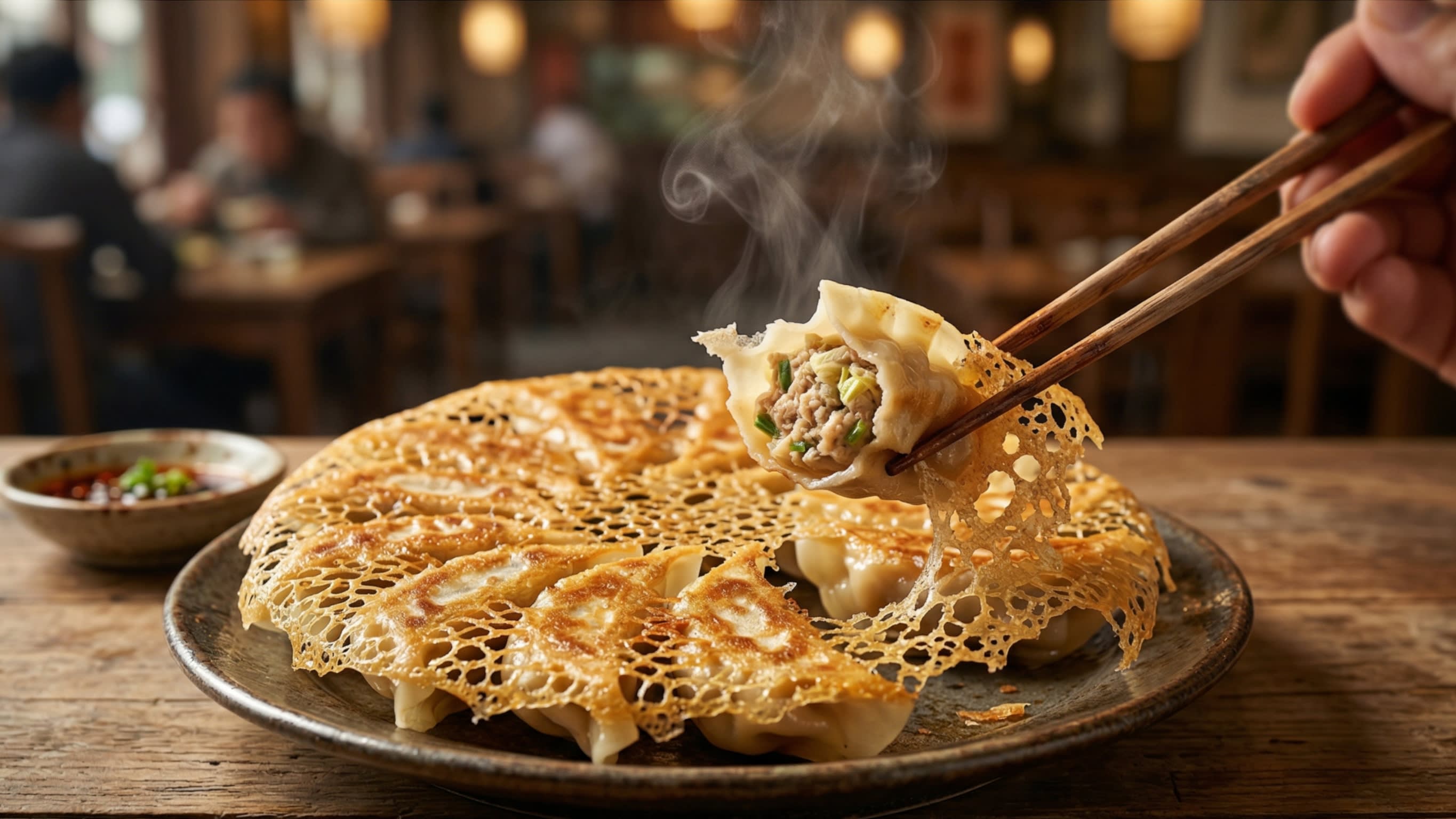
I still remember my first time wandering through a bustling night market in Beijing, the air thick with the scent of toasted sesame oil and sizzling ginger. The star of the show was always a massive, blackened cast-iron pan overflowing with golden-brown Guōtiē. The experience of that first bite is etched in my memory: my teeth first cracked through a shatteringly crisp, lace-like bottom, followed by the yielding, chewy texture of the steamed dough, and finally, the rush of hot, savory broth from the pork filling. It was a revelation.
“Guōtiē” literally translates to “wok stick.” The legend goes that a Song Dynasty chef accidentally over-boiled his dumplings; when the water evaporated, they charred against the metal. Rather than waste them, he served them—and the emperor was hooked. Today, I want to share the techniques I’ve learned over years of practice so you can recreate that same magic in your own kitchen. Whether you are looking for a Smashed Cucumber Salad (Pai Huang Gua) as a side or are diving into the art of Authentic Chinese Jiaozi, these Guōtiē will become your new obsession.
🆚 Guotie vs. Jiaozi vs. Gyoza: What’s the Difference?
Before we start, I often get asked why these are different from the dumplings found in Japanese ramen shops.
| Style | Key Feature |
|---|---|
| Shuǐjiǎo (Boiled) | Thick, sturdy wrappers; pure comfort for holidays. |
| Guōtiē (Potstickers) | Pan-seared for that signature crispy "skirt" and juicy center. |
| Gyoza (Japanese) | Delicate, thin skin; heavier on garlic and fine-minced meat. |
I personally find that Guōtiē offers the best of both worlds—the chewiness of a steamed dumpling and the satisfying crunch of a fried treat. If you want to expand your dumpling repertoire, check out my guide on Authentic Xiao Long Bao for another lesson in “juicy” secrets.
🔬 The Culinary Science: Why “Da Shui” Matters
My secret to avoiding dry, lifeless dumplings lies in a technique called Dǎshuǐ (打水)—literally “beating water.” Many home cooks treat pork like a burger patty, but for dumplings, the meat needs to be an emulsion.
I always stir the pork, ginger, and seasoning liquid in one single direction for several minutes. By doing this, you aren’t just mixing; you are forcing the meat proteins to unfold and “drink” the liquid. When the heat hits the dumpling, that trapped water turns into the savory broth that makes these authentic.
🛒 Ingredients List
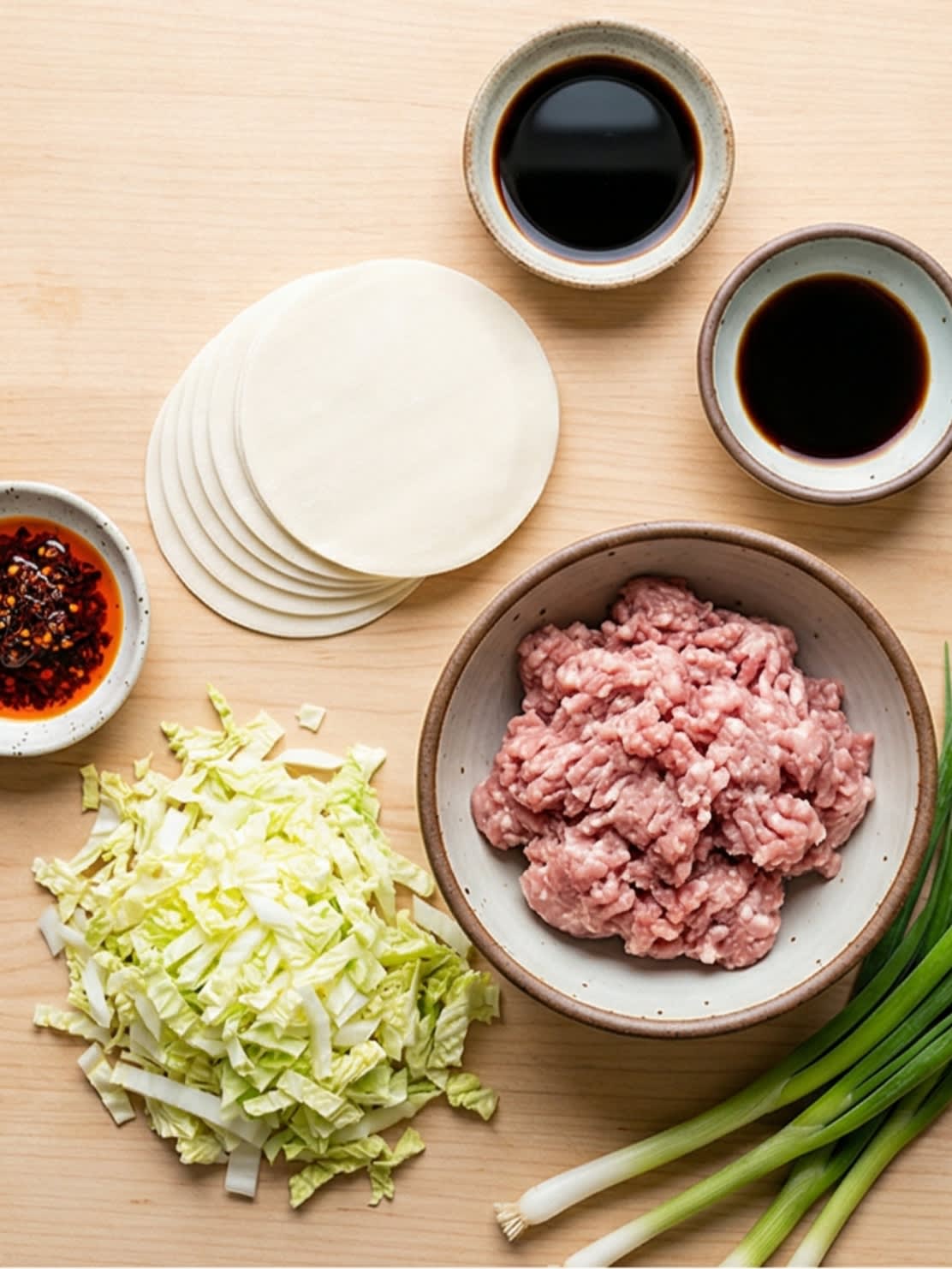
The Wrappers:
- 35-40 round dumpling wrappers. Always choose the refrigerated white round ones, never the yellow square ones intended for wontons!
The Classic Pork & Cabbage Filling (猪肉白菜 - Zhūròu Báicài):
- 1 lb (450g) Ground Pork (70/30 fat ratio is my preference for tenderness)
- 2 cups Napa Cabbage (大白菜), very finely minced
- 1 tbsp fresh Ginger, finely grated (姜末)
- 2 stalks Scallions, finely chopped (葱花)
The Seasoning Liquid:
- 1/4 cup Cold Water
- 2 tbsp Light Soy Sauce
- 1 tbsp Dark Soy Sauce
- 1 tbsp Shaoxing Cooking Wine
- 1 tbsp Toasted Sesame Oil
- 1 tsp Sugar & 1/2 tsp White Pepper
🍳 Step-by-Step Instructions
1. Taming the Cabbage: I never skip salting my cabbage. By letting it sit for 15 minutes and then wringing it out in a clean kitchen towel, I ensure that the water I want in the dumpling (the seasoning broth) isn’t pushed out by the cabbage’s natural juices.
2. Mixing the Filling: This is where I get meditative. After combining the pork with the grated ginger and seasonings, I grab my wooden chopsticks and stir vigorously in a circle for three minutes. You will actually see the meat change from a loose pile into a tacky, sticky paste. This is the “Da Shui” in action.
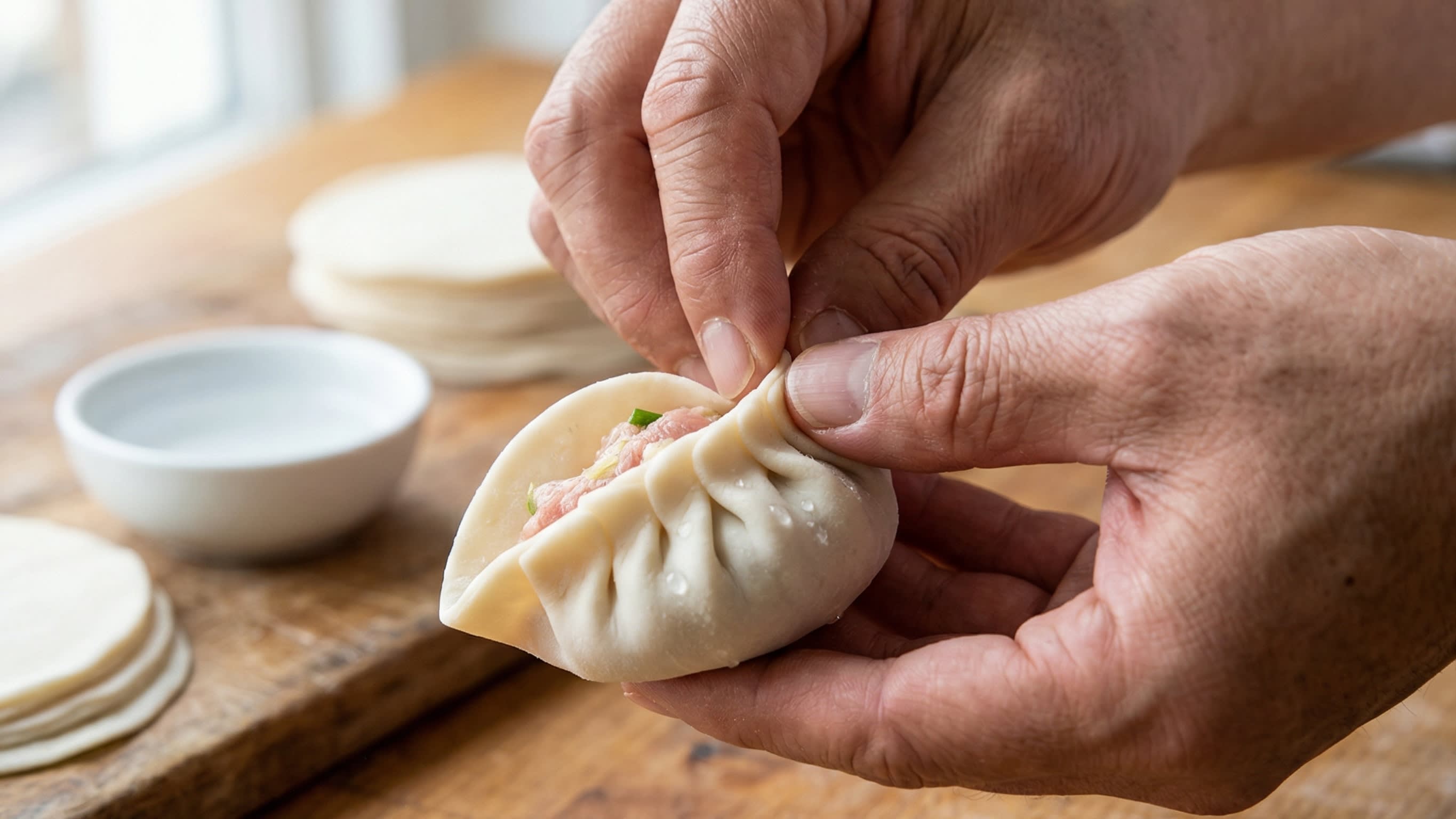
3. Folding (捏褶 - Niēzhě): Folding can feel daunting, but think of it as a craft. I place a tablespoon of filling in the center, wet the edges with a finger, and pleat the right side against the back wall of the wrapper, then the left. Don’t worry if the first few look “rustic”—my first dumplings were far from symmetrical!
4. The Fry-Steam-Fry Method: I always use a non-stick skillet with a heavy, tight-fitting lid.
- Fry: Add oil, place dumplings in a circular pattern, and crisp the bottoms.
- Steam: Add the slurry mixture (water, flour, oil, cornstarch). It will bubble violently—quickly cover it.
- Final Crisp: Once the water is gone, I reduce the heat and let the starch fry one last time. This creates the “Ice Skirt.”
5. The Reveal: The moment of truth! I place a large plate over the pan, hold the handle firm, and flip. If done correctly, the dumplings come out as one gorgeous, interconnected crispy web. Serve with Chinkiang black vinegar and a spoonful of chili crisp.
💡 Troubleshooting and Pro Tips
If your wrappers tear, it’s usually because you left them out on the counter too long. I always keep my stack under a slightly damp cloth while I work. If you find your bottoms burning, remember that the pan should be at medium heat—if it’s too hot, the oil will blacken before the steam has time to cook the center. Cooking is a conversation with your stove; listen to the sounds of the sizzle, and you’ll know exactly when to adjust the heat.
Disclaimer: As an Amazon Associate, ChinaCurator earns from qualifying purchases.