
We have all heard the trope: “Chinese is the language of the future.” It’s a catchy headline, but for those of us actually sitting at a desk with a notebook, trying to wrap our tongues around the four tones, that abstract promise feels miles away. If you have been following our journey through the basics—from navigating the initial shock in “Is Chinese Hard? A 2026 Reality Check” to uncovering the hidden architecture of the language in “Demystifying Chinese”—you might still be wondering: Is the struggle actually worth it?
Beyond the corporate slogans and the “future-proof” buzzwords, learning Chinese is a deeply personal, often humbling, and ultimately transformative experience. Let’s peel back the layers and look at why this journey is worth every headache.
Part 1: Unlocking Professional Horizons
Let’s address the elephant in the room: your career. It isn’t just about adding a line to your resume; it is about accessibility.

When you speak the language of the world’s second-largest economy, you stop being an outsider looking in. In industries ranging from global logistics and high-end manufacturing to the rapidly evolving tech sector, speaking Mandarin changes the power dynamic of a conversation. It signals to employers that you possess high-level “soft skills”—persistence, adaptability, and an ability to navigate cultural nuance.
More importantly, it builds trust. Business in China is rooted in guanxi (关系 - relationships). While you can certainly do business with an interpreter, having the ability to share a laugh or understand the subtext of a negotiation over a meal changes everything. You aren’t just a partner; you are someone who has made the effort to bridge a gap.
Part 2: A Backstage Pass to an Unseen World
Learning a language is the only key that opens a door into a culture’s private living room. Without it, you are reading the Wikipedia summary; with it, you are reading the original manuscript.
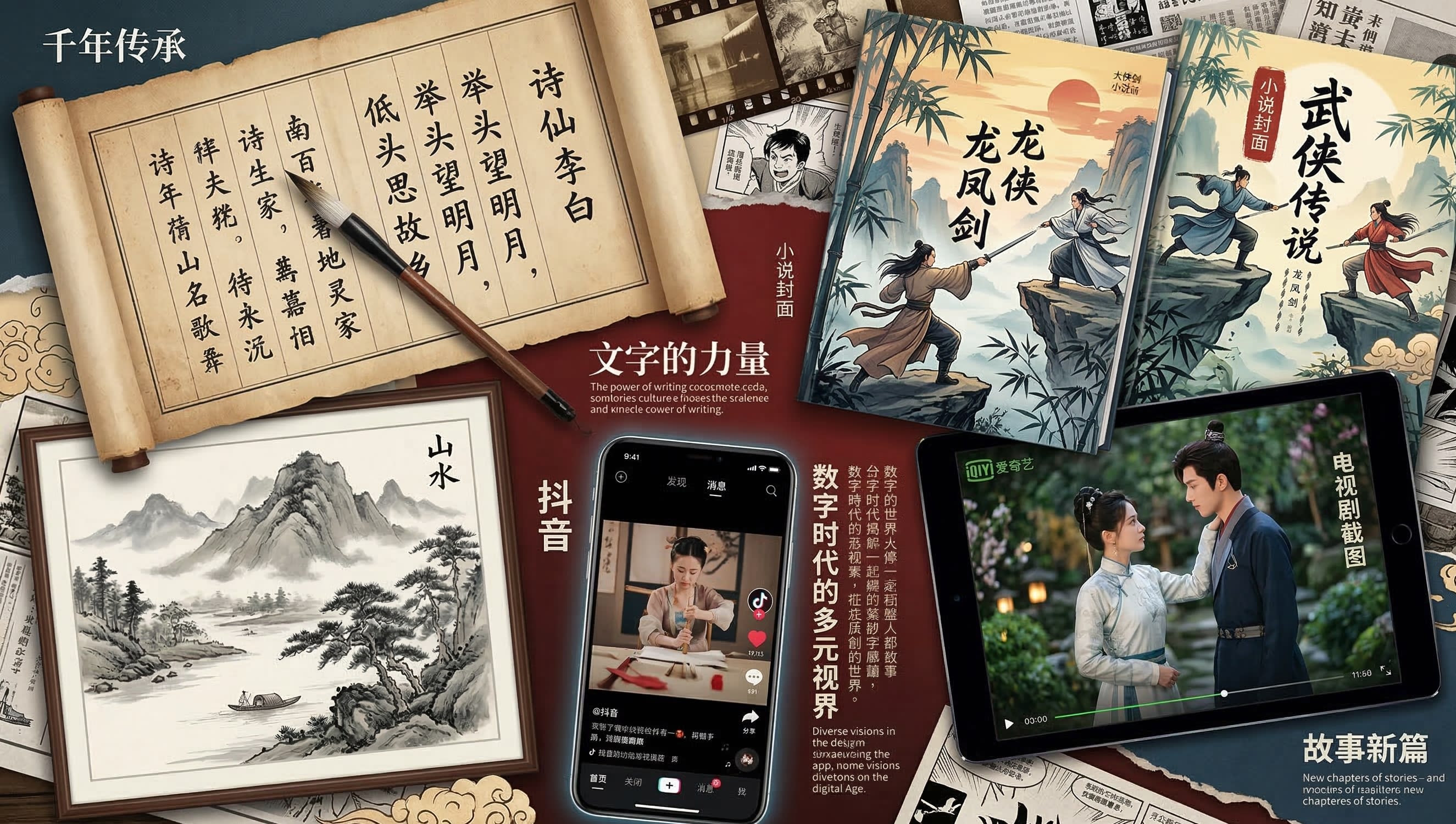
There is an entire digital universe that remains invisible to those who don’t read the characters. From the fast-paced, witty, and often self-deprecating banter on social platforms to the deep, philosophical currents in poetry and contemporary film, the depth of Chinese culture is staggering. If you want to understand the “why” behind modern Chinese trends, you have to read the source material.
I often tell students that enjoying a Chinese period drama without subtitles is one of the most rewarding milestones. You start to hear the cadence, the specific historical idioms (known as chengyu - 成语), and the subtle shifts in tone that convey respect, humor, or defiance. It makes you realize that what we see in Western media is often just a thin, glossy veneer of a much more complex, ancient reality.
Part 3: The Ultimate Cognitive Workout
If you want to keep your brain sharp, forget crosswords. Learning Chinese is, quite frankly, a mental marathon.
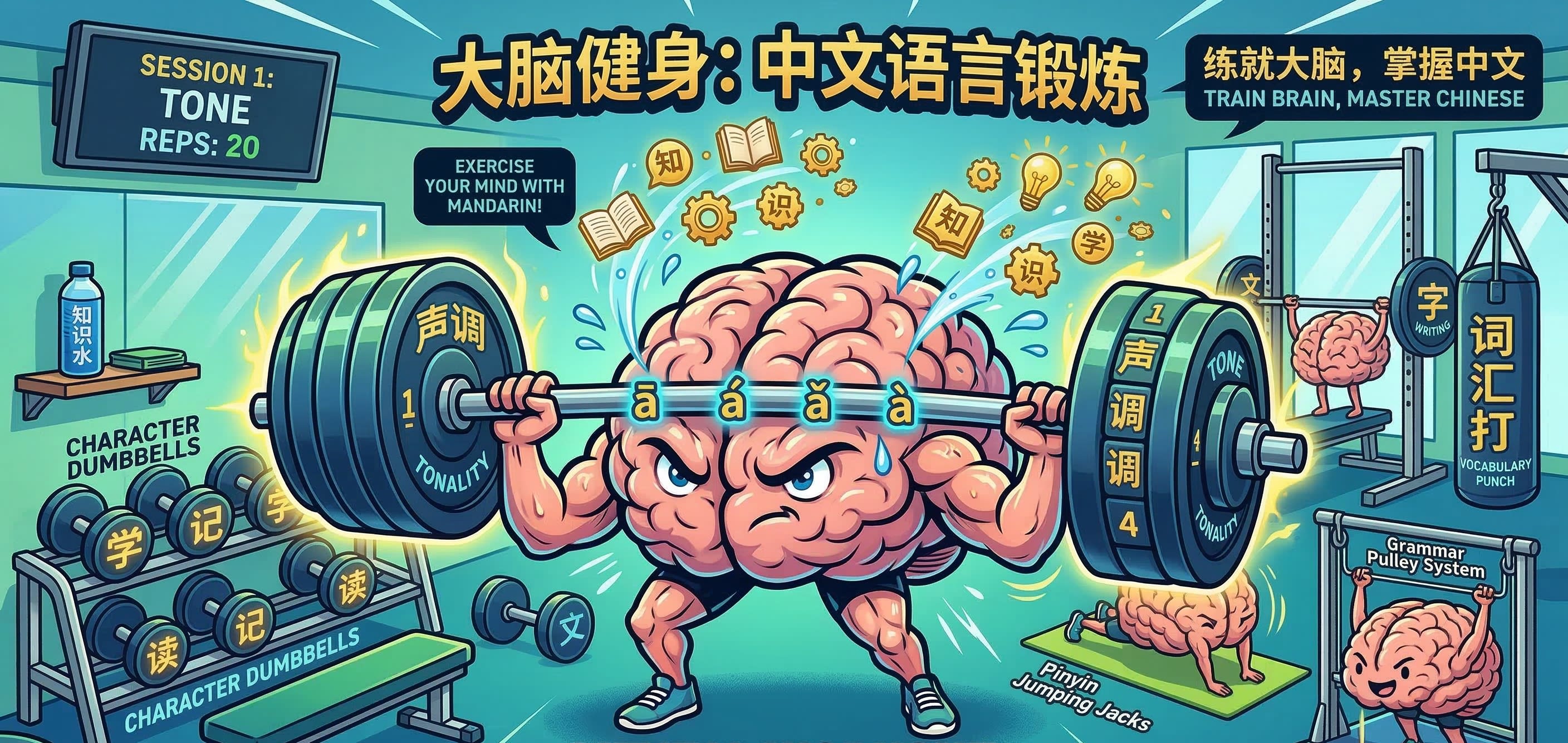
The structure of the Chinese language is vastly different from Indo-European languages. It demands a different kind of logical thinking. You aren’t just memorizing vocabulary; you are decoding a system of logograms where the meaning is often built into the structure of the character itself. This forces your brain to process visual information, rhythmic tones, and context simultaneously.
It also teaches you a virtue that is rapidly vanishing in our “instant gratification” world: patience. You cannot speed-run Chinese. You have to sit with it, make mistakes, and accept that on some days, you will feel like you have forgotten everything. But in that vulnerability, you grow. You develop a level of cognitive flexibility that stays with you, long after you put the book down.
Part 4: Building Connections that Transcend Borders
Language, at its most fundamental level, is the bridge between two human hearts.
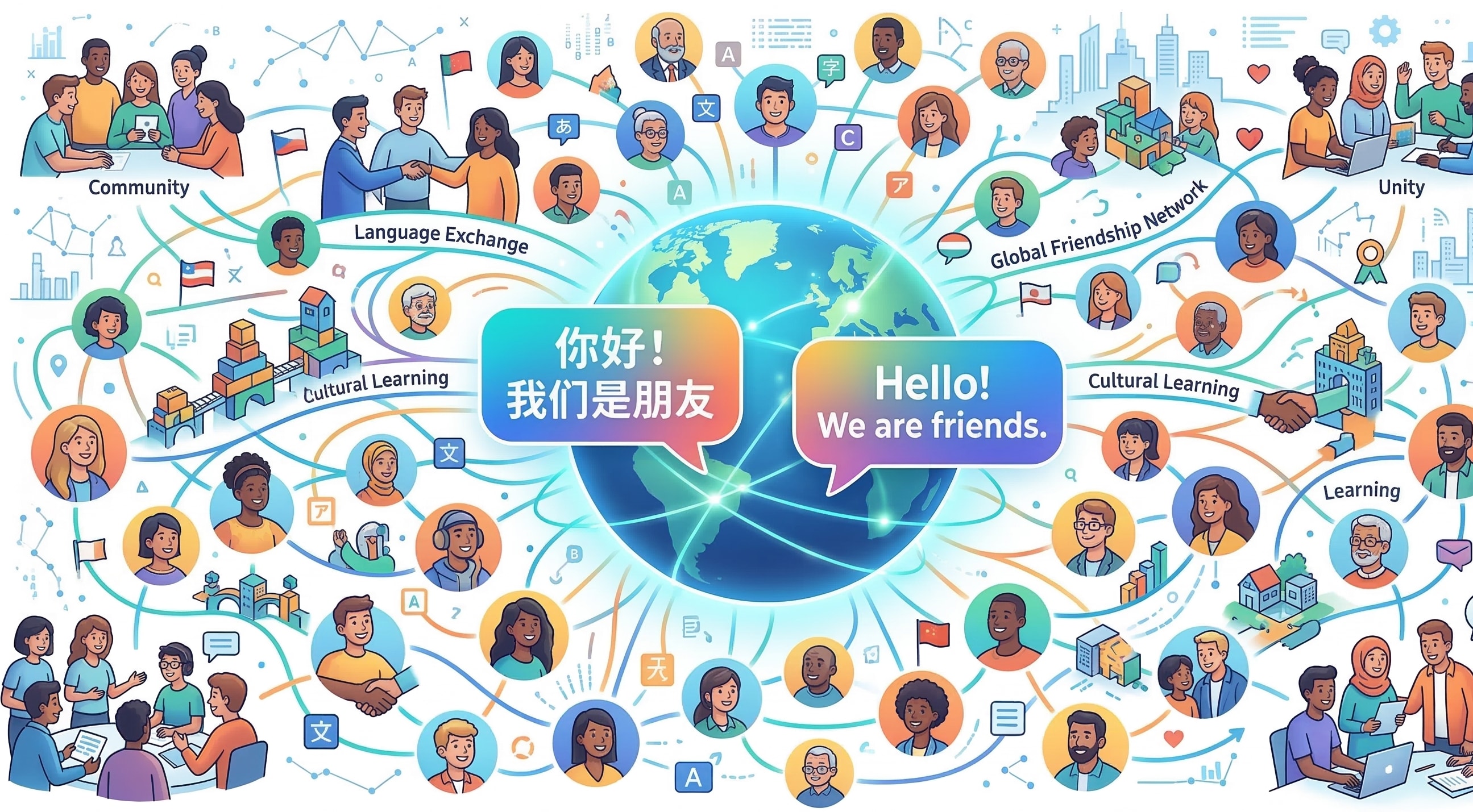
When you approach a native speaker in their own tongue, you are not just exchanging information; you are offering a gesture of profound respect. You are saying, I care enough about your identity to learn how to express myself in your world. I’ve found that this completely transforms interactions—from the way an ayi (阿姨 - auntie/middle-aged woman) talks to you in the market to the way a local friend opens up about their life.
If you are looking to start connecting, you don’t need to be fluent to begin. In fact, most of the magic happens while you are still stumbling through the basics.
Why You Should Start Your Journey Today
To help you navigate this, I have summarized the core pillars of why I believe everyone should at least touch the surface of this language:
| Benefit | Long-Term Impact |
|---|---|
| Professional Edge | Builds trust and opens doors in global commerce. |
| Cultural Depth | Access to history, literature, and cinema in the original. |
| Mental Fitness | Improves problem-solving and cognitive flexibility. |
| Human Connection | Creates authentic, respectful bonds across cultures. |
Taking the First Step
If you are finally ready to move past the “should I?” phase, you need a plan that won’t overwhelm you. You don’t need to learn ten thousand characters in a week; you just need to start with the right mindset.
The biggest mistake I see beginners make is skipping the fundamentals of sound. If you are serious about this, make sure you spend plenty of time on your pronunciation. It might feel repetitive, but it is the foundation of everything that follows. For those ready to commit to a routine, we have laid out exactly how to structure your studies in our guide, “Your First Month: A Step-by-Step Chinese Learning Plan”.
Stop waiting for the “perfect time.” The best time to start was yesterday, but the second-best time is today. Dive into the language, be kind to yourself when you fail, and enjoy the discovery. The world is much wider than you think.