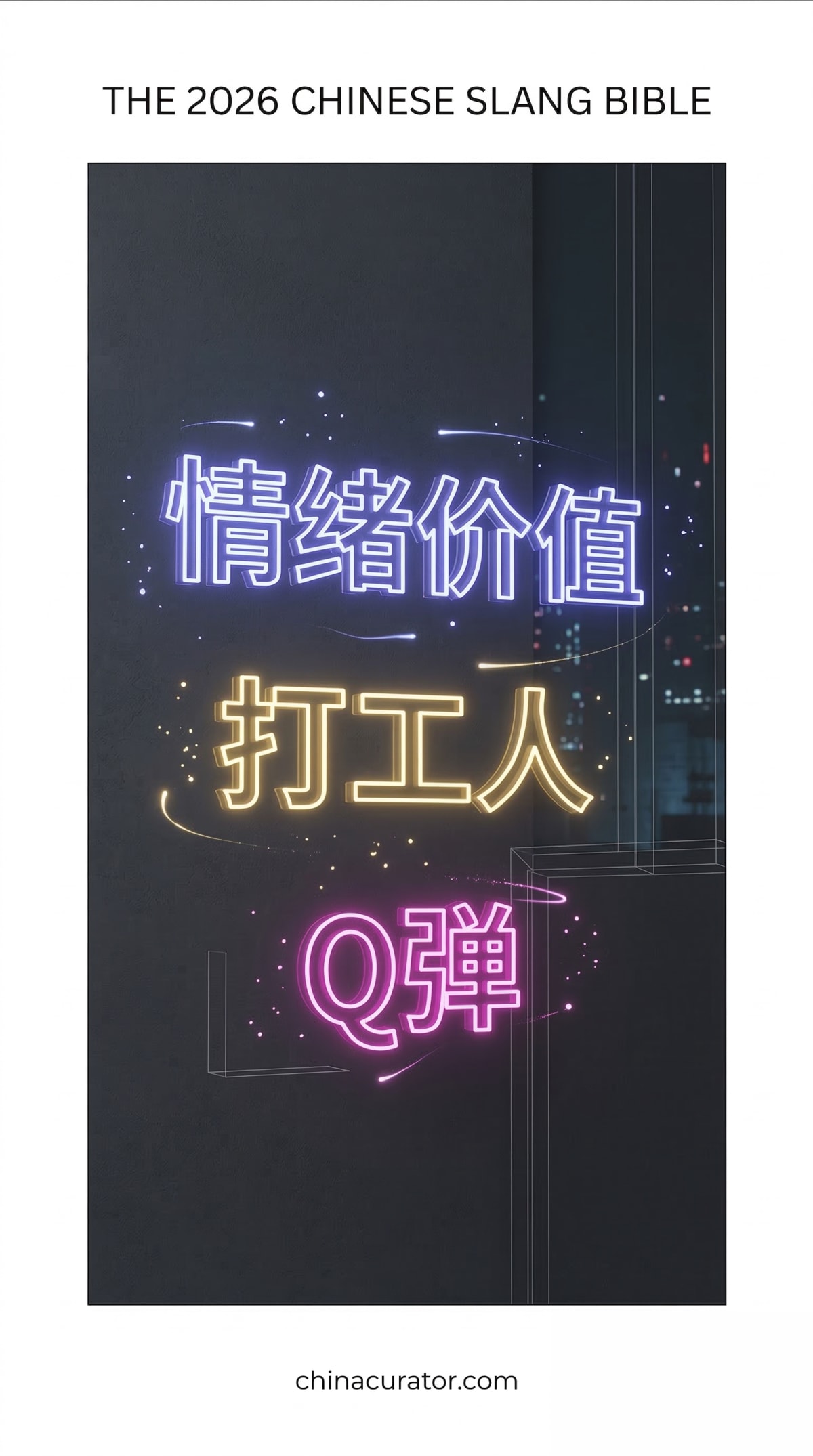
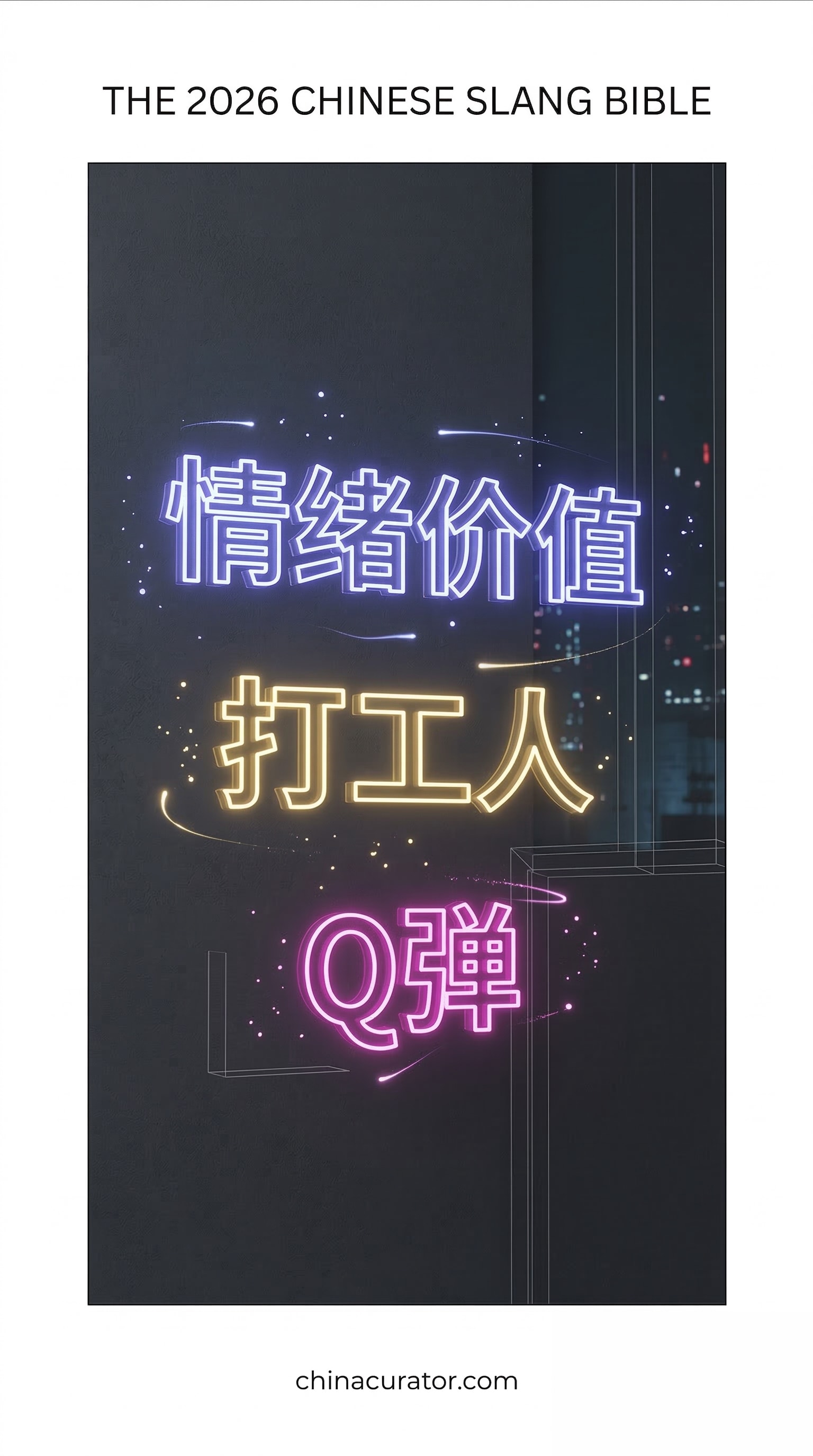
“You’ve spent years mastering tones and memorizing radicals, but the moment you sit down with a group of Gen-Z friends in Shanghai, you feel like you’re listening to an encrypted broadcast. In 2026, the Chinese language is evolving at light speed. If you’re still saying ‘Nǐ hǎo ma?’, you’re living in a different era. To truly connect, you need the ‘Slang Bible’—the 10 phrases that define the modern Chinese soul. From the resilience of the Working Stray to the culinary obsession with Q-Bomb textures, these words are your keys to the social kingdom in the Year of the Horse.”
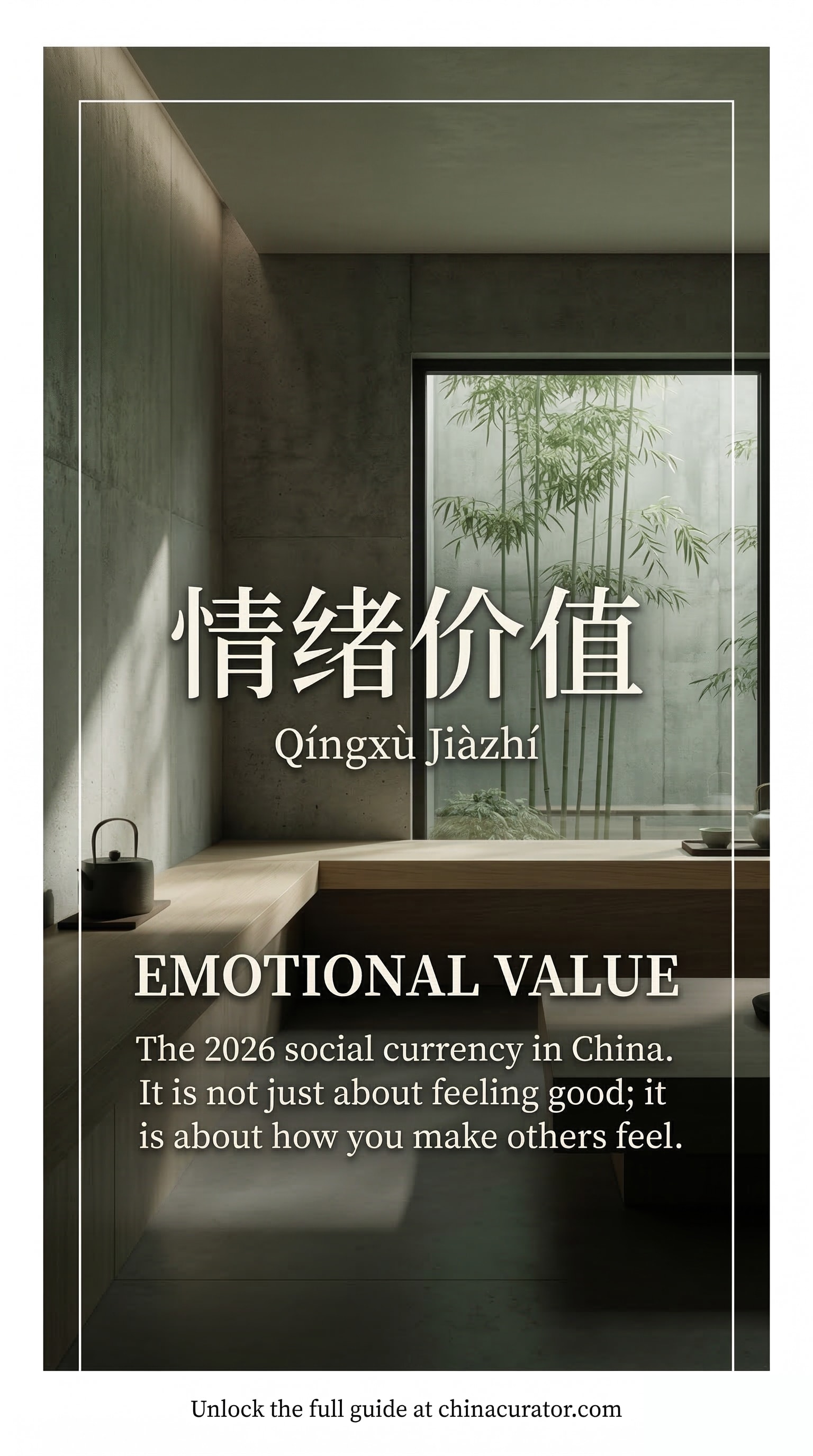
💎 1. Emotional Value (情绪价值 - Qíngxù Jiàzhí)
If there is one phrase that dominates Chinese social media in 2026, it is Qíngxù Jiàzhí. Originally a psychology term, it has become the ultimate “social currency” (社交货币).
- The Meaning: It refers to a person’s ability to provide positive emotional support and comfort to others. In the high-pressure environment of 2026, being “productive” is less important than being “emotionally valuable.”
- How to use it: If you want to compliment a friend who always listens, say: “Tā de qíngxù jiàzhí hěn gāo” (他/她的情绪价值很高). It’s the highest form of praise for a partner, a friend, or even a brand.
- Why it matters: It shows you understand that modern Chinese relationships are no longer just about utility; they are about mental well-being and connection.
🏃 2. City Walk (城市漫步 - Chéngshì Mànbù)
Forget traditional sightseeing. In 2026, we don’t do “tours”; we do City Walks.
- The Meaning: A curated, aimless-but-intentional stroll through a city’s historical alleys and modern hidden gems. It’s a rebellion against the “touch-and-go” tourism of the past.
- The Vibe: It’s about finding the Fēnwéigǎn (氛围感 - Vibe/Aesthetic). Whether it’s a Beijing Hutong or the vertical layers of Chongqing, a City Walk is about feeling the city’s pulse.
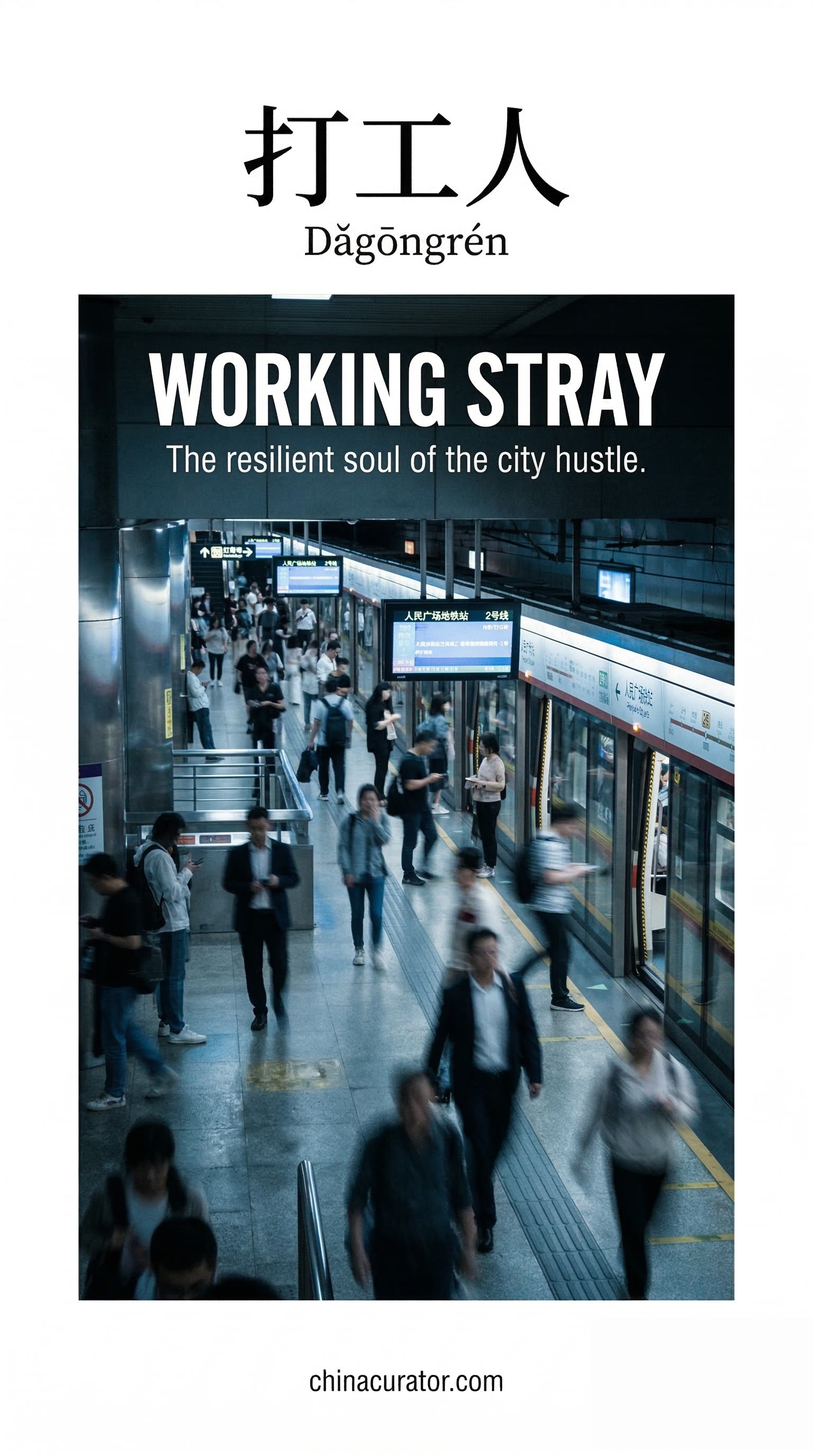
🐈 3. Working Stray (打工人 - Dǎgōngrén)
The most resilient self-deprecating label in modern China. While your textbook calls you a “Staff Member” (职员), the internet calls you a Working Stray.
- The Meaning: It encapsulates the shared struggle of the urban hustle. It’s a badge of honor for anyone who punches a clock, from delivery drivers to tech CEOs.
- The Context: It’s about the humor in the struggle. When you say, “Zǎo’ān, dǎgōngrén!” (早安,打工人!- Good morning, fellow stray!), you are instantly signaling that you are “one of us.” It’s the ultimate icebreaker in any office or Chinamaxxing co-working space.
🌀 4. Involution (内卷 - Nèijuǎn)
If “Working Stray” is the humor, Nèijuǎn is the reason for the sigh.
- The Meaning: Originally an anthropological term, it now describes hyper-competition that leads to burnout with no real progress. It’s 100 people fighting for 1 spot, all working 16 hours a day for the same result.
- The 2026 Shift: In the Year of the Horse, many are trying to “un-involutionize” their lives. Understanding this word helps you decode the social fatigue often discussed in coffee shops and teahouses.

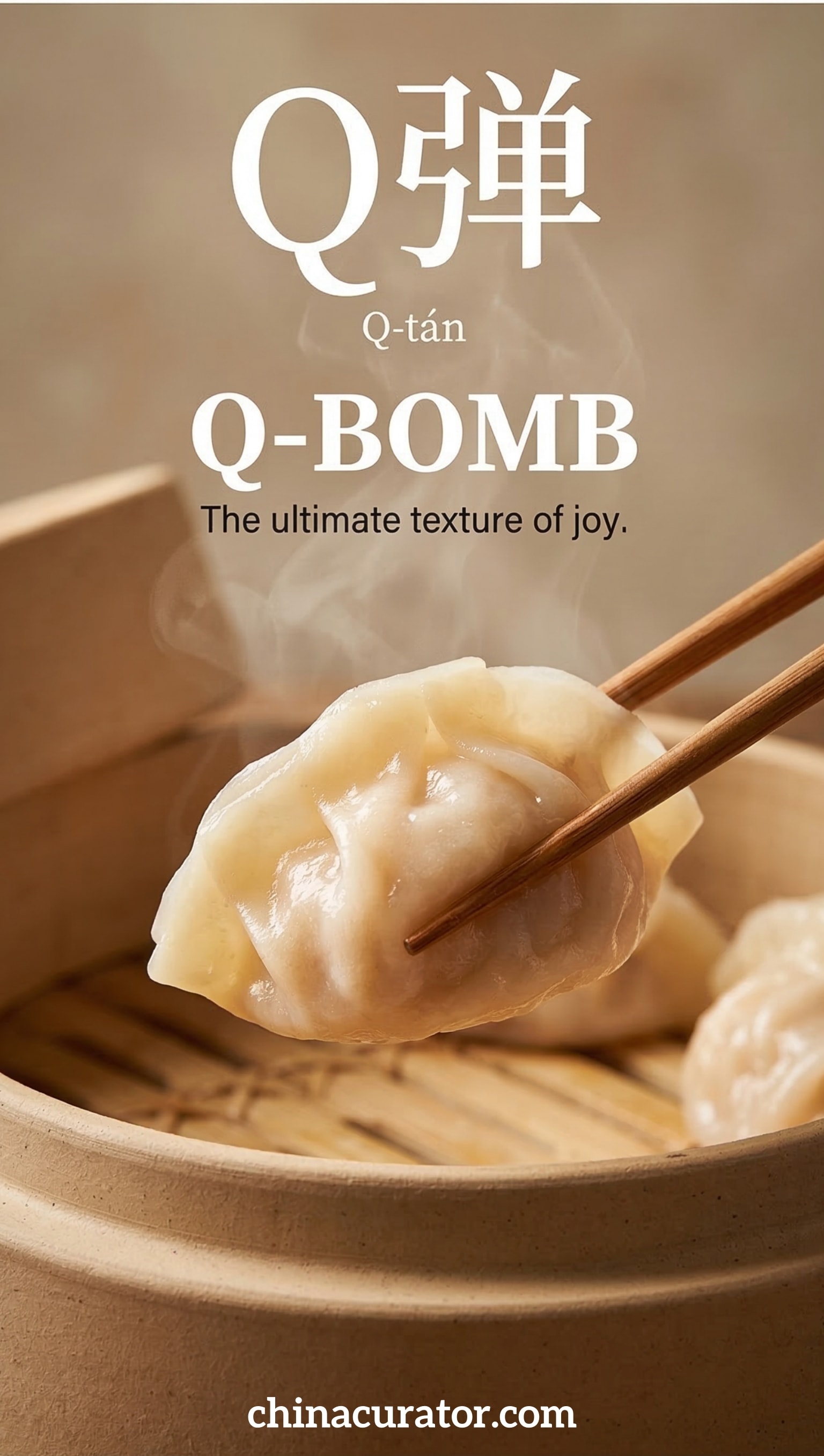
🍜 5. Q-Bomb (Q弹 - Q-tán)
This is the only way to describe the perfect texture of Chinese food.
- The Meaning: Bouncy, elastic, and perfectly chewy. Whether it’s handmade noodles, boba pearls, or fish balls, if it isn’t Q-tán, it isn’t worth a post on social media.
- The linguistic hack: The “Q” comes from the Hokkien word for “chewy.” It’s the only time an English letter is a mandatory part of your food vocabulary.
🛋️ 6. Lying Flat (躺平 - Tǎngpíng)
The ultimate protest against Nèijuǎn.
- The Meaning: To “Lie Flat” is to do the bare minimum to survive and refuse to participate in the hyper-competitive grind. It’s a philosophical stance on work-life balance that has defined a generation.
- The 2026 Update: While some call it laziness, most see it as a “Mental Health Reset.” It’s a common topic of debate when discussing the Slow Life in places like Yunnan.
🤝 7. Companion (搭子 - Dāzi)
In 2026, we don’t always need “best friends”; we need Dāzi.
- The Meaning: A specialized “companion” for a specific activity. You can have a “Meal Companion” (饭搭子), a “Hiking Companion,” or even an “Emotional Companion” (情绪搭子).
- Why it works: It’s social interaction with zero pressure. You meet for the activity, enjoy it, and go your separate ways. It is the most efficient way to socialize in a digital-first society.
🤲 8. Pán (盘)
To “handle,” “rub,” or “master” something.
- The Origin: Originally used by Wenwan enthusiasts to describe the meditative act of rubbing beads or gourds to develop a patina.
- The Modern Use: It now means to take control of a project or to “deal with” a person. “Wǒ yào pán yī xià zhège xiàngmù” (I need to ‘handle’ this project).
✨ 9. Vibe / Aesthetic (氛围感 - Fēnwéigǎn)
The word that decides whether a place is “Instagrammable” (or rather, “Xiaohongshu-able”).
- The Meaning: It refers to the mood, lighting, and overall “feel” of a place. A cafe with low lighting and jazz music has Fēnwéigǎn.
- Usage: If you go on a City Walk and find a hidden bookstore, you’d say, “Zhèlǐ hěn yǒu fēnwéigǎn” (This place has a great vibe).
🐟 10. Touching Fish (摸鱼 - Mōyú)
The classic art of slacking off at work.
- The Meaning: Derived from the proverb “fishing in troubled waters,” it means to do non-work activities while on the clock.
- The 2026 Reality: Every Working Stray knows the best way to survive Involution is a little bit of daily Mōyú.
Final Thoughts from Yifan
Language is the soul of a culture. By the time a word reaches an HSK textbook, it’s often already outdated. To truly experience 2026 China, you have to embrace the messy, funny, and deeply human language of the internet. So, go out there, find your Meal Companion, take a City Walk, and don’t forget to offer some Emotional Value.
㊗️ Happy learning, and may your Chinese always be ‘Q-Bomb’ smooth!
Ready to put your new slang into practice?

