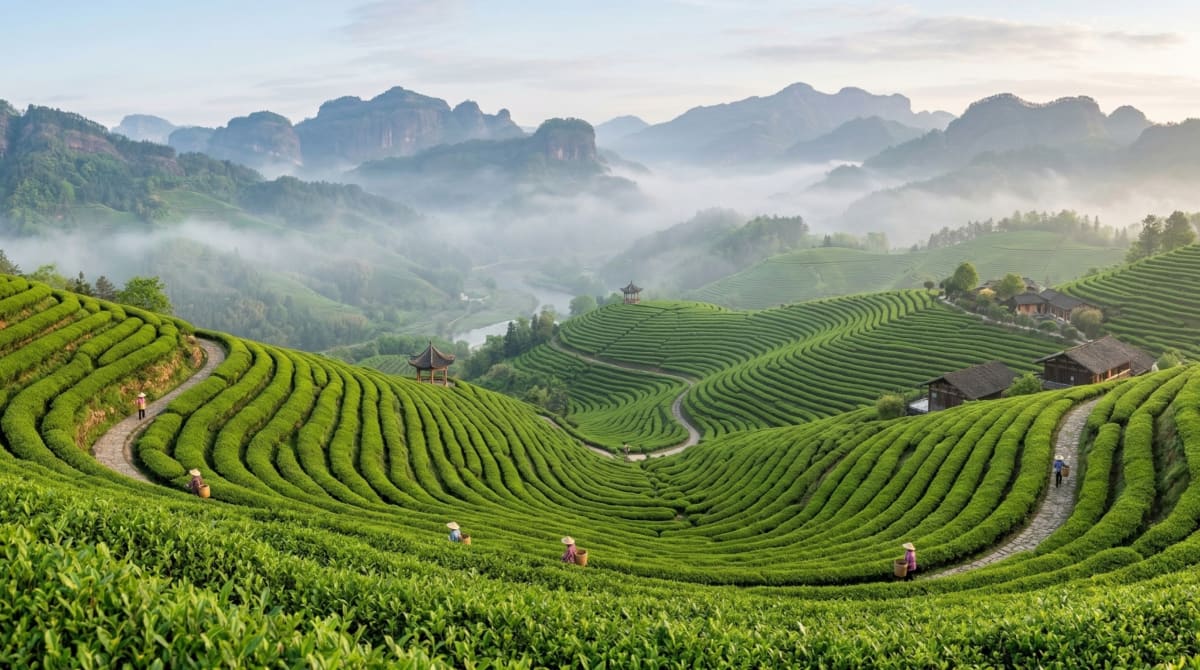
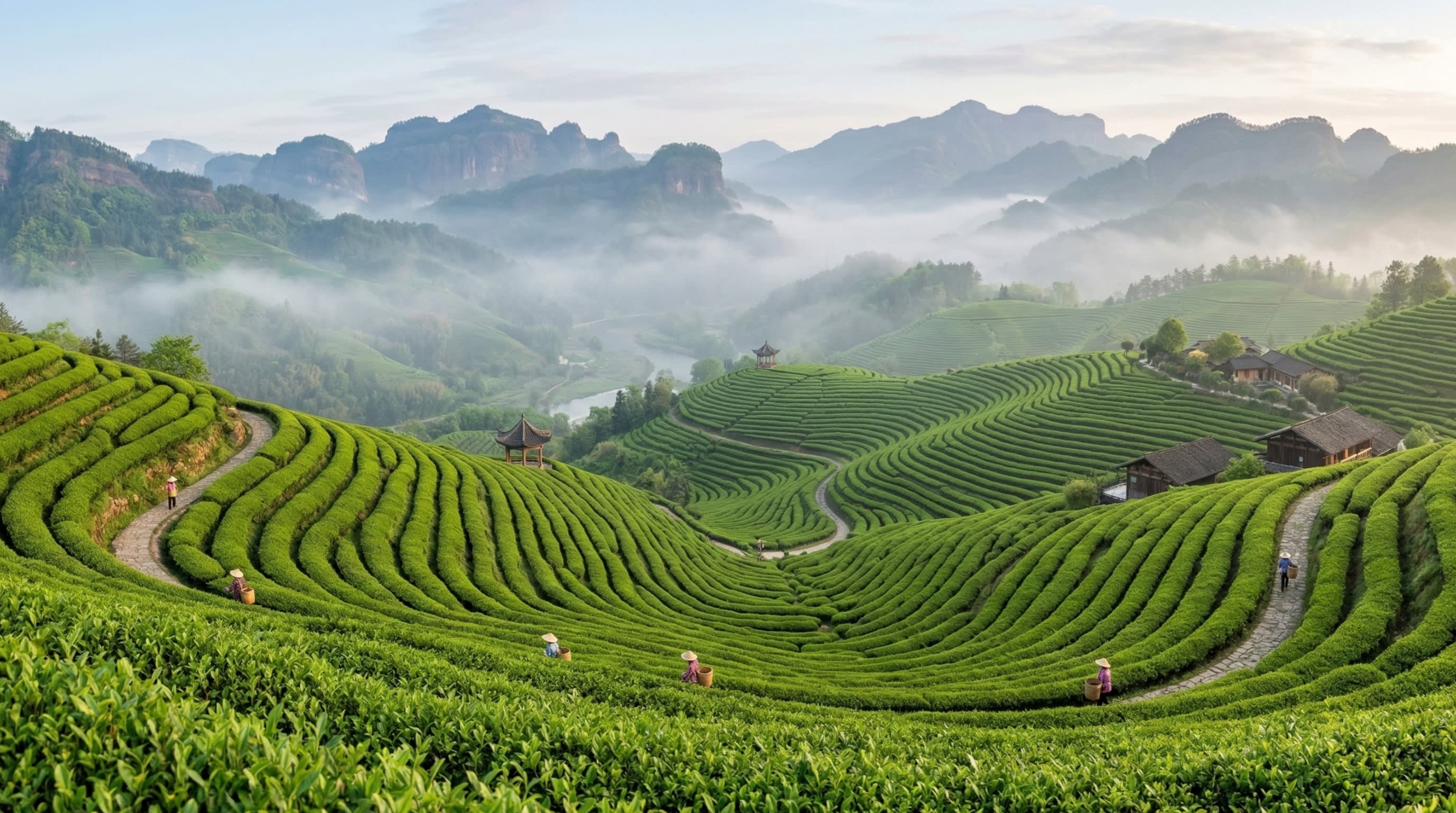
In the West, cemeteries are often shrouded in the aesthetics of shadows and the macabre. Because of this, when foreign travelers first hear about China’s Qīngmíng Jié (清明节)—the Tomb-Sweeping Festival—they naturally assume it is a dark, somber, and spooky holiday. I remember my own first experience in rural Anhui; I expected a day of heavy silence, but I found a landscape vibrating with the frantic, beautiful energy of spring.
Falling on April 4th or 5th, this is the only Chinese holiday that doubles as one of the 24 Solar Terms. Its name translates to “Pure and Bright,” and it defines a beautiful duality: we shed tears for those who have passed, and then, without pause, we step into the sun to celebrate the undeniable, irrepressible force of new life.
🌧️ 1. The Poetry of Sorrow: Sweeping the Tombs
To understand Qingming, you must grasp the depth of Chinese filial piety. It is an active, ongoing relationship with those who came before us. The most iconic poem associated with this day was written over a thousand years ago by the Tang Dynasty poet Du Mu:
“A drizzling rain falls like tears on the Mourning Day;
The mourner’s heart is going to break on his way.
Where can a wine shop be found to drown his sad hours?
A cowherd points to a cot ‘mid apricot flowers.”
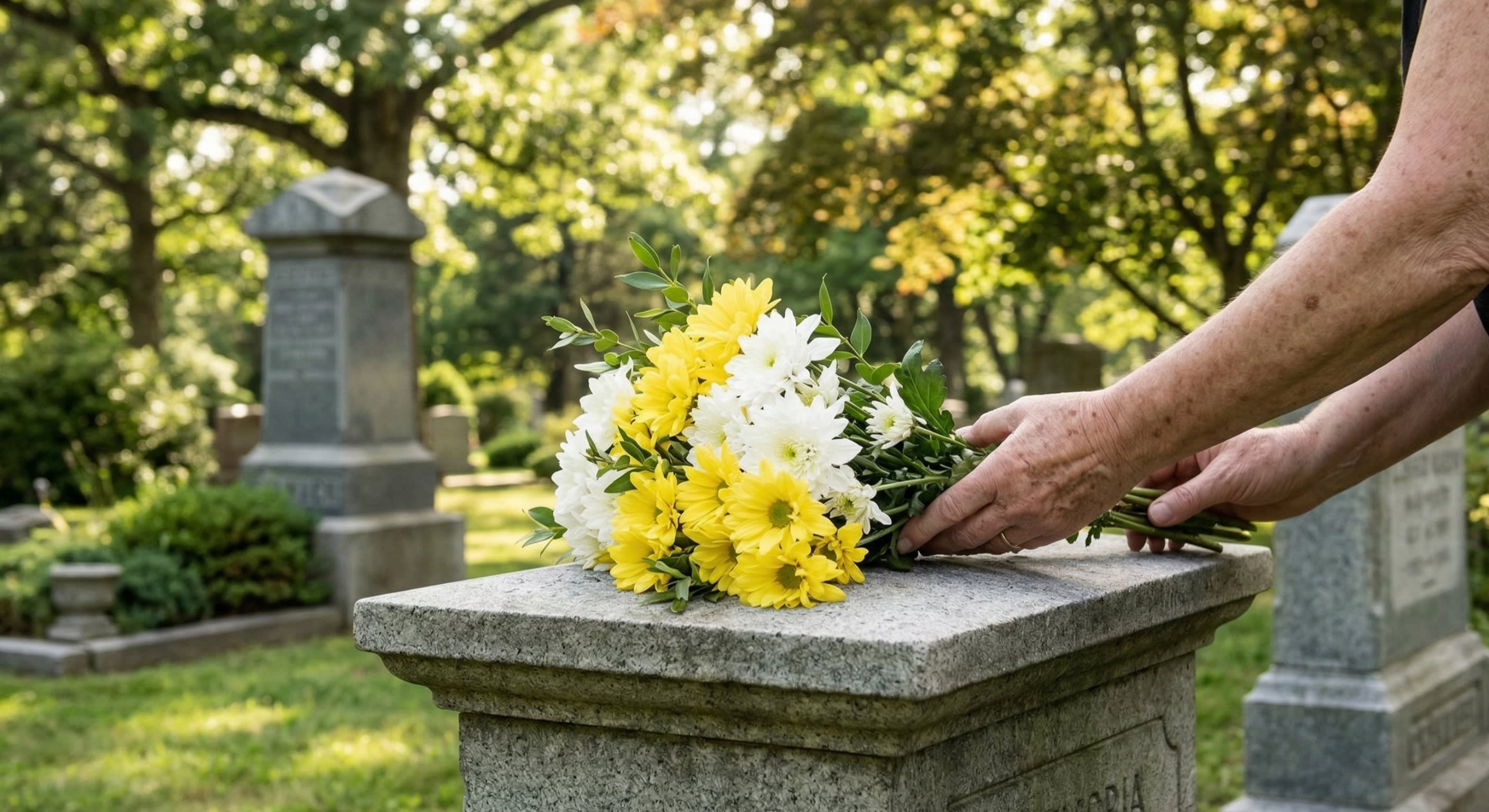
On Qingming, families travel to graveyards or columbariums to perform Sǎomù (扫墓), or “tomb sweeping.” It is not a grim duty; it is a family reunion. We pull weeds, wipe down headstones, and arrange fresh chrysanthemums—the classic yellow and white blooms that signify respect. We lay out a feast of the ancestors’ favorite snacks—sometimes even a modern favorite like a chilled cola—and light the incense.
Finally, we burn Zhǐqián (纸钱)—the joss paper or “spirit money.” As the orange flames flicker and the thin, gray smoke drifts toward the sky, we believe it carries wealth into the afterlife. It is a quiet, rhythmic way to ensure that the dead are never truly gone, because they are never forgotten. It feels less like a funeral and more like a conversation.
🌸 2. Tàqīng (踏青): Stepping on the Green
Once the ritual is complete, the atmosphere shifts with startling speed. The mourning ends, and the celebration of the living begins.
Because Qingming falls in early April, it marks the moment the harsh winter is officially defeated. The grass is a neon, vibrant green, and peach blossoms are exploding in the breeze. Families engage in Tàqīng (踏青), which literally means “stepping on the green.”
Ancient Chinese philosophy is obsessed with the balance of Yin and Yang. Death and Life must coexist. By leaving the graveyard to enjoy a picnic in a blooming park, we honor the dead by showing them that the family line is still healthy, happy, and flourishing. It is a necessary act of optimism.
🪁 3. Flying Kites: Cutting the Strings of Bad Luck
If you visit any park in China during Qingming, you must look up. The sky is a riot of color, filled with hundreds of kites (Fēngzhēng 风筝).
Historically, kite flying was a superstitious ritual. People believed the spring winds could carry away illness. They would write the names of their ailments or misfortunes on the fabric of the kite, fly it as high as the wind allowed, and then—in a dramatic moment—cut the string. As the kite drifted away into the clouds, the bad luck was believed to depart with it.
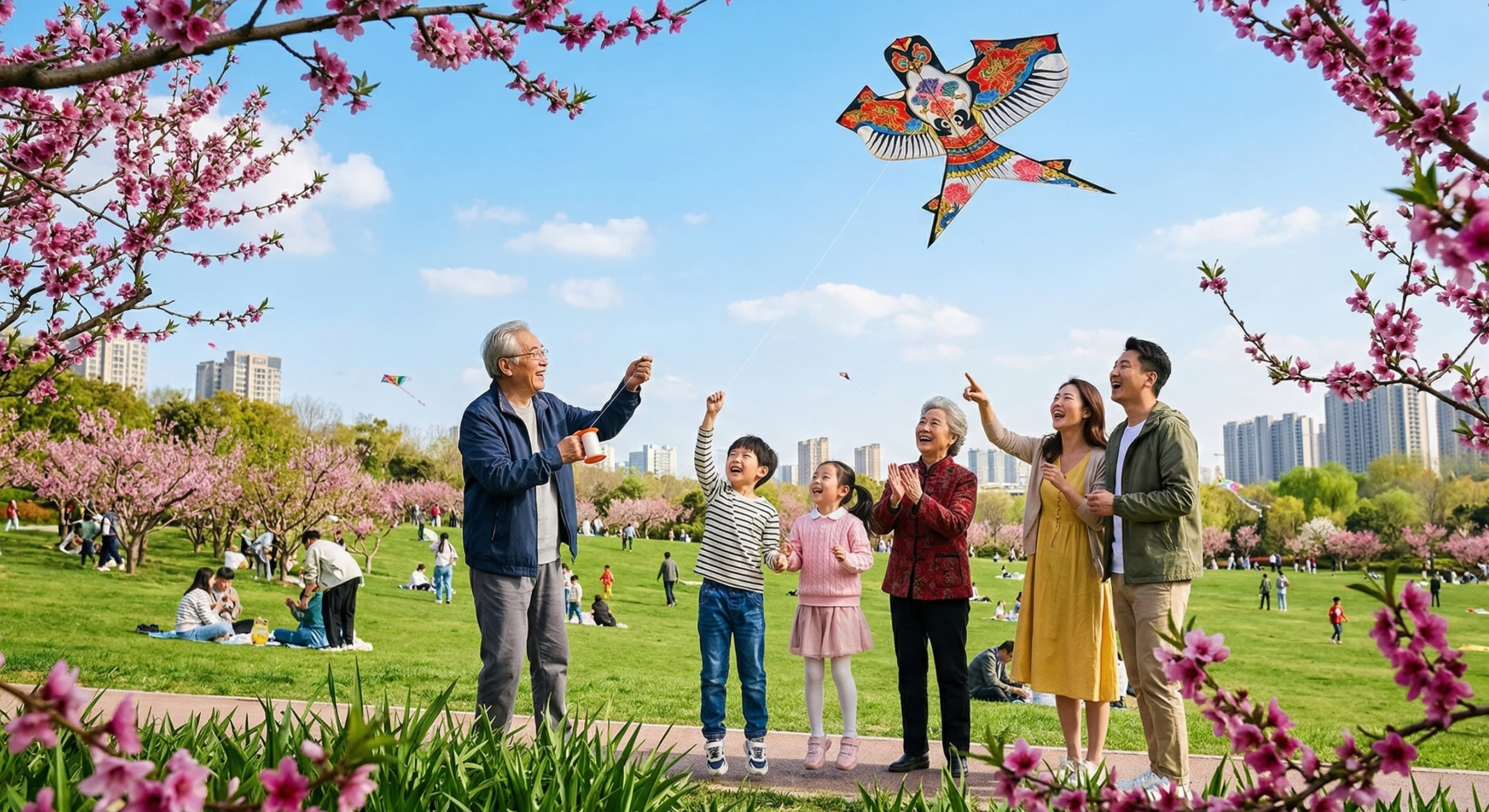
While the superstition has faded, the visual remains a staple of the season. Seeing an intricately painted swallow or a massive, undulating dragon dancing in the breeze is, in my opinion, the definitive image of spring in China.
🍡 4. Qīngtuán (青团): The Taste of Spring
Every Chinese festival demands a specific food. For Qingming, the star is the Qīngtuán (青团)—the Green Dumpling.
You won’t find a food that looks more like spring. It is a glossy, emerald-green ball of glutinous rice flour. The vibrant color comes from the juice of fresh mugwort leaves (Àicǎo 艾草) or barley grass, which are crushed and folded into the dough, providing a distinct, earthy, herbaceous aroma.
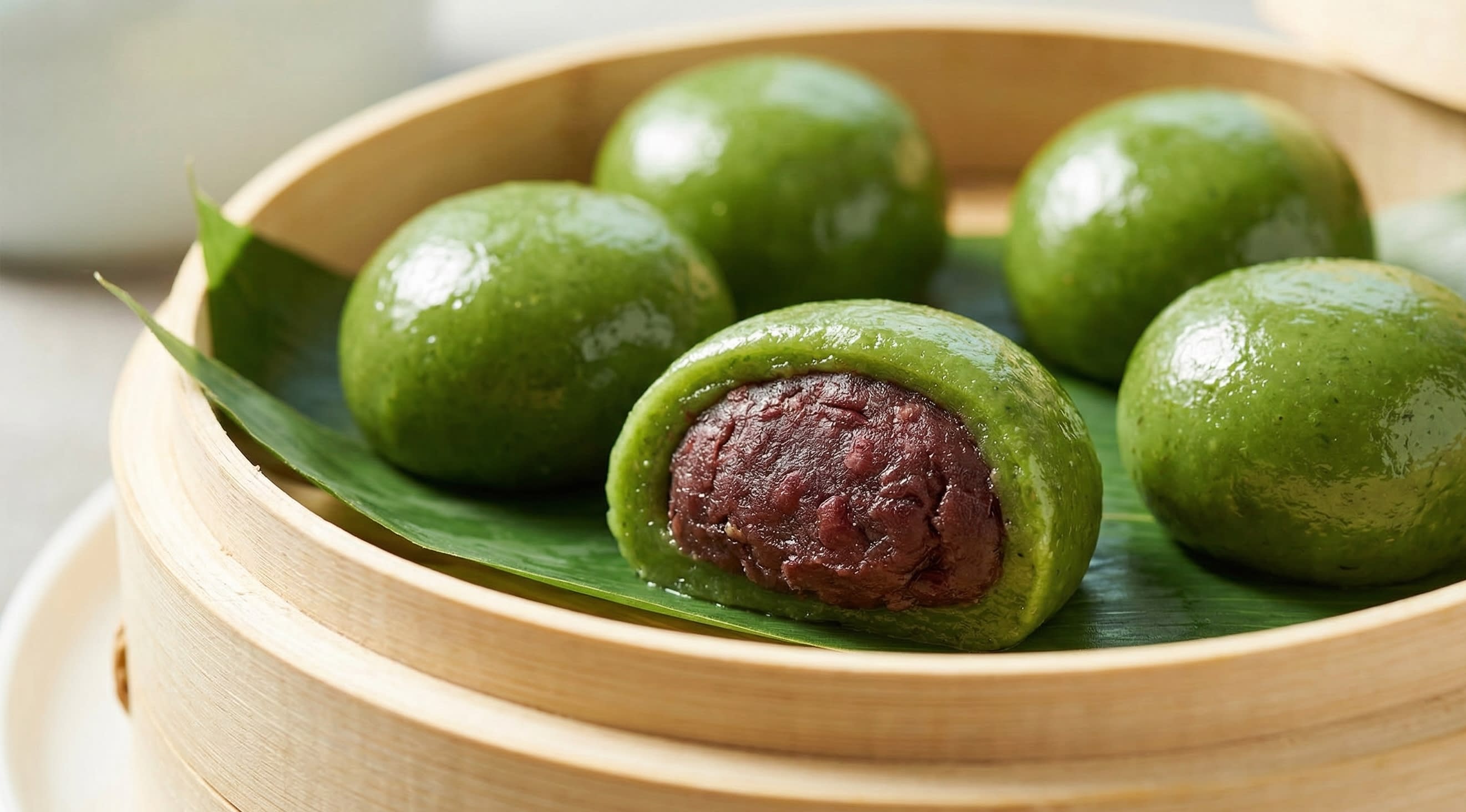
Traditionally, these are filled with sweet red bean paste. Recently, however, there has been a culinary revolution; the most sought-after variety today is filled with salted egg yolk mixed with savory, thread-like dried pork floss.
Qingtuan is traditionally eaten cold. This stems from the ancient Hanshi (Cold Food) Festival, a precursor to Qingming, which commemorates a legendary figure who died in a fire. To show respect, people once refrained from lighting fires for three days. Today, we simply enjoy the delicious, cooling legacy of that tradition.
🍵 5. The Gold Standard: Mingqian Tea (明前茶)
For tea lovers and curators of Chinese culture, the word “Qingming” triggers a frantic market rush for Míngqián Chá (明前茶), or “Pre-Qingming Tea.”
In the world of Chinese green tea—especially the famous Longjing (Dragon Well)—timing is everything. Leaves plucked before the festival are the highest quality of the year.
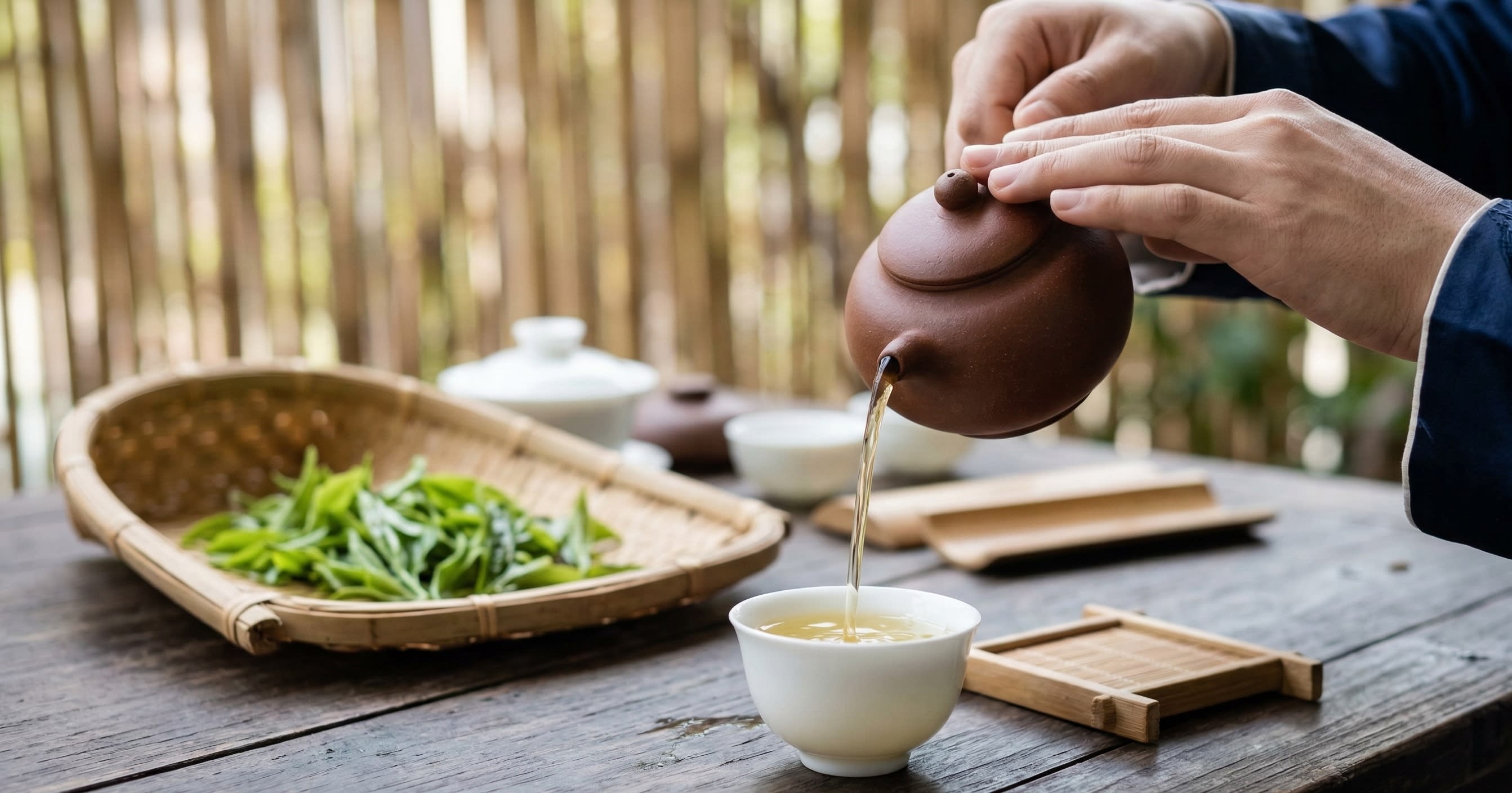
The Science of the Leaf: Before the spring rains arrive, the temperature stays cool. The tea bushes grow slowly, allowing the buds to concentrate high levels of amino acids while keeping catechin levels (which cause bitterness) very low. Because it is still too cold for bugs, the tea is organic by default. If you enjoy a delicate, floral cup, it is worth searching for some loose leaf green tea to capture that essence of spring.
💬 6. Essential Qingming Vocabulary
If you are traveling through China in early April, you will likely hear these terms:
| Term | Pinyin | Context |
|---|---|---|
| 扫墓 | Sǎomù | Tomb-sweeping; the act of visiting and cleaning a grave. |
| 踏青 | Tàqīng | "Stepping on the green"; enjoying a spring excursion. |
| 青团 | Qīngtuán | Green glutinous rice balls, the essential festival snack. |
| 纸钱 | Zhǐqián | Spirit money burned as an offering to ancestors. |
Final Thoughts from the Curator
The Qingming Festival is a masterclass in emotional equilibrium. It teaches us that to fully appreciate the warmth of the spring sun, we must make space to remember those who are no longer here to feel it. It is a day that weaves the past and the future together with the tether of a kite string. If you find yourself in China in early April, don’t shy away from the smoke rising from the graveyards. Buy a sweet Qingtuan, pour a cup of delicate spring tea, and step out into the green world to celebrate the beautiful, unbreakable cycle of life.
㊗️ Wishing you a peaceful, pure, and bright Qingming Festival!
Planning to travel during this beautiful season? Check out our guide on Chasing Spring: Tea Picking and Ancient Towns During the Qingming Holiday or explore how Qingming fits into the 24 Solar Terms of the Chinese Calendar.
Disclaimer: As an Amazon Associate, ChinaCurator earns from qualifying purchases.