
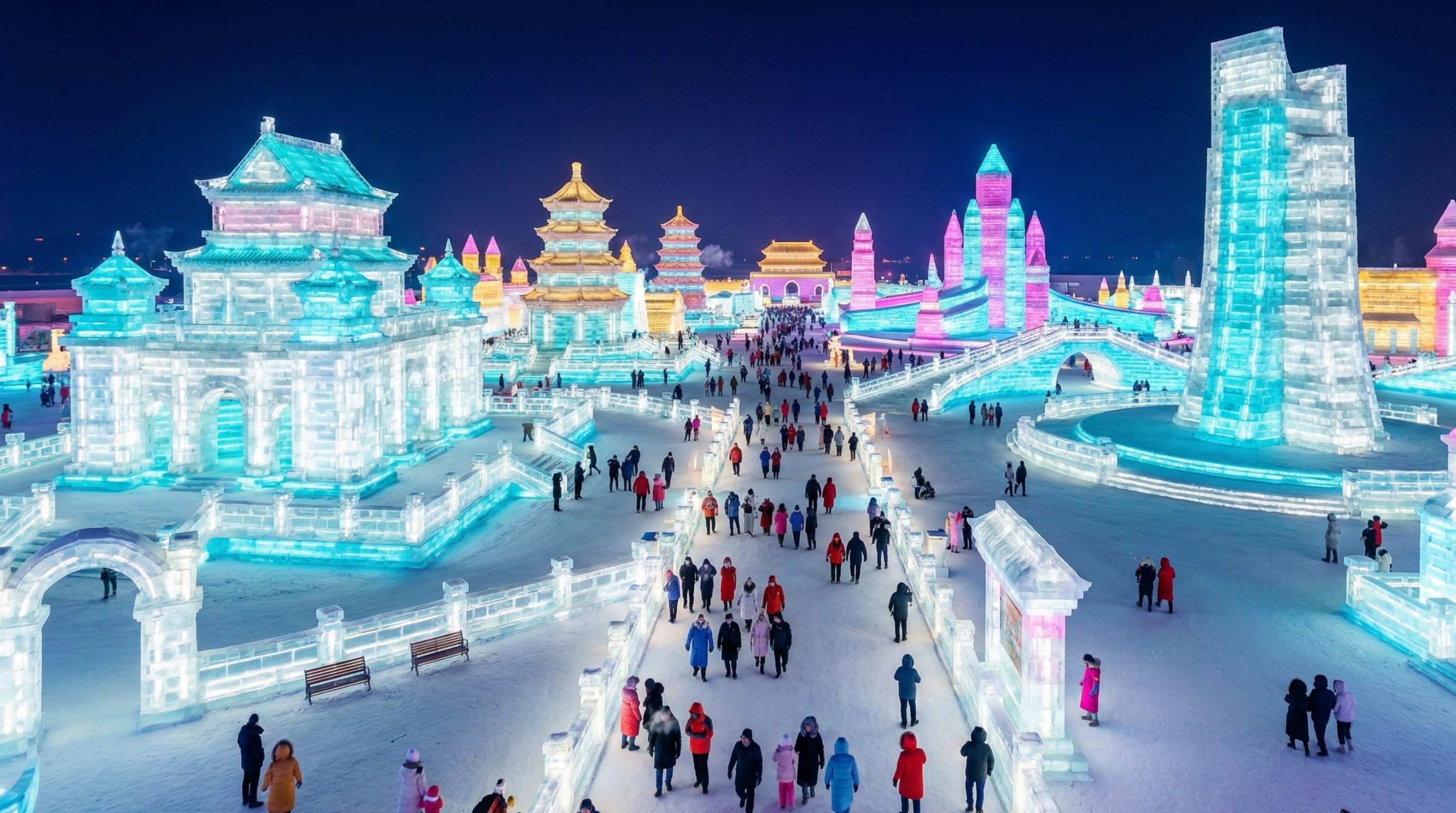
“In China, January is the month of the great contrast. We call it the period of Bīnghuǒ liǎngtìnyán (冰火两重天)—literally ‘the two heavens of ice and fire.’ While the northern provinces transform into a glittering kingdom of frost, the southern tip of the country remains a lush, tropical sanctuary. It is a time for Māodōng (猫冬 - ‘catting’ the winter), huddling around a steaming hot pot, and witnessing the sheer resilience of nature. In 2026, the Year of the Horse, January serves as the grand prelude to the Spring Festival, filled with anticipation and crystalline beauty.”
⛅ January Weather: The “Sanjiu” Chill
January is officially the coldest month of the year in China. It contains the period known as Sānjiǔ (三九)—the three nine-day periods after the winter solstice that are traditionally considered the “bone-chilling” peak of winter. However, because China spans so many latitudes, your experience will depend entirely on which direction you head.
| Region (地区) | Avg Temp | Climate Character |
|---|---|---|
| Far North (Harbin, Jilin) | -15°C to -35°C | Extreme dry cold, frozen rivers, and clear starry nights. |
| Central (Beijing, Xi'an) | -8°C to 5°C | Dry, windy, and crisp. Perfect for seeing snow on ancient roofs. |
| Far South (Sanya, Xishuangbanna) | 18°C to 26°C | Eternal summer. Warm ocean breezes and tropical sunshine. |
Native Tip: If you head north, you must master the art of the Nuǎnbǎobǎo (暖宝宝 - adhesive heat patches). Stick them on your base layer (never directly on skin!) to keep your core warm. For photographers, these patches are also essential for keeping your smartphone battery from dying in the sub-zero temperatures.
📍 Top 3 Destinations for January
1. Harbin, Heilongjiang (哈尔滨): The Polar Paradise
January is the absolute peak season for the Harbin International Ice and Snow Sculpture Festival. By now, the Bīngxuě Dàshìjiè (冰雪大世界 - Ice and Snow World) is in full, neon-lit glory.
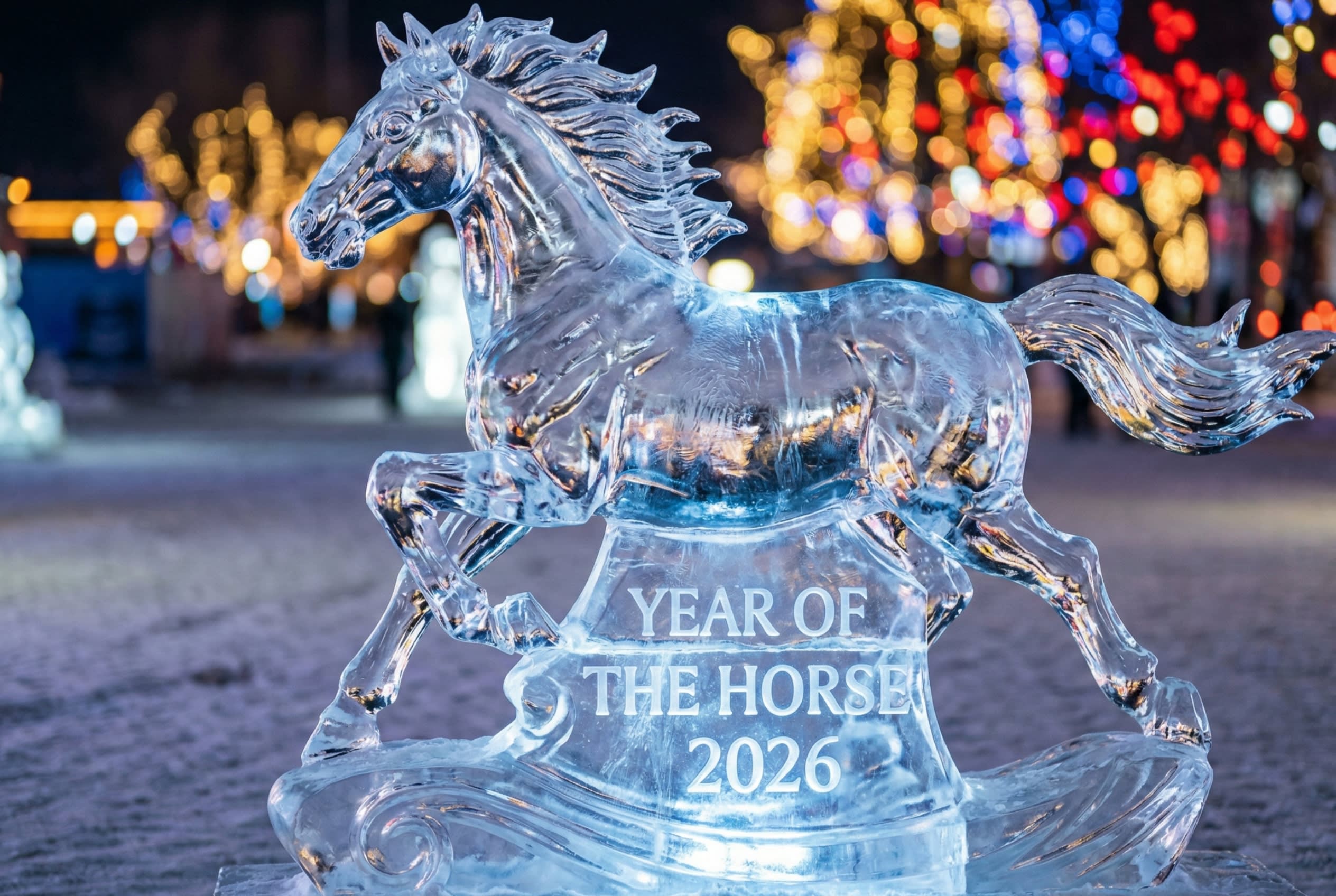
- The Experience: Imagine walking through a city made entirely of crystalline ice blocks harvested from the Songhua River. In 2026, many sculptures feature the Year of the Horse motif, with majestic ice stallions frozen in mid-gallop.
- Central Avenue: Wander down the Russian-style Zhōngyāng Dàjiē (中央大街). Even in -20°C, the locals still line up for the famous Mǎdié’ěr (Madie-er) popsicles. It sounds crazy, but eating ice cream in the freezing cold is a Harbin tradition you can’t miss.
- The Food: Try the Dònglí (冻梨 - frozen pears). They are pitch black on the outside but turn into a sweet, icy sorbet when thawed in cold water. It is the ultimate refreshing winter dessert.
2. Sanya, Hainan (三亚): The Tropical Oasis
If the thought of frozen eyelashes makes you shudder, fly to the “Hawaii of the East.” In January, while the rest of China is shivering, Sanya is a paradise of coconut palms and turquoise waves.

- The Experience: Head to Yàlóng Wān (Yalong Bay) for the best resorts or Hòuhǎi (Houhai) if you want a more “surfer-chill” vibe. The water temperature is perfect for swimming, and the seafood is caught fresh every morning.
- Tropical Forests: Visit the Yanoda Rainforest to hike through lush greenery. The humidity here is a welcome relief for your skin after the dry air of the northern winter.
- Sunset Ritual: Watching the sun dip below the South China Sea while sipping fresh coconut water is the best way to forget that it is January.
3. Jilin City, Jilin (吉林市): The Rime Wonderland
Located a few hours south of Harbin, Jilin City offers a more delicate kind of winter beauty: Wùsōng (雾凇 - Rime Ice).
- The Miracle: Rime is a special phenomenon where freezing fog condenses on tree branches, turning the entire riverside into a forest of white coral. It is fragile, ethereal, and looks like a scene from a dream.
- The Best View: Head to Wùsōng Dǎo (Rime Island). On a clear January morning, when the sun hits the frosted trees against the blue sky, it is arguably the most beautiful landscape in Northeast China.
🍲 Tasting January: Warmth from the Inside Out
In January, we eat to “tonify” the body and build a shield against the cold.
- Laba Porridge (Làbā Zhōu 腊八粥): On the Làbā Festival (which falls in January), families cook a rich porridge made of eight different grains, beans, and nuts. It is a warm, hearty tradition that signals the official countdown to the New Year.
- Mutton Hot Pot (Shuàn Yángròu 涮羊肉): Mutton is considered a “warming” meat in Chinese medicine. Sitting around a steaming copper pot with friends is the ultimate social cure for the winter blues.
- Baked Sweet Potatoes (Kǎo Shǔ 烤薯): You will find vendors on almost every street corner in the north selling these from large iron drums. They are cheap, piping hot, and act as a natural hand-warmer before you eat them.
🪵 Cultural Connection: Winter Gourd Care
For enthusiasts of Wenwan gourds, January is a month of high vigilance. The extreme dryness caused by indoor heating and the bitter cold outside can be a “stress test” for your collection.
- Anti-Cracking Protection: Sudden temperature changes are the enemy. If you take your Wenwan gourd outside, ensure it is wrapped in a thick, soft cloth or kept in a padded box to avoid “thermal shock.”
- Humidity Control: The dry air of a heated room can cause organic materials to become brittle. A common trick is to keep a small humidifier near your display or occasionally use a tiny drop of walnut oil to maintain the gourd’s suppleness while you Pán (盘 - meditative handling) it during the long winter nights.
- Winter Maturation: There is a deep satisfaction in sitting by a frosted window, sipping hot tea, and feeling the smooth, warming texture of a well-handled gourd. It is a reminder that beauty takes time and care to mature, even in the harshest seasons.
🚆 Travel Logistics for January 2026
- The Spring Festival Rush (Chūnyùn): In 2026, the Spring Festival falls in mid-February, which means the Chūnyùn travel rush—the world’s largest human migration—will begin in late January. Book your high-speed rail tickets exactly 15 days in advance on the 12306 app.
- Winter Gear: For Harbin, do not skimp on quality. You need “polar grade” boots with thick soles to keep your feet off the frozen ground.
- Digital Readiness: Ensure your Alipay or WeChat Pay is linked. Many outdoor venues in the north now use QR code entries, and you don’t want to be taking your gloves off for too long to handle cash or physical tickets!
💬 Essential January Phrases
| English | 中文 | Pinyin |
|---|---|---|
| It's freezing! | 冻死了! | Dòng sǐ le! |
| I'd like some hot pot. | 我想吃火锅。 | Wǒ xiǎng chī huǒguō. |
| Happy Laba Festival! | 腊八快乐! | Làbā kuàilè! |
Final Thoughts from Jian
January is for the brave and the sun-seekers. It is a month that tests your endurance in the north and rewards your desire for relaxation in the south. Whether you are sliding down a giant ice slide in Harbin or wandering through a tropical garden in Sanya, January will show you the incredible, breathtaking scale of China.
㊗️ Wishing you an epic and warm start to your 2026 journey!
📱 For more live updates on Harbin ice thickness and Sanya travel deals, follow our latest News section.

