
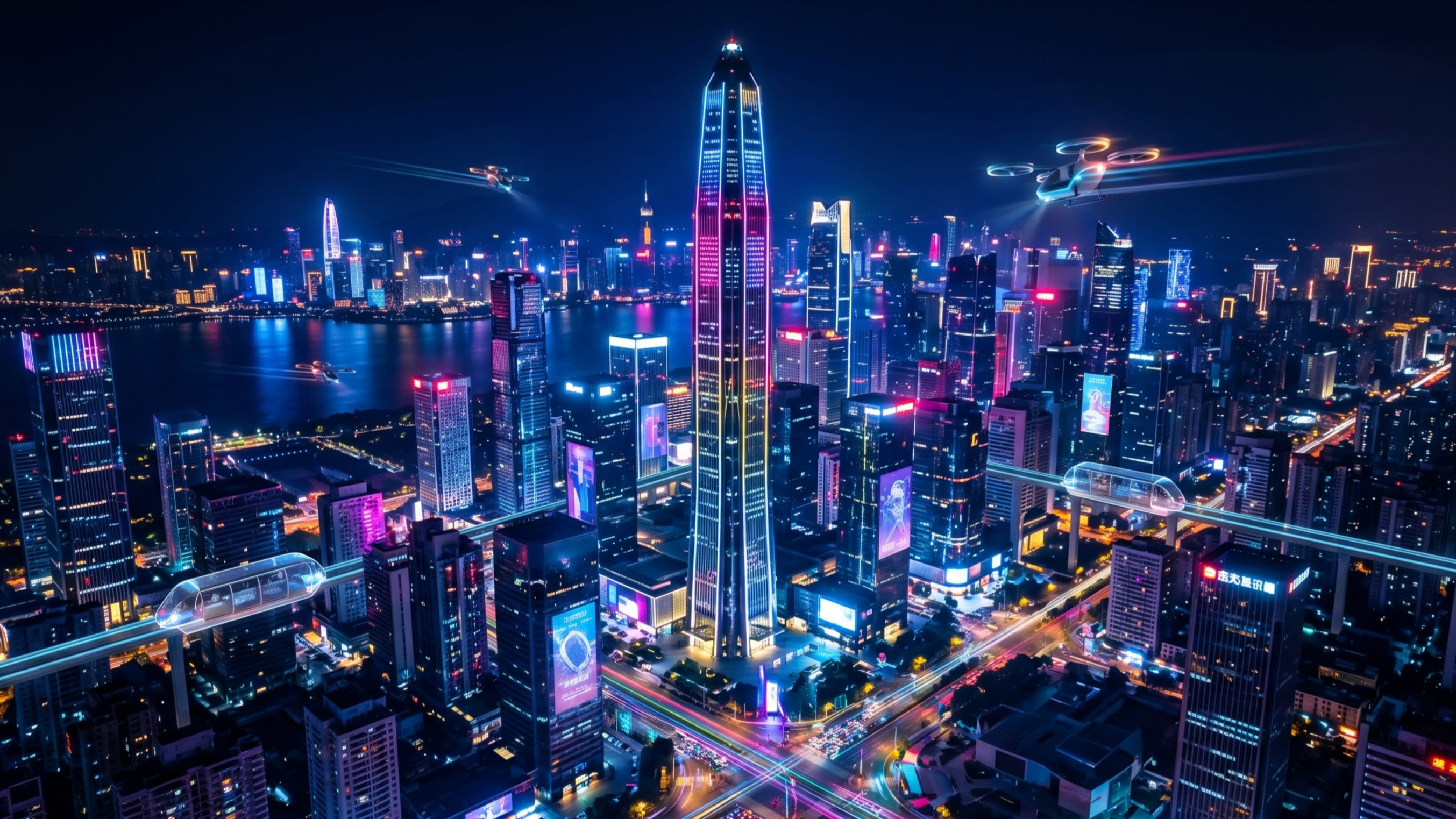
By 2026, the invisible line between Shenzhen and Guangzhou has essentially dissolved. I remember staring out the window of a bullet train, watching the blur of green hills transform into a vertical forest of glass and LED signage in less time than it takes to brew a cup of tea. These two metropolises are the heartbeat of China’s Greater Bay Area (GBA). For the modern tech-traveler, visiting this region isn’t just a trip; it’s a direct interface with the future.
Whether you’re hunting for the latest hardware or seeking the grounding ritual of ancient tea houses, here is your curator-approved roadmap to Southern China’s 5A wonders.
Phase 1: The Silicon Heart – Shenzhen (深圳)
Shenzhen doesn’t just embrace progress; it is built on a foundation of velocity. Forty-five years ago, it was a quiet fishing village. Today, it is a 5A-rated urban ecosystem of glass, steel, and high-frequency innovation.
1. Huaqiangbei: The Hardware Mecca (华强北)
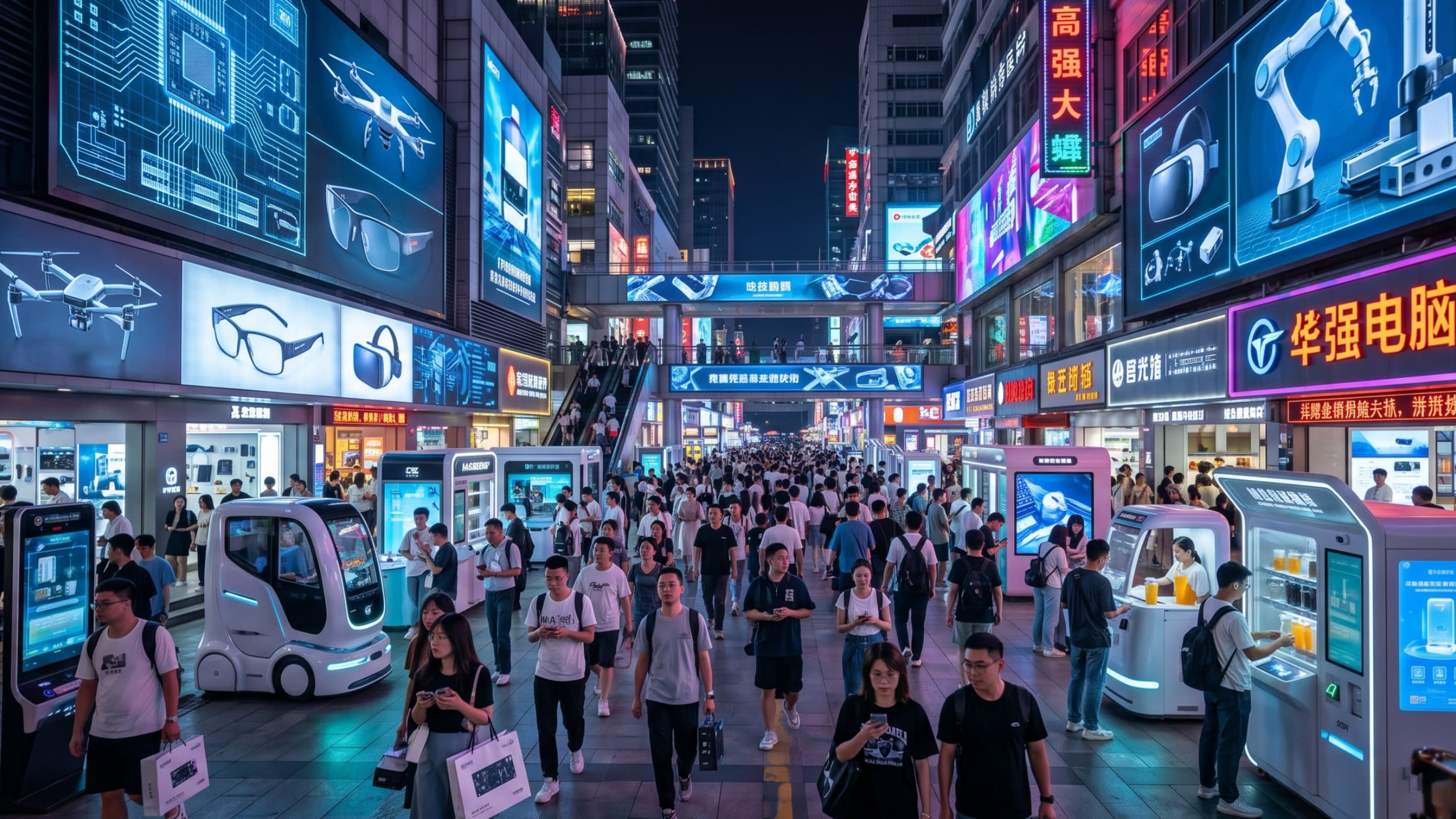
While not your traditional “nature” 5A site, Huaqiangbei is a pilgrimage destination for every self-respecting tech enthusiast. In 2026, the area has matured from a chaotic cluster of stalls into a sleek, pedestrian-oriented “Tech Boulevard.”
- The Experience: You can spend hours navigating the endless aisles of open-source drone components, customized mechanical keyboards, and AI-integrated wearables. It’s the only place on earth where the “Future of Everything” is sold by the meter.
- Local Perspective: There is a saying here: “Going to Shenzhen without visiting Huaqiangbei is like going to Beijing without seeing the Great Wall.” It serves as the shop window for China’s hardcore tech sector. Even if you aren’t here to buy, walking through the district lets you soak in the palpable, rhythmic hum of “Shenzhen Speed.”
2. OCT Loft: Where Tech Meets Art (华侨城)
The Overseas Chinese Town (OCT) is a 5A-rated masterpiece that balances industrial grit with modern creative flair. For the aesthetic tech-traveler, this is heaven. I love how the high-end coffee shops and avant-garde art galleries are housed within repurposed factory shells, blending a tactile, nostalgic history with high-tech ambition. It’s a great place to recharge your devices—and your own creative batteries.
Phase 2: The Culinary Soul – Guangzhou (广州)
A mere 30-minute glide on a high-speed train brings you to Guangzhou. If Shenzhen is the engine, Guangzhou is the soul. It’s a city that practices the philosophy of “Shí zài Guǎngzhōu” (食在广州)—or “Eating in Guangzhou.” It’s an approach to life where every meal is a bridge between generations.
1. Baiyun Mountain: The “Lungs” of the City (白云山)
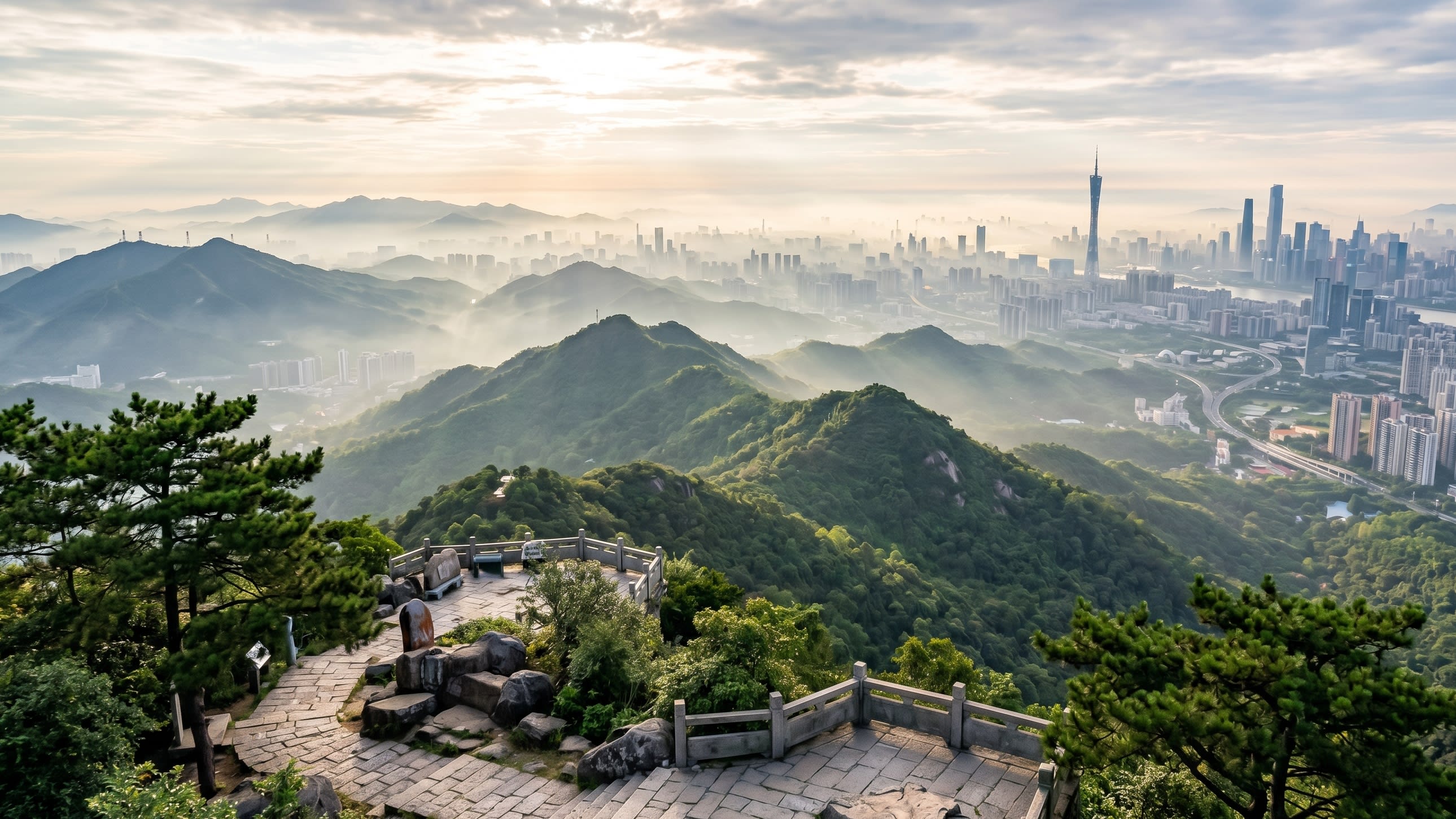
The Baiyun Mountain Scenic Area is a sprawling 5A natural retreat tucked surprisingly into the center of the urban sprawl. It offers the best panoramic view of the skyline.
- Tech Tip: In 2026, keep an eye out for the Autonomous EHang Drone Flight options near the base. Seeing the Canton Tower from the air is a surreal shift in perspective.
- Local Perspective: Baiyun Mountain is the ‘back garden’ for residents. If you want to escape the humidity and city buzz, make the trek to Moxing Ridge (摩星岭 - Móxīnglǐng) for sunrise. The smart navigation apps integrated into the park make it seamless, proving that ancient mountains can be perfectly in sync with the digital age.
2. Chimelong Safari Park: A World-Class 5A Experience (长隆野生动物世界)
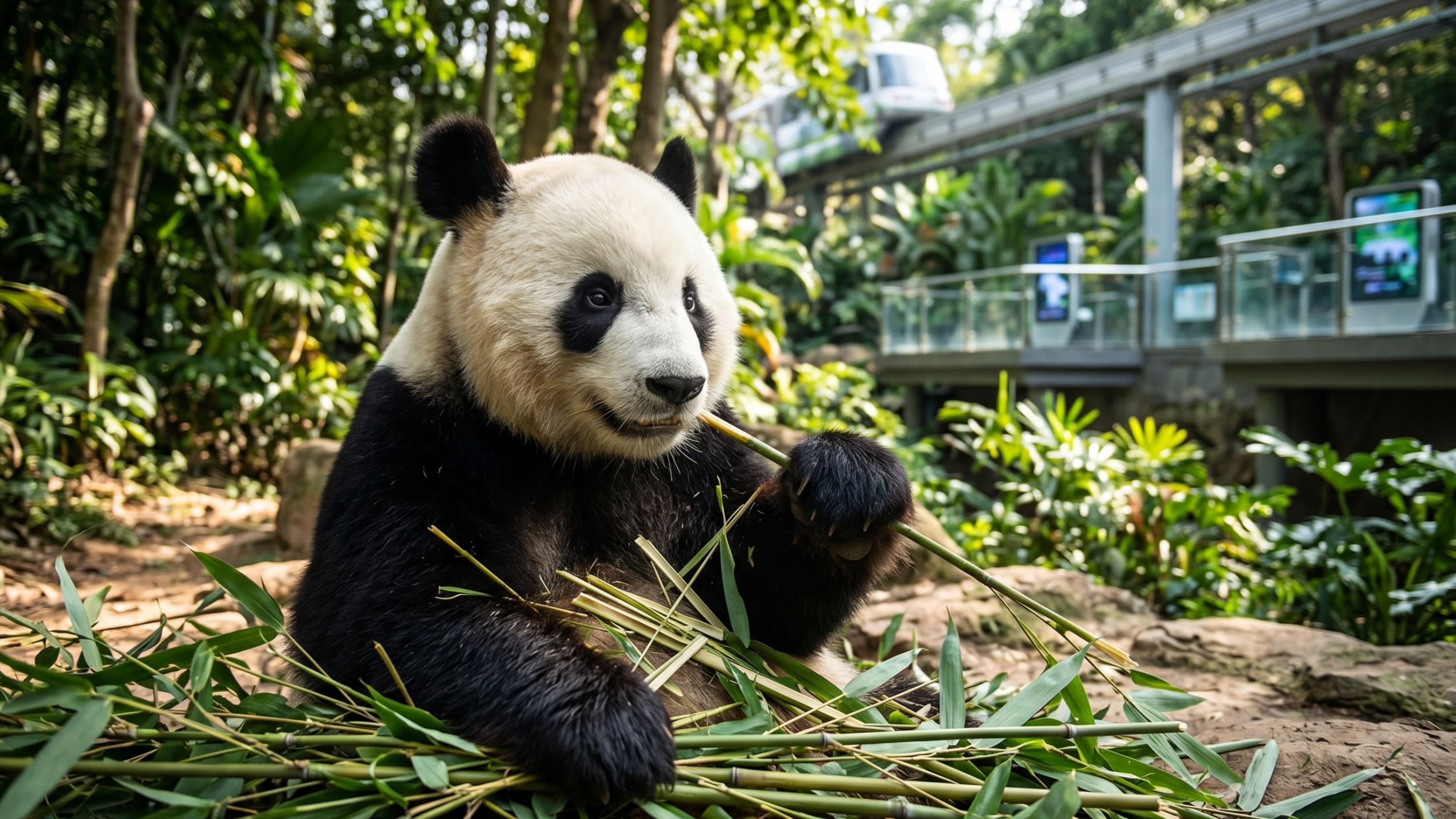
If you are traveling with family, Chimelong is non-negotiable. It is arguably the most sophisticated safari experience in Asia. The park utilizes real-time, AI-enhanced health monitoring and interactive AR screens to bridge the gap between visitors and the wildlife. Seeing the panda triplets here is a humbling reminder that behind all the tech, the preservation of nature remains our most vital mission.
Survival Guide for the 2026 Tech-Traveler
To navigate the Greater Bay Area like a local, you need more than a valid passport—you need a “Digital Shield.”
- Robotaxis (萝卜快跑 - Luóbo Kuàipǎo): Autonomous taxis are now commonplace in Shenzhen’s Nanshan district. Using the “Baidu Apollo” or “AutoX” app, I found the ride smoother and far more efficient than any standard taxi I’ve taken in the past.
- The “Intercity” Tap-and-Go: Skip the physical ticket counters. Search for “GBA Transport” within your WeChat mini-programs. After a one-time passport verification, you can board the intercity rail as easily as stepping onto a subway.
- EV Logistics: Every 5A site in the region has dedicated charging infrastructure. If you’re renting a car, you’ll find that the GBA boasts the highest density of charging piles in the world.
The Cultural Ritual: Yum Cha (饮茶)
You haven’t truly experienced the South until you’ve committed to a three-hour Yum Cha. This is far more than just breakfast—it’s a social ritual where business deals are struck and family lineages are reinforced.
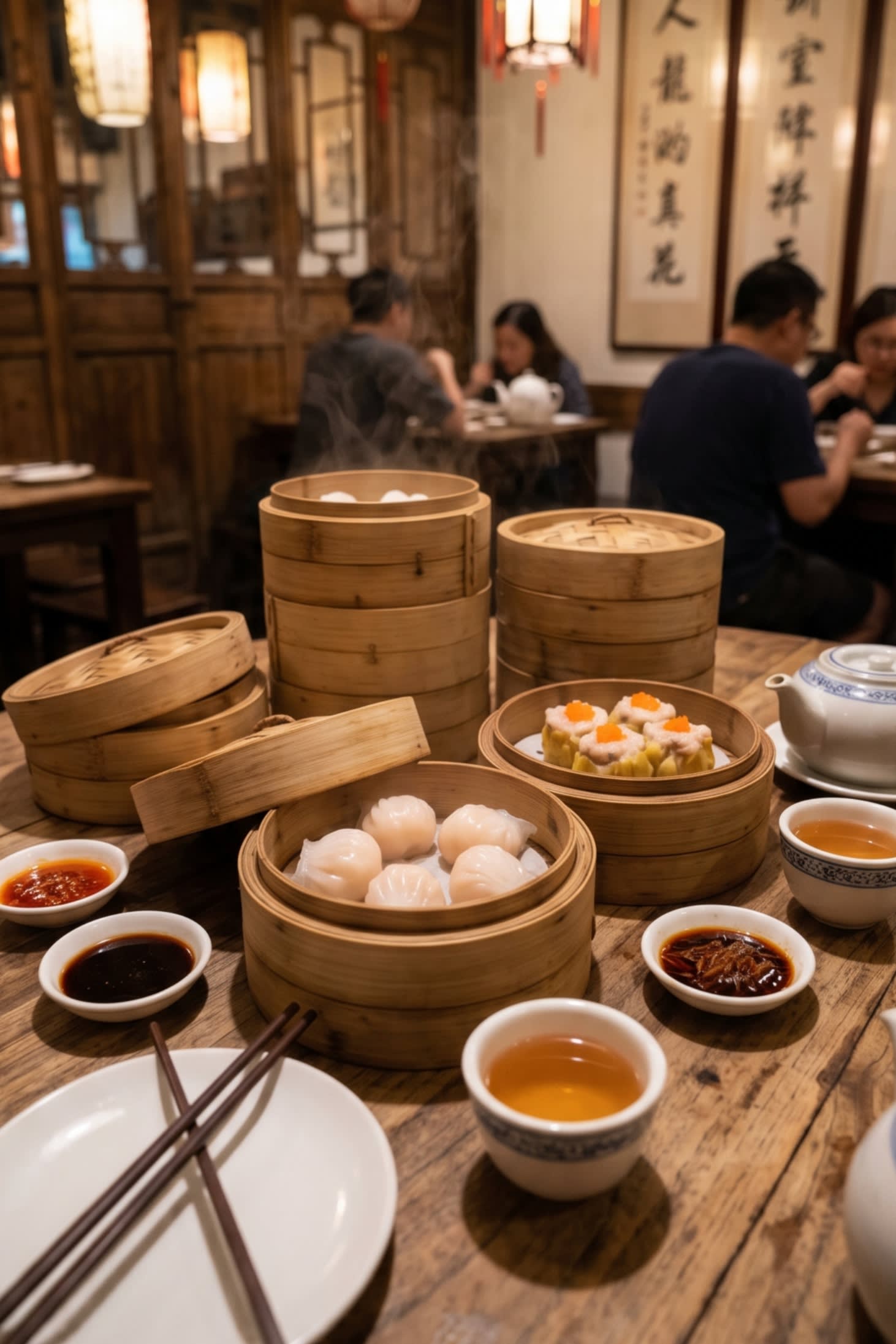
Native View: In Guangzhou, tea is a lifestyle. You absolutely must order the Shrimp Dumplings (Xiājiǎo) and the crispy Red Rice Crepe Rolls. Don’t worry about the old-school queues; most reputable tea houses now allow you to secure your table via your phone, saving you from waiting in the heat.
Final Thoughts
The Shenzhen-Guangzhou corridor is currently the most dynamic stretch of land on the planet. One moment you are testing virtual reality goggles in a neon-lit skyscraper, and the next, you are sipping Pu’er tea in a garden that feels as if time stopped centuries ago.
My advice? Don’t pick one city. Use the rail link, stay in Shenzhen for the adrenaline, and eat in Guangzhou for the soul. If you’re looking for more tips on traveling safely, check out my guide to avoiding common scams, and don’t forget to keep your eSIM or physical SIM card ready for constant navigation. Embrace the ecosystem, trust the efficiency of the local digital payment systems, and prepare to see a version of the future that most people only experience through a screen.
Disclaimer: As an Amazon Associate, ChinaCurator earns from qualifying purchases.