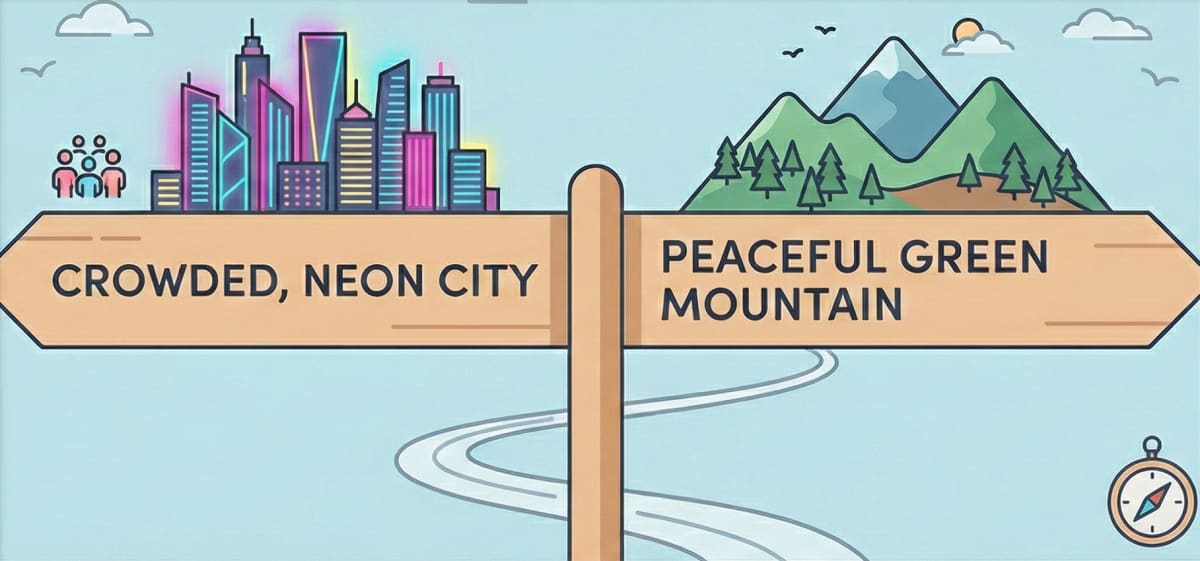

When your daily routine involves managing high-stakes milestones, contractor schedules, or the technical specifications of massive building upgrades, spending your hard-earned vacation fighting through crowds in Beijing defeats the entire purpose of time off. You don’t need another stress test; you need a genuine escape.
In 2026, a massive cultural shift is happening among young Chinese professionals and savvy international travelers. It is called fǎnxiàng lǚyóu (反向旅游)—literally “Reverse Tourism.” Instead of flocking to Tier-1 megacities to check off famous landmarks, travelers are actively seeking out smaller, underrated cities. They want to avoid the “sea of people” (rén cóng zhòng 人从众) and find places where the pace is slow, the food is authentic, and the culture is untouched by commercial tourism.
This guide will introduce you to the philosophy of Reverse Tourism and highlight three incredible, underrated cities that offer a perfect blend of history, food, and tranquility.
1. What is “Reverse Tourism”?
For decades, travel in China was defined by the concept of dǎkǎ (打卡)—”punching the card” at famous sites. You went to the Great Wall, took a photo, and moved to the next spot. However, as the domestic travel market matured, people realized that sharing an ancient temple with 10,000 other tourists completely ruins the atmosphere.
Reverse tourism is about prioritizing the experience over the destination. It means finding a quiet city where you can sleep in, walk down to a local market, eat a bowl of noodles that costs $2, and spend the afternoon sitting in a quiet teahouse. It is the travel equivalent of turning off your smartphone notifications.
Here are three cities that perfectly capture this spirit.
2. Quanzhou (泉州): The City of Gods and Ocean
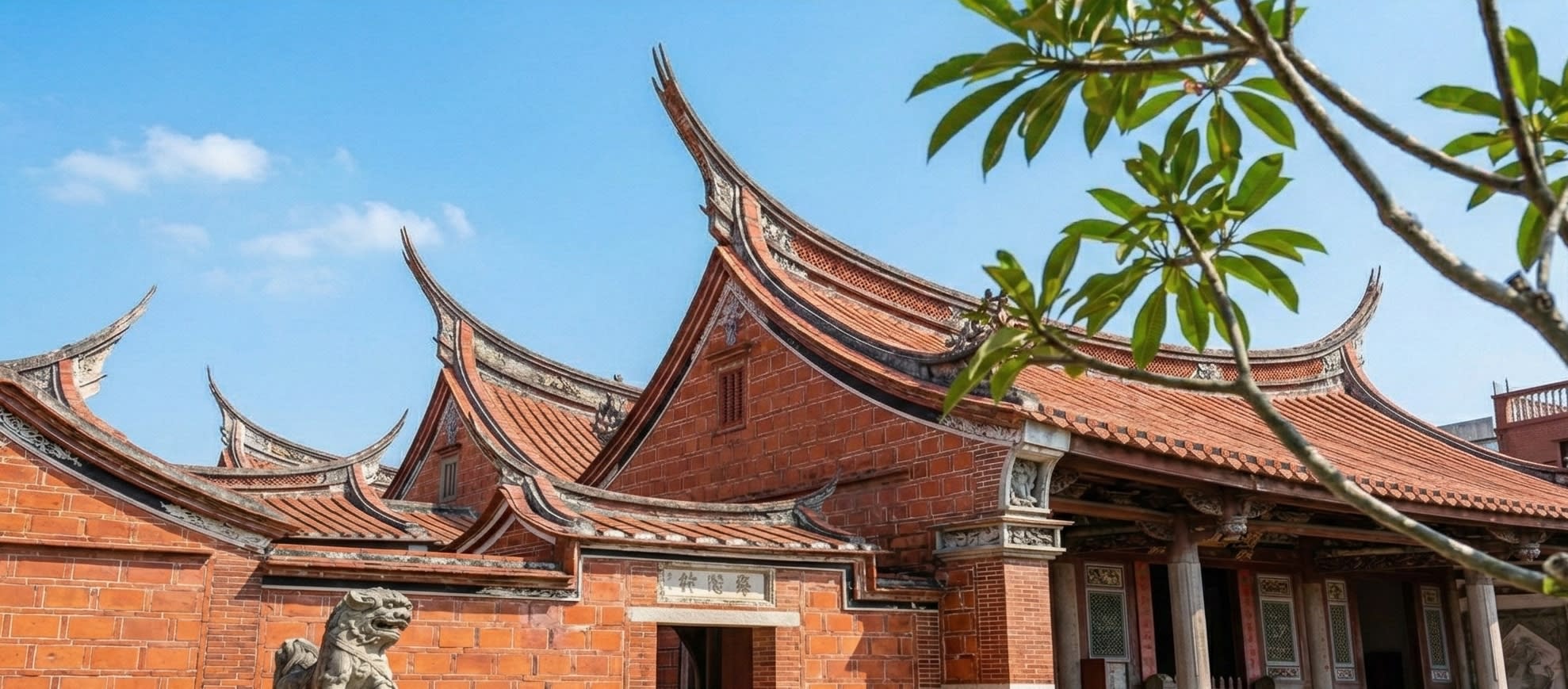
Located on the coast of Fujian province, Quánzhōu is incredibly rich in history. During the Song and Yuan dynasties, it was one of the largest and most important ports in the world—the starting point of the Maritime Silk Road.
- The Vibe: Marco Polo once called it the “Alexandria of the East.” Today, Quánzhōu is a relaxed, sun-drenched city where different religions coexist peacefully. You can find ancient Buddhist temples, Islamic mosques, and Hindu shrines all within a short walk of each other.
- What to Do: Walk down West Street (xījiē 西街) and visit the Kaiyuan Temple. Afterward, find a rooftop café to drink local Oolong tea while looking out over the ancient red-brick rooftops.
- The Food: You must try miànxiàn hú (面线糊), a rich, savory noodle soup that locals eat for breakfast, often paired with crispy fried dough sticks.
3. Jingdezhen (景德镇): The Porcelain Capital
If you appreciate the tactile, meditative focus required to polish a wooden bead or care for a natural gourd, you will instantly fall in love with Jǐngdézhèn in Jiangxi province. For over a thousand years, this city has produced the finest ceramics in the world.
- The Vibe: Jǐngdézhèn is a haven for artists and makers. It feels like a giant, city-wide art studio. It attracts young creatives from all over the country who move here to open small workshops, bake bread, and make pottery.
- What to Do: Visit the Taoxichuan Ceramic Art Avenue at night. It is an old factory district that has been transformed into a beautiful night market where independent artists sell their unique creations. You can also take a half-day class to try throwing your own porcelain bowl on a potter’s wheel.
- The Pace: The city is incredibly green, surrounded by mountains and forests. It is the perfect place to grab a coffee, sit under a camphor tree, and just breathe.
4. Taizhou (台州): The Ultimate Foodie Road Trip
If your idea of a great vacation revolves entirely around eating, then Tāizhōu in Zhejiang province should be at the top of your list. Often overshadowed by nearby Hangzhou, Tāizhōu is secretly considered by Chinese food critics to be one of the best culinary cities in the country.
- The Vibe: Tāizhōu has a beautiful mix of coastal scenery and rolling green hills. It is clean, incredibly safe, and completely devoid of large tourist groups.
- The Food: The city is famous for its fresh seafood and delicate snacks. The absolute must-try is the shī bǐng (食饼筒), a local wrap filled with a variety of meats, eggs, and vegetables. Also, the seafood noodles here are legendary—the broth is simmered for hours until it is a rich, milky white.
- Nature: Drive out to the Shenxianju (Dwelling of Immortals) scenic area to see dramatic cliffs and walk across high-altitude glass bridges that look like something out of a fantasy movie.

5. A Quick Comparison for Your Next Trip
To help you decide which city fits your mood, here is a quick breakdown:
| City | Province | Best For... | The Overall Vibe |
|---|---|---|---|
| Quánzhōu (泉州) | Fujian | History, architecture, and photography. | Ancient, spiritual, and sun-drenched. |
| Jǐngdézhèn (景德镇) | Jiangxi | Art, coffee culture, and hands-on crafts. | Creative, slow-paced, and artistic. |
| Tāizhōu (台州) | Zhejiang | Incredible seafood and scenic drives. | Delicious, coastal, and refreshing. |
6. The Joy of the Open Road
Exploring these underrated cities often means getting off the standard high-speed train routes and hitting the open road. The highway infrastructure in China has improved so dramatically that taking a long-range, all-wheel-drive electric vehicle into the mountainous regions of Zhejiang or Fujian is now completely stress-free.
You no longer have to worry about range anxiety; rapid charging stations are available at almost every highway rest stop and in the parking lots of small county hotels. Driving an EV through the quiet, winding coastal roads of Tāizhōu or the green hills of Jǐngdézhèn allows you to stop exactly when and where you want. It gives you the ultimate freedom to control the pace of your own journey.

Final Thoughts
Travel should be a source of inspiration, not exhaustion. By embracing Reverse Tourism, you step away from the commercial traps and discover the real, everyday beauty of China. You get better food, friendlier locals, lower prices, and—most importantly—the peace of mind to actually enjoy them.
The next time you plan a getaway, leave the megacities behind. Pick a place you’ve barely heard of, pack your bags, and let the slow life take over.
Ready to start planning your road trip? Make sure you have the right digital tools with our Guide to Essential Apps for Traveling Beyond Major Cities.

