
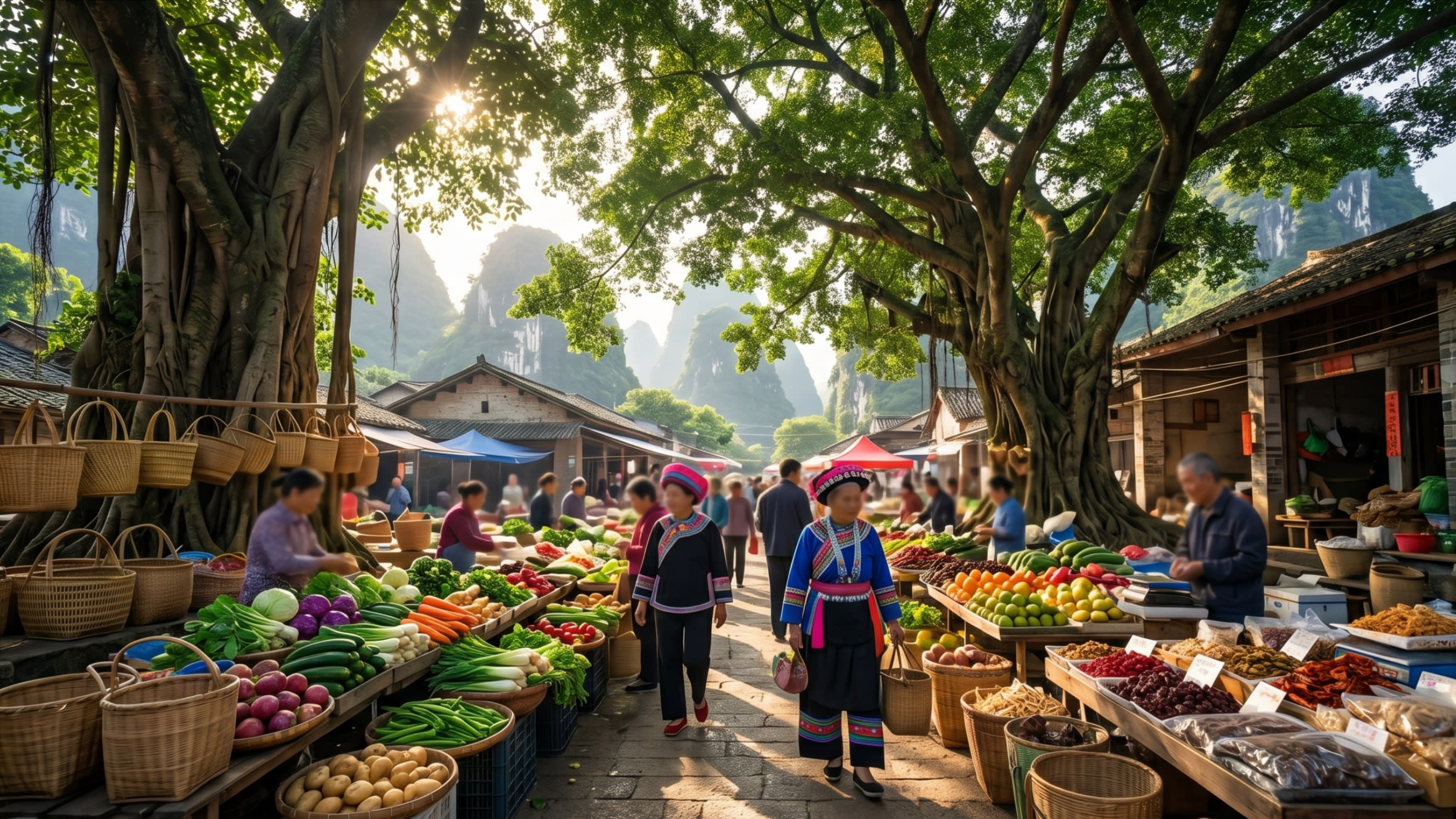
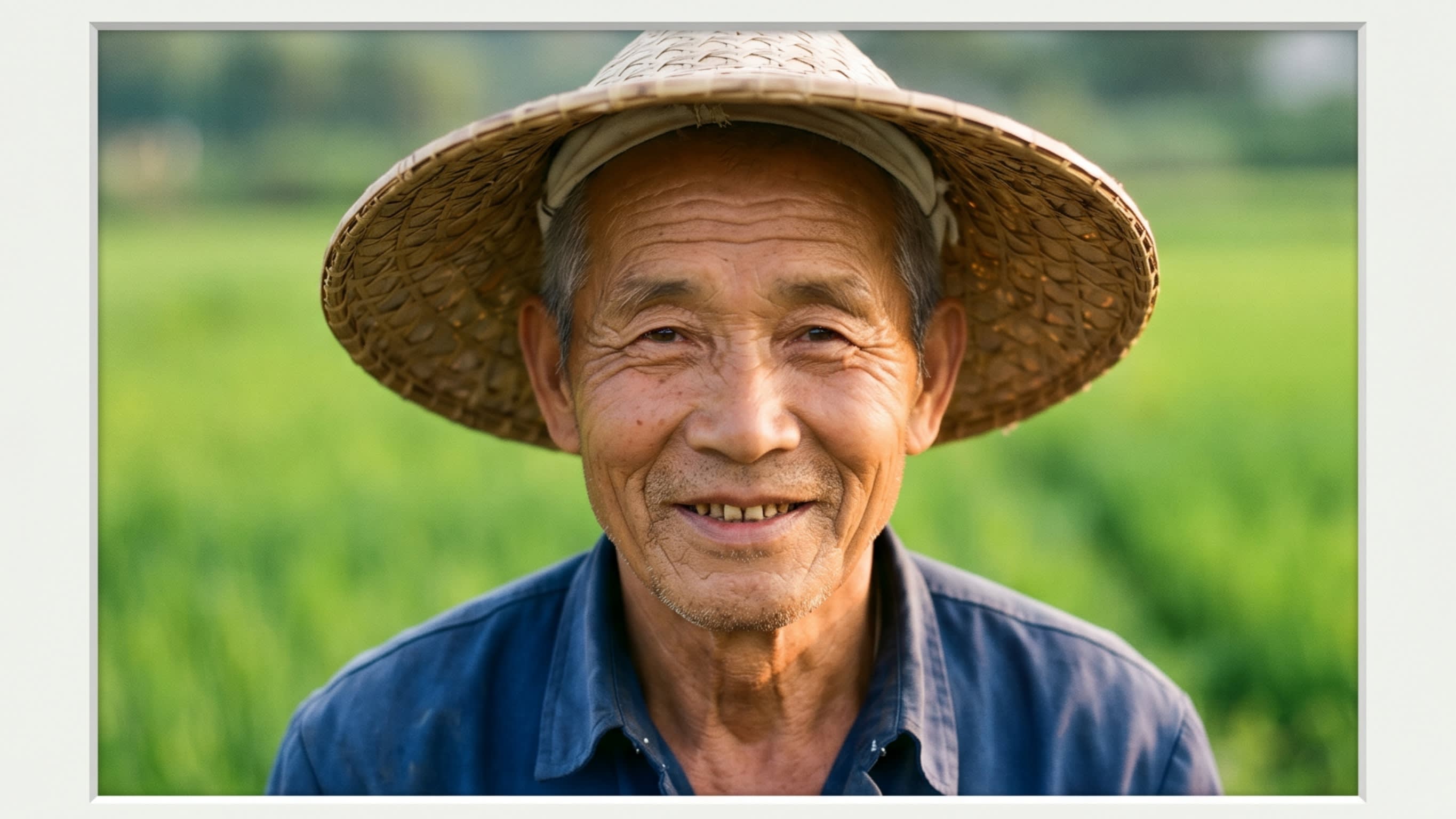
You’ve just stepped off the high-speed rail at Enshi or Libo. The air here smells different—a crisp, rain-washed blend of mountain mist and woodsmoke. You are surrounded by world-class karst peaks that look like they were painted by a master calligrapher, and rivers of an impossible, piercing emerald hue. But as you walk through the village, you notice it: eyes following you. It’s not just one passerby; it’s a whole row of elders sitting on a weathered stone bench, their tea mugs in hand, their gazes locked on your every step.
In 2026, as China’s most remote 5A scenic wonders become accessible, this “Staring” phenomenon remains the number one source of culture shock for international visitors. If you’ve ever felt like an alien who just landed on a new planet, take a breath. As curators of the authentic Chinese experience, I’m here to tell you: Don’t look away. That stare isn’t hostility—it’s an invitation.
Understanding the “Unfiltered Curiosity” of 2026
In mega-cities like Shanghai or Shenzhen, a foreign face is just another commuter in the blur of the workday. But in rural 5A Scenic Areas (5A级景区 - 5A jí jǐng qū), you are a living, breathing movie star. For many locals, especially the older generation who have witnessed their hometowns transform from quiet, agrarian paths into world-renowned tourist hubs, you represent a tangible window into the “outside world.”
Whether you are a student researching biodiversity or a weary city dweller seeking a “Soul Reset,” understanding that this gaze is grounded in ‘Hàoqí’ (好奇 - curiosity) is your first step toward mastery.
A Note from Experience: “在很多偏远的5A景区,老一辈人看外国人其实没啥恶意,就是觉得‘新鲜’。这在中文里叫‘看稀奇’ (kàn xīqí)。”
(In many remote 5A sites, the older generation watching you has no ill intent; they simply find your presence ‘fresh.’ In Chinese, we call this ‘looking at something rare.’ If you can smile broadly or give a subtle nod, the potentially awkward atmosphere instantly shifts into a ‘grounded’ interaction—or what we call ‘jiē dì qì’ (接地气). This is the true high-light, or ‘gāo guāng shí kè’ (高光时刻), of authentic travel.)
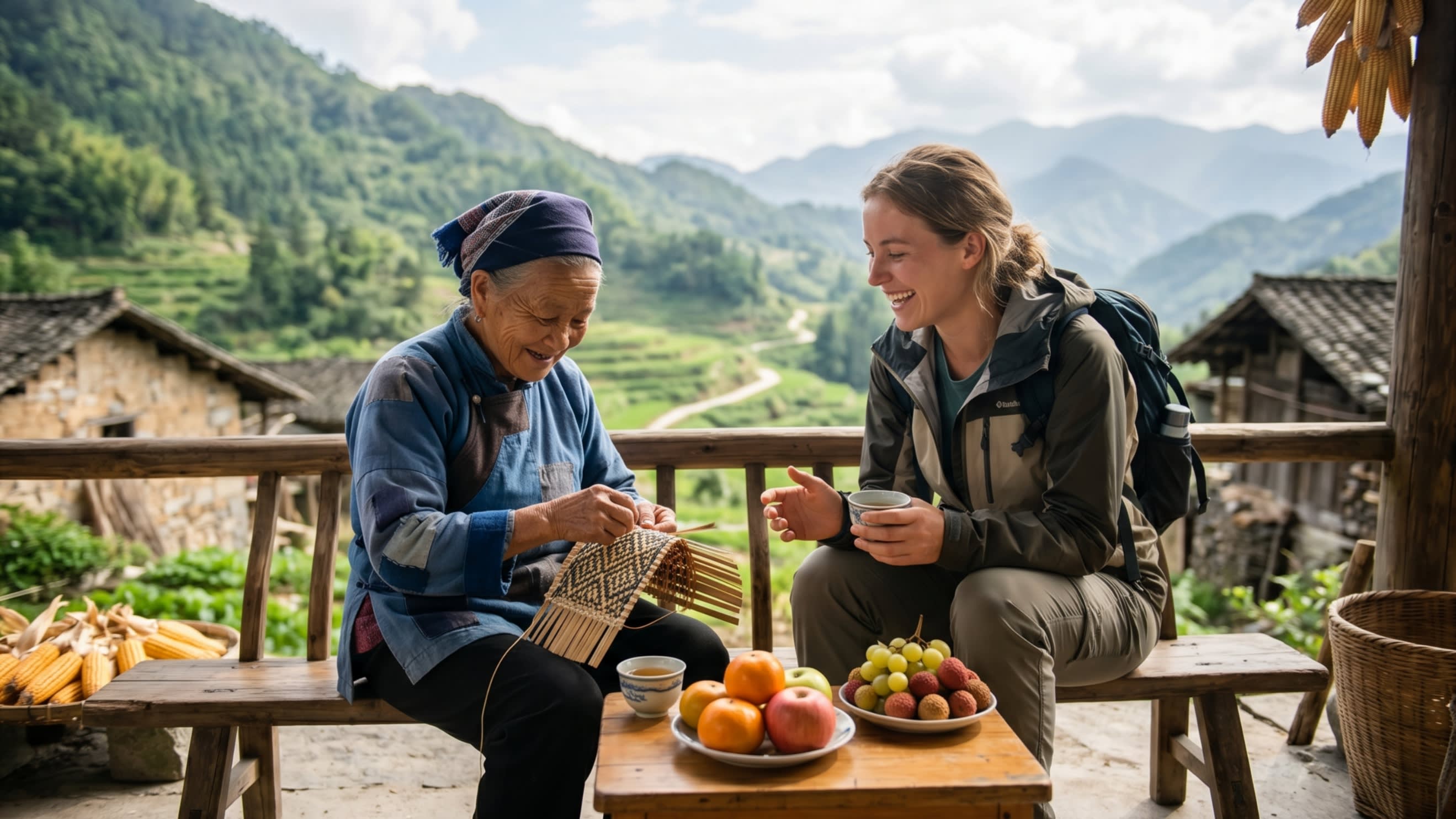
The “Ni Hao” Protocol: Turning Gaze into Grace
In 2026, social etiquette in China has evolved into a delicate blend of ancient rural hospitality and modern digital savvy. Here is my personal survival kit for navigating these interactions:
- The Smile & Nod: A simple, genuine smile is the universal signal for “I come in peace.” It dissolves the weight of the stare instantly.
- The ‘Ni Hao’ Pivot: If the gaze lingers, a soft ‘Nǐ hǎo’ (你好) or a friendly ‘Nǐ hǎo a’ (你好啊) acts as a verbal bridge. Most locals will immediately smile back, and in rural settings, it’s not uncommon for them to offer you a piece of seasonal fruit or a wooden stool to rest on.
- The ‘Mianzi’ (Face) Factor: Never let your frustration show. In rural China, maintaining ‘Miànzi’ (面子 - face/honor) is vital. By remaining polite and composed, even when you feel slightly overwhelmed, you ensure that you are treated with the respect reserved for an ‘Honored Guest’ (贵宾 - guìbīn).
If you are looking for more ways to blend into these local landscapes, you might find my guide on mastering social etiquette near these famous sites particularly helpful.
Scenario: The Photo Request (Check-in Culture)
In 2026, ‘Check-in Culture’ (Dǎ kǎ - 打卡) is at an all-time high. Locals, particularly younger visitors, may ask to take a selfie with you.
- How to Handle: If you’re comfortable, go for it! It genuinely makes their day and provides a wonderful memory. If you aren’t, a gentle wave of the hand and a soft ‘Bù hǎoyìsi’ (不好意思 - excuse me/I’m embarrassed) is perfectly acceptable.
- The Reality: “很多人想合影其实是想发朋友圈‘打卡’。只要你礼貌拒绝,大家都能理解,不会让你觉得‘下不来台’ (xià bù lái tái)。” (Many people want a photo simply to ‘check-in’ on their social media. As long as you refuse with grace, they won’t make you feel awkward or ‘stuck’.)
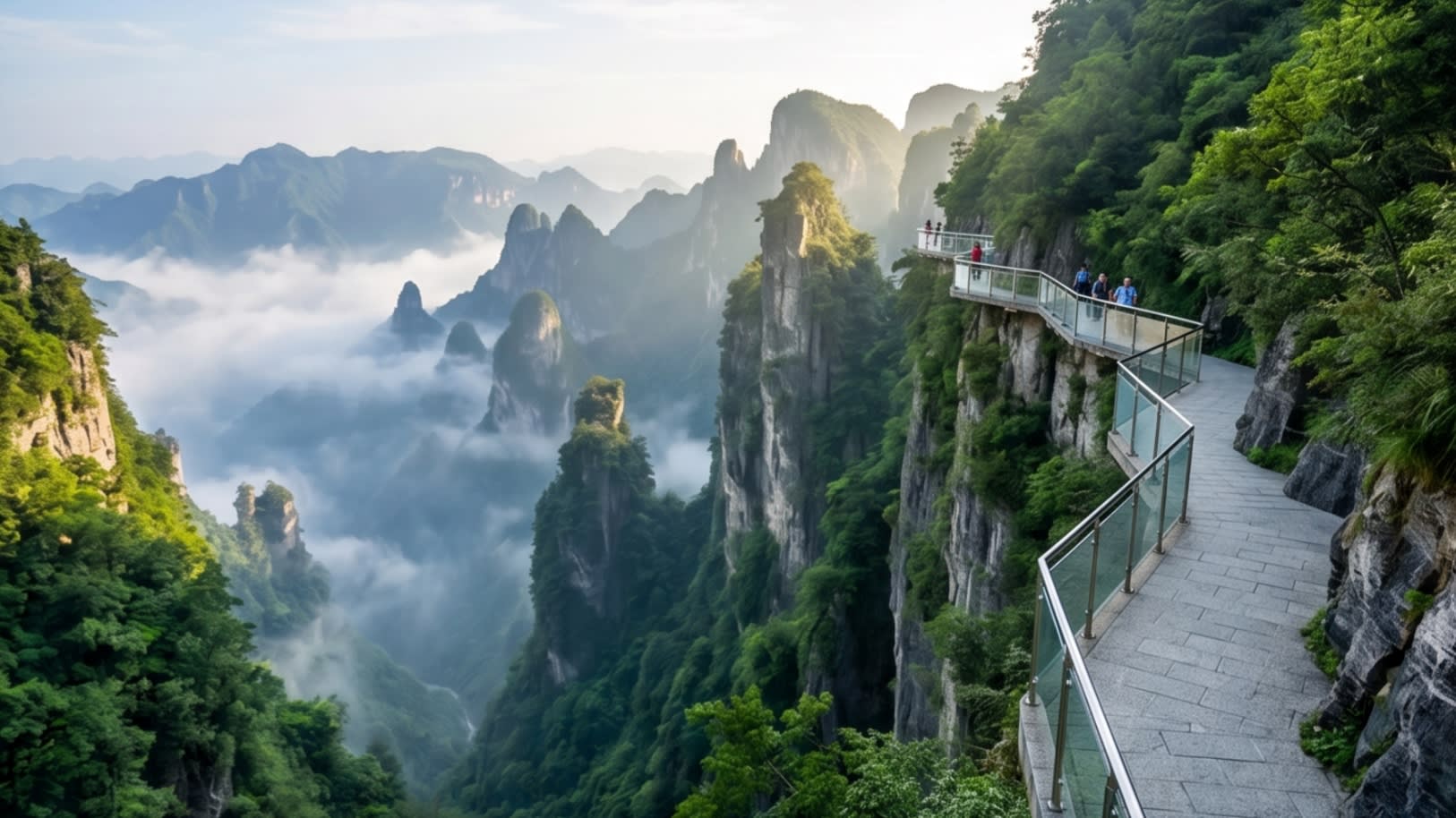
Top 3 Rural 5A Sites to Practice Your Etiquette
- Enshi Grand Canyon (恩施大峡谷): Located in the heart of the Tujia and Miao mountains. The locals here are incredibly hardy and warm. You will be stared at, but you will also likely be offered a steaming mug of “Selenium-rich Tea.”
- Libo Xiaoqikong (荔波小七孔): A Guizhou emerald gem. The nearby Buyi villages are perfect for experiencing ‘Slow Life.’ Pro Tip: Visit the morning market; it is a sensory explosion of sound, color, and local gossip.
- Longji Rice Terraces (龙脊梯田): The Yao women, with their legendary floor-length hair, are the true masters of this landscape. The Etiquette: If you take a photo of them, it is considered polite to purchase a small, hand-woven handicraft. It’s a fair, harmonious exchange of ‘Renqingwei’ (人情味 - human warmth).
The Rural Interaction Matrix (2026 Edition)
| Situation | The Reaction | Cultural Result |
|---|---|---|
| Continuous Staring | Smile & Nod | Breaks the ice instantly |
| Photo Request | Yes or Polite 'No' | Preserves social 'Mianzi' |
| Offered Tea/Food | Accept a sip or bite | Builds deep, quiet friendship |
Fueling the Friendship: The Rural Feast
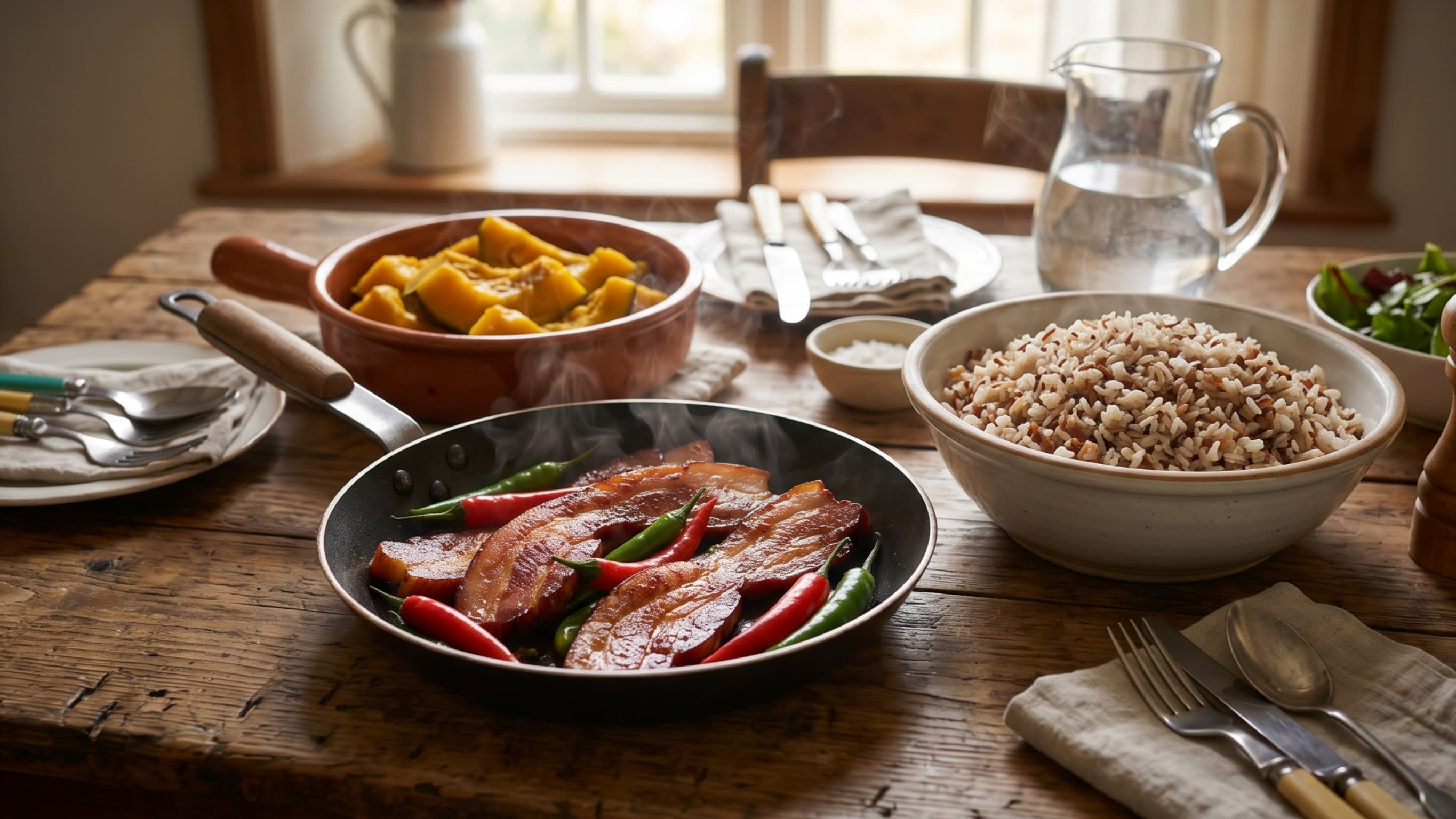
Sharing a meal is the fastest way to turn a “stare” into a “story.” In rural 5A sites, the food is hand-picked and incredibly flavorful. Look for Farmhouse Smoked Bacon (农家腊肉 - nóngjiā làròu)—the salty, smoky aroma is unmistakable—and Iron Pot Tofu, cooked over a real wood fire.
The heat of the fire, the clatter of ceramic bowls, and the communal nature of the meal provide a sense of ‘yānhuǒqì’ (烟火气)—the vibrant “vibe of life” that you simply can’t find in a sterile hotel restaurant. If you’re interested in the history of these regions, I’ve written more about escaping crowds in underrated cities if you need a breather.
Traveler’s Language Survival Table
| English | Chinese & Pinyin |
|---|---|
| Hello! How are you? | 你好!身体好吗? (Nǐ hǎo! Shēntǐ hǎo ma?) |
| This place is beautiful! | 这里太漂亮了! (Zhèlǐ tài piàoliang le!) |
| Sorry, no photo. | 不好意思,不想合影。 (Bù hǎoyìsi, bù xiǎng héyǐng.) |
Final Thoughts from Ziyan
In 2026, the bridge between the high-tech, digital world and the quiet, high-touch countryside is the individual traveler. When you handle “The Stare” with a genuine smile, you aren’t just a tourist; you are a curator of your own cultural experience and a student of theirs.
My advice? Lean into the awkwardness. Let the elders stare. Share the spicy bacon. Because at the end of the day, the most beautiful thing you’ll see at a 5A site isn’t just the landscape—it’s that fleeting, precious moment when two strangers from different worlds finally see each other.
Before you head out, make sure your digital connectivity is sorted, as rural areas can be tricky, and keep an open heart for the road ahead.
Disclaimer: As an Amazon Associate, ChinaCurator earns from qualifying purchases.