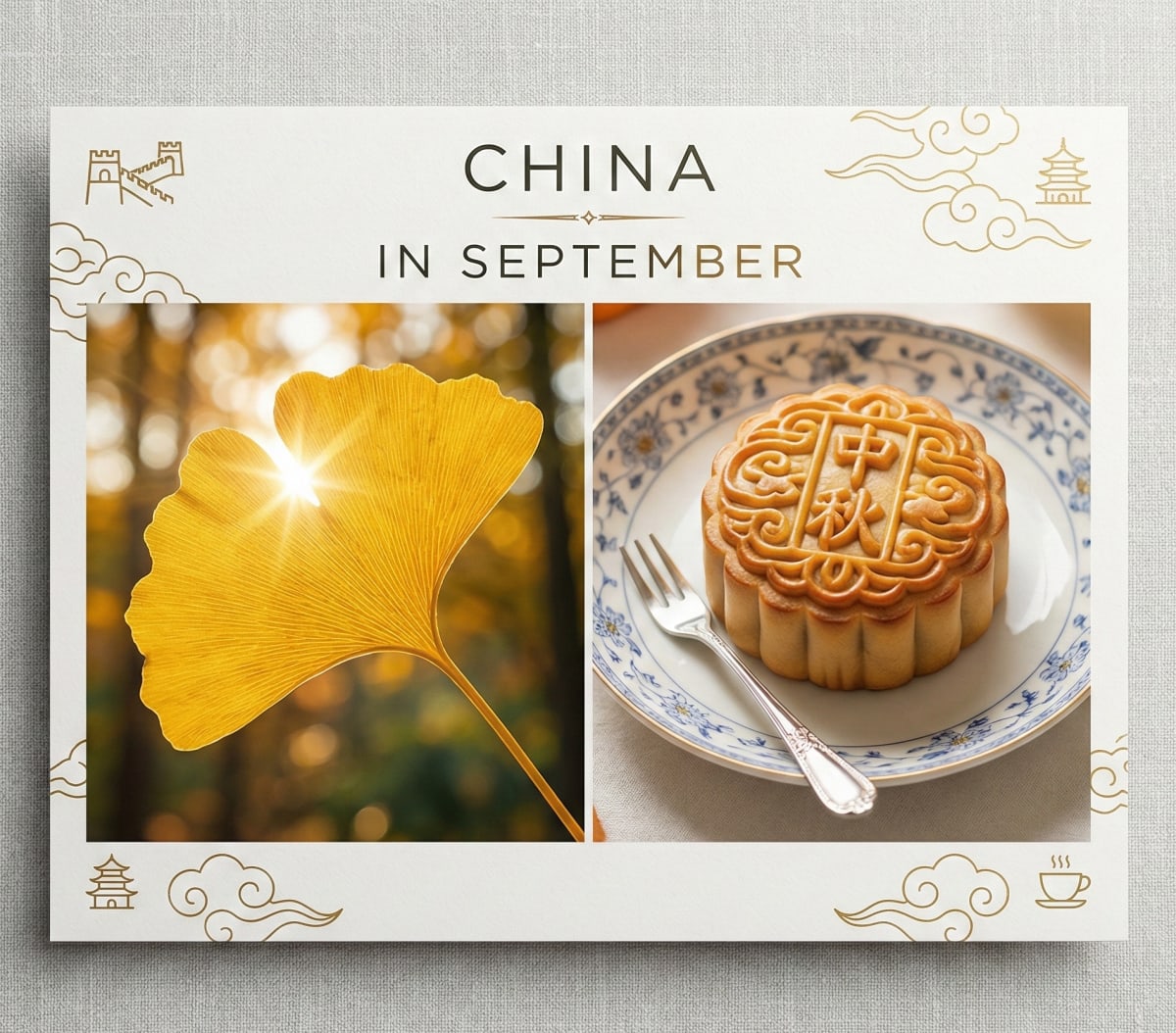

“In China, there is a specific poetic sentiment reserved for September. We call it Tiān gāo qì shuǎng (天高气爽), which literally translates to ‘the sky is high and the air is brisk.’ After the sweltering ‘Sauna Days’ of August, September arrives like a cool breath of relief. It is the beginning of the Jīnqiū (金秋 - Golden Autumn), a fleeting window where the entire country is painted in shades of amber, gold, and crimson. In 2026, the Year of the Horse, September offers the perfect tempo for a grand gallop across the vast northern landscapes.”
⛅ September Weather: The Perfect Transition
September is arguably the most balanced month for travel in China. The monsoon rains of the south begin to recede, and the humidity of the summer evaporates, replaced by dry, crystal-clear air. It is the month of the “Indian Summer” in the south and early autumn magic in the north.
| Region (地区) | Avg Temp | Weather Character |
|---|---|---|
| North (Beijing, Inner Mongolia) | 15°C - 25°C | Crisp, dry, and sunny. Deep blue skies (Beijing Blue). |
| Southwest (Sichuan, Yunnan) | 12°C - 24°C | Cool mornings, pleasant afternoons. Golden harvests in valleys. |
| Northwest (Xinjiang, Gansu) | 5°C - 20°C | Early autumn colors. Large temperature gaps between day/night. |
Native Tip: September is the “Golden Window” for a reason. While the weather is perfect, the massive crowds of the National Day Holiday (October 1st–7th) haven’t arrived yet. If you can travel between September 10th and September 25th, you will experience China’s most beautiful season in relative peace.
📍 Top 3 Destinations for September
1. Kanas, Xinjiang (喀纳斯): The Fairytale of Northern China
If you want to see where autumn was invented, go to Kǎnàsī. Located in the Altai Mountains of Northern Xinjiang, this is a landscape of turquoise lakes, Siberian larch forests, and misty valleys.
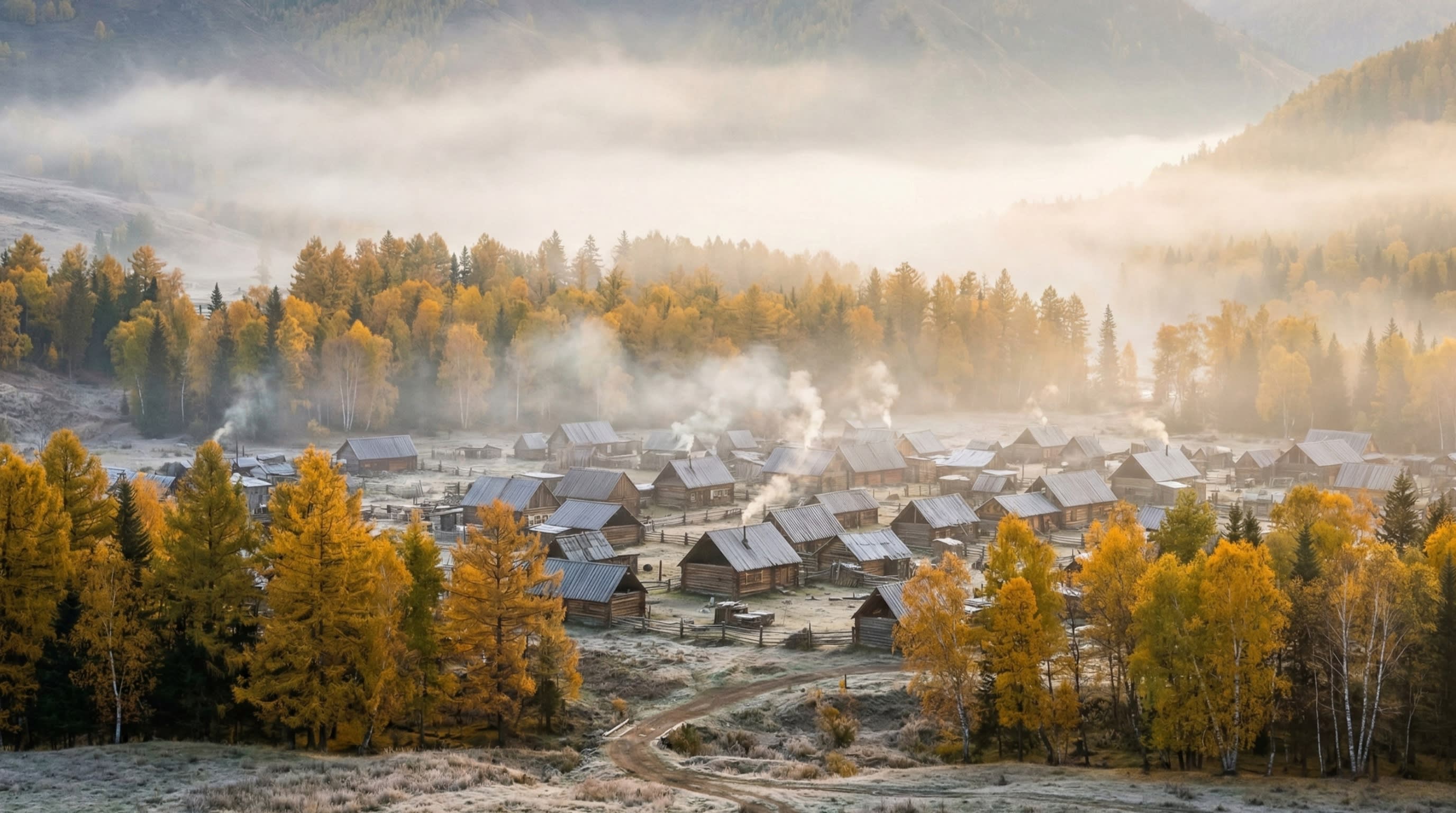
- The Transformation: In mid-to-late September, the forests turn a blinding, saturated gold. When this gold reflects in the milky turquoise water of Kanas Lake, it creates a visual effect that looks like an oil painting.
- The Tuva Villages: Stay in a log cabin in Héshì (禾木) or Bāhá (白哈巴). These are ancient villages of the Tuva people. In the morning, the woodsmoke from the chimneys mixes with the valley mist, creating a scene that feels completely disconnected from the 21st century.
- Must-See: Hike up to the Guānyú Tái (观鱼台 - Fish Watching Pavilion) for a panoramic view of the lake. Legend has it that a “lake monster” lives in the depths, but the real monster is the beauty of the golden horizon.
2. Beijing (北京): A Classic Autumn Masterpiece
The famous Chinese writer Lao She once said, “Autumn in Beijing is Heaven.” He wasn’t exaggerating. In September, the city sheds its summer haze and reveals its architectural majesty under a sky so clear it’s known as “Beijing Blue.”

- The Great Wall: Visit the Mutianyu or Jinshanling sections. In late September, the surrounding mountains begin to blush with red and orange. The air is cool and dry—perfect for the steep climbs that would be exhausting in July.
- The Fragrant Hills (Xiāngshān): While the peak “Red Leaves” happen in October, September is when the colors begin to turn. Walking through the imperial gardens as the first ginkgo leaves turn yellow is a quintessential Beijing experience.
- Hutoon Life: Rent a bicycle and explore the Nánluógǔxiàng area. The afternoon sun in September has a soft, golden quality that makes the grey brick walls of the ancient alleys look incredibly warm and inviting.
3. Daocheng Yading, Sichuan (稻城亚丁): The Soul of Shangri-La
Deep in the Ganzi Tibetan Autonomous Prefecture, Daocheng Yading is often called “The Last Pure Land on Earth.” September is the start of its short, spectacular autumn.
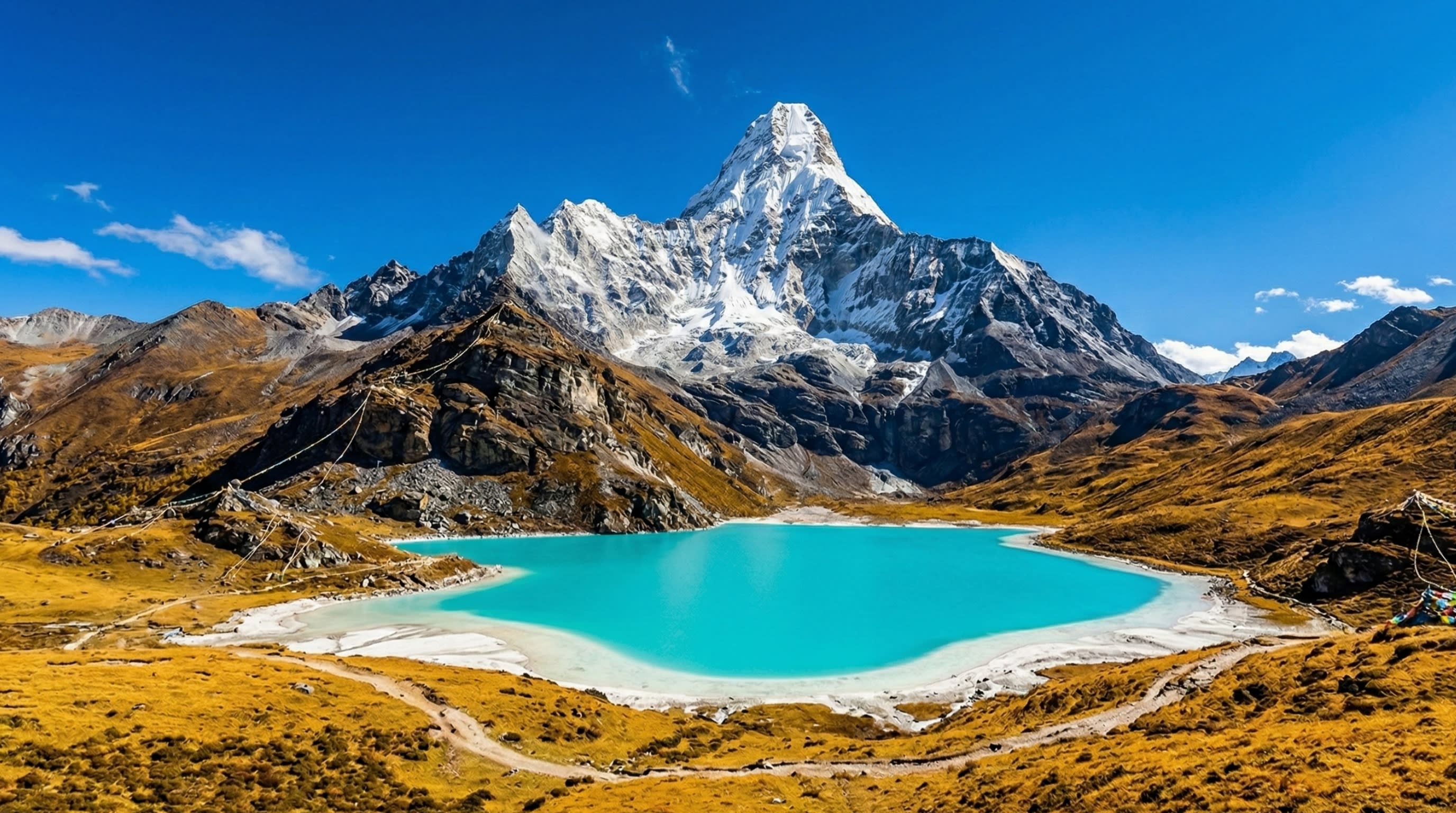
- The Three Sacred Mountains: The three snow-capped peaks (Chenrezig, Jampelyang, and Chanadorje) stand as eternal sentinels over golden grasslands and crystal-blue alpine lakes.
- The Milk Lake (Niúnǎi Hǎi): Hiking to this turquoise lake at 4,600 meters is a challenge, but in the stable weather of September, the views are unparalleled. The contrast between the white snow, the blue water, and the red-tinted shrubs on the mountainside is breathtaking.
- Native Insight: September is a time of harvest for the local Tibetan communities. You’ll see farmers gathering highland barley (Qīngkē 青稞), and the atmosphere in the local monasteries is one of gratitude and peace.
🏮 Cultural Highlight: Mid-Autumn Festival (Zhōngqiū Jié)
September usually plays host to the Zhōngqiū Jié (中秋节), the second most important festival in the Chinese calendar. It is a time of Tuányuán (团圆 - Reunion).
- The Mooncake (Yuèbǐng): You cannot escape them. From traditional lotus seed paste with salted egg yolk to modern ice-cream mooncakes, they are the symbol of the festival. Sharing a mooncake under the full moon represents the unity of the family.
- Osmanthus Wine: September is the season when the Guìhuā (桂花 - Osmanthus) blooms. Its sweet, apricot-like fragrance fills the streets of cities like Hangzhou and Suzhou. Drinking Osmanthus-infused wine or eating Osmanthus sticky rice root is a delicate way to celebrate the season.
🍲 Tasting the Harvest: September Flavors
September is for the gourmands. It is the month where the “Bounty of the Land” meets the “Bounty of the Sea.”
- Hairy Crabs (Dàzháxiè 大闸蟹): The most anticipated culinary event of the year. In September, the female crabs from Yangcheng Lake are full of rich, golden roe. It is a messy, communal, and delicious ritual.
- Pomegranates (Shíliú 石榴): Especially from Xi’an. They are massive, bursting with ruby-red seeds, and symbolize fertility and luck.
- River Snails: A popular street food snack in the south during the Mid-Autumn Festival, usually stir-fried with purple perilla leaves and chili.
🪵 Cultural Connection: The September “Gourd Check”
For collectors of Wenwan gourds, September is a critical month of transition. As the air turns dry in the north, your organic collectibles require a shift in care.
- Humidity Control: The sudden drop in humidity in September can be dangerous for a seasoned Wenwan gourd. If the wood dries too quickly, it can lead to tiny “sunlight cracks.”
- The September Rub: Continue the Pán (盘) process. The gentle warmth of the September sun is perfect for “sunning” your gourd for a few minutes a day to deepen its natural color, but always keep a close eye on the moisture levels.
- A Curator’s Moment: Sitting in a Beijing courtyard, peeling a fresh pomegranate while polishing a natural gourd, is the definition of “Autumn Zen.” It is about appreciating the slow maturation of nature—both in the fruit and in your hands.
🚆 Travel Logistics for September 2026
- The Pre-Holiday Rush: The week before October 1st is the quietest. The 12306 app will be easy to use, and hotels will have plenty of “Early Bird” discounts.
- Clothing: You need the “Three-Layer Rule.” A T-shirt for the afternoon sun, a light sweater for the evening, and a windbreaker if you are heading to the mountains or Xinjiang.
- Photography Gear: With the “Beijing Blue” skies and the golden forests of Kanas, you will be taking thousands of photos. Ensure your portable power banks are charged, as the cool mountain air in Yading can drain smartphone batteries faster than usual.
💬 Essential September Phrases
| English | 中文 | Pinyin |
|---|---|---|
| Happy Mid-Autumn Festival! | 中秋快乐! | Zhōngqiū kuàilè! |
| The autumn scenery is beautiful. | 秋色很美。 | Qiūsè hěn měi. |
| I want to eat hairy crab. | 我想吃大闸蟹。 | Wǒ xiǎng chī dàzháxiè. |
Final Thoughts from Lei
September is a gift. It is the reward for enduring the humidity of summer. It is a month that invites you to look up at the high, blue sky and breathe in the scent of osmanthus. Whether you are chasing the golden larch forests of the north or sharing a mooncake in a quiet courtyard, September will show you why the “Golden Autumn” is the most beloved season in Chinese culture.
㊗️ Wishing you a harvest of beautiful memories this September!
📱 For more live updates on Kanas foliage forecasts and mooncake tasting guides, follow our latest News section.

