

“In China, the landscape changes every hour, but the language changes every mile. By 2026, as AI translation becomes flawless, the true ‘Curator’ doesn’t just look for meaning—they look for ‘Music’. Across China’s premier 5A Scenic Spots (5A级景区 - 5A jí jǐng qū), the local dialects serve as the invisible architecture of the culture. As curators of the profound, I invite you to close your eyes, put away your digital translators, and listen to the raw, unadulterated acoustic soul of the nation.”
The 2026 “Acoustic Tour”: Why Your App Isn’t Enough
By 2026, travel is no longer about ‘Checking-in’ (打卡 - dǎ kǎ); it is about ‘Cultural Vibration’. While Mandarin (普通话 - pǔ tōng huà) provides a necessary bridge, the regional dialects act as the deep, ancient water running beneath it. Whether you are a student analyzing the intricate social fabric of the North or a global nomad seeking a profound ‘State of Mind,’ hearing the shift in tones is the ultimate immersion.
Thanks to the ever-expanding ‘Seamless HSR Corridor’, you can breakfast with a ‘Roar’ in the Northeast and have dinner with a ‘Whisper’ in the Jiangnan region. This sonic contrast is the heartbeat of modern travel. If you only understand Mandarin, you have effectively only experienced ‘half’ of the country. Every 5A scenic spot possesses its own local ‘specialty’ in sound—an authentic flavor that no AI can replicate. From Shenyang’s boisterous, unfiltered laughter to the soft, silk-like melody of Suzhou, the Yanhuoqi (烟火气 - the vibe of human life) is where the real China lives.
The North: The Comedy of the Northeast (东北话)

As someone who has spent time navigating the streets of Shenyang, I can tell you that the Northeast is effectively China’s most vibrant ‘Natural Comedy Club.’
- The Sound: Dongbeihua (东北话) is rhythmic, punchy, and incredibly contagious. It sounds like a constant banter, as if everyone is either about to tell a joke or start a friendly argument.
- Where to Hunt: Immerse yourself in the bustling areas surrounding the 5A Shenyang Imperial Palace.
- Key Phrase: “Nǐ gàn hā ne?” (你干哈呢? - What are you doing?). In 2026, the local intonation has become a global ‘Meme’ for authenticity.
- The Vibe: It’s ‘Hardcore’ warmth. It is the sound of a big iron-pot stew shared between friends, where the steam rises to meet the sharp, biting cold air outside.
The East: The “Soft Wu” Whisper (吴侬软语)
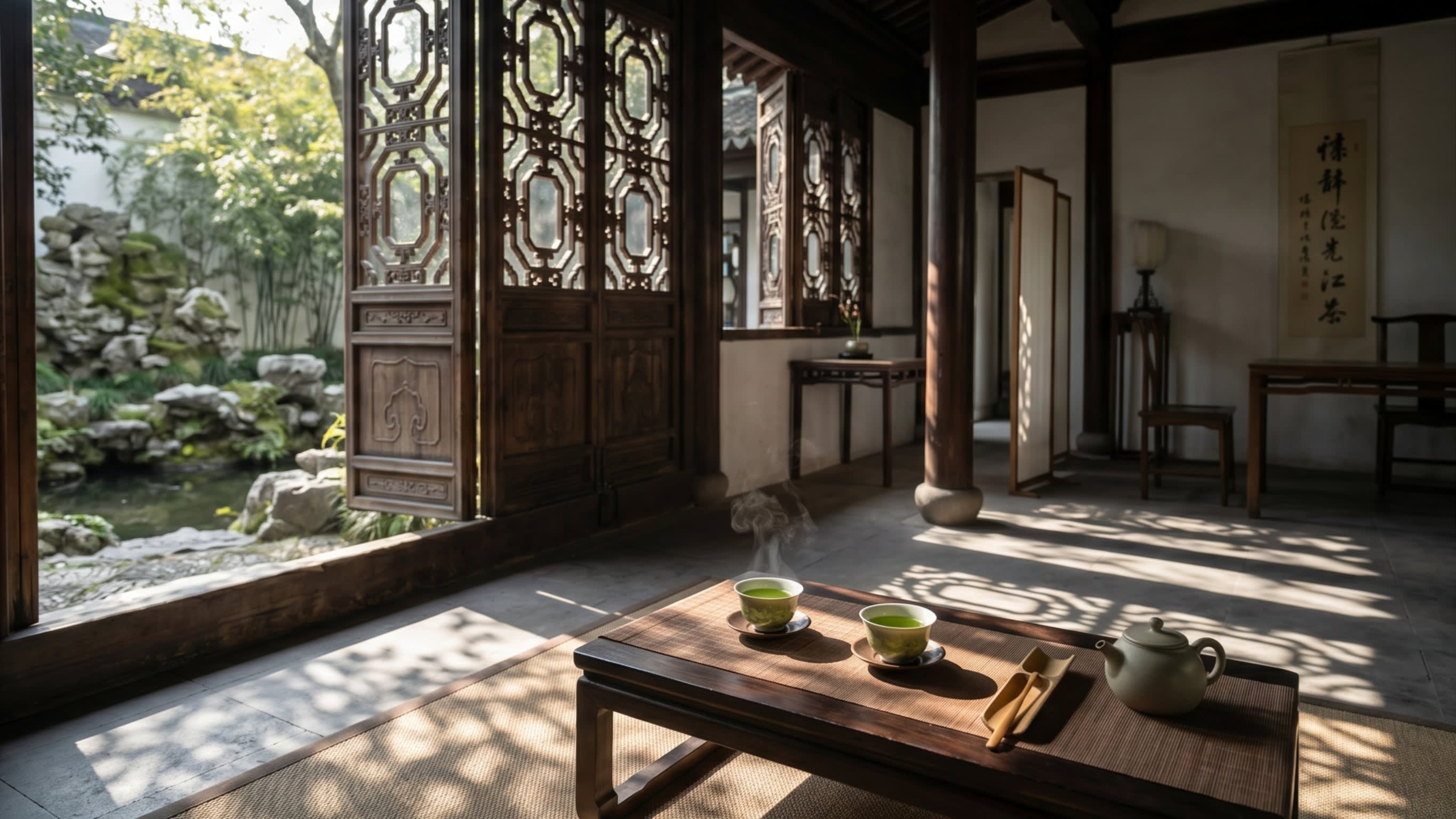
Board the high-speed rail and travel south to the Suzhou Gardens (苏州园林). The acoustic world changes completely here.
- The Sound: Wu Chinese (苏州话) is famously called ‘Wúnóng ruǎnyǔ’ (吴侬软语) or ‘The Soft Speech of Wu.’ It sounds remarkably like the flow of local canals—musical, high-pitched, and incredibly gentle.
- The Sensation: I have sat for hours listening to local grandmothers debate the price of fish, and every time, it sounds like they are reciting classical poetry.
- Refined Detail: In these gardens, the most ‘high-end’ background noise isn’t the chirping of birds, but the rhythmic gossip of the locals. That ‘diǎ diǎ de’ (嗲嗲的 - charming/soft) tone, when paired with a fresh cup of Biluochun, is pure ‘healing for the soul.’ Even if you lack the vocabulary to understand them, you can feel the sheer refinement of the region. If you want to dive deeper, exploring the Suzhou Gardens Kunqu Opera and Guqin guide will further tune your ears to this local cadence.
The Southwest: The Spicy Rhythm of Sichuan (四川话)
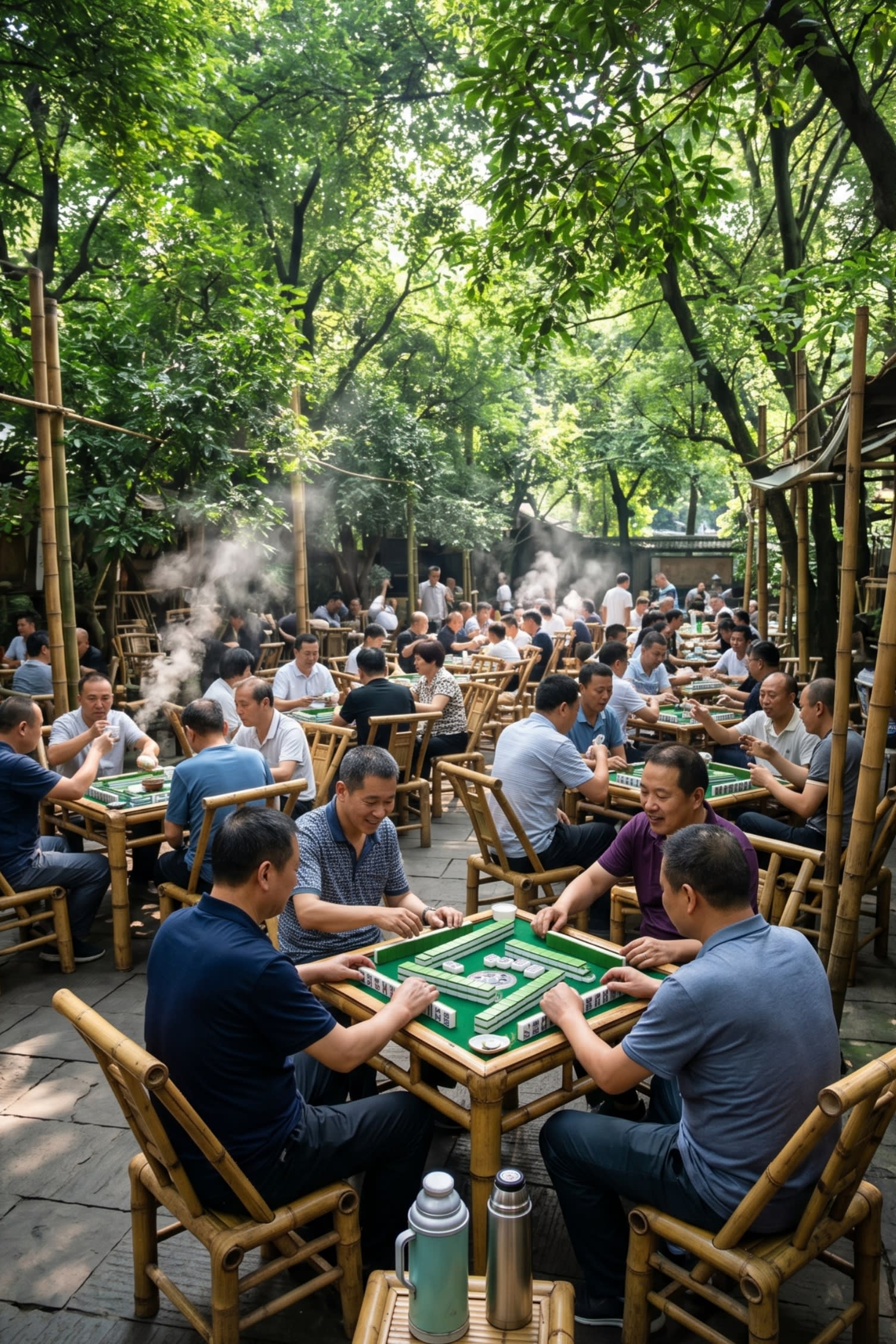
Head west to the 5A Mount Emei or the open-air teahouses of Chengdu.
- The Sound: Sichuanese (四川话) is fast, bouncy, and ‘spicy.’ It possesses more tonal variations than standard Mandarin, making every sentence sound like a syncopated song.
- Key Characteristic: The liberal use of ‘Bá’ (吧) or ‘Mā’ (嘛) at the end of sentences grants the speech a casual, ‘laid-back’ (松弛感 - sōng chí gǎn) energy.
- The Experience: Sitting in a weathered bamboo chair, listening to the rhythmic clatter of mahjong tiles and the rapid-fire Sichuanese surrounding you, is the 2026 definition of ‘Grounded Luxury.’ It is a world away from the frantic pace of the coastal cities.
The South: The Ancient Echoes of Cantonese (粤语)
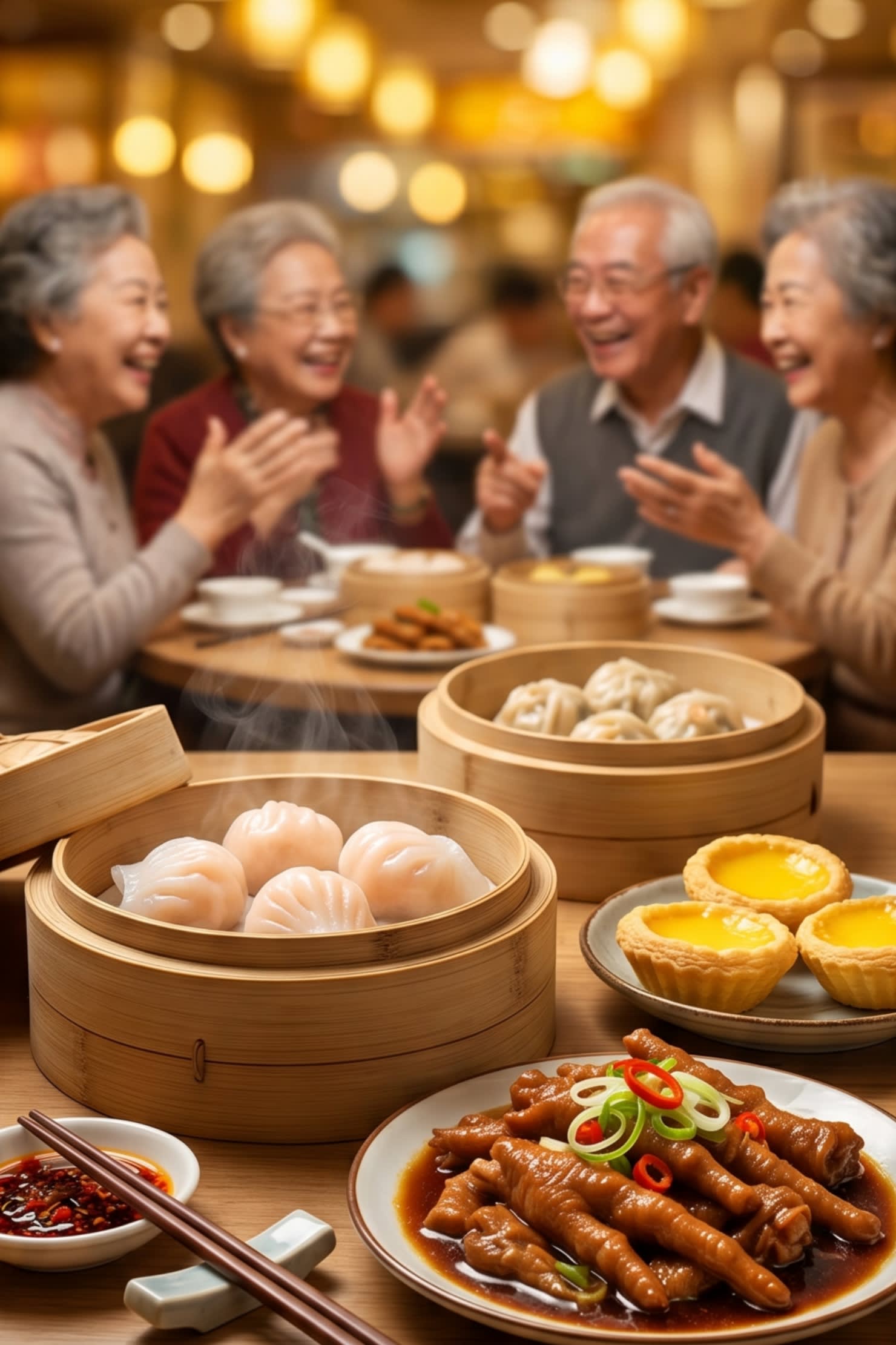
Finally, reach the 5A Mount Danxia in Guangdong.
- The Sound: Cantonese (粤语 - yuè yǔ) is the ‘Hardcore’ level of dialect hunting. With 9 distinct tones (compared to Mandarin’s 4), it preserves many ancient sounds from Middle Chinese.
- The Vibe: It sounds like a film. Whether you are at a high-end Dim Sum banquet or a local market, the language is energetic, expressive, and feels like a scene from an 80s Hong Kong movie.
- The Human Connection: At the morning tea stalls, the apparent ‘clamor’ isn’t fighting; it is a vivid display of ‘human warmth’ (人情味 - rén qíng wèi). To truly handle the crowds and the sounds, check out the Guangzhou Bio Island guide for a balanced perspective on the region.
2026 Dialect Hunter’s Matrix
| Region (5A Site) | Dialect Group | Acoustic Vibe | Difficulty |
|---|---|---|---|
| Shenyang Palace | Dongbei (NE Mandarin) | Punchy & Heroic | Moderate |
| Suzhou Gardens | Wu (Soft/Musical) | Soft & Fluid | Hard |
| Mount Emei | Sichuanese | Energetic & Spicy | Moderate |
| Mount Danxia | Cantonese | Complex & Ancient | Very Hard |
Fueling the Hunt: Linguistic Comfort Food
In 2026, the best way to hear a dialect is through the lens of local culinary traditions. When I visit Shenyang, I always seek out chicken racks (鸡架), where the late-night chatter at the stalls is the gold standard for pure local slang. In Suzhou, sipping broth while listening to the ‘Whisper’ of boat noodles is a sensory delight. For those who find their ears burning in the high-decibel environment of a Cantonese Dim Sum hall, consider it a ‘Torture Test’ for your translation tech—it is the perfect arena for raw dialect hunting. If you find your gear needs an upgrade, ensuring you have a reliable portable charger will keep your voice-to-text apps running all day.
Traveler’s Language Survival Table (Dialect Edition)
| English Context | Dialect Vibe / Phrase |
|---|---|
| What are you doing? (NE) | 你在干哈呢? (Nǐ zài gàn hā ne?) |
| That's charming (Wu) | 这声音好‘嗲’。 (Zhè shēng yīn hǎo 'diǎ'.) |
| Authentic (General) | 地道 (dì dào) |
Final Thoughts from the Curator
Dialect hunting in 2026 is a constant reminder that the world does not need to be unified to be deeply understood. When you sit in a 5A mountain teahouse and let the local rhythm wash over you, you are no longer just a tourist; you are a participant in a living oral history. My advice remains consistent: do not look at your translation app first. Look at the speaker’s eyes. Listen to the music of the tones. In the land of a thousand sounds, the most beautiful thing you will hear isn’t a word—it is the living, breathing Yanhuoqi of a culture that simply refuses to be quiet. If you want to avoid common pitfalls while engaging with locals, I highly recommend reviewing my guide on avoiding travel scams in China to ensure your focus remains on the language and the landscape.
Disclaimer: As an Amazon Associate, ChinaCurator earns from qualifying purchases.