
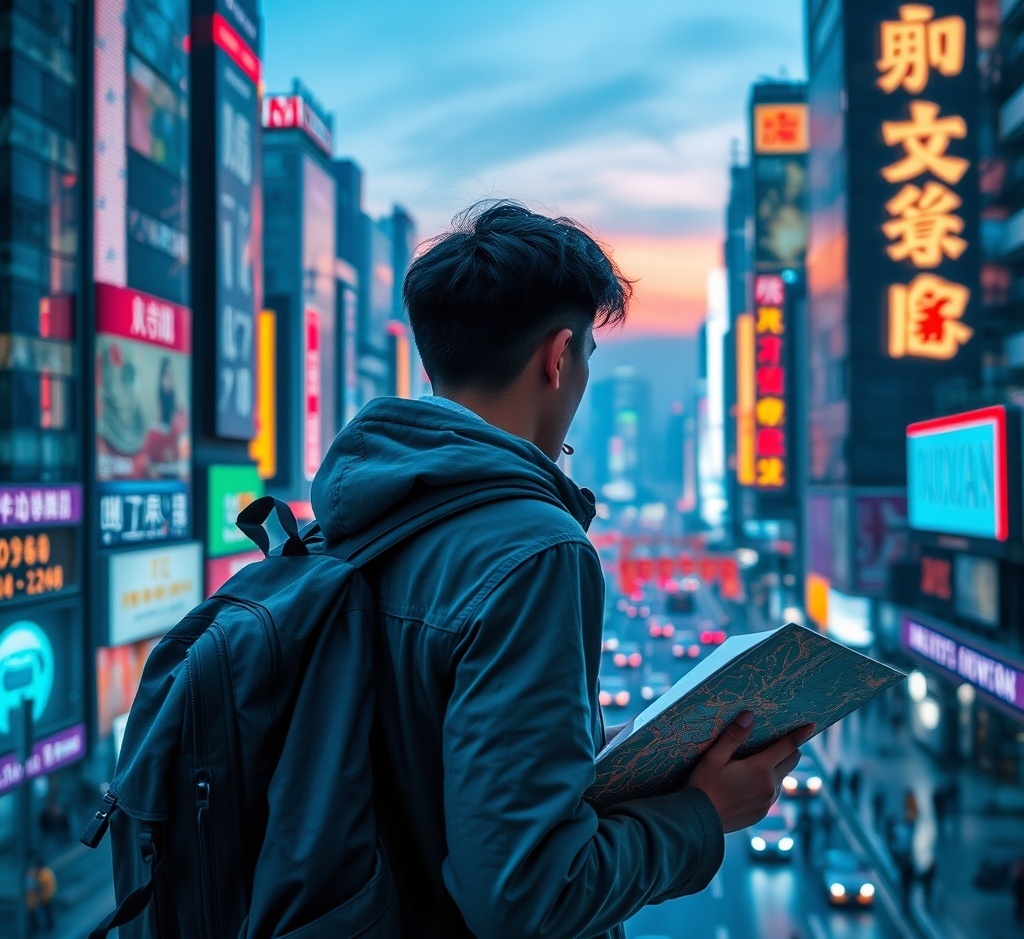
“Traveling solo through China offers an unmatched mix of ancient history and hyper-modern convenience, but navigating it successfully requires a bit of digital preparation.”
Planning a journey to the Middle Kingdom is an exhilarating prospect. If you are wondering whether it is safe to travel to China in 2026 as a solo adventurer, the short answer is a resounding yes. China remains statistically one of the safest countries in the world for individual travelers, boasting remarkably low rates of violent crime. However, safety in the modern era extends beyond physical security—it involves navigating a unique digital ecosystem, understanding local customs, and staying connected.
Whether you are planning to wander through the misty mountains of Zhangjiajie or taste street food in Chengdu, this realistic guide will help you prepare for a seamless and secure adventure.
Understanding Physical Safety on the Ground
When people ask about safety, they usually worry about street crime. In major Chinese cities like Beijing, Shanghai, and Shenzhen, violent crime against foreigners is exceedingly rare. Streets are brightly lit, heavily monitored by modern public security systems, and bustling with life well into the night.
As a solo traveler, your primary concerns will likely be petty theft, such as pickpocketing in crowded tourist hubs, or tourist scams (like the classic tea house scam). Standard travel vigilance is more than enough to keep you safe:
- Keep your belongings secure in crowded subway systems or busy markets.
- Avoid unlicensed taxis waiting outside major train stations or airports; instead, use verified ride-hailing apps.
- Keep emergency numbers handy, including the police hotline (110) and the tourist complaint hotline (12301).
The Digital Landscape: Staying Connected and Safe
The biggest hurdle for modern travelers in China isn’t physical danger—it’s the ‘Great Firewall’ and the cashless society. To ensure a safe and stress-free trip, you must prepare your digital toolkit before you land. Traditional Western apps like Google, Instagram, and WhatsApp will not work without a reliable roaming plan or a virtual private network (‘Virtual Private Network’ / 虚拟专用网络 - xnín zhuānyòng wǎngluò).
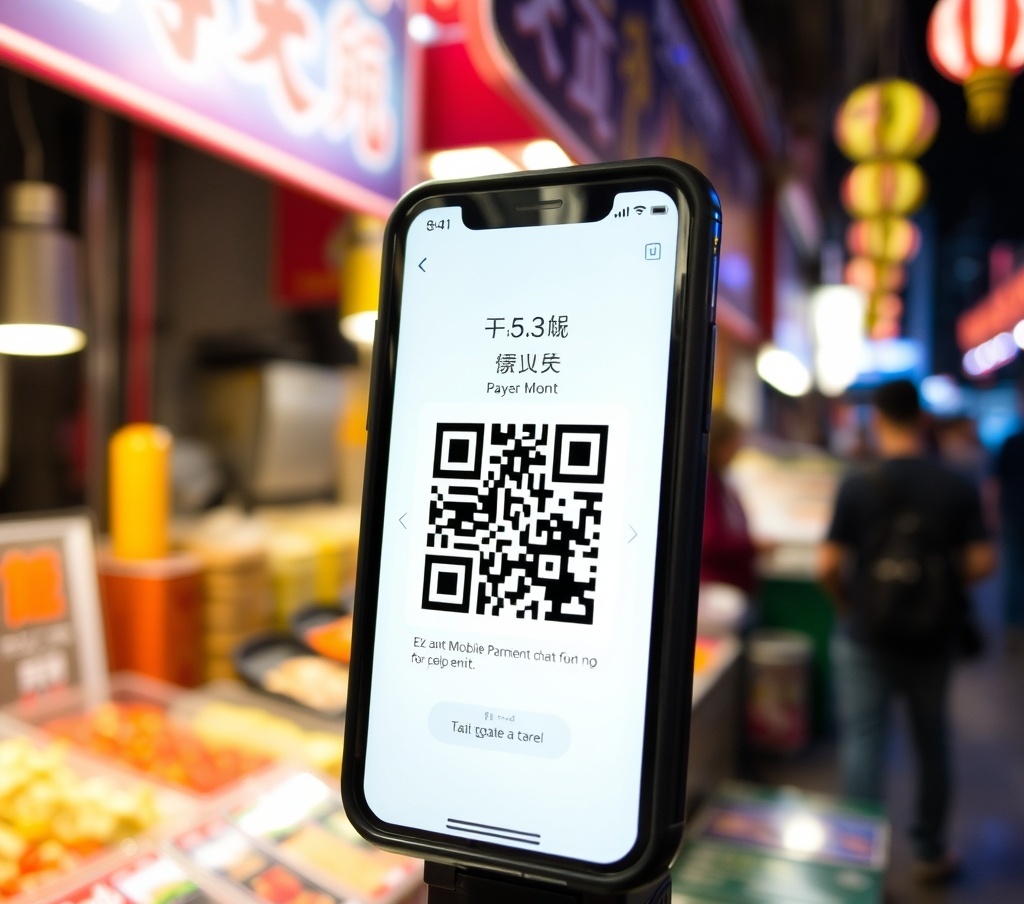
Furthermore, cash is rarely used in China today. Almost everything runs through mobile payments:
- WeChat Pay (微信支付 - wēixìn zhīfù) and Alipay (支付宝 - zhīfùbǎo) now accept international credit cards. Set these up and verify your identity before departure.
- Download offline translation tools and local navigation apps like Amap (‘Amap’ / 高德地图 - gāodé dìtú) to ensure you never get stranded without a map.
For a reliable physical backup of your gear, consider picking up a durable travel power bank to keep your navigation apps running all day.
Navigating Cultural Nuances and Solo Dining
China is culturally welcoming to solo travelers, though certain aspects might surprise newcomers. Solo dining, once rare, has exploded in popularity, especially with the rise of single-person hotpot restaurants and digital ordering systems.
Language barriers can sometimes feel intimidating, especially off the beaten path. However, local residents are famously helpful, often using their own translation apps to assist lost travelers. Learning a few basic phrases will go a long way in showing respect and building rapport:
- Hello: ‘Hello’ (你好 - nǐ hǎo)
- Thank you: ‘Thank you’ (谢谢 - xièxie)
- How much is this?: ‘How much is this?’ (这个多少钱? - zhège duōshǎo qián?)
If you plan on exploring remote hiking trails or less-frequented provinces, having a sturdy portable language translator device can also provide immense peace of mind.
Health, Hygiene, and Emergency Preparedness
Healthcare infrastructure in China’s major urban centers is world-class, but dealing with local pharmacies or hospitals can be challenging if you do not speak Mandarin.
- Always carry travel insurance that covers medical evacuation and unexpected hospital visits.
- Stick to bottled water or boiled water, and enjoy street food from vendors with high turnover and visible cleanliness.
- Pack a basic personal medical kit with your prescription medications and stomach-settling remedies.

Final Thoughts from Zihan
Traveling solo to China in 2026 is an incredible, highly rewarding experience characterized by profound safety, incredible infrastructure, and deeply hospitable people. By preparing your digital tools in advance, maintaining basic travel smarts, and keeping an open mind, you will unlock an unforgettable journey across a mesmerizing landscape. Pack your bags, embrace the adventure, and discover the modern face of the Middle Kingdom on your own terms.
Disclaimer: As an Amazon Associate, ChinaCurator earns from qualifying purchases.