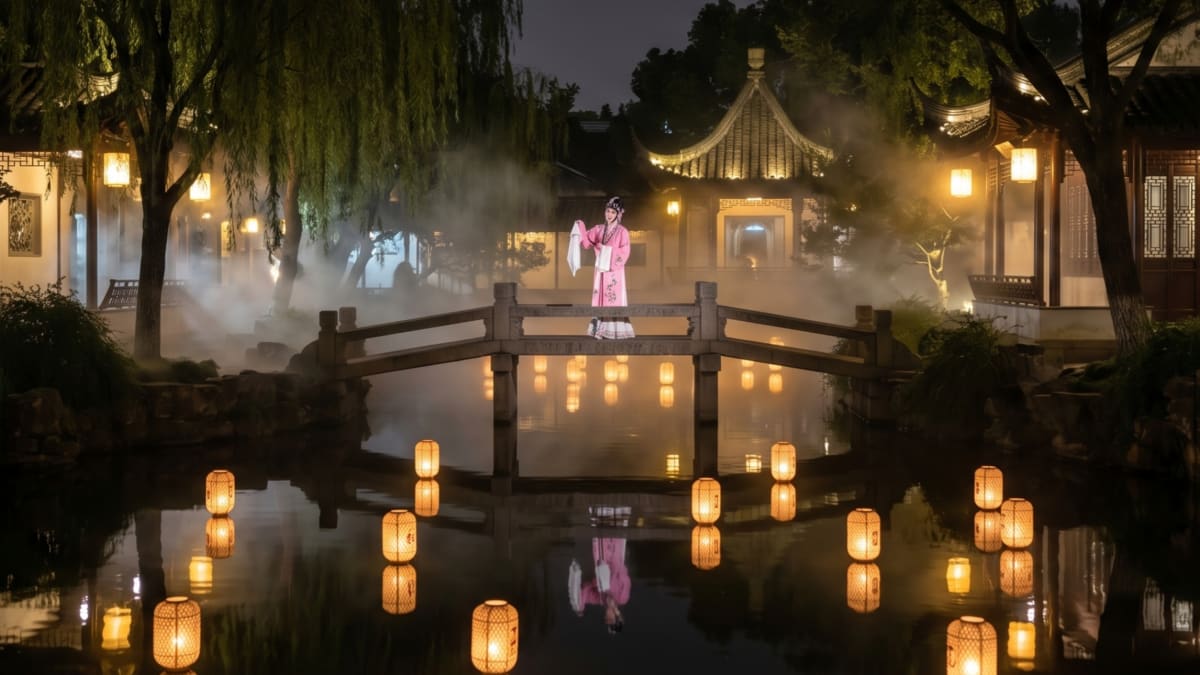
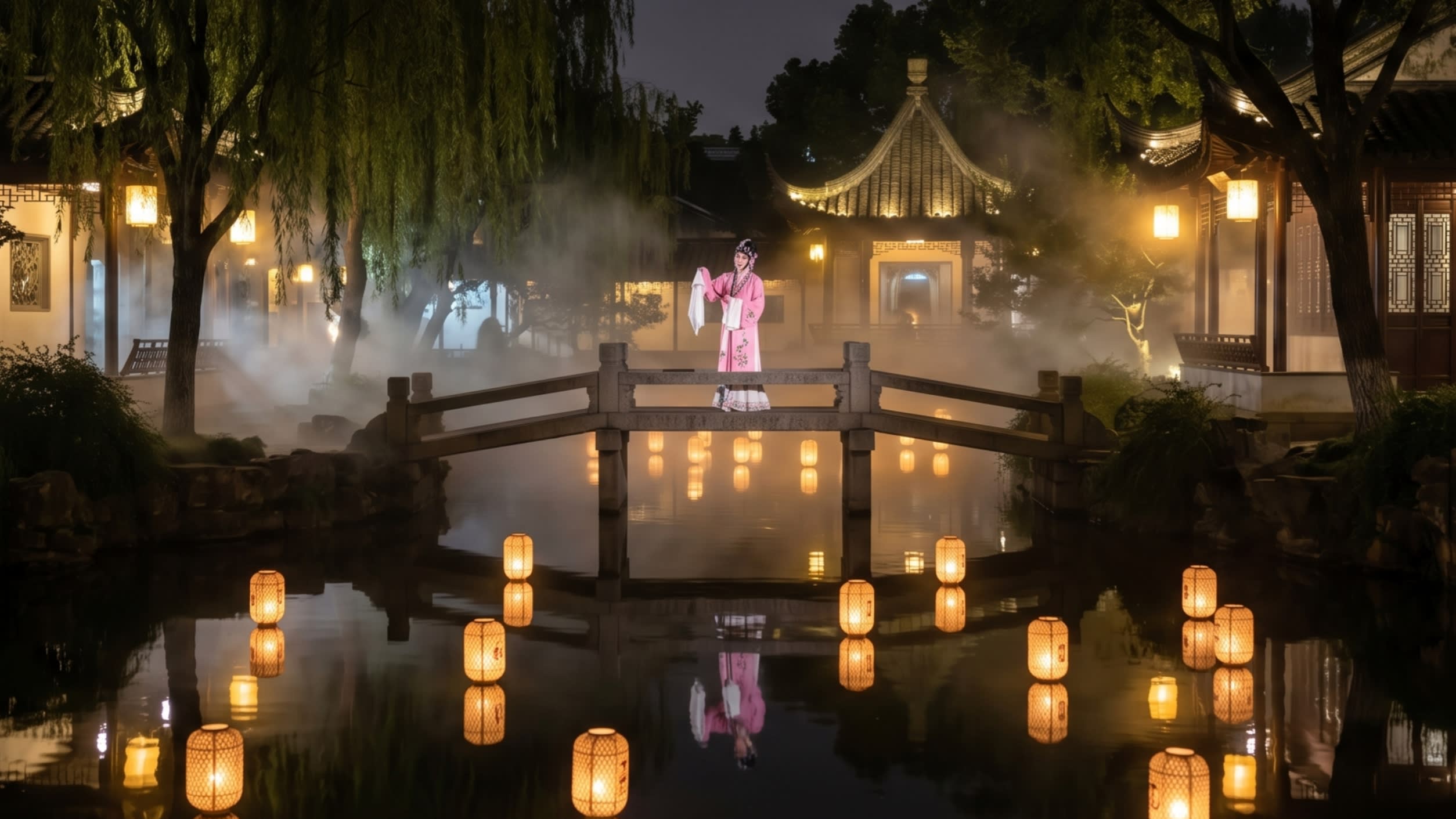
“A garden without music is like a body without a soul. In Suzhou, the architecture is the skeleton, but the ethereal sounds of the Kunqu Opera (昆曲 - kūn qǔ) and the resonant silk strings of the Guqin (古琴 - gǔ qín) are the very heartbeat of this city.”
In 2026, as we collectively pivot away from the frantic, checklist-driven “check-in” tourism of the past, Suzhou (苏州 - sū zhōu) has quietly emerged as the ultimate sanctuary for those seeking genuine ‘Cultural Immersion.’ While the iconic 5A gardens, such as the Humble Administrator’s Garden (拙政园 - zhuó zhèng yuán), remain visually breathtaking, their true, hidden magic is only unlocked when you pause, close your eyes, and listen to the lingering echoes of the past. As a curator of the authentic, I invite you to step beyond the bustling tourist paths and into the contemplative soundscape of the ancient scholars.
Why “Listening” is the 2026 Travel Trend
We are all, quite frankly, digitally exhausted. The travel trend for 2026 is undoubtedly ‘Analog Recovery.’ In Suzhou, this means experiencing the classic ‘Three Treasures of the Literati’: manicured gardens, fine tea, and soul-stirring music. Thanks to the seamless efficiency of the HSR Heritage Corridor, you can grab a breakfast in Shanghai and be seated in a quiet, mist-shrouded Zen teahouse in Suzhou within 30 minutes. Yet, the mental distance you traverse feels like centuries.
Whether you are a scholar researching traditional aesthetics or simply a traveler desperate for a ‘Soul Reset,’ the combination of Suzhou’s 5A landscapes and its Intangible Heritage is a masterclass in ‘Slow Living.’ For those looking to document these moments, bringing a dedicated travel journal to record your thoughts in the quiet of a garden pavilion is a decision you won’t regret.
- Native Perspective: “2026年,如果来苏州还只是在拙政园拍个照就走,那真的太可惜了。现在的旅行讲究的是‘沉浸式’ (chén jìn shì)。在园林里听一场昆曲,或者在平江路的茶馆里听一段古琴,那种‘松弛感’ (sōng chí gǎn) 才是苏州的灵魂。这种‘高级感’ (gāo jí gǎn) 的体验真的是绝绝子 (jué jué zi)。” (In 2026, if you come to Suzhou and just take a photo at the Humble Administrator’s Garden and leave, it’s a profound pity. Travel today prioritizes ‘immersion.’ Listening to a Kunqu performance or the resonance of a Guqin in a Pingjiang Road teahouse—that ‘relaxed feeling’ is the true soul of Suzhou. This level of sophisticated experience is genuinely unparalleled.)
The Voice of Water: Kunqu Opera (昆曲)

Often heralded as the “Mother of all Chinese Operas,” Kunqu is a haunting, 600-year-old art form. It is characterized by its glacial tempo, poetic lyrics, and the hypnotic ‘Water Sleeve’ (水袖 - shuǐ xiù) movements—choreography designed to mimic the fluid, serpentine flow of Suzhou’s ancient canals.
- The 2026 Venue: The Peony Pavilion (Immersive Edition). Forget grand theaters; the most intimate way to experience Kunqu in 2026 is within a small, moonlit garden courtyard. The performers move effortlessly through the rockeries and ancient trees, making you an active participant in the scene rather than a distant observer.
- Where to Go: Make your way to the vicinity of the Master of the Nets Garden (网师园 - wǎng shī yuán). Their “Night Garden” tour remains the 5A gold standard for interactive heritage. If you’re planning to spend the night, consider bringing a portable neck fan if you are visiting during the humid summer months, as you’ll want to stay comfortable during the long, leisurely performances.
The Strings of Wisdom: Guqin (古琴)
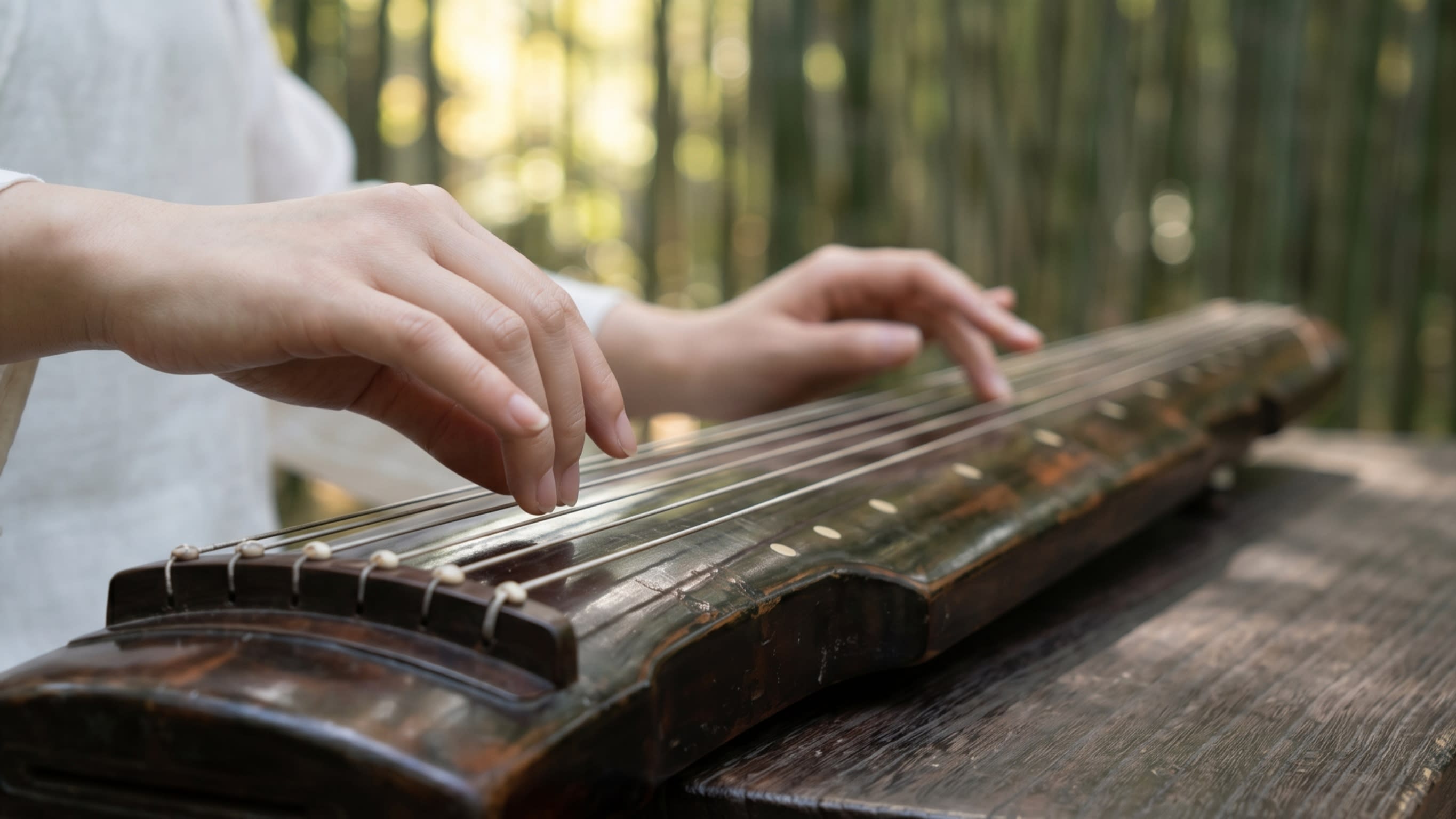
If Kunqu is an art form for the heart, the Guqin is undoubtedly for the mind. This seven-stringed zither was the instrument of choice for Confucius and has stood as the ultimate symbol of scholarly refinement for three millennia.
- The Sound: It is deceptively quiet, profoundly deep, and introspective. In 2026, Suzhou’s best Guqin studios have begun offering ‘Micro-Meditation’ sessions, allowing you to listen to a master play while savoring locally sourced tea.
- The 2026 Tech: Many of these historic venues have quietly integrated ‘Invisible Acoustics’—sophisticated, subtle sound engineering that amplifies the delicate plucking of the silk strings without compromising the natural, woody resonance of the instrument.
- Native Perspective: “古琴的声音非常有‘质感’ (zhì gǎn)。它不像琵琶那么热闹,它非常‘静’。在苏州找个竹林旁的小院子听琴,那种‘意境’ (yì jìng) 真的能让人瞬间‘下线’ (xià xiàn),逃离所有的焦虑。” (The sound of the Guqin has such exquisite ‘texture.’ Unlike the Pipa, it is not boisterous; it is intensely ‘quiet.’ Finding a small courtyard beside a bamboo grove to listen to the zither—that ‘artistic conception’ allows you to ‘go offline’ and leave all modern anxieties behind.)
Suzhou Soundscape Experience Matrix (2026)
| Experience | The Vibe | Best Location | Effort Level |
|---|---|---|---|
| Garden Kunqu | Romantic & Theatrical | Master of the Nets Garden | Medium (Evening) |
| Teahouse Pingtan | Lively & Local | Pingjiang Road | Easy (Afternoon) |
| Bamboo Guqin | Zen & Meditative | Tiger Hill Vicinity | Easy |
| Ancient Canal Boat | Dreamy & Nostalgic | Shantang Street | Easy |
Fueling the Echoes: Suzhou Tea & Pastries
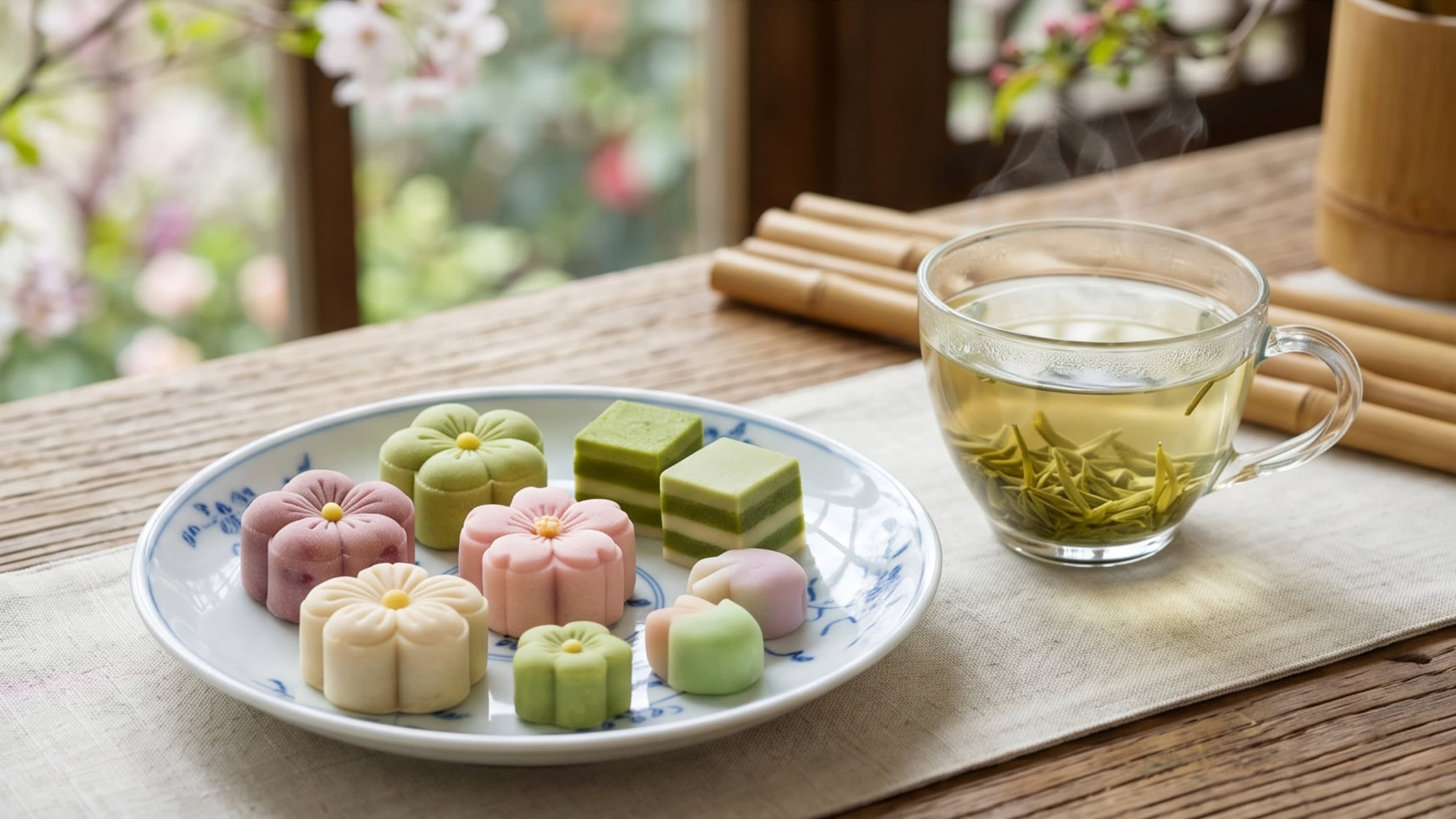
In 2026, the ‘Tea & Music Pairing’ has evolved into a sophisticated art form here. You don’t simply eat; you experience the flavors in rhythm with the performance.
- Biluochun Tea (碧螺春 - bì luó chūn): The signature green tea of Suzhou. Its delicate, floral aroma is the perfect companion to the high-pitched elegance of Kunqu. A high-quality tea infuser mug can help you appreciate these delicate leaves even when you’re back home.
- Seasonal Pastries: Suzhou is world-renowned for its ‘Sweetness.’ Look for dainty, flower-shaped pastries filled with red bean or sesame paste.
- Native Perspective: “在苏州听曲儿,一定要配上一壶正宗 (zhèng zōng) 的碧螺春。茶叶要在水里打旋儿,那种‘鲜灵’ (xiān líng) 的劲儿,配上几块桃花酥,这就是最‘地道’ (dì dào) 的苏式生活。这种‘烟火气’ (yān huǒ qì) 里的精致感,真的是绝了。” (When listening to music in Suzhou, you must pair it with a pot of authentic Biluochun. Watching the leaves swirl in the water—that ‘fresh’ spirit, paired with peach blossom cakes—this is the most ‘authentic’ Suzhou life. This sense of refinement within the ‘vibe of daily life’ is truly incredible.)
Navigating the Alleys of Pingjiang Road
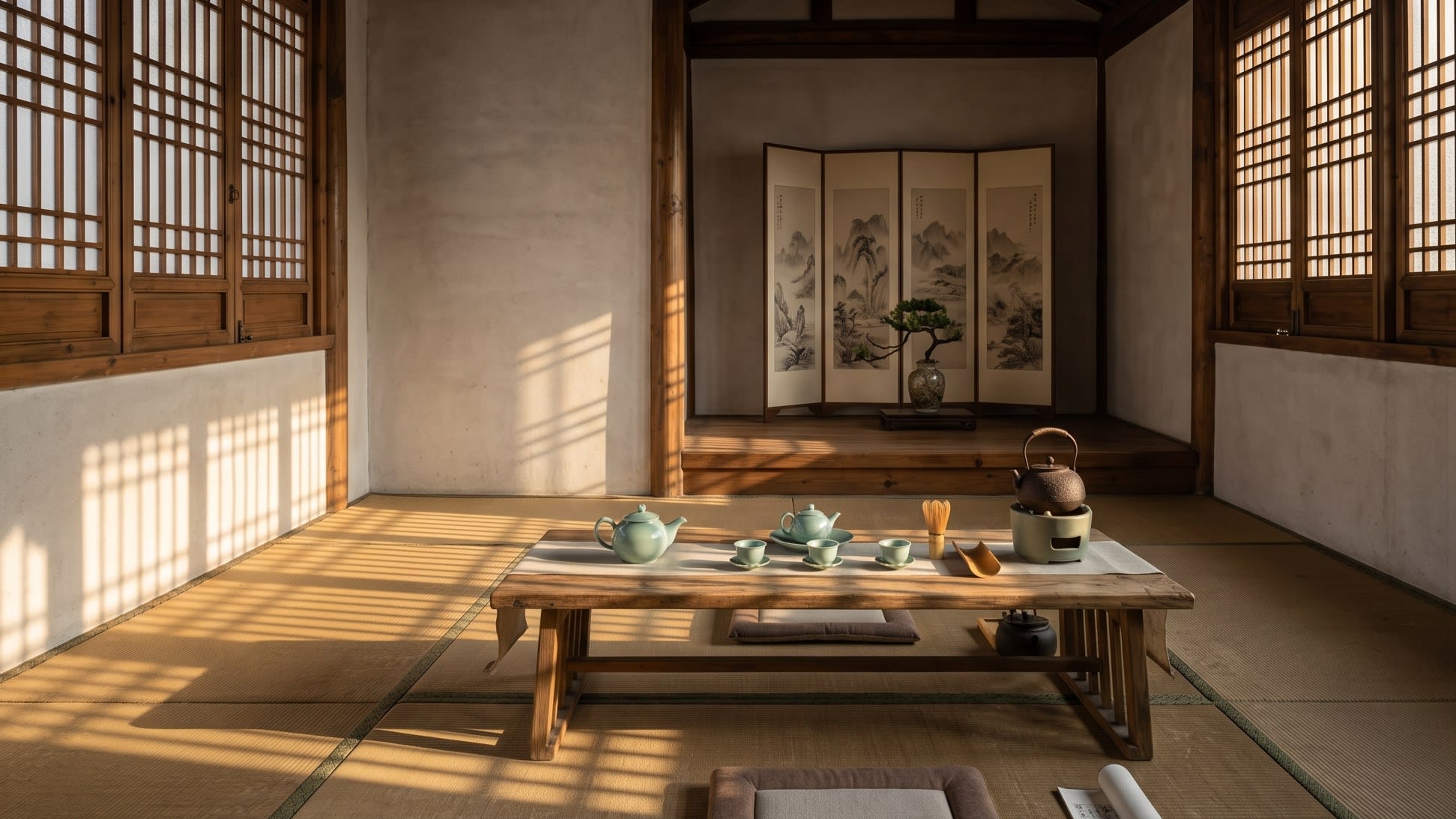
While the major 5A gardens house the grand history, the narrow, winding alleys of Pingjiang Road (平江路) hold the city’s true soul. In 2026, this district has firmly established itself as a hub for ‘Micro-Venues.’
- The Experience: Venture past the main street and into the labyrinth of side canals. Keep an eye out for discreet wooden signs labeling ‘Qin Rooms’ (琴房) or quiet ‘Book Houses’ (书院). Here, for the modest price of a single cup of tea, you can witness local masters refining their craft in intimate settings.
- Pro Tip: Visit during a weekday morning. The relative lack of crowds allows the natural, stone-walled acoustics and the gentle lapping of canal water to carry the music perfectly. If you are doing a walking city tour, ensure you have a comfortable pair of walking shoes to handle the charming, yet uneven, cobblestone paths.
Traveler’s Language Survival Table (Sound & Soul Edition)
| English | Chinese & Pinyin |
|---|---|
| Where can I hear the Guqin? | 哪里可以听到古琴? (Nǎ lǐ kě yǐ tīng dào gǔ qín?) |
| When does the Kunqu show start? | 昆曲表演什么时候开始? (Kūn qǔ biǎo yǎn shén me shí hòu kāi shǐ?) |
| This melody is very peaceful. | 这段旋律非常安详。 (Zhè duàn xuán lǜ fēi cháng ān xiáng.) |
| One pot of Biluochun, please. | 请给我来一壶碧螺春。 (Qǐng gěi wǒ lái yī hú bì luó chūn.) |
| The artistic conception is beautiful. | 意境太美了。 (Yì jìng tài měi le.) |
Final Thoughts from Ziyan
Visiting Suzhou in 2026 is a masterclass in ‘Sensory Curation.’ If you only look, you only see half of the garden. But if you listen—if you allow the vibrating silk of a Guqin or the high, crystalline sorrow of a Kunqu aria to wash over you—you will discover a China that is not just a destination, but a state of mind.
My advice? Don’t stress about understanding every word of the lyrics. Let the sounds tell the story for you. In the long shadow of the Humble Administrator’s Garden, the past is never dead; it is merely waiting for the right person to stop and listen. For more insights on how to navigate the regional landscapes of China, you might also find my guide on the 5A Caves of China or the Double Ninth Festival climbing traditions to be equally soul-enriching.
🎹 Scholar’s Survival Checklist
- Silence is Gold: During Guqin performances, total silence is expected. Turn off your phone and any watch alerts. This is a 3,000-year-old etiquette for a reason.
- HSR Mastery: Use the Suzhou North HSR for the high-speed link to Shanghai. In 2026, the 'Gardens Shuttle' runs every 10 minutes between the station and the core 5A zone.
- Booking: Immersive garden shows (like at Master of the Nets) require reservation 48 hours in advance via the 'Suzhou Culture' WeChat mini-program.
- Ethics: Many performers are masters of their craft. It is polite to wait until the absolute end of a piece before clapping or taking photos—and please, strictly no flash photography.
Disclaimer: As an Amazon Associate, ChinaCurator earns from qualifying purchases.